Disclosure: Chasing Whereabouts is reader-supported. This guide contains affiliate links to partners like Tiqets, GetYourGuide, Viator and Headout. If you make a purchase through these links, we may earn a small commission at no extra cost to you. This helps us continue providing free, first-hand travel guides. Thank you for your support!
🇮🇹 Part of Italy Travel Guide
Rome rewards visitors who do a little preparation and punishes those who don't. The gap between a stressful, queue-heavy trip and a genuinely good one often comes down to three decisions: when you book tickets, where you stay, and what you choose to skip. This guide covers the practical side — the things worth knowing before you arrive so that your time in the city goes on actually being in the city rather than managing logistics.
These tips come from visiting Rome and from watching first-time visitors make the same avoidable mistakes. None of this is complicated. It just needs to be front-of-mind before you land.

1. Book the Colosseum Online — Never Just Turn Up
The Colosseum is one of the most visited attractions in Europe, and the queue for walk-up tickets can stretch to 2–3 hours in summer. The solution is simple: buy tickets in advance at the official site (coopculture.it) or through a reliable reseller like Tiqets.
2026 prices:
- Standard (Colosseum + Roman Forum + Palatine Hill): €18 (mandatory combo ticket)
- With guided tour: €26–32 depending on length
- Under 18 EU citizens: free
The Roman Forum and Palatine Hill are included in the same ticket and are worth the extra time — allow at least half a day for the full complex. The Forum is the heart of ancient Rome; the Palatine Hill has some of the best views over the city.
Tip: The first Sunday of every month, all Italian state museums including the Colosseum are free. This is the most crowded day of the month — arrive at 8:30am (opening time) or avoid it entirely.
2. Vatican: Book Skip-the-Line Tickets Weeks Ahead
The Vatican Museums are one of the few attractions in Rome where last-minute booking genuinely doesn't work well from June to September. The Sistine Chapel is inside the museum, so the queue to enter the whole complex is the queue for Michelangelo's ceiling.
What to book:
- Vatican Museums + Sistine Chapel: €20 standard entry, €32–45 for guided tour (worth it for the Sistine Chapel context)
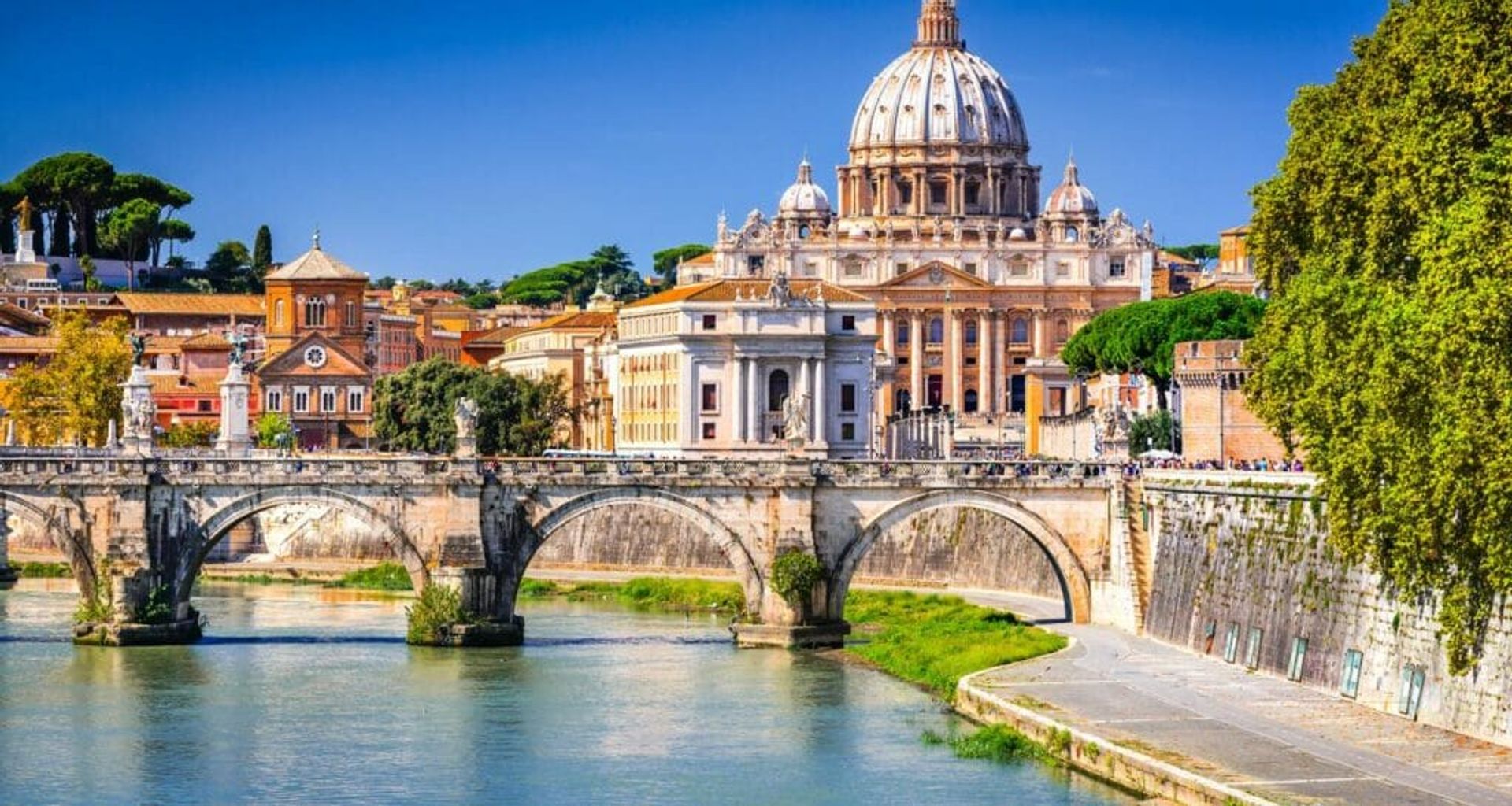
- St. Peter's Basilica: free entry, no booking needed — but arrive before 9am or expect a 45-minute queue in summer
- St. Peter's Dome climb: €8 (stairs) or €10 (lift + stairs). Go early morning.
Tip: The Vatican is closed on Sundays except for the last Sunday of the month when it's free. Wednesday mornings are busy because of the Pope's weekly public audience. The quietest museum entry windows are Friday and Saturday afternoons.

3. The Pantheon Now Charges Entry
Since 2023, the Pantheon charges admission: €5 standard, free for under-18s and certain EU residents. This caught many visitors off-guard. Book a timed entry slot at pantheonroma.com — the queues at the door move slowly and timed slots get better access.
The Pantheon is one of the best-preserved ancient buildings in the world. It has been in continuous use since 125 AD. The oculus (the open hole in the dome) is 8.8 metres wide and the only source of natural light — when it rains, the water falls through and drains through the original Roman drainage system.
4. Trevi Fountain: Go at Night or Very Early Morning
The Trevi Fountain is the largest Baroque fountain in Rome and one of the most crowded spots in Europe at any time between 10am and 10pm. It is surrounded by tourists, selfie sticks, and people selling overpriced items from surrounding stalls.
The fountain at 6:30am or after 10:30pm is a different experience. The lighting at night is better for photos anyway. There is no entry fee — you just need the discipline to get there before or after the bulk of visitors.
The coin tradition: Throw one coin with your right hand over your left shoulder to guarantee a return to Rome. Two coins means you'll fall in love. This generates roughly €1.5 million per year, which goes to a Roman charity.

5. Rome's Tap Water Is Free and Good
Rome has over 2,500 nasoni — small street fountains running constantly with cold, clean drinking water from the Apennine mountains. They are everywhere in the city centre. Drinking tap water from them is safe and locals do it routinely.
This matters for a trip to Rome because staying hydrated in summer heat is a real issue, and buying bottled water adds up fast. Fill a reusable bottle at any nasone and you will never need to pay for water. The water in restaurants is also safe — asking for acqua del rubinetto (tap water) is fine and often free, though some restaurants will try to push bottled water.
6. Understand Rome's Neighbourhoods Before Choosing Where to Stay
Rome's districts have very different characters and the one you stay in shapes the trip significantly.
Trastevere: The most romantic neighbourhood in Rome. Medieval streets, ivy-covered buildings, independent restaurants and bars. Slightly farther from the ancient monuments but walkable. Gets loud at night — bring earplugs if you're a light sleeper.
Monti: The most liveable neighbourhood for visitors. Hipster boutiques, good coffee, relaxed piazzas, close to the Colosseum. Great for an evening wander.
Centro Storico: Central, close to the Pantheon and Piazza Navona. High prices, more tourists. Convenient but less local character.
Prati: The neighbourhood just outside the Vatican walls. Quieter, more residential, good transport links. Useful if your itinerary is Vatican-heavy.
Testaccio: The working-class market district south of the Colosseum. Rome's best street food, fewer tourists, the Mattatoio contemporary art space, and the Non-Catholic Cemetery where Keats is buried.
7. Getting Around Rome: Metro, Bus, and Walking
Rome's transport system is good enough that you rarely need a taxi.
Metro: Two main lines (A and B). Line A connects Termini to the Spanish Steps, Vatican area, and Ottaviano. Line B connects Termini to the Colosseum (Colosseo stop). Single tickets are €1.50, valid 100 minutes and unlimited bus changes. A 48-hour pass is €7.
Buses: Extensive network but slow in traffic. Bus 40 and 64 connect Termini to the Vatican. The 110 Open Bus does a hop-on-hop-off tourist loop if that's your preference.
Walking: Most of the historic centre is walkable. From the Colosseum to the Pantheon is 30 minutes on foot; from the Pantheon to the Vatican is 45 minutes. Walking reveals Rome in a way no transport does — the streets have a density of history that only registers at pedestrian pace.
Roma Pass: Covers transport + skip-the-line access to two museums. Worth it if you plan to use public transport heavily over 48 or 72 hours. Check our Rome Pass review for the current pricing breakdown.
8. What to Eat in Rome
Roman cuisine is specific and excellent. The key dishes:
- Cacio e pepe: Spaghetti with Pecorino Romano cheese and black pepper. Sounds simple, impossible to replicate anywhere else because of the specific sheep's milk cheese.
- Carbonara: Eggs, Pecorino Romano, guanciale (cured pig cheek), black pepper. No cream — never cream.
- Supplì: Fried rice balls filled with ragù and mozzarella, sold from street food spots around the city. €1.50–2.50 each.
- Pizza al taglio: Roman-style pizza by the slice, sold by weight. Thin, crispy base, infinite toppings. €3–6 for a generous slice.
- Gelato: Rome has excellent gelato and also a lot of fluorescent tourist-trap gelato in overflowing mountains. Real gelato is kept in metal lidded containers (not piled high), tastes of the actual ingredient, and costs €2–3.50 per scoop. If it's in a tourist area and looks like a Willy Wonka display, keep walking.
For a sit-down meal in Trastevere or Testaccio, travel budget calculator €15–25 per person for a full meal with wine.
9. Visit the Galleria Borghese — But Book Weeks Ahead
The Galleria Borghese is one of the best museums in Rome and one of the hardest to get into. It limits visits strictly to 360 people at a time in 2-hour slots, and popular slots sell out 2–3 weeks ahead in summer. Entry is €15 (booking fee €2 extra).
The collection includes Bernini's Apollo and Daphne, The Rape of Proserpina, and David, plus Caravaggio's Boy with a Basket of Fruit and David with the Head of Goliath. If you have any interest in Baroque sculpture, this museum is worth structuring your entire Rome itinerary around.
10. The Spanish Steps and Piazza Navona Are Free
Two of the most famous gathering spots in Rome cost nothing to visit.
The Spanish Steps (Scalinata di Trinità dei Monti): 135 steps connecting Piazza di Spagna to the Trinità dei Monti church above. Best visited in the afternoon when the light catches the Baroque facade. The steps are decorated with flowers in April–May.
Piazza Navona: Built on the site of a Roman stadium, this elongated piazza contains three fountains, including Bernini's Fountain of the Four Rivers at its centre. The surrounding bars are overpriced — walk one street over for coffee at normal prices. Best visited in the evening when the light on the facades is warm and the piazza fills with artists and buskers.
11. What to Wear: Rome's Dress Code for Churches
Italy's churches and the Vatican enforce dress codes. Shoulders and knees must be covered to enter. The Vatican Museums have guards at the entrance who will turn you away or offer a disposable wrap (charge varies).
In practice: bring a light scarf or shawl that can cover shoulders. In summer heat, this is also useful practical clothing. Shorts are fine as long as knees are covered on entry. Sandals are allowed.
12. Avoid These Common Mistakes
Sitting down at a cafe: In Rome, you pay significantly more (sometimes double) if you sit at a table. Standing at the bar is the local way — espresso in hand, drink it in 90 seconds, leave. If you want to sit, check whether there is a coperto (cover charge) listed on the menu.
Overloading the itinerary: Rome's monuments are dense and take longer than maps suggest — walking between attractions in August heat is exhausting, and museums need time. Four major sites per day is ambitious. Two or three is realistic.
Ignoring Trastevere and Monti: The tourist circuit (Colosseum, Vatican, Trevi, Spanish Steps) is real but incomplete. The city's best food and most genuine neighbourhood atmosphere are in Trastevere and Monti, which receive a fraction of the crowd.
Free coin tricks at attractions: If someone ties a bracelet around your wrist or places a flower in your hand "for free" near a major attraction, they will then demand payment. Politely decline any unsolicited approach.
13. Day Trips from Rome Worth Doing
Ostia Antica (45 minutes by metro + local train, €12): The ancient Roman port city. Better preserved in many ways than Pompeii, and almost never crowded. A full day site.
Tivoli (1 hour by bus or train, €4): Two UNESCO sites — Villa d'Este (extraordinary Renaissance gardens with 500 fountains, €10) and Hadrian's Villa (€8). Doable as a half-day or full day.
Orvieto (1.5 hours by train from Roma Termini, €13 return): Medieval hilltop city in Umbria with an extraordinary Gothic cathedral. Easy day trip, very different character from Rome.
14. Rome Itinerary: How Many Days Do You Need?
2 days: Colosseum + Roman Forum + Vatican + Pantheon. Rushed but the essentials are covered.
3 days: Add Trastevere, Piazza Navona, the Spanish Steps, Borghese Gallery, and a proper meal in Testaccio. This is the recommended minimum.
4–5 days: Add Ostia Antica or Tivoli, deeper time in Monti and Pigneto, the Capitoline Museums, and the Appian Way.
If you are visiting Rome as part of a wider Italy trip, three days in the city is the right allocation before moving to Naples, Florence, or the coast.
FAQs: Rome Travel Tips
What should you not miss in Rome? The Colosseum and Roman Forum (book tickets ahead), the Vatican Museums and Sistine Chapel (book 2–3 weeks ahead in summer), the Pantheon (now €5 entry, book a timed slot), and the Galleria Borghese (very limited entry, book weeks ahead). Beyond the ticketed sites: an evening in Trastevere, a walk through Monti, and any meal where cacio e pepe is on the menu.
Is Rome safe for tourists? Rome is generally safe. Petty crime — pickpocketing, bag snatching on scooters near the Colosseum and Termini station, and the bracelet/flower scam near monuments — is the main risk. Keep bags with the strap across your body, avoid displaying phones in crowds, and be assertive with anyone who approaches you uninvited near tourist sites.
What is the best time to visit Rome? April to June and September to October. The weather is pleasant (18–25°C), crowds are manageable, and accommodation prices are lower than July–August. July and August are hot (35°C+), crowded, and expensive. Winter (November–March) is quiet and cheap, but some outdoor attractions are less enjoyable in the cold.
Is tap water safe in Rome? Yes. Rome's tap water comes from Apennine mountain springs and is among the cleanest in Europe. The nasoni street fountains run constantly and are safe to drink from. You do not need to buy bottled water.
📍 Also useful: Top Things to Do in Rome · Rome Pass Review · Rome to Venice Day Trip
Best Tours & Experiences
For guided tours and experiences, I recommend checking Viator — they have a huge selection with free cancellation on most bookings. You can also browse TripAdvisor Experiences for more local tours, day trips, and attraction tickets with real traveller reviews.
Save More
Save 5% on activities
Use code CHASINGWHEREABOUTS5 in the GetYourGuide app.
Book this exact experience in GetYourGuide appGet Travel Tips in Your Inbox
Join 5,000+ travelers. Get exclusive itineraries, honest reviews, and budget hacks once a week.
No spam. Only high-quality travel advice. Unsubscribe anytime.