
Disclosure: Chasing Whereabouts is reader-supported. This guide contains affiliate links to partners like Tiqets, GetYourGuide, Viator and Headout. If you make a purchase through these links, we may earn a small commission at no extra cost to you. This helps us continue providing free, first-hand travel guides. Thank you for your support!
🇪🇺 This guide is part of our comprehensive Europe Travel Guide.
Rome is overwhelming in the best possible way. Two and a half thousand years of empire, church, and street life stacked on top of each other — ancient ruins literally underneath Renaissance churches, Baroque fountains around every corner, and neighbourhoods where the washing still hangs above cobblestones nobody has bothered to pave over.
This guide cuts through the noise. Below you'll find the top things to do in Rome in priority order, with current entry prices in EUR, honest booking advice, and the practical details that guidebooks leave out.
Quick-Reference: Rome Attractions at a Glance
| Attraction | Entry Fee | Book in Advance? | Best Time to Visit |
|---|---|---|---|
| Colosseum + Roman Forum + Palatine Hill | €16–18 combined | Yes — sells out days ahead | 8am opening or 4pm+ |
| Vatican Museums + Sistine Chapel | €17–20 | Yes — book weeks ahead | 9am Tuesday–Thursday |
| St Peter's Basilica (church) | Free | No (except guided tours) | Weekday mornings |
| St Peter's Dome climb | €8 stairs / €10 lift | No | Morning before noon |
| Trevi Fountain | Free | No | 6am or after midnight |
| Pantheon | €5 | No, but timed entry | 9am opening |
| Borghese Gallery | €15 + €2 booking fee | Yes — mandatory timed entry | Any slot fine |
| Castel Sant'Angelo | €16 | No | Weekday afternoon |
| Capitoline Museums | €15 | Recommended | Tuesday–Sunday |
| Piazza Navona | Free | No | Evening |
| Trastevere neighbourhood | Free | No | Late afternoon or evening |
| Campo de' Fiori market | Free | No | 7am–2pm |
1. Colosseum, Roman Forum and Palatine Hill
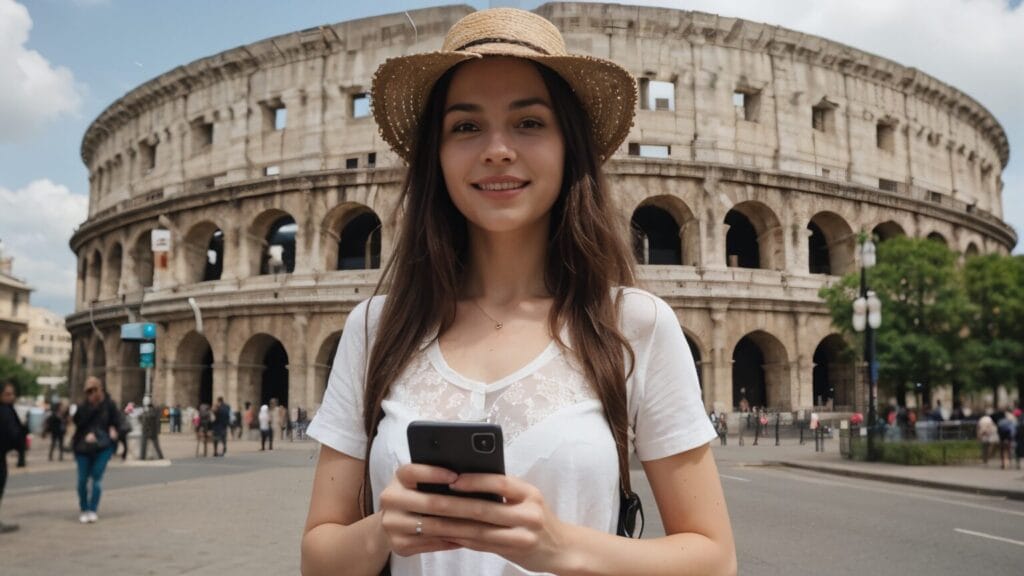
The Colosseum is the most iconic ancient structure in the world and a non-negotiable on any Rome itinerary. Built in AD 72–80 under Emperor Vespasian, it seated 50,000 spectators and hosted gladiatorial contests, animal hunts, and public spectacles for four centuries.
Advertisement
Practical details:
- Ticket price: €16–18 for the combined Colosseum + Roman Forum + Palatine Hill ticket. This gets you into all three sites on the same day.
- Book online. The Colosseum sells out, especially in summer. Buy skip-the-line tickets at least 3–5 days ahead, more in July–August.
- Best arrival time: 8am when it opens, or after 4pm when tour groups thin out. Midday is a furnace and a crush.
- Time needed: 1.5–2 hours for the Colosseum interior, another 1–2 hours for the Roman Forum below.
- Underground and arena floor: Premium add-ons (€22–30) — worth it if you want the underground tunnels where animals were kept.
The Roman Forum is included in the same ticket. Walk through the heart of ancient Rome — the Temple of Saturn, the Arch of Titus, the Via Sacra. It's easy to spend two hours here without realising it.
Palatine Hill sits directly above the Forum. This is where the emperors built their palaces and where Rome was traditionally founded. The views over the Forum and Circus Maximus are excellent.
Booking links:
Colosseum Priority Tickets — Tiqets
Advertisement
Colosseum + Roman Forum + Palatine Hill — GetYourGuide
2. Vatican Museums and Sistine Chapel
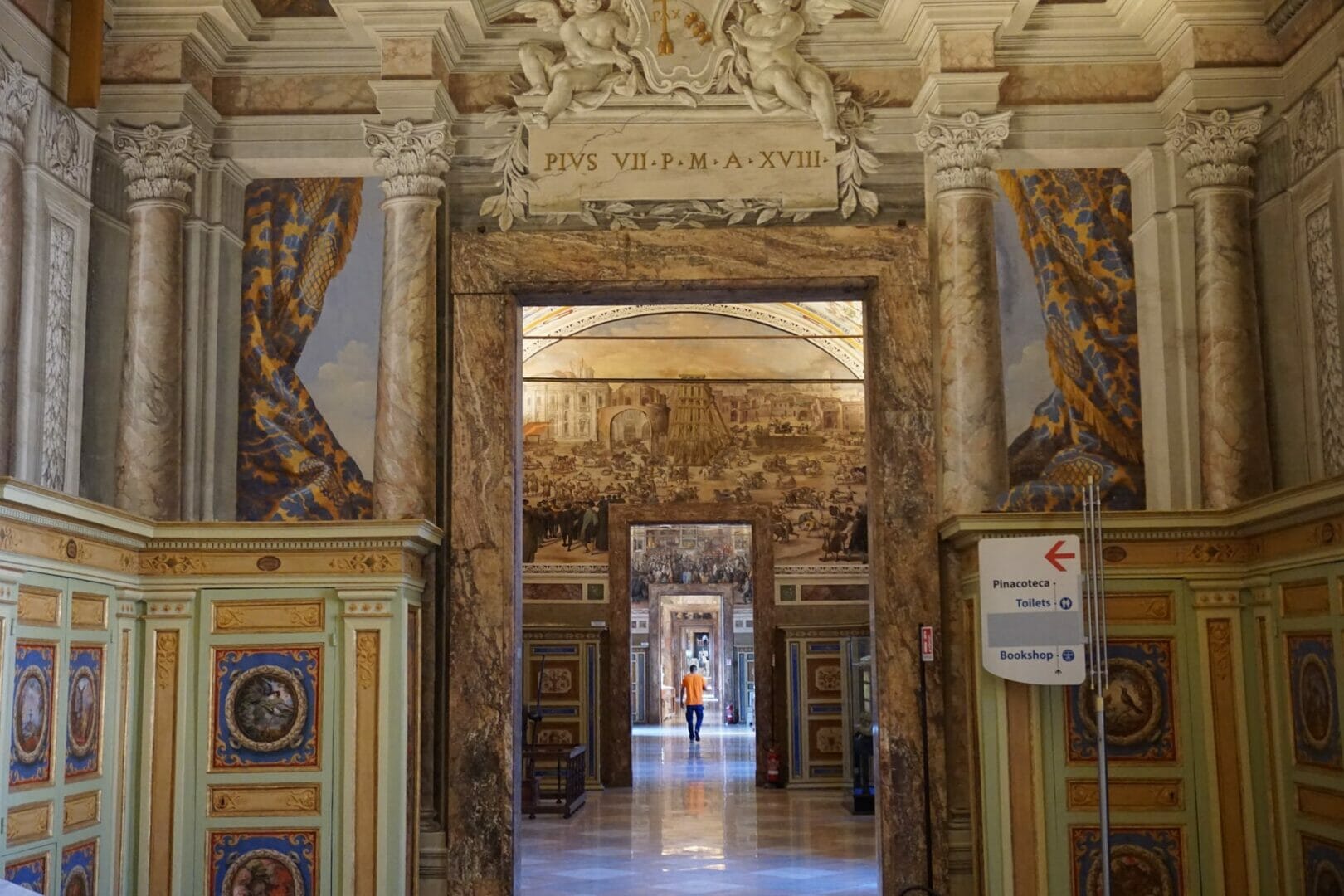
The Vatican Museums house one of the greatest art collections in the world — 54 galleries, 7 miles of corridors, roughly 70,000 works. Most visitors come for two things: Raphael's Rooms and Michelangelo's Sistine Chapel.
The Sistine Chapel ceiling — painted between 1508 and 1512 — is more detailed and more startling in person than any photograph conveys. The Last Judgement on the altar wall was added later, in 1536–41. You are not allowed to take photos inside the chapel itself, and guards enforce it.
Practical details:
Advertisement
- Ticket price: €17 standard entry online (€20 with audio guide). Cash at the door costs more and involves a long queue.
- Book 2–3 weeks ahead in peak season (April–October). This is not hyperbole — the Vatican Museums sell out weeks in advance during summer.
- Best time: Tuesday to Thursday, 9am opening. Friday afternoons are quieter. Avoid Wednesday mornings when the Pope gives his general audience in St Peter's Square — the area is mobbed.
- Time needed: 2.5–4 hours minimum. The museums are vast and exhausting. If you are short on time, book a guided tour that skips the slower galleries and gets you to the Sistine Chapel efficiently.
- Last Sunday of every month: Free entry. Be warned — queues form from 6am and the museum is dangerously crowded.
Booking links:
Vatican Museums + Sistine Chapel — Tiqets
Vatican Museums Skip-the-Line — GetYourGuide
3. St Peter's Basilica and the Dome
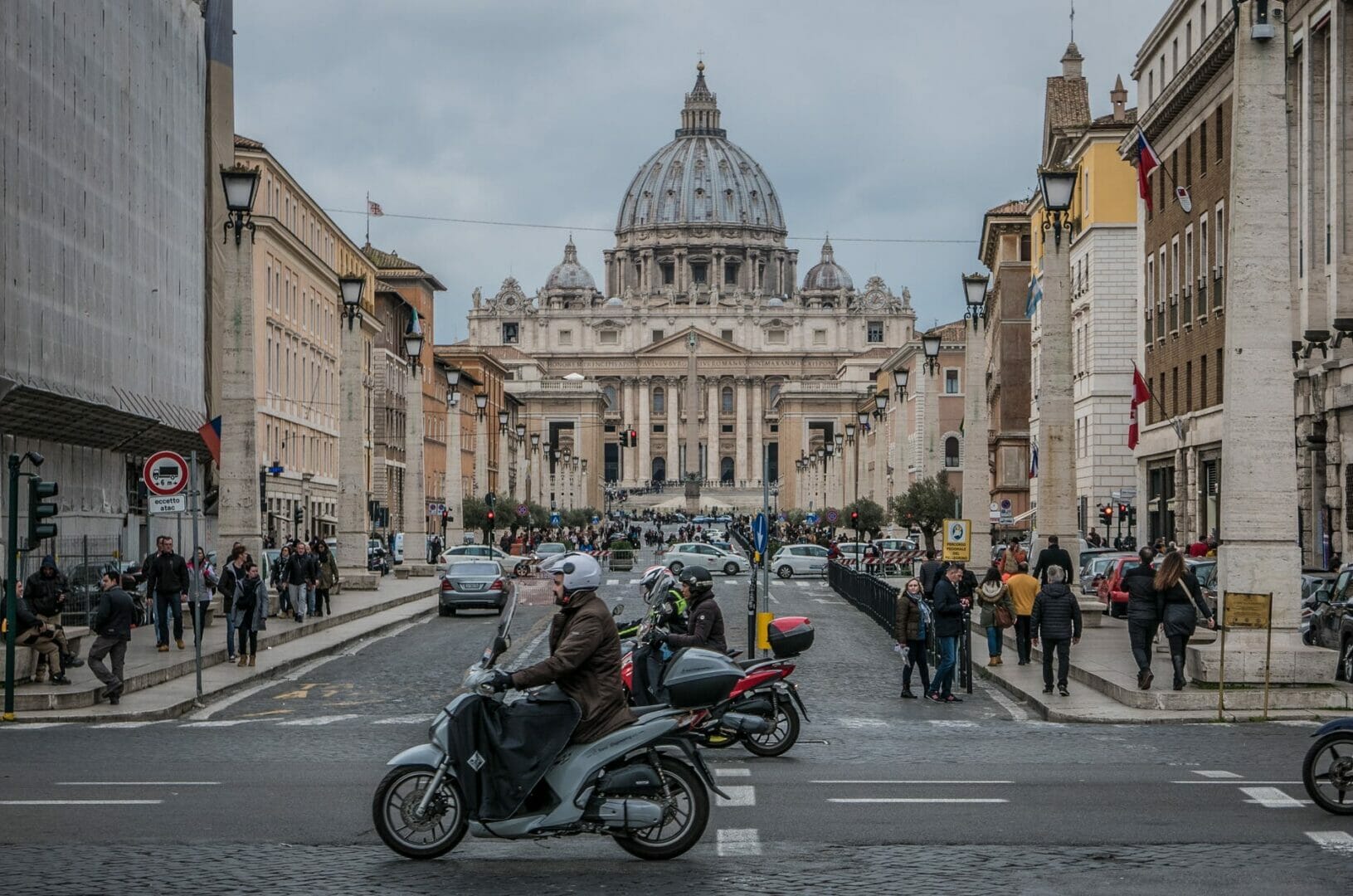
St Peter's Basilica is the largest church in the world and one of the most architecturally ambitious buildings humans have ever constructed. Entry to the basilica itself is free — which makes it one of Rome's greatest bargains. The interior is staggering: Michelangelo's Pietà is behind bulletproof glass to the right of the entrance, Bernini's bronze baldachin rises 30 metres over the papal altar, and the scale of everything makes you feel very small.
Advertisement
The dome climb:
- €8 to climb 551 steps to the top (via stairs only)
- €10 to take the lift partway and climb the remaining 320 steps
- Views over St Peter's Square, the Vatican Gardens, and all of Rome are worth every step
- Get there early — the line to climb grows throughout the day
Practical details:
- Dress code is strict. No shorts, bare shoulders, or sleeveless tops for either men or women. Cover up or you will be turned away.
- Security queues can be 30–60 minutes. Visit early (before 9am) or late afternoon.
- The basilica is closed during papal masses — check the Vatican website before you go.
- No ticket needed for the church itself. Guided tours cost extra and are worth it if you want context.
Booking links:
St Peter's Basilica Tickets — Tiqets
St Peter's Skip-the-Line Guided Tour — GetYourGuide
Advertisement
4. Trevi Fountain
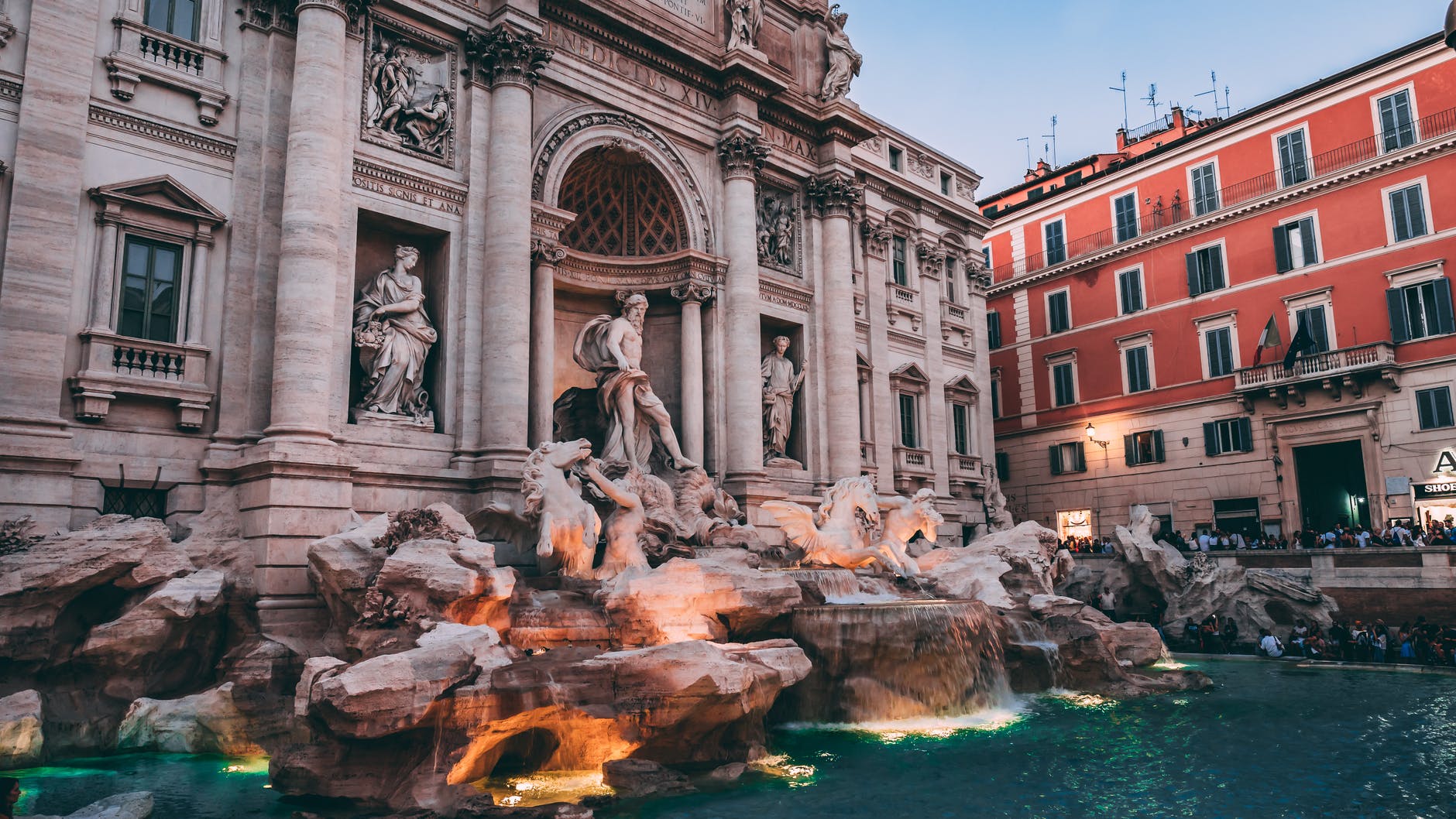
The Trevi Fountain is free to visit, 26 metres tall, and genuinely spectacular — Nicola Salvi's Baroque masterpiece built in 1762 at the junction of three ancient Roman aqueducts. The coin-throwing tradition (throw one coin to ensure a return to Rome, two to fall in love) dumps around €1 million a year into the fountain, which all goes to charity.
The honest truth about the crowds: Between 9am and 10pm, this is one of the most packed public spaces in Europe. You will be standing shoulder to shoulder with thousands of people and will struggle to get near the edge.
When to visit:
- 6am: Quiet, golden light, almost no one there. Worth the early alarm.
- After midnight: Surprisingly peaceful, with a different kind of atmosphere.
- Avoid: 10am–9pm in summer. You will see the fountain, but you will not enjoy it.
Practical details:
- Entry is free. No booking required.
- Nearest metro: Barberini (Line A), 5 minutes' walk
- The surrounding streets (Via della Croce, Via del Corso) are good for gelato and quick bites — but prices near the fountain are inflated. Walk two streets back for normal prices.
5. The Pantheon
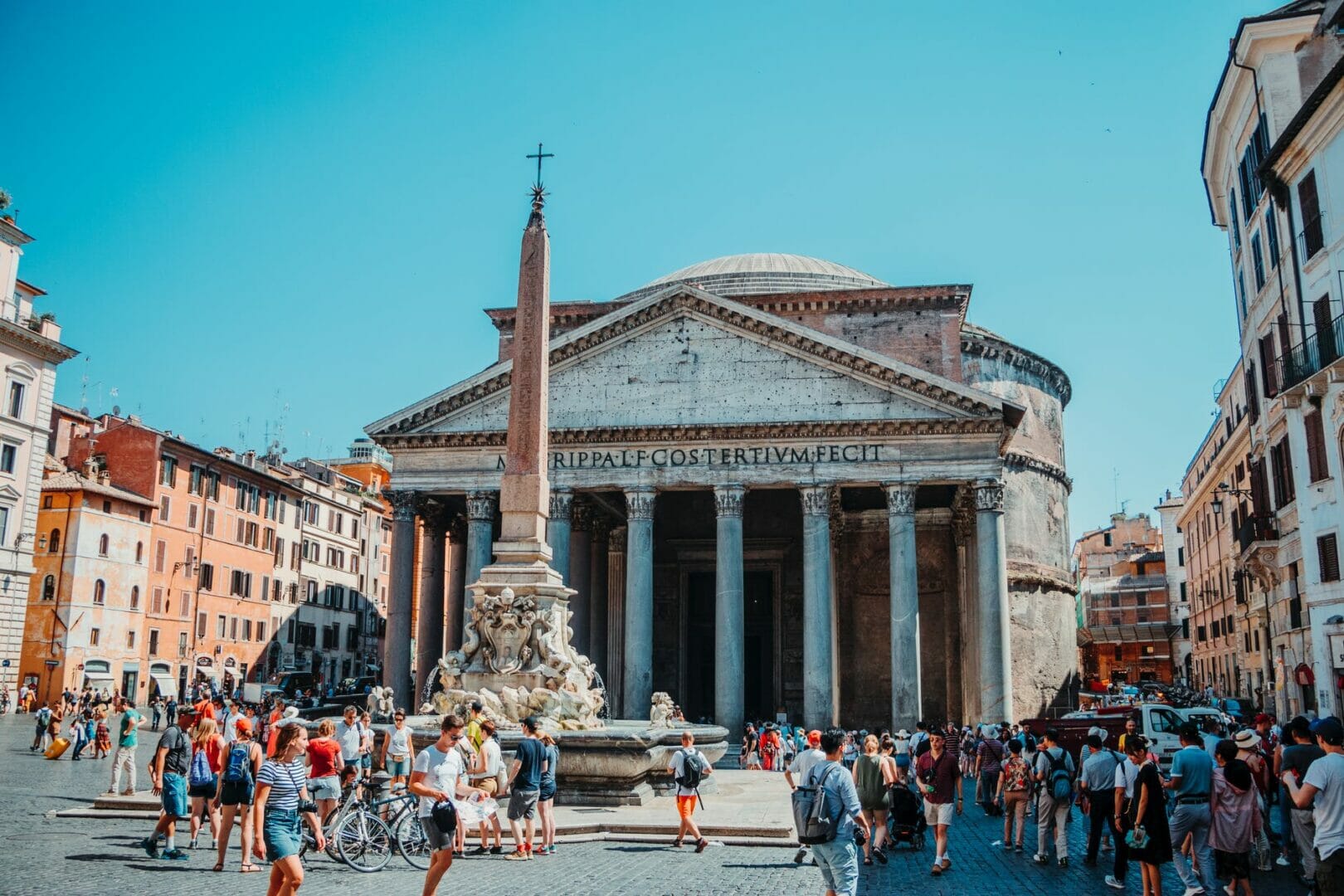
The Pantheon is the best-preserved ancient building in the world. It has been in continuous use for nearly 2,000 years — originally a Roman temple dedicated to all gods, then a Catholic church from 609 AD, and now a monument and active church in one. The concrete dome — 43 metres in diameter, open to the sky at the top through the oculus — was the largest in the world for 1,300 years and remains an engineering mystery: nobody is entirely sure how the Romans built it.
Since 2023, entry is no longer free. The ticket costs €5 — a recent change that caught many travellers off guard. Timed entry slots are in place. There is an audio guide app (Vox) available for an additional fee.
Practical details:
- Open Monday–Saturday 9am–7:30pm, Sunday 9am–6pm
- Entry: €5 (timed slots — book online to guarantee your preferred time)
- Mass is held on Sundays; access may be restricted
- The Pantheon contains the tombs of Raphael and several Italian kings, including Victor Emmanuel II
- Note: The square outside (Piazza della Rotonda) is free to sit in. The nearby fountain is 16th century. Café Sant'Eustachio, a five-minute walk, serves some of Rome's best coffee.
6. Borghese Gallery
The Borghese Gallery is Rome's best museum that most first-time visitors skip — a serious mistake. The collection was assembled by Cardinal Scipione Borghese in the early 17th century and includes an extraordinary concentration of Bernini sculptures (Pluto and Persephone, Apollo and Daphne, David) alongside Caravaggio paintings and a Canova Venus.
Timed entry is mandatory. The gallery admits only 360 people every two hours to protect the collection. Slots sell out weeks ahead, especially April–October. This is not a "book a few days before" situation.
Practical details:
- Entry: €15 + €2 booking fee
- Visit duration: 2 hours exactly — your slot is timed and enforced
- Book: At least 2 weeks ahead in peak season. The official booking system is fiddly; Tiqets and GetYourGuide are easier options.
- Location: Inside Villa Borghese Gardens — a large public park free to walk through. Combine with a picnic lunch in the gardens.
- Getting there: Tram 3 to Museo Borghese, or a 20-minute walk from Barberini or Spagna metro
Borghese Gallery with Escorted Entrance — GetYourGuide
Borghese Gallery Tickets — Tiqets
7. Trastevere Neighbourhood
Trastevere is where you go when you've had enough of monuments and want to remember why you love Rome. The neighbourhood — west of the Tiber, south of the Vatican — is a tangle of medieval streets, ochre and terracotta buildings, ivy-covered doorways, and some of the best restaurants in the city.
It's completely free to wander. The only cost is what you spend on food and wine.
What to do here:
- Dinner: This is the right time to come. Walk the main drag (Viale di Trastevere) and dive into the side streets. Da Enzo al 29, Tonnarello, and Grazia and Graziella are reliable options. Expect €12–20 for pasta, €15–25 for a main. House wine by the carafe is cheap and good.
- Basilica di Santa Maria in Trastevere: Free to enter. 12th-century mosaics on the façade and interior apse. One of the most beautiful early medieval churches in Rome.
- Piazza di Santa Maria in Trastevere: The social heart of the neighbourhood — fountain, outdoor restaurant tables, locals and tourists mixed. Best in the evening.
- Afternoon: The neighbourhood is quieter and photogenic during the golden hour before dinner service starts.
8. Piazza Navona
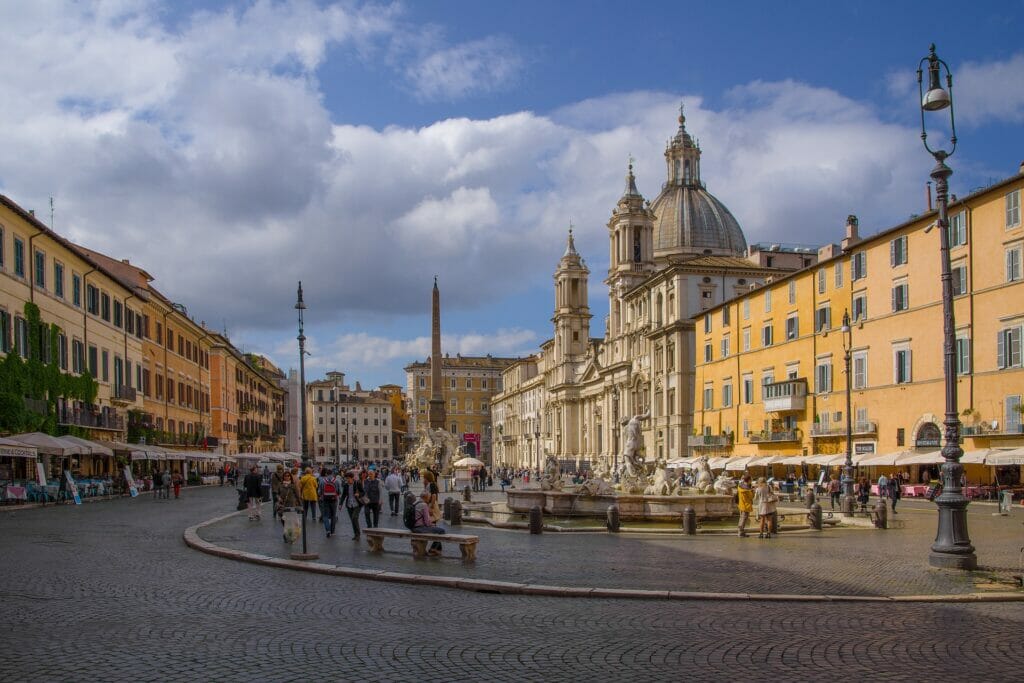
Piazza Navona is one of Rome's great public spaces — a long oval built on the footprint of the ancient Stadium of Domitian (86 AD). Three fountains anchor the piazza, the greatest of which is Bernini's Fountain of the Four Rivers (1651): four colossal river gods representing the Nile, Danube, Rio de la Plata, and Ganges, all in theatrical Baroque motion.
Entry is free. The square is always animated — street artists, cafés, and a Christmas market in December that draws over a million visitors.
Practical notes:
- Café prices on the piazza are tourist-inflated. €4–5 for an espresso is not unusual. Walk one street back for normal prices.
- Closest to: Pantheon (10-minute walk), Campo de' Fiori (5 minutes)
- Best time: Morning before the tour groups arrive, or late evening
9. Campo de' Fiori Market
Campo de' Fiori ("Field of Flowers") is Rome's most atmospheric morning market. Every day from roughly 7am to 2pm, the square fills with vegetable stalls, flower sellers, cheese vendors, cured meat stands, and street food. It's free to browse.
This is a working market, not a tourist show — though it's become popular enough that prices are higher than at Rome's neighbourhood markets. Come for the atmosphere and a breakfast snack rather than serious shopping.
The square itself is dominated by a statue of Giordano Bruno, a philosopher burned at the stake here by the Inquisition in 1600. The contrast between the cheerful market and that history is very Roman.
In the evening: Campo de' Fiori transforms into one of Rome's busiest nightlife squares, with bars, outdoor drinking, and a younger crowd.
10. Castel Sant'Angelo
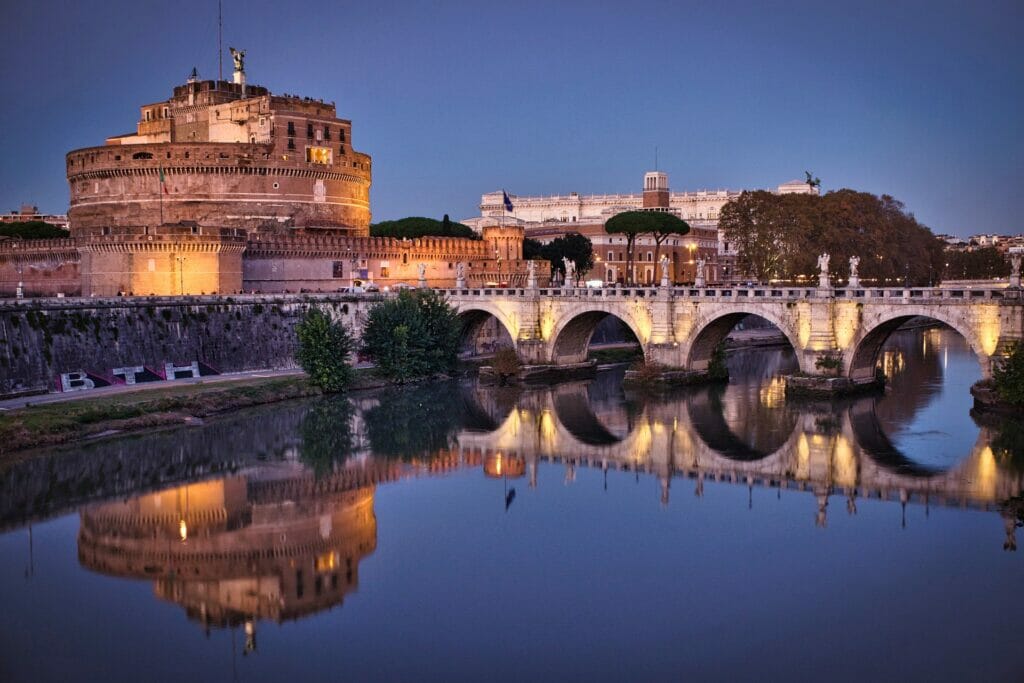
Built as a mausoleum for Emperor Hadrian in AD 123–139, Castel Sant'Angelo was later converted into a papal fortress, a prison, and now a national museum. A covered passageway — the Passetto di Borgo — connects it directly to the Vatican, used by popes fleeing danger, most famously during the Sack of Rome in 1527.
The rooftop terrace gives panoramic views over the Tiber, St Peter's, and Rome's rooftops — arguably the best 360-degree view in the city.
Practical details:
- Entry: €16
- No advance booking required, though weekends can be busy
- The Angel Bridge (Ponte Sant'Angelo) leading to the castle is lined with Bernini-designed angel statues — worth photographing from the bank below rather than mid-bridge
- Evening lighting makes this especially atmospheric
Castel Sant'Angelo Tickets — Tiqets
Holy Tour of Castel Sant'Angelo + Vatican — GetYourGuide
11. Capitoline Museums
The Capitoline Museums are the world's oldest public museums, founded in 1471 when Pope Sixtus IV donated ancient bronzes to the people of Rome. They sit on Capitoline Hill above the Forum, in palazzos arranged around a piazza designed by Michelangelo.
The star attraction is the Marcus Aurelius equestrian statue (the one outside is a replica; the original is inside, protected). There's also the Capitoline Wolf, the enormous fragments of Constantine's colossal statue, and a rooftop café with direct views over the Roman Forum.
Practical details:
- Entry: €15
- Open Tuesday–Sunday, 9:30am–7:30pm. Closed Monday.
- Audioguide available for €6
- Allow 2–3 hours
12. Appian Way and Catacombs
The Via Appia Antica — built in 312 BC — is one of the world's oldest roads, running south from Rome to Brindisi. The section near Rome passes ancient tombs, ruins of Roman villas, and the Catacombs of San Callisto and San Sebastiano: underground Christian burial networks with miles of tunnels.
Practical details:
- The Appian Way itself is free to walk
- Catacomb entry: €8–10 per site, guided tour only (no independent access to the tunnels)
- Combine with Circus Maximus (free, 5 minutes from the Colosseum end of the Appian Way)
- Best visited by renting a bike from the Parco Appia Antica visitor centre at weekends, when the road is closed to cars
Best Neighbourhoods to Stay
Trastevere — Most atmospheric, best restaurants, slightly far from major monuments but excellent transport connections.
Prati — The neighbourhood immediately north of the Vatican. Calm, residential, great for the Vatican complex. Good mid-range hotels.
Monti — Hip, central neighbourhood between the Colosseum and the Termini station area. Rome's equivalent of a trendy village: independent boutiques, wine bars, aperitivo culture. Excellent location for first-time visitors.
Centro Storico (Historic Centre) — Staying near the Pantheon or Piazza Navona is expensive but puts you within walking distance of most sights.
Rome Pass: Is It Worth It?
The Rome Pass (€32 for 48 hours, €52 for 72 hours) includes free entry to two museums and discounted entry to others, plus unlimited metro/bus travel.
The verdict: usually not worth it. The maths only work if you're visiting multiple paid museums on consecutive days. The Colosseum and Borghese Gallery require advance timed bookings that exist independently of the Rome Pass. The Vatican Museums are not included at all.
For most visitors, booking attractions individually gives you more flexibility and often works out cheaper. The only scenario where the Rome Pass makes sense: a Rome-only trip of 3+ days where you plan to hit the Capitoline Museums, Castel Sant'Angelo, and several smaller museums on top of the big sites.
Practical Tips for Rome
Getting around: Rome's historic centre is walkable — most major sites are within 3km of each other. The Metro (Lines A and B) is useful for the Vatican, Termini, and a few outlying areas, but doesn't cover much of the tourist zone. Buses run everywhere but are slow and crowded. Walking is almost always faster for anything within the Aurelian Walls.
Water: Rome has hundreds of nasoni — small public drinking fountains throughout the city. The water is destination safety index and cold. Fill a bottle and drink from these rather than buying plastic bottles.
Gelato: Gelaterie near major monuments charge €3–5 for a small scoop. Walk two streets back and pay €1.50–2. Look for natural colours (pistachio should be green-grey, not bright green) and gelato stored in covered metal containers — signs of the real thing.
Eating: Avoid anywhere with photos on the menu or a host standing outside trying to attract you. The best trattorie have handwritten menus and fill up with locals by 8pm.
Pickpocketing: Busy tourist spots — the Colosseum, Vatican area, Trevi Fountain, metro — attract pickpockets. Keep bags in front, don't use phone in back pocket, be aware near Termini station.
FAQ: Things to Do in Rome
How many days do you need to see Rome?
A minimum of 3 full days to cover the must-see sites without rushing — the Colosseum + Forum + Palatine Hill (full day), Vatican Museums + St Peter's (full day), and a wander through the historic centre with the Pantheon, Trevi Fountain, and Piazza Navona (full day). Five days is more comfortable and lets you explore Trastevere, the Borghese Gallery, and Castel Sant'Angelo properly.
When is the best time to visit Rome?
April–May and September–October offer the best balance of weather and manageable crowds. July–August is extremely hot (35°C+), crowded, and expensive. January–February is quiet, cold, and significantly cheaper — a good option if weather doesn't matter.
Is Rome expensive?
The major monuments cost €5–20 to enter. Food costs range from €1.50 for a coffee at a bar to €25 for a full sit-down dinner. Rome can be done affordably if you avoid tourist-trap restaurants near major sights. travel budget calculator around €80–120 per person per day including accommodation, entry fees, food, and transport.
Do you need to book Rome attractions in advance?
For the Colosseum, Vatican Museums, and Borghese Gallery — yes, always book in advance, especially April–October. For the Pantheon, timed entry slots exist but rarely sell out. Most other attractions (Castel Sant'Angelo, Capitoline Museums, Spanish Steps, Piazza Navona) don't require booking.
Is the Vatican worth it?
Yes — the Sistine Chapel alone justifies the visit. But book in advance. Walking in without a reservation means queuing in the street for 1–2+ hours and paying more at the door. The Vatican Museums are one of the most significant art collections on earth, and they reward a slow visit.
What is included in the Colosseum ticket?
The standard Colosseum ticket (€16–18) includes entry to the Colosseum, Roman Forum, and Palatine Hill — all three sites on the same day. Underground and arena floor access costs extra (€22–30). The ticket is timed for the Colosseum but gives flexible access to the Forum and Palatine.
Is the Pantheon free any more?
No. Since 2023, the Pantheon charges €5 admission. Timed entry is in place. It was free for many years, so some older guides and websites still say it's free — check before you go.
What is the best area to stay in Rome?
For first-time visitors: Monti (central, great atmosphere, walking distance to Colosseum) or Prati (calm, good value, close to Vatican). Trastevere is more atmospheric and better for food. The historic centre (near the Pantheon) is convenient but expensive.
Rome is the kind of city that punishes people who try to do too much. Pick your priorities, book the monuments that require it, and leave room to get lost. The best hours in Rome are often the ones not in any guide.
If you found this useful, check out our Italy travel guide or our breakdown of Vatican City tips for a deeper dive on the Vatican complex.
Save More
Save 5% on activities
Use code CHASINGWHEREABOUTS5 in the GetYourGuide app.
Book this exact experience in GetYourGuide appGet Travel Tips in Your Inbox
Join 5,000+ travelers. Get exclusive itineraries, honest reviews, and budget hacks once a week.
No spam. Only high-quality travel advice. Unsubscribe anytime.