Disclosure: Chasing Whereabouts is reader-supported. This guide contains affiliate links to partners like Tiqets, GetYourGuide, Viator and Headout. If you make a purchase through these links, we may earn a small commission at no extra cost to you. This helps us continue providing free, first-hand travel guides. Thank you for your support!
Travelling is an exhilarating adventure that exposes us to new cultures, cuisines, experiences and people. However, for those of us who have embraced intermittent fasting as part of our daily routine, the idea of maintaining this habit while exploring Europe can be a bit daunting.
As a person who performs intermittent fasting and loves to travel, I’ve often wondered whether I should stick to my faster schedule or give way to each country's culinary pleasures. Let’s explore the pros and cons of intermittent fasting while travelling and how to find that perfect balance.
Pros of intermittent fasting while travelling
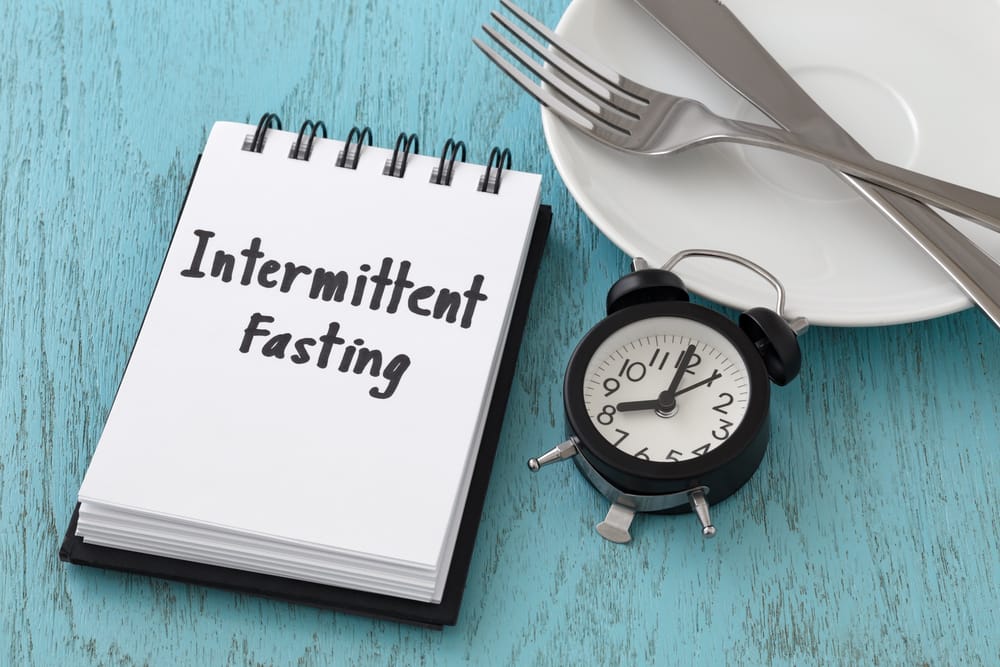
Possible weight management
One of the primary benefits of intermittent fasting is its Intermittent Fasting. Trying local dishes and treats can be tempting when you're on the go in Europe. By adhering to your fasting schedule, you can offset some of the extra calories consumed during indulgent meals.
Increased focus on exploring
Intermittent fasting can provide a sense of structure to your day. By abstaining from food during certain hours, you may focus more on exploring Europe's beautiful cities and attractions rather than constantly thinking about where your next meal will come from.
Advertisement
Save money
Most European cities are known for being expensive, so the cost of dining out can quickly add up, especially in popular tourist destinations. Intermittent fasting can be a travel budget calculator-friendly strategy. By shortening your eating window, you typically reduce the number of meals you need to purchase, which can result in considerable savings over the course of your trip.
You can adjust your fasting times
One significant advantage of intermittent fasting while travelling is flexibility. You can adapt your fasting window to align with local meal times. For example, if you’re in Spain, where they often serve dinner later in the evening, you can shift your fasting period accordingly to enjoy breakfast and lunch but skip dinner.
Additionally, you can shorten your fasting window just for the time you’re away. For example, if you usually do 16:8 fasting, where you fast for 16 hours and consume meals during an eight-hour window, you can shift it to 12:12, where you fast for 12 hours and consume food during a 12-hour period. I typically make it to the 12-hour mark before caving.
It’s not the end of the world though, I just go back to my routine when I'm home again.
Cons of intermittent fasting while travelling
Missing out on culinary experiences
Europe is renowned for its diverse and exciting cuisines. From paella and gyros to tapas and mezze - there are plenty of options and always something new and exciting to try. Intermittent fasting may limit your ability to fully immerse yourself in the local food culture.
Advertisement
You might miss out on iconic dishes like pizza and pasta in Italy, Top Dishes To Try In Paris or beer and bratwurst in Germany.
Missing out during social events
Food is often central to socializing and connecting with others. While travelling, you may want to share meals and experiences with fellow travellers or locals. Intermittent fasting might make it more challenging to participate in these social interactions.
Dietary restrictions
Some destinations may have limited food options during your fasting window, especially in smaller towns or off-the-beaten-path locations. In Mediterranean countries, like Spain and Italy, siestas are popular.
During a siesta, which typically occurs every day between 2 p.m.- 4 p.m., shops and restaurants will close while the locals have their daily naps. This practice could make finding food challenging if your eating period lies within this window.
You might get hangry
It’s no secret that hunger can sometimes lead to irritability - I’m guilty of this myself. There may be moments when you are frustrated due to hunger pangs. These moments can be challenging if you’re trying to make the most of your trip. You want to be energized and relaxed on your trip, so combat this by carrying snacks just in case.
Advertisement
You could still gain weight
While intermittent fasting can be an effective weight management strategy, it doesn’t always guarantee automatic weight loss. You may still eat in a calorie surplus even though you’ve reduced your eating window.
Allowing yourself to go hungry throughout the day might lead to binging on dinner and desserts later in the day. You’ll need to be in a deficit of Intermittent Fasting Rules to lose weight while intermittent fasting.
Finding a middle ground
Balancing intermittent fasting with the desire to savour European cuisine requires some thoughtful planning. Here are some tips to help you strike a balance:
-
Adjust your fasting window: Consider altering your fasting schedule to fit the local meal times better. This way, you can enjoy the food while adhering to your fasting regimen.
-
Flexible fasting: Allow yourself some flexibility during your travels. While strict adherence is admirable, it’s also okay to relax your fasting rules occasionally to enjoy local delicacies fully.
Advertisement
-
Prioritize experiences: Remember that travelling is about experiences, and food is an integral part of that. Don’t let fasting rules hinder your ability to immerse yourself in the culture and cuisine.
-
Stay active: Most European cities are very walkable, and I tend to walk between 20,000 and 30,000 steps a day - way more than I typically do at home. Counterbalance indulgent meals with physical activity. Walk, bike or hike to explore these cities, as it’s a great way to get to know the area Churches And Cathedrals In Toledo you might miss if you drive.
-
Remember to hydrate: Drink plenty of water during the day, especially if you’re walking a lot. Carry a reusable water bottle to fill it up at fountains throughout the day.
Balance is key
As a traveller who performs intermittent fasting, I've realized that balancing my routine and indulging in local cuisine is essential for a fulfilling travel experience. It’s important to remember while intermittent fasting has its benefits, so does savouring the unique flavours of Europe.
Being flexible and mindful lets you make the most of your adventure without feeling restricted by your fasting schedule – it’s very possible to practice intermittent fasting while travelling.
Advertisement
Save More
Save 5% on activities
Use code CHASINGWHEREABOUTS5 in the GetYourGuide app.
Book this exact experience in GetYourGuide appGet Travel Tips in Your Inbox
Join 5,000+ travelers. Get exclusive itineraries, honest reviews, and budget hacks once a week.
No spam. Only high-quality travel advice. Unsubscribe anytime.