
Disclosure: Chasing Whereabouts is reader-supported. This guide contains affiliate links to partners like Tiqets, GetYourGuide, Viator and Headout. If you make a purchase through these links, we may earn a small commission at no extra cost to you. This helps us continue providing free, first-hand travel guides. Thank you for your support!
🇪🇺 This guide is part of our comprehensive Europe Travel Guide.
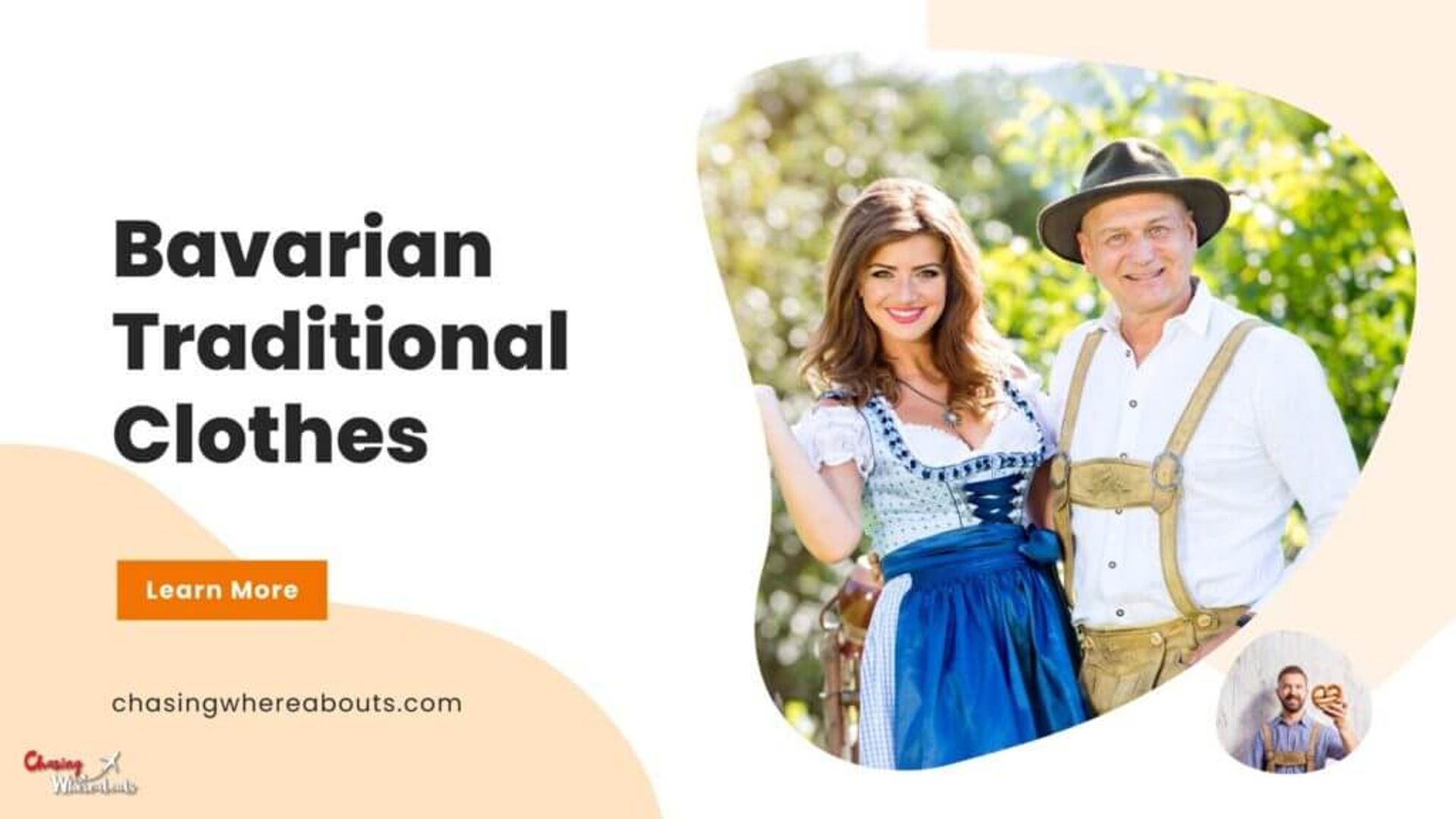
The Bavarian traditional clothes, collectively known as Tracht, are a vibrant expression of the region's cultural identity. These outfits, which include a variety of styles, are not only worn during festive occasions but also reflect the rich history and craftsmanship of Bavarian heritage.
Among the most recognized forms of Tracht are the Dirndl for women and Lederhosen for men, each with its unique characteristics and significance.
In this post, I am going to talk about Traditional Bavarian Clothing so that you are well informed about it before visiting Germany this October Fest :P
Advertisement
If you have watched Watch where I visited Munich during the October Fest you will see so many people in traditional Bavarian clothes and in this guide, we will see further that how much these clothes cost.
What is Tracht?
Tracht (pronounced trahkt) refers to traditional Bavarian clothing worn during festivals, weddings, and cultural celebrations. It includes dirndls for women, lederhosen for men, and accessories like hats and aprons. Rooted in 18th-century peasant workwear, Tracht evolved into a symbol of Bavarian pride, blending history with modern fashion.
Exploring the Dirndl
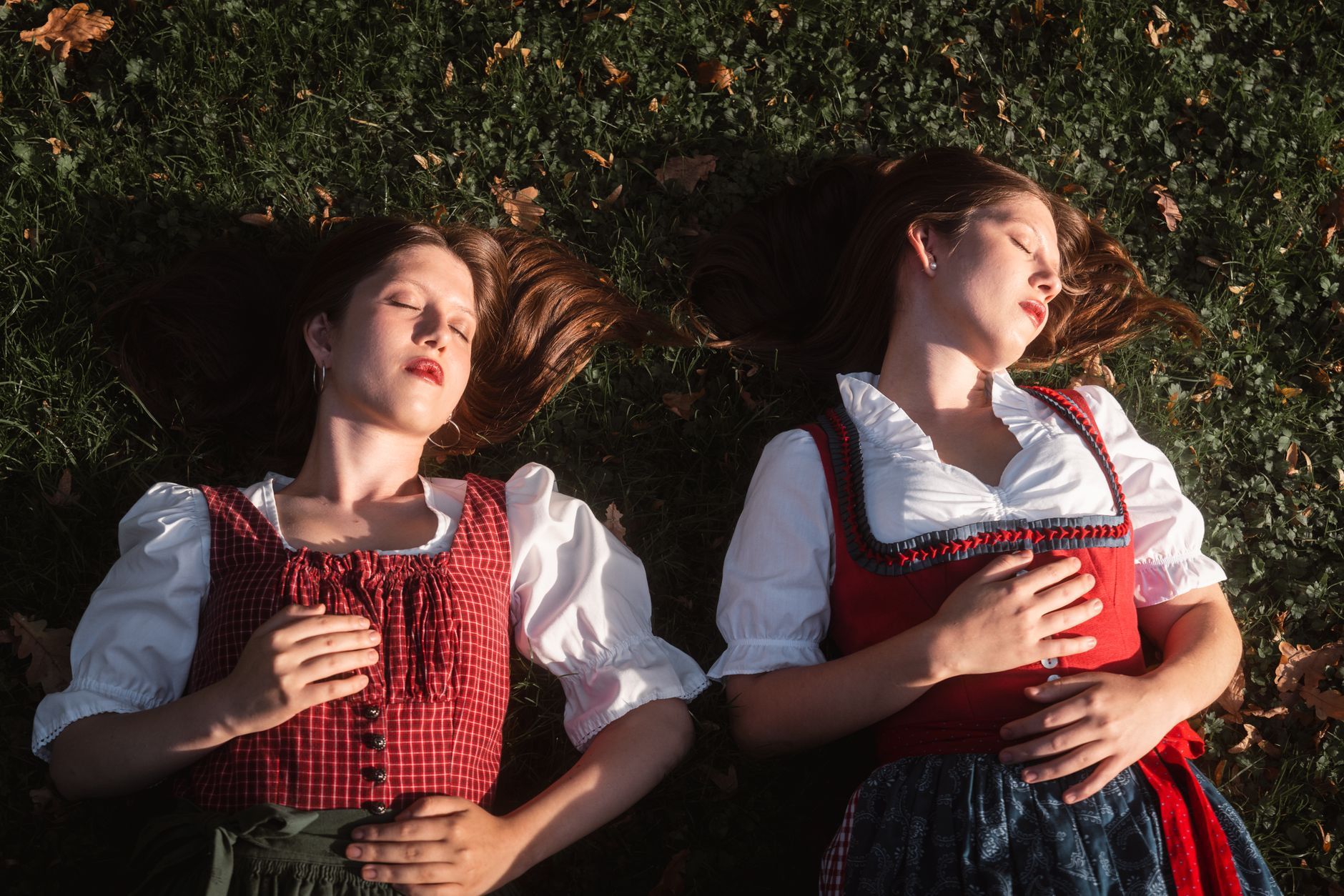
The Dirndl is a quintessential piece of women's traditional wear in Bavaria. This dress is characterized by its fitted bodice, full skirt, and decorative apron. The Dirndl not only serves as a fashion statement but also carries cultural significance, often indicating the wearer’s marital status based on how the apron is tied:
Advertisement
-
Left Side: Tied on the left indicates that the wearer is single.
-
Right Side: Tied on the right signifies that the wearer is in a relationship or married.
-
Center: Tied in the center suggests that the wearer is a virgin.
Key Features of the Dirndl
-
Bodice: The upper part of the dress, often adorned with decorative laces or buttons that enhance its appeal.
-
Skirt: A wide, flowing design that typically falls below the knee, allowing for both elegance and comfort.
Advertisement
-
Apron: A crucial element that adds style and functionality, often featuring pockets for convenience.
-
Accessories: Dirndls are frequently paired with blouses, shawls, and traditional jewelry to complete the ensemble.
The Bavarian Style Hat: Types, History, and How to Wear It
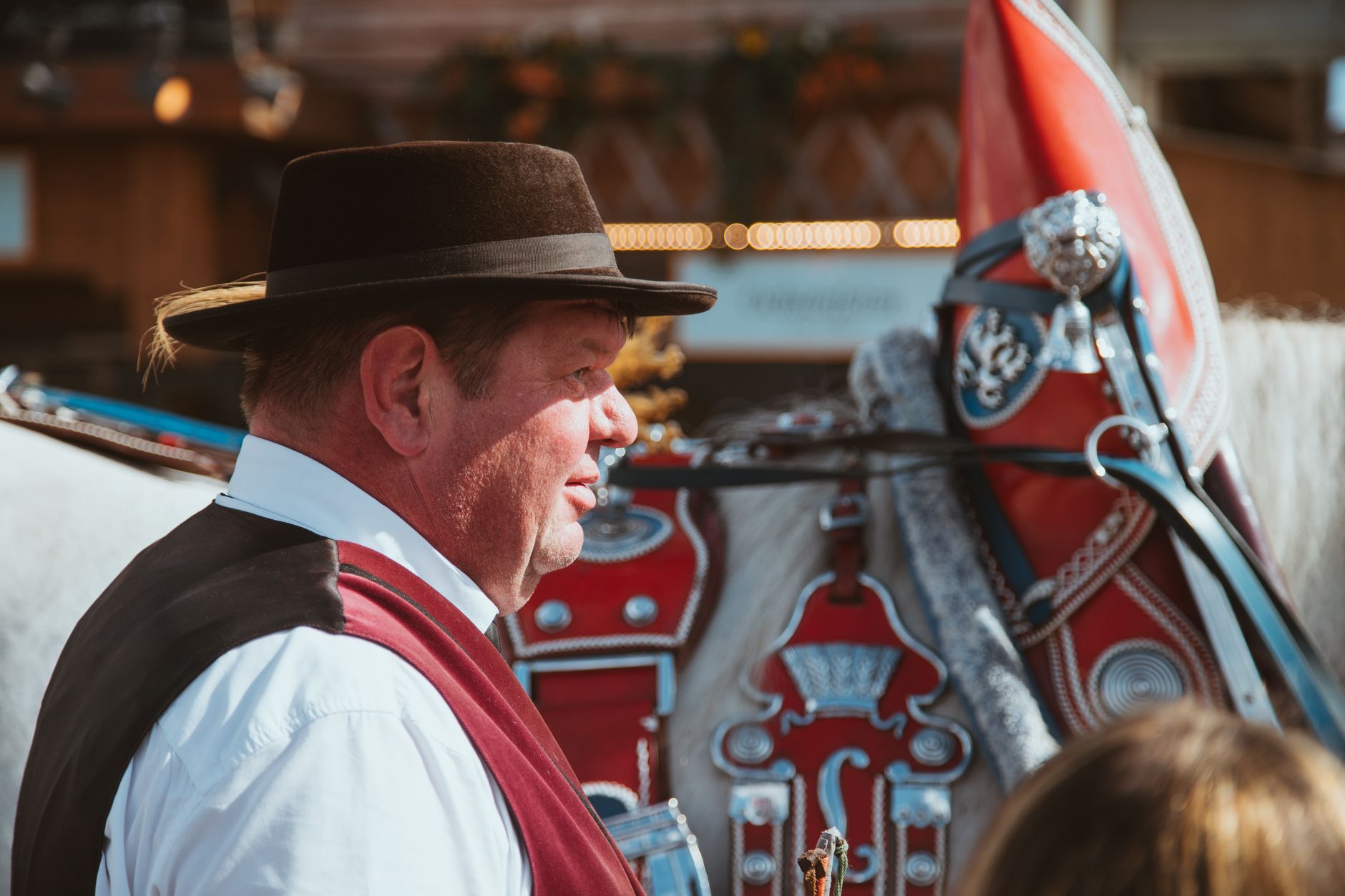
The Bavarian style hat, often called a Tyrolean hat or Alpine hat, is an iconic symbol of Bavarian culture. These hats are more than accessories—they reflect regional pride and tradition.
Types of Bavarian Hats
Advertisement
-
Tyrolean Hat: Classic felt hat with a narrow brim, often adorned with feathers, pins, or a Gamsbart (chamois hair tuft).
-
Alpine Hat: Sturdy wool or felt design for colder regions, featuring ear flaps.
-
Festival Hats: Elaborate versions with embroidery, worn during Oktoberfest.
Cultural Significance
-
Historically worn by hunters and farmers for practicality.
Advertisement
-
Today, they symbolize Bavarian identity at festivals like Oktoberfest.
-
Regional variations: Munich styles are minimalist, while Alpine villages use bold designs.
How to Style a Bavarian Hat
-
Traditional Look: Pair with lederhosen/dirndl, suspenders, and Haferl shoes.
-
Modern Twist: Wear with jeans and a checkered shirt for casual flair.
-
Occasions: Oktoberfest, weddings, folk festivals.
Where to Buy Authentic Hats
- Local boutiques in Bavaria (e.g., Lodenfrey in Munich).
Understanding Lederhosen
Lederhosen, the iconic leather breeches, are the male counterpart to the dirndl and a fundamental part of Bavarian tracht. These aren't just any shorts; they're typically made from deer or goat leather, which makes them incredibly durable and, with time, surprisingly comfortable. When I first saw them, I was struck by the intricate embroidery, often featuring oak leaves or edelweiss, which tells a story of craftsmanship and regional pride.
If you're considering a pair for Oktoberfest or another Bavarian celebration, remember that authentic lederhosen are an investment. They're meant to last a lifetime, developing a unique patina over years of wear. Don't be surprised if they feel a bit stiff at first; they truly mold to your body with wear, becoming a second skin. Pairing them with a traditional check shirt, wool socks, and sturdy Haferl shoes completes the classic Bavarian look.
Distinguishing Between Trachten Styles
| Aspect | Tracht | Dirndl | Lederhosen |
|---|---|---|---|
| Definition | General term for traditional Bavarian clothing. | A specific type of Tracht for women. | A specific type of Tracht for men. |
| Gender | Worn by both men and women. | Exclusively for women. | Exclusively for men. |
| Components | Includes various garments like jackets, hats, and more. | Consists of a bodice, skirt, and apron. | Typically includes shorts or trousers made of leather. |
| Occasions | Worn during festivals, weddings, and cultural events. | Commonly worn at festivals and special occasions. | Often worn during Oktoberfest and other celebrations. |
Embracing Bavarian Style
Embracing Bavarian style, whether it's a dirndl or lederhosen, is about more than just putting on a costume; it's about participating in a living tradition. When I first visited Munich, I was a bit hesitant, wondering if I, as a tourist, would look out of place. But I quickly learned that locals genuinely appreciate visitors who make an effort to wear the traditional tracht. It shows respect for their culture and adds to the festive atmosphere, especially during events like Oktoberfest.
My advice? Don't overthink it. Choose a dirndl or lederhosen that feels right for you and wear it with confidence. It's a fantastic way to immerse yourself in the Bavarian experience and connect with the local heritage. You'll find that wearing these traditional clothes often sparks conversations and makes for some unforgettable travel memories.
Choosing the Right Tracht for Different Occasions
When selecting traditional Bavarian attire, it's essential to consider the occasion. Here’s a guide to help you choose the right outfit:
| Occasion | Recommended Outfit | Accessories |
|---|---|---|
| Oktoberfest | Dirndl or Lederhosen | Traditional hats, decorative belts, and jewelry |
| Weddings | Elegant Dirndl or tailored Lederhosen | Floral accessories, elegant shoes, and matching bags |
| Cultural Festivals | Casual Tracht | Comfortable footwear, light shawls, and hats |
| Family Gatherings | Everyday Dirndl or Lederhosen | Simple accessories, comfortable shoes |

Pros and Cons of Wearing Tracht
Wearing tracht, whether it’s a beautiful dirndl or a sturdy pair of lederhosen, definitely has its upsides, especially if you're attending a festival like Oktoberfest. The biggest pro, for me, is the immediate sense of belonging and immersion. You instantly feel part of the celebration, and locals often respond with warmth and appreciation when they see you embracing their traditional costume. Plus, let's be honest, these outfits are incredibly photogenic and make for fantastic souvenirs from your Bavarian adventure.
However, there are a few things to consider. Authentic tracht, particularly a high-quality dirndl or lederhosen, can be a significant investment. While there are cheaper, often less durable, options available, a well-made traditional costume will cost a fair bit. Comfort can also be a factor; a properly fitted dirndl can feel restrictive if you're not used to it, and new lederhosen can be stiff until broken in. But for the experience, I'd say the pros far outweigh the cons!
Top Tips for Caring for Your Tracht
Caring for your tracht properly ensures it lasts for many Bavarian celebrations to come. For a dirndl, the key is often in caring for its individual components. The blouse and apron can usually be machine washed on a delicate cycle, but always check their specific care labels. The dirndl dress itself, especially if it has intricate embroidery or delicate fabrics, often requires dry cleaning to maintain its shape and color.
Lederhosen, on the other hand, are a different beast. They are rarely, if ever, washed. The beauty of lederhosen is that they are meant to age, developing character with every stain and scuff. For minor marks, a damp cloth might suffice, but generally, you let the leather tell its story. Storing both your dirndl and lederhosen in a breathable garment bag will protect them from dust and keep them fresh until your next traditional Bavarian outing.
Where to Buy Traditional Bavarian Clothing
When you're ready to invest in your own traditional Bavarian clothing, you have a few options, each with different price points. For authentic, high-quality tracht like a beautiful dirndl or durable lederhosen, I recommend visiting specialized Trachten stores in Munich or other Bavarian towns. These shops offer expert fitting and a wide selection, ensuring you get a traditional costume that truly suits you. Yes, they can be pricey, but you're paying for craftsmanship and longevity.
If you're looking for something more travel budget calculator-friendly, especially for a single Oktoberfest trip, you can find more affordable dirndls and lederhosen in department stores or even online retailers. Just be aware that the quality might not be as high, and the styles might be a bit more "costume-like" rather than genuinely traditional. For a complete look, don't forget to pick up a suitable blouse for your dirndl and perhaps a traditional apron to go with it.
How to Dress like Bavarian?
Dressing like a Bavarian for a festival like Oktoberfest is easier than you might think, especially once you understand the key components of the traditional costume. For women, the iconic dirndl is the centerpiece. This includes the dress itself, a crisp white or cream blouse worn underneath, and an apron tied over the skirt. The way you tie the apron bow actually signals your relationship status – left for single, right for taken, center for virgin, and back for widowed or a waitress!
For men, it's all about the lederhosen. Pair these traditional leather breeches with a checkered shirt (often red and white or blue and white), sturdy wool socks that reach just below the knee, and traditional Haferl shoes. A Bavarian hat, often adorned with a Gamsbart (chamois beard brush), completes the look. Whether you choose a dirndl or lederhosen, the goal is to embrace the festive spirit of Bavarian culture with your traditional attire.
Conclusion
Traditional Bavarian clothing, with its rich history and vibrant designs, offers a unique way to celebrate and embrace Bavarian culture. Whether you choose a stunning Dirndl or classic Lederhosen, understanding the significance, care, and appropriate occasions for wearing these garments will enhance your experience. By following the tips and insights provided in this article, you can confidently select and wear Tracht, making a statement that honors the traditions of Bavaria.
FAQs
What is traditional Bavarian Clothing?
Traditional Bavarian clothing, such as dirndls and lederhosen, are not only stylish but also represent a rich cultural heritage. These garments are often worn during festivals like Oktoberfest, showcasing the pride and tradition of Bavarian culture.
What’s the difference between a Bavarian hat and a Tyrolean hat?
A: "Tyrolean" refers to Austrian/Italian Alpine styles, while "Bavarian" emphasizes German traditions. Both share materials but differ in regional details.
Q: What is Tracht in English?
A: Tracht translates to "traditional costume" or "attire." It encompasses all elements of Bavarian clothing, from dirndls to hats.
Q: Can tourists wear Tracht?
A: Absolutely! Locals appreciate visitors embracing Bavarian culture. Rent or buy affordable options for festivals.
Save More
Save 5% on activities
Use code CHASINGWHEREABOUTS5 in the GetYourGuide app.
Book this exact experience in GetYourGuide appGet Travel Tips in Your Inbox
Join 5,000+ travelers. Get exclusive itineraries, honest reviews, and budget hacks once a week.
No spam. Only high-quality travel advice. Unsubscribe anytime.