
Disclosure: Chasing Whereabouts is reader-supported. This guide contains affiliate links to partners like Tiqets, GetYourGuide and Viator. If you make a purchase through these links, we may earn a small commission at no extra cost to you. This helps us continue providing free, first-hand travel guides. Thank you for your support!
🇪🇺 This guide is part of our comprehensive Europe Travel Guide.
Budapest surprised me on my first visit. I expected a city where everything has a price tag — given how heavily it markets its thermal baths and castle viewpoints. Instead I found one of the most walkable, freely explorable capitals in Europe. The Buda side alone — castle hill, cobblestone streets, Fisherman's Bastion — can eat an entire day without spending a forint on entry fees.
That said, there's a lot of noise online about what's "free" in Budapest. Some sites list the thermal baths as free attractions. Others skip the distinction between the free exterior of Fisherman's Bastion and the tower section that costs HUF 1,500. This guide cuts through that. Every item below is either completely free or I've flagged exactly what the catch is.
| Attraction | Area | Truly Free? | Time Needed |
|---|---|---|---|
| Gellért Hill & Citadel | Buda | Yes | 1–1.5 hr |
| Fisherman's Bastion exterior | Buda | Yes (towers HUF 1,500) | 30–45 min |
| Buda Castle grounds | Buda | Yes (museums inside cost) | 1–2 hr |
| Heroes' Square | Pest | Yes | 20–30 min |
| Vajdahunyad Castle exterior | Pest | Yes (museum inside costs) | 30–45 min |
| City Park (Városliget) | Pest | Yes (some facilities cost) | 1–2 hr |
| Margaret Island | Danube | Yes (bike rental costs) | 1–3 hr |
| Great Market Hall | Pest | Free entry | 30–60 min |
| Danube promenade | Pest | Yes | 45–60 min |
| Shoes on the Danube | Pest | Yes | 15 min |
| Jewish Quarter street art | Pest | Yes | 30–60 min |
| Szimpla Kert (entry) | Jewish Quarter | Yes (buy drinks) | Evening |
| Andrássy Avenue walk | Pest | Yes | 45–60 min |
| Liberty Bridge sunset | Buda–Pest | Yes | 30–45 min |
| Gozsdu Courtyard | Jewish Quarter | Yes | 20–30 min |
Gellért Hill and the Citadel: Best Free View in Budapest
If I had to pick one free thing to do in Budapest, it's the hike up Gellért Hill (Gellért-hegy). The 30–40 minute walk from the base near Gellért Bath takes you past cave churches, terraced gardens, and the Citadella fortress at the summit — and the panoramic view of the Danube, Chain Bridge, and the entire city skyline is arguably the best free attraction in Budapest.
Advertisement
Go at golden hour if you can. The light hitting the Parliament building from up there is something else. The Citadel itself underwent major renovation in 2023 and the Liberty Statue on top (a Soviet-era monument that Budapest has kept) is now restored. Entry to the hilltop and Citadel viewpoints is free.
How to get there: Tram 19 or 41 to Gellért tér, then follow signs uphill. No entry fee. The cave church (Gellért-hegyi-sziklatemplom) on the way up charges a small entry fee (HUF 800–1,000) but is optional.
Time: 1–1.5 hours including the walk up and time at the top.
Fisherman's Bastion and Buda Castle District
The castle hill on the Buda side is one of Budapest's most visited landmarks — and most of it is free if you know where to go.
Fisherman's Bastion (Halászbástya) is the neo-Gothic terrace with seven turrets overlooking the Danube and Pest. The ground-level walkways and most viewpoints are free to enter. The tower section charges HUF 1,500 — the free levels are nearly as good, so skip it unless you want to be slightly higher. Go early: by 10am the terraces are genuinely busy with tour groups.
Advertisement
Matthias Church (Mátyás-templom) exterior is free to admire. Interior entry is HUF 3,500 — beautiful inside, especially the geometric tiled roof, but the outside alone is worth 15 minutes.
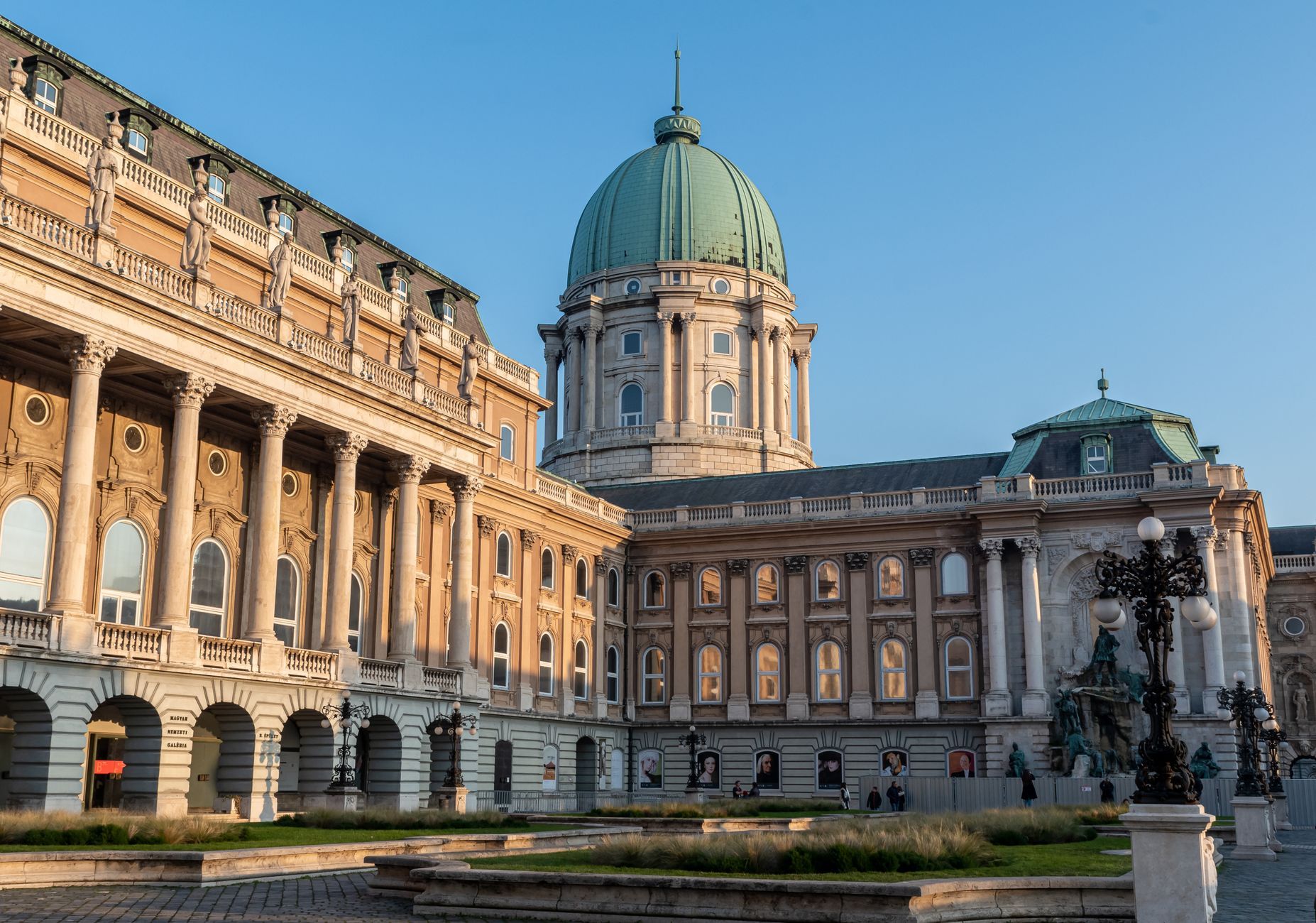
Buda Castle grounds: free to walk around. The Hungarian National Gallery and Budapest History Museum inside the castle complex charge entry (HUF 1,600–3,000). Just wandering the cobblestone courtyards, taking in the views toward Parliament, walking down to the terraced gardens on the south side — all free.
Getting up there: The funicular (Budavári Sikló) is HUF 2,200 up / HUF 1,700 down (2026 prices). I always walk up via the stairs from Clark Ádám tér — takes 15 minutes and costs nothing. Walk down via the terraced gardens on the south side, which drops you near Gellért Hill if you want to chain both into a morning.
Heroes' Square and Vajdahunyad Castle
Heroes' Square (Hősök tere) is free — a massive public square anchored by the Millennium Monument celebrating Hungary's 1,000-year anniversary, the seven Magyar chieftain statues on horseback, and Archangel Gabriel on top. The Museum of Fine Arts flanks one side (entry HUF 3,200), the Hall of Art (Műcsarnok) the other. The square itself is open 24/7 and is one of Budapest's most photographed spots.
Vajdahunyad Castle sits just behind the square inside City Park. It's a stunning faux-medieval castle combining Romanesque, Gothic, Renaissance, and Baroque architectural styles — built for the 1896 Millennial Exhibition and so popular they made it permanent. The exterior and castle grounds are completely free to walk around. The moat and courtyards make for excellent photos, especially in winter when the adjacent lake becomes an ice rink. The Agricultural Museum inside costs HUF 1,600 — easily skipped.
Advertisement
City Park (Városliget) surrounding both is huge — you can wander its paths for an hour and not see all of it. The boating lake rents rowboats for about HUF 1,800/hour in summer; the lake itself is free to sit beside. Széchenyi Thermal Bath is inside the park but decidedly not free: entry is around HUF 9,500. It gets wrongly listed as a "free" park attraction — it isn't.
Margaret Island (Margitsziget): Free Park in the Danube
Margaret Island is a 2.5km car-free island in the middle of the Danube and one of the best free things to do in Budapest — especially if you want to escape the tourist trail and see how locals actually use the city.
The island has a running track used by locals every morning, a rose garden, medieval ruins (a Dominican convent, a Franciscan church tower), a musical fountain that runs at set times (free show, usually evenings in summer), and shaded paths in every direction. A full loop of the island's perimeter takes about an hour on foot. In summer there's an open-air cinema.
Entry to the island is free. Bike rental costs around HUF 1,500–2,000/hour. The outdoor pools (Palatinus Strand) charge entry in summer — HUF 3,500–4,500 — but the park itself is always free.
How to get there: Tram 4 or 6 to Margit híd, then walk across the bridge. The island starts just off the bridge.
Advertisement
The Great Market Hall (Nagyvásárcsarnok)
Free to enter. Budapest's main covered market hall is a genuine landmark — the largest and most beautiful market hall in Hungary, built in 1897. Entry costs nothing.
Ground floor: fresh produce, Hungarian paprika (HUF 600–2,000 depending on grade), dried sausages (kolbász, HUF 2,500–5,000/kg), cheeses, spices — all at prices locals pay. Upper floor: tourist souvenirs (lace, embroidery, painted wooden items) and a row of food stalls selling Hungarian street food at decent prices — lángos (fried dough with sour cream and cheese, HUF 1,200–2,000), goulash soup (HUF 1,500–2,500), chimney cake / kürtőskalács (HUF 1,000–1,500).
You don't have to buy anything — just walking through the vaulted interior and watching the market hum is worth 45 minutes. But I'd eat lunch here. The upper floor food stalls are one of the best cheap lunch options in the city.
Address: Fővám tér 1–3. Open Mon–Sat 6am–5pm (Fri until 6pm, Sat until 3pm). Closed Sunday.
Jewish Quarter Street Art, Gozsdu Courtyard, and the Great Synagogue
The VII district is one of Budapest's most interesting neighbourhoods — and one of the most underrated free areas to explore.
Advertisement
Gozsdu Courtyard (Gozsdu Udvar) is a 200m-long series of six interconnected courtyards running between Király utca and Dob utca. Free to walk through any time. During the day it's a quiet cut-through; on weekend trip planner evenings it fills with people eating at outdoor stalls.
Jewish Quarter street art: the blocks around Kazinczy utca, Dob utca, and Rumbach utca are dense with murals and public art — most of it commissioned, high quality, and worth a slow wander. Free, obviously, and a complete contrast to the heritage buildings they're painted on.
Dohány Street Synagogue (Nagy Zsinagóga) exterior is free to walk past — one of the largest synagogues in the world, with a striking Moorish Revival facade. The interior and memorial garden cost HUF 5,000–6,000 (includes the Jewish Museum). Worth the entry if this is your one visit to Budapest, but the exterior alone is worth seeing.
Ruin Bars: Free Entry to Budapest's Most Unique Nightlife
The ruin bar scene is one of Budapest's biggest claims to fame — and entry to almost all of them is free (you just buy drinks inside, same as any bar).
Szimpla Kert is the original, opened in 2002 in a derelict apartment building. Multiple floors, a courtyard, plants growing out of abandoned cars, mismatched furniture, art installations everywhere, fairy lights. One of the genuinely unique experiences in Europe. Entry is free any night of the week. A beer costs around HUF 900–1,500.
Sunday morning flea market at Szimpla: free to enter, runs 9am–2pm. Local vendors sell vintage clothes, ceramics, second-hand books, plants, with food stalls outside. Come early, grab coffee from one of the nearby cafés, and spend the morning browsing. This is a real locals-and-travellers mix — not a tourist trap.
Beyond Szimpla, the Jewish Quarter has Instant, Fogasház, Doboz — all free entry, all worth exploring. The ruin bar crawl can be done for the cost of a few drinks (budget HUF 3,000–5,000 for a full evening if you're not going heavy).
The Danube Promenade, Shoes Memorial, and Liberty Bridge
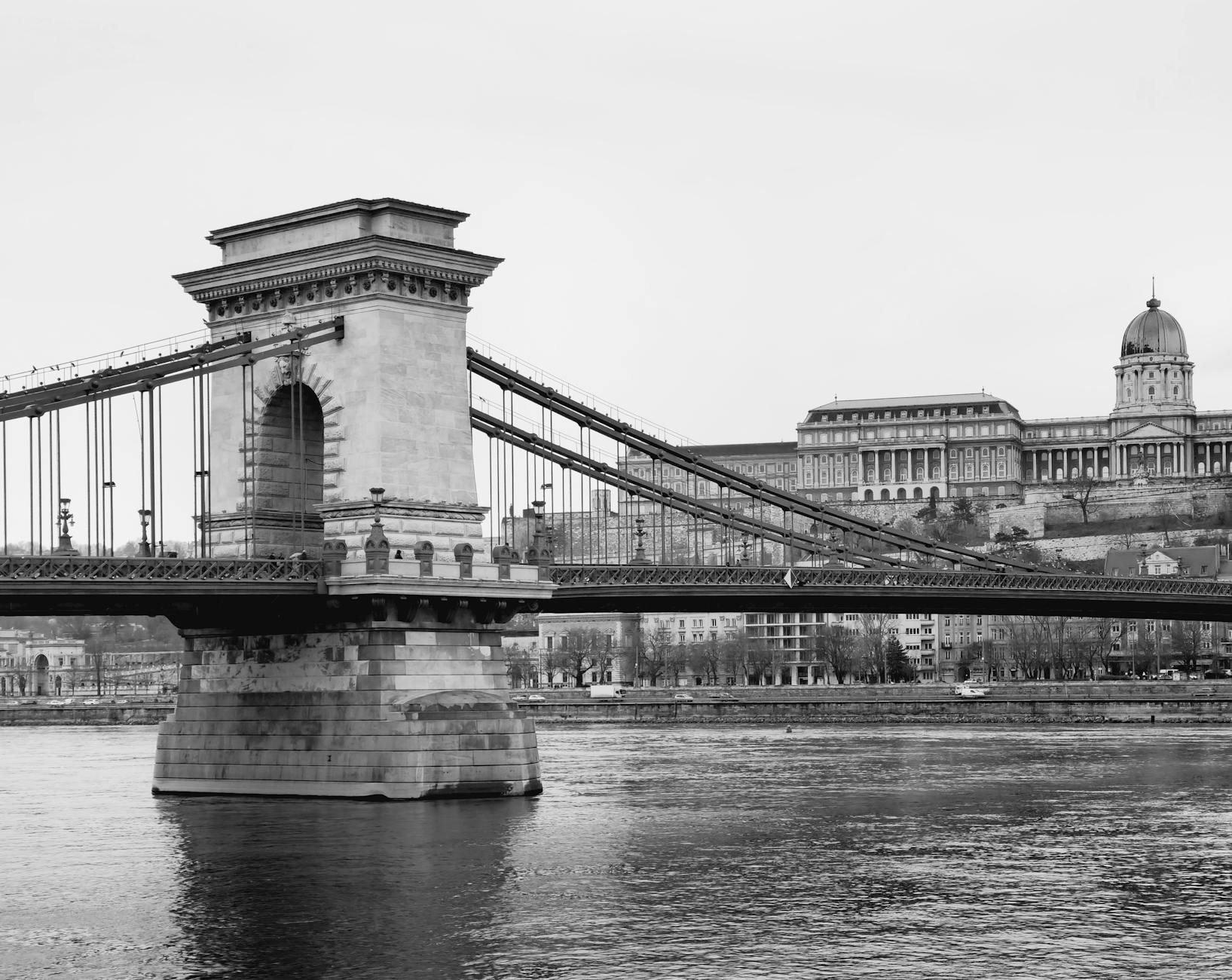
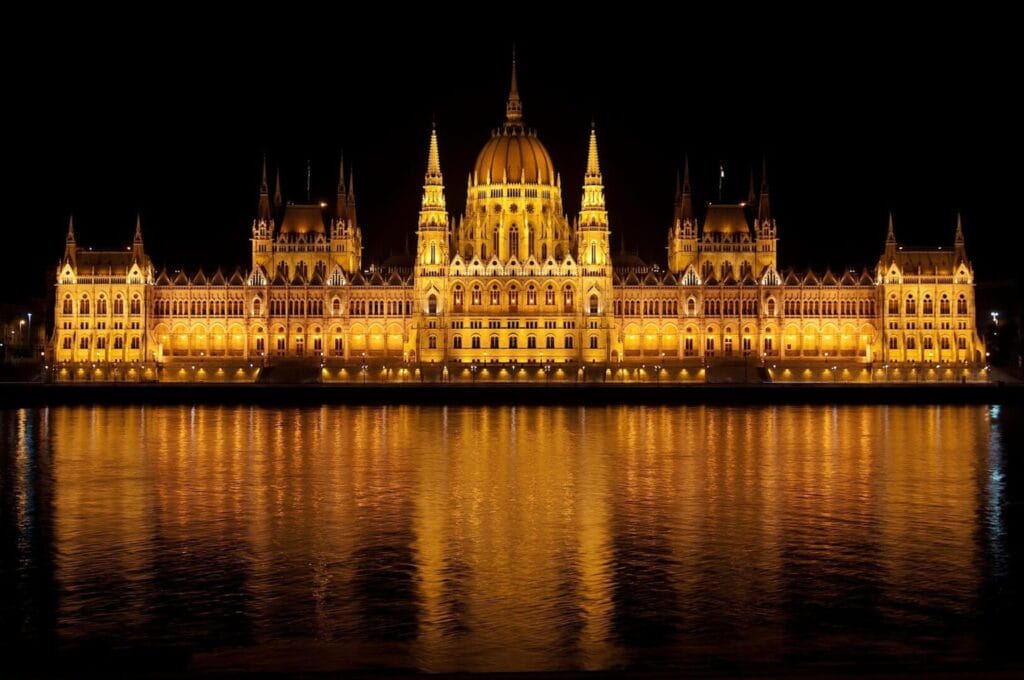
Danube promenade (Duna-korzó): the walkway along the Pest side of the Danube. Stroll the riverfront from Chain Bridge to Elizabeth Bridge — free, obviously. Views of Buda Castle on one side, river traffic on the other. Best at dusk when the Parliament building lights up.
Shoes on the Danube Bank: one of the most affecting memorials I've seen anywhere in Europe. 60 pairs of iron shoes cast on the riverbank, marking where Jews were shot and fell into the Danube in 1944–45. Free, always open. This is a must-see regardless of whether you plan the full Jewish Quarter walk.
Liberty Bridge (Szabadság híd): free to walk across. On weekend summer evenings Budapest closes it to car traffic and locals arrive with picnics, guitars, beers. The bridge becomes a social space. If you're there on a warm weekend evening, it's one of those spontaneous Budapest moments money can't buy.
Andrássy Avenue: UNESCO Heritage Walk for Free
Andrássy Avenue is Budapest's grand UNESCO World Heritage boulevard — tree-lined, wide, flanked by neo-Renaissance mansions and embassies. Free to walk. The Hungarian State Opera House is on this street; the exterior is impressive (interior guided tours cost HUF 3,900–6,900). Walk from Deák tér to Heroes' Square (~2km) and you've covered the main stretch and seen most of what Andrássy has to offer without spending anything.
Parliament Building (Kossuth Lajos tér): free to photograph from outside. One of the most photogenic landmarks in Europe — especially lit up at night along the Danube. Interior tours are NOT free: HUF 9,000–14,000 depending on tour type. The exterior view from the Danube promenade or from Fisherman's Bastion is the best way to see it without paying.
Best Free Day Itinerary in Budapest
If you have one full free day, this is how I'd structure it:
Morning (Buda)
- 8am: Walk up to Fisherman's Bastion before the crowds. 30 minutes, sunrise light is perfect.
- 9am: Wander Buda Castle grounds and cobblestone streets. Walk down via garden stairs.
- 11am: Cross to Pest via the Chain Bridge (free to walk).
Midday (Pest)
- 12pm: Great Market Hall for lunch. Lángos (HUF 1,200–2,000) or goulash soup (HUF 1,500–2,500).
- 1:30pm: Tram or metro to Heroes' Square. Vajdahunyad Castle exterior. City Park walk.
- 3pm: Metro line 1 back toward the Jewish Quarter. Dohány Synagogue exterior, street art, Gozsdu Courtyard.
Evening (Jewish Quarter + Danube)
- 5pm: Walk to the Danube promenade. Check the Shoes memorial, then walk to Liberty Bridge.
- 7pm: Gellért Hill for sunset panorama (worth the 35-minute walk back up).
- 9pm: Szimpla Kert for the evening. Free entry, one or two drinks.
Total spent: cost of lunch + one or two drinks = around HUF 4,000–8,000 (€10–20).
"Almost Free": Thermal Baths and What They Actually Cost
The thermal baths are the one thing everyone asks about — and they're not free. But they're worth budgeting for.
| Bath | Entry (2026) | Best For |
|---|---|---|
| Széchenyi | HUF 9,500 (weekday) | Outdoor pools, grand setting |
| Gellért | HUF 10,500 | Historic architecture |
| Rudas | HUF 6,400–9,000 | Night swim (Fri/Sat), rooftop pool |
| Lukács | HUF 6,000–7,500 | Local crowd, less touristy |
| Király | HUF 4,500–5,500 | Most affordable, Ottoman baths |
Budget HUF 5,000–10,000 for one bath visit. Go to Király or Lukács if you want the experience at the lower end of cost. Széchenyi has the famous outdoor pool but charges a premium for it.
What's NOT Free (Common Misconceptions)
Worth being blunt:
- Thermal baths: None are free. Széchenyi HUF 9,500. Gellért HUF 10,500. Rudas from HUF 6,400. Budget accordingly.
- Fisherman's Bastion towers: HUF 1,500 for the top level. Ground level free.
- Chain Bridge: Free to walk, but sometimes closed for events or maintenance.
- Parliament interior: HUF 9,000–14,000.
- Buda Castle museums: HUF 1,600–3,000 each.
- Matthias Church interior: HUF 3,500.
- Dohány Synagogue: HUF 5,000–6,000.
- Free walking tours: Tip-based (~HUF 3,000–5,000 for a good guide). Not truly free.
Best Time to Visit Budapest for Free Attractions
Spring (April–May) and autumn (September–October) are ideal for walking. The city is walkable all year — summer is busiest but Liberty Bridge closes to cars on summer weekend evenings (spontaneous social space, completely free). Winter means Margaret Island and Gellért Hill are crowd-free; Christmas markets in Vörösmarty Square are free to walk through (food costs money).
The Hungarian National Gallery occasionally has free entry days — check their website before your trip.
FAQs: Free Things to Do in Budapest
What can you do for free in Budapest? Gellért Hill hike, Fisherman's Bastion (ground level), Buda Castle grounds, Heroes' Square, Vajdahunyad Castle exterior, Margaret Island, the Great Market Hall (free entry), Danube promenade, Shoes on the Danube memorial, Jewish Quarter street art, ruin bar entry (Szimpla Kert, Instant, Fogasház), Gozsdu Courtyard, Andrássy Avenue walk, Liberty Bridge. That's a full 3–4 days of sightseeing without paying a single attraction entry fee.
What should you not miss in Budapest? The non-negotiables: Gellért Hill at sunset, a stroll along the Danube promenade at dusk, Fisherman's Bastion in the morning before tour groups arrive, Szimpla Kert on a Sunday morning for the flea market, Vajdahunyad Castle exterior (especially if the light is good), and the Shoes on the Danube memorial. Most of these are free — Budapest is genuinely one of the best value cities in Europe for sightseeing.
Can I enter Buda Castle for free? Yes — the castle grounds and exterior courtyards are free to walk around. The museums inside (Hungarian National Gallery, Budapest History Museum) charge entry (HUF 1,600–3,000 each). The funicular up costs HUF 2,200 one-way; the stairs from Clark Ádám tér are free and take 15 minutes.
Is Budapest cheap to visit? By Western European standards, yes. A beer costs HUF 700–1,500, a sit-down lunch HUF 2,500–5,000, a tram/metro single HUF 450. The thermal baths (HUF 6,000–10,500) are the main budget item. Street food at the Great Market Hall or a lángos from a vendor can feed you well for HUF 1,500–2,000.
Are there free walking tours available in Budapest? Yes — Sandemans and Free Budapest Tour both run daily tip-based tours meeting at Deák Ferenc tér. The suggested tip is HUF 3,000–5,000 for a good guide. Tours run 2–3 hours and cover Pest comprehensively, including the Jewish Quarter, Parliament exterior, Chain Bridge, and St. Stephen's Basilica.
What free activities are available on Margaret Island? Walking paths, a rose garden, medieval ruins (Dominican convent, Franciscan church tower), musical fountain (free shows at set times in summer evenings), a running track, and general park space. The island is car-free and no entry fee is charged.
Can you visit the Hungarian Parliament Building for free? The exterior is free to view — the riverside view from the Danube promenade or from Fisherman's Bastion is spectacular, especially at night. Interior tours cost HUF 9,000–14,000. The area around Kossuth Lajos tér is a pleasant free walk that takes about 20–30 minutes.
Is Budapest worth visiting on a budget? Absolutely. You can do Budapest well for €40–60/day including accommodation, food, and one paid attraction (like a thermal bath). The free attractions here are genuinely world-class — Gellért Hill and Fisherman's Bastion would cost €15–20 in entry fees in any other European capital.
What are some hidden gems in Budapest that are free? Vajdahunyad Castle exterior in City Park (usually overlooked in favour of Heroes' Square but equally impressive), the Jewish Quarter street art around Kazinczy utca, the Gozsdu Courtyard on a quiet weekday morning, the Liberty Bridge on a summer weekend evening when they close it to traffic, and Margaret Island — locals treat this as their city park and it rarely feels like a tourist attraction despite being central.
📍 More Budapest guides: Best Places to Visit in Budapest · Best Photo Spots in Budapest · Free Museums in Budapest · Budapest Cost of Travel · Things to Do in Budapest
Where to Buy the Budapest Pass
Book the Budapest city pass through Tiqets — instant confirmation, skip the queues:
- Read my full Budapest Pass review → — Is it worth it for your trip?
Best Tours & Experiences
For guided tours and experiences, I recommend checking Viator — they have a huge selection with free cancellation on most bookings. You can also browse TripAdvisor Experiences for more local tours, day trips, and attraction tickets with real traveller reviews.
Save More
Save 5% on activities
Use code CHASINGWHEREABOUTS5 in the GetYourGuide app.
Book this exact experience in GetYourGuide appGet Travel Tips in Your Inbox
Join 5,000+ travelers. Get exclusive itineraries, honest reviews, and budget hacks once a week.
No spam. Only high-quality travel advice. Unsubscribe anytime.