
Disclosure: Chasing Whereabouts is reader-supported. This guide contains affiliate links to partners like Tiqets, GetYourGuide and Viator. If you make a purchase through these links, we may earn a small commission at no extra cost to you. This helps us continue providing free, first-hand travel guides. Thank you for your support!
🇭🇷 This guide is part of our comprehensive Croatia Travel Guide.
With the growing popularity of drones, it is essential for enthusiasts to stay informed about the regulations and laws surrounding their use. If you are planning to fly a drone in Croatia, it is crucial to familiarize yourself with the drone laws in the country to ensure a destination safety index and legal flying experience.
This article will provide a comprehensive guide to the drone laws in Croatia, covering essential details that every drone operator should know.
I personally love Croatia and I find it one of the most Drone Friendly places in Europe. So it is really easy to fly drone and create content as you like. If you are able to follow along all the steps.

Advertisement
Watch my Croatia drone rules video on YouTube
Before You Fly: Get Your EU Drone License
If your trip includes the EU or an EASA-associated country, sort your drone paperwork before you pack the batteries. For most drones from 250 g, the A1/A3 certificate is the baseline remote pilot proof; A2 may be needed for some heavier open-category flights closer to people. EASA's open-category guidance explains the A1, A2, and A3 operating subcategories, and the national aviation authority still controls registration, maps, insurance, and local restrictions.
Start the online EU drone license training with DroneLicense.eu
Affiliate disclosure: this is our partner link. DroneLicense.eu can help with EU drone training and exams, but always check the official EASA open-category rules and the national aviation authority for your destination before you fly.
2026 Quick Rule Check for Croatia
Croatia follows the EU/EASA drone framework, but visitors should still check Croatian-specific registration and map requirements. The Croatian Civil Aviation Agency has a useful page for visitors: I wish to fly drone in Croatia, I am not Croatian citizen.
Advertisement
Before you fly:
- Confirm whether you need operator registration in Croatia or already have valid EU/EASA operator registration from another member state.
- Carry your remote pilot certificate if your drone or operation requires A1/A3 or A2 proof.
- Check local maps and avoid airports, crowds, protected areas, and private property.
Tourist Tip
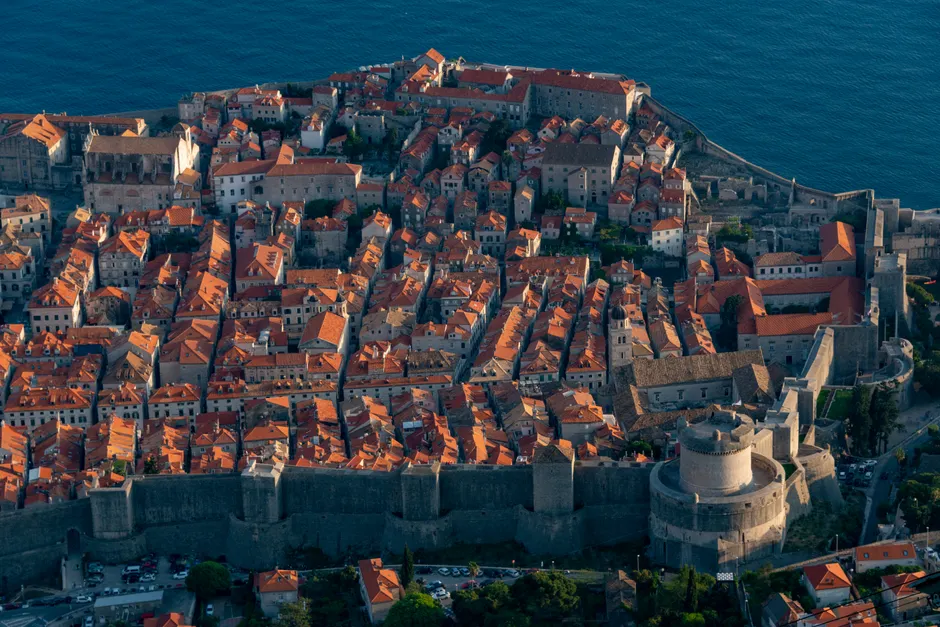
Croatia is beautiful from above, but coastal towns, old towns, national parks, and ports can be sensitive. A quick flight outside a crowded area is usually easier to keep compliant than a dramatic shot over a historic center.
General Regulations
When flying a drone in Croatia, there are several general regulations that must be followed:
-
Registering your drone: All drones weighing more than 79 grams must be registered with the Civil Aviation Agency (CAA) in Croatia.
-
Age restrictions: To operate a drone in Croatia, you must be at least 18 years old.
Advertisement
-
Maximum altitude and distance: Drones must not fly higher than 120 meters above the ground level and should always remain within the visual line of sight of the operator.
-
Flight prohibition zones: Drones are prohibited from flying near airports, military bases, and other sensitive areas.
-
Personal privacy: Respect the privacy of individuals and avoid flying over private property without permission.
Drone Categories
Croatia classifies drones into different categories based on their maximum takeoff weight:
-
Category 1: Drones weighing less than 5 kilograms.
Advertisement
-
Category 2: Drones weighing between 5 and 25 kilograms.
-
Category 3: Drones weighing more than 25 kilograms.
The regulations and requirements vary for each category, so it is essential to determine the weight of your drone before flying.
Specific Regulations
In addition to the general regulations, Croatia imposes specific rules for drone operators:
Category 1 Drones
-
Insurance: Operators of category 1 drones must have liability insurance.
Advertisement
-
Training: Pilots of category 1 drones should undergo appropriate training and obtain a certificate of competence.
Category 2 and 3 Drones
-
License: Pilots of category 2 and 3 drones must hold a remote pilot license issued by the CAA.
-
Restricted areas: Before flying, operators must obtain permission from the CAA if they intend to fly their drones in controlled airspace or restricted areas.
Drone Registration Process
To register or confirm your operator status in Croatia, use this workflow:
- Start with the CCAA visitor guidance and the UAS operator registration page.
- Check whether you already have valid EU/EASA operator registration from another member state.
- If Croatia is your first EU/EASA operating country, follow the CCAA registration instructions before flying.
- Save your operator number, remote pilot certificate, and any permissions on your phone and offline.
- Before each flight, check Croatian airspace tools and local restrictions for the exact location.
Penalties for Non-Compliance
Failure to comply with the drone laws in Croatia can result in severe penalties. These penalties may include fines, confiscation of your drone, or even imprisonment in serious cases. It is crucial to adhere to the regulations and ensure safe and responsible drone operations.
Conclusion
Whether you are a recreational drone pilot or planning to use a drone for commercial purposes, understanding the drone laws in Croatia is essential. Being aware of the regulations, categories, and specific requirements will help ensure a smooth and legal drone flying experience in this beautiful country. Remember to register your drone, respect the privacy of others, and fly responsibly to fully enjoy the recreational and creative opportunities that drones offer in Croatia.
FAQ: Flying a Drone in Croatia
Do I need an EU drone license in Croatia?
If your drone or operation requires pilot competency proof under the open category, yes. A1/A3 is the common baseline for many drones from 250 g, while A2 may apply for some heavier operations closer to people.
Can non-Croatian visitors fly drones in Croatia?
Yes, but check CCAA visitor guidance first. Registration, training, and location rules depend on your operator status and flight plan.
Where should I check before flying?
Start with the CCAA visitor page, EASA open-category guidance, and the current local airspace map.
Save More
Save 5% on activities
Use code CHASINGWHEREABOUTS5 in the GetYourGuide app.
Book this exact experience in GetYourGuide appGet Travel Tips in Your Inbox
Join 5,000+ travelers. Get exclusive itineraries, honest reviews, and budget hacks once a week.
No spam. Only high-quality travel advice. Unsubscribe anytime.