Disclosure: Chasing Whereabouts is reader-supported. This guide contains affiliate links to partners like Tiqets, GetYourGuide, Viator and Headout. If you make a purchase through these links, we may earn a small commission at no extra cost to you. This helps us continue providing free, first-hand travel guides. Thank you for your support!
🇭🇷 This guide is part of our comprehensive Croatia Travel Guide.
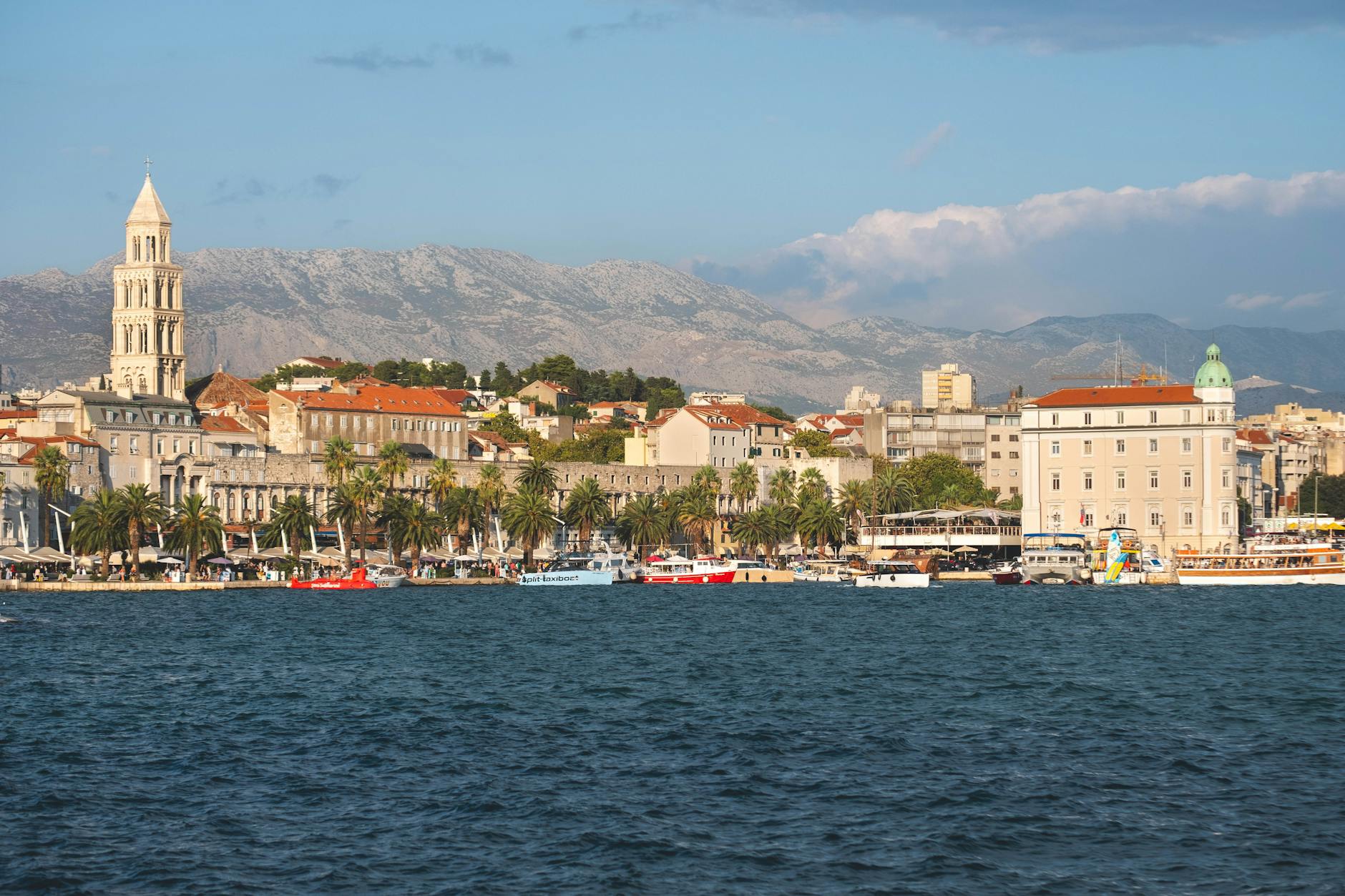
Split is one of Croatia's most visited cities, and the tourist industry has priced accordingly — on the Riva promenade, you'll pay €4 for an espresso and €25 for grilled fish that a local konoba two streets back sells for €14. The food itself is excellent. Dalmatian cuisine uses incredible local ingredients: fresh Adriatic seafood, air-dried pršut, sheep's cheese from Pag island, olive oil from the hinterland. The trick is knowing where the locals eat, which is never where the menus have photos.
I spent a week in Split, started every morning with burek from a pekara near the Green Market, had amazing food in Varoš konobas for under €12, and only made the mistake of eating on the Riva once. This guide is the result.
Budget reality check: You can eat well in Split on €20–25/day. You can do it on €15 if you self-cater lunch. Here's how.
Advertisement
Quick Reference: Best Cheap Eats in Split Croatia
| Place / Dish | Neighbourhood | Price | Type |
|---|---|---|---|
| Burek (pekara) | Near Green Market | €1.50–2.50 | Breakfast / snack |
| Ćevapi with flatbread | Old town edges | €4–6 | Fast food |
| Full konoba meal | Varoš | €8–14 | Lunch/dinner |
| Pizza at Pizzeria Galija | Outside old town | €7–9 | Sit-down |
| Espresso | 200m from Riva | €1.20–1.50 | Coffee |
| Grilled sardines | Meje / Bačvice | €8–12 | Seafood |
| Picnic from Green Market | Pazar | €3–5 | Self-catering |
| Konoba Matejuška | Near old town | €10–16 | Seafood |
| Figa Food Bar | Old town | €8–13 | Croatian food |
What Food Is Split Croatia Famous For?
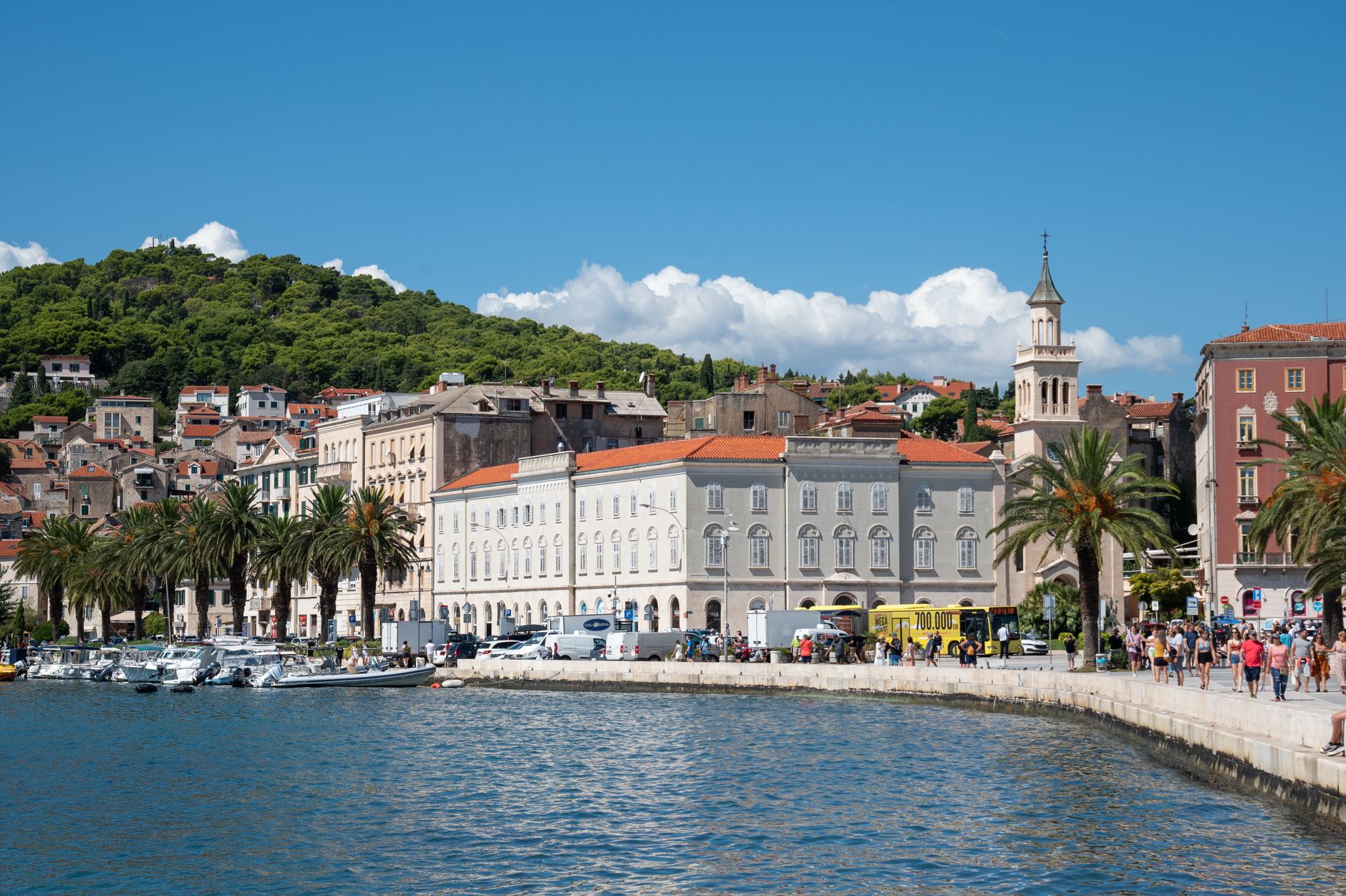
Dalmatian food is coastal, simple, and seasonal. The local cuisine is built on great local ingredients — the Adriatic is right there, and the Dalmatian hinterland grows excellent produce.
Peka is the dish Split is proudest of: meat and vegetables slow-cooked under an iron bell buried in embers, a method unchanged for centuries. Tourist restaurants charge €20–30 per person. A proper konoba in Varoš does it for €12–16. Order it a day in advance — it takes several hours to prepare and most places only do it by request.
Dalmatian pršut (prosciutto) is air-dried ham cured by the bura wind, different from Italian versions — smokier and more intense. You'll find it on almost every menu. At the Green Market, buy 100g for €2–3 and eat it with local sheep's cheese.
Seafood is abundant. The tourist trap is the Riva — those restaurants know you're only in Split for two days and won't come back. A fish konoba in Meje or Bačvice serves grilled fish at €12–18 for a full meal rather than €25–40. Konoba Matejuška, just north of the old town walls, is one of the best-value seafood restaurants in Split: fresh catch, honest prices, no tourist theatre.
Advertisement
Börek (burek) is the daily staple. A savory pastry filled with minced meat, cheese, or spinach, baked in a wood-fired oven at any pekara (bakery). This is the cheapest breakfast in Split: €1.50 gets you a solid portion that holds you until noon.
Bakeries in Croatia: Where to Find Cheap Breakfast in Split

Croatian burek is one of the great cheap breakfasts in Europe. Flaky pastry, properly crisp, filled with meat, cheese, or spinach — eat it standing at a counter with a small yogurt drink (jogurt) on the side.
Every pekara (bakery) in Split makes it. The ones near the Green Market open early, before the palace-area cafes have even started heating espresso machines. Bobis is the well-known Croatian bakery chain with a branch near the market — reliable quality, good pastry selection, kremšnita (custard slice) worth trying. For something more local, walk away from the palace in any direction and you'll find an independent pekara within three minutes.
Price guide for bakeries in Croatia:
Advertisement
- Burek (meat/cheese): €1.50–2.50
- Kremšnita (custard pastry): €1.50–2
- Fresh bread loaf: €1–1.50
- Pogača (flatbread): €1–1.50
This is how locals start the day. It's also how you eat breakfast in Split without paying €8 for eggs at a tourist cafe.
The Green Market (Pazar): Split's Cheapest Food Source
The Green Market sits just east of Diocletian's Palace, open mornings (6am–1pm, busiest before 10am). This is where locals shop — you won't find tour groups here.
You'll find fresh produce — figs, tomatoes, peppers, herbs in season — alongside local cheese (paški sir from Pag, fresh cow's milk varieties), Dalmatian pršut by the piece, olives and olive oil, and local honey.
For cheap eats in Split, buy picnic supplies here. €4–5 gets you enough pršut, cheese, bread from a nearby pekara, and a few figs for a genuinely excellent lunch. Sit by the palace walls or walk to the Tinel area near the Vestibul entrance. This is how locals eat on a budget on a hot afternoon.
The indoor Tržnica next door has butchers and more cheese vendors — slightly cheaper than the outdoor stalls, used entirely by locals.
Advertisement
Best Restaurants in Split on a Budget: Varoš and Beyond

Varoš is the oldest neighbourhood in Split — stone houses, narrow lanes, cats on every corner — about 10 minutes' walk from Diocletian's Palace. Tourists go to the old town and the main square (Narodni trg). Locals eat in Varoš. That gap explains the price difference.
A full meal at a konoba in Varoš — starter, main (meat or fish), bread, local wine by the glass — runs €8–14 per person. The food is traditional Dalmatian, the portions are generous, and the staff aren't performing for tourists.
Konoba Varoš is the classic: pašticada (Dalmatian braised beef), fresh fish, whatever's good that day. No English menus with food photos.
Konoba Fetivi is smaller and less known — locals eat here, prices are even better.
Advertisement
Figa Food Bar (inside the old town, near the Vestibul) is one of the best places to eat in Split for solo travellers and vegetarians — small plates of Croatian food, great wine list, prices that don't punish you for the location. Around €8–13 for a solid meal.
Bokeria Kitchen & Wine is a step up in price (expect €15–20 per person) but is worth knowing for a special meal that doesn't involve the Riva tourist zone.
Apetit City is a popular local lunch spot with a daily menu (dnevni menu) — three courses for around €8–10, the best-value restaurant in Split for midday eating.
Affordable Seafood in Split: Skipping the Riva
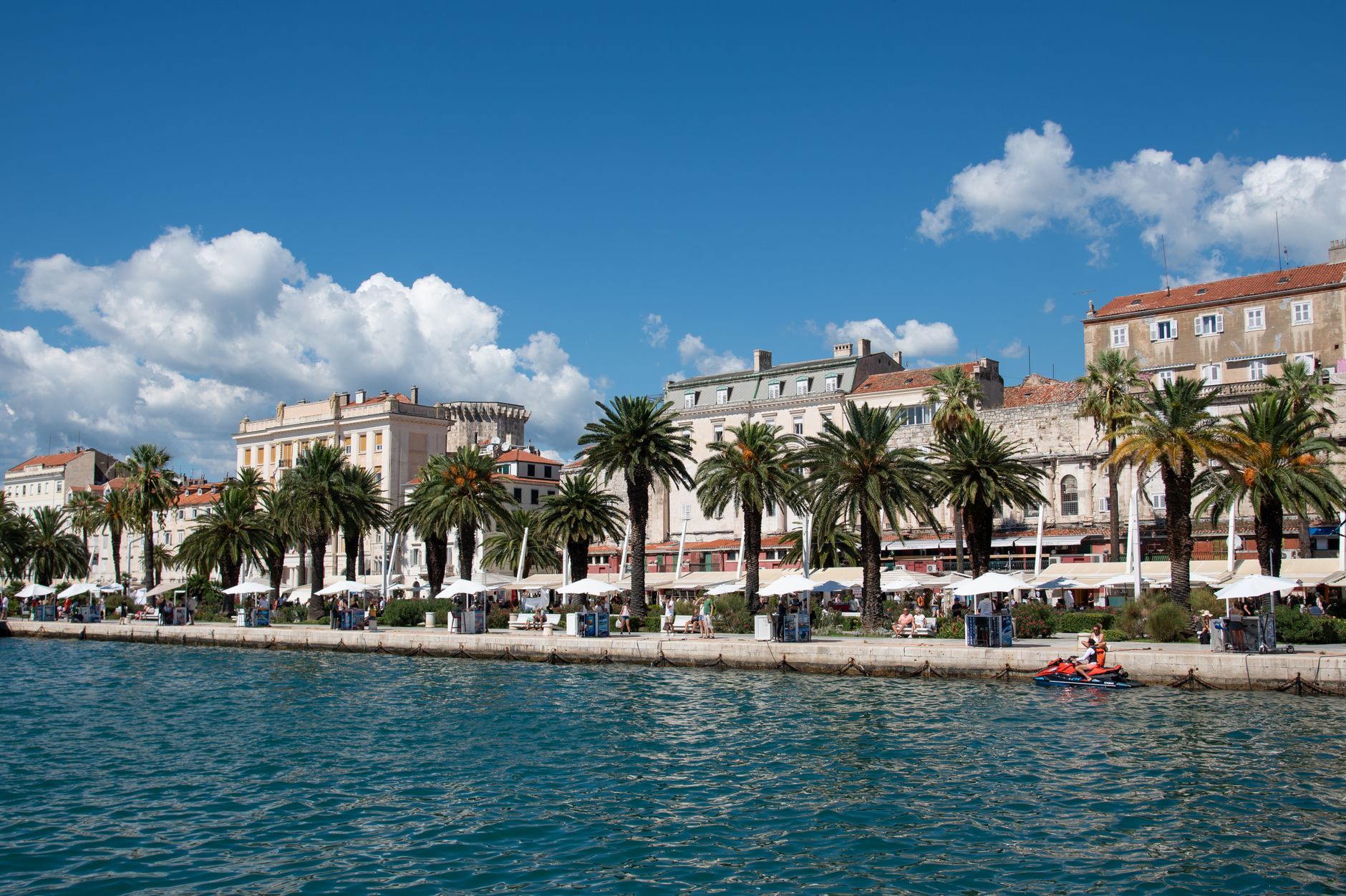
The Riva is scenic but expensive. The restaurants along the waterfront know you just arrived off a ferry and won't be back — prices reflect that.
For great food at fair prices:
Konoba Matejuška — just north of Diocletian's Palace near the small fishing harbor — is the best-value seafood restaurant in Split. Fresh catch, simple preparation, priced for the local crowd. Grilled fish plus a glass of local wine: €12–16.
Meje neighbourhood (west of old town, 15-minute walk): proper fish konobas where you order by weight, daily catch on a chalkboard. Grilled fish: €12–18 for a full meal.
Bačvice (south of old town, near the famous beach): local restaurants with sea views. The farther from the beach, the lower the prices.
The local trick: look for marenda signs. Marenda is the mid-morning/midday meal in Dalmatia — eaten 10am–noon by working locals. Portions are large, prices lower than dinner menus, and the food is whatever's freshest.
Coffee, Pizza, and Drinks in Split on a Budget
Coffee: Dalmatian coffee culture is a serious institution. On the Riva: €2.50–3.50 for an espresso. Two streets back: €1.20–1.50. Same beans. You're paying for the view. Kavana Procaffe (near Prokurative square) is the one place close to the old town where local and tourist prices overlap — around €1.50–2, good pastry.
Pizza: Croatian pizza is its own thing — slightly thicker base, local prosciutto on top, great value. Pizzeria Galija (just outside the old town) is the institution: wood-fired, €7–9 for a full pie. Arrive before 7pm.
Wine: Croatian wine is genuinely good. Plavac mali from the Dalmatian coast. Drink from the house carafe — a fraction of bottle prices. A carafe with dinner at a Varoš konoba: €4–6.
Budget Day in Split: What €22 Gets You
Morning starts at a pekara near the Green Market. A warm burek with meat or cheese costs €1.80. Pair it with a yogurt for €1. Total breakfast: €2.80. Skip the sit-down cafes in the old town until you've adjusted your budget bearings.
Lunch means finding a proper restaurant in split away from the Riva. Head to Varoš or Bačvice for a konoba serving dalmatian staples. A plate of grilled sardines or pašticada runs €9–11. Add a glass of local wine for €3. That's €14 max for a filling, authentic croatian meal.
Dinner keeps it simple. Grab a slice of pizza from a takeaway spot near Marmontova Street for €4. Or return to the same konoba for a lighter salad and pršut plate at €6. End the day with an espresso on a side street for €1.50. Total daily spend sits comfortably under €22 without sacrificing great food.
Frequently Asked Questions
Where do locals eat in Split, Croatia? Varoš neighbourhood for sit-down meals — Konoba Varoš, Konoba Fetivi. Near the Green Market for breakfast burek and coffee. Meje and Bačvice for seafood. Konoba Matejuška for fresh fish close to the old town. Figa Food Bar for small plates of Croatian food inside the palace without tourist pricing. Anywhere with a chalk-written dnevni menu and no English photos.
How to save money on food in Croatia? Eat burek for breakfast (€1.50–2.50 at any pekara), buy lunch supplies at the Green Market (€3–5 for pršut, cheese, bread), have dinner at a konoba in a residential neighbourhood away from tourist areas. Look for marenda — the mid-morning Dalmatian lunch at local places. Drink local wine by the carafe, not the bottle. Budget €20–25/day and you'll eat extremely well.
What to do in Split on a budget? Morning burek and espresso (€3.50 total). Green Market picnic at noon (€5). Gelato in the afternoon (€2). Dnevni menu lunch at Apetit City (€8–10) or konoba dinner in Varoš (€10–14). Total under €25 for a full day of excellent Dalmatian food.
What food is Split Croatia famous for? Peka (slow-cooked meat/veg under an iron bell), Dalmatian pršut, fresh Adriatic seafood, burek from pekara bakeries, ćevapi, and pašticada (braised beef stew). The local wine — plavac mali — is also worth trying.
Is it expensive to eat out in Split? It depends entirely on where you eat. Inside Diocletian's Palace and on the Riva: yes, expensive. In Varoš, Bačvice, or any neighbourhood more than 10 minutes from the palace: fair local prices. A full meal with wine at a local konoba is €10–14 per person. Seafood at Konoba Matejuška: €12–16 for a great meal.
How expensive is it to eat in Split now? Since Croatia joined the euro in January 2023, prices are more transparent for visitors. Expect to pay €1.50–2.50 for burek, €1.20–2 for espresso outside the tourist zone, €10–14 for a full konoba dinner. Budget travellers can eat well on €20–25/day. Summer (July/August) pushes prices up 10–20% as demand peaks — shoulder season (May/June, September) gives you the same great food at better value.
Related Guides
Planning cheap eats in split croatia requires context beyond just restaurant names. These guides break down costs, transit, and regional food differences across croatia so you can budget accurately.
- Is Split Expensive? Full Cost Breakdown — Detailed price data for accommodation, food, and activities to calibrate expectations before arrival.
- How to Get from Dubrovnik to Split — Bus, ferry, and private transfer options with current 2026 pricing and travel times.
- Best Budget Restaurants in Dubrovnik — Where to eat in split's main rival city without overspending on tourist-trap seafood.
- One Week in Croatia Itinerary — Day-by-day plan balancing island hopping, old town exploration, and meal budgets.
- Beach Towns in Croatia — Smaller coastal alternatives where dalmatian cuisine costs 20–30% less than in major hubs.
Save More
Save 5% on activities
Use code CHASINGWHEREABOUTS5 in the GetYourGuide app.
Book this exact experience in GetYourGuide appGet Travel Tips in Your Inbox
Join 5,000+ travelers. Get exclusive itineraries, honest reviews, and budget hacks once a week.
No spam. Only high-quality travel advice. Unsubscribe anytime.