
Disclosure: Chasing Whereabouts is reader-supported. This guide contains affiliate links to partners like Tiqets, GetYourGuide, Viator and Headout. If you make a purchase through these links, we may earn a small commission at no extra cost to you. This helps us continue providing free, first-hand travel guides. Thank you for your support!
Ciao, fellow adventurers! Sankalp here, your guide from ChasingWhereabouts.com, fresh off another incredible trip through Europe. This time, I'm bringing you an itinerary straight from the heart of the Eternal City: Rome. If you're planning your first trip to this magnificent capital, or even a return visit, you're in for a treat.
When I visited Rome recently in June 2025, it was everything I'd dreamed of and more. The history, the food, the sheer vibrancy of it all — it truly captures your soul. But let's be honest, Rome can also feel overwhelming. There's so much to see, and if you're not careful, you can end up spending more time in queues or getting lost than actually soaking it all in.
That's precisely why I've crafted this detailed 3-day Rome itinerary. It's designed to be genuinely helpful, not just a generic list of attractions. I'll share my personal experiences, practical tips on transport and costs, and how to make the most of your time without feeling rushed. This isn't just a guide; it's a roadmap to experiencing Rome like a seasoned traveler. First time in the Eternal City? Our Rome travel tips cover everything you should know before you go.
Ready to walk in the footsteps of emperors, marvel at artistic masterpieces, and indulge in some of the world's best pasta? Let's dive in!
Why Trust This Rome Itinerary? My Approach to Travel
Advertisement
As a German-based traveler, my approach to exploring a new city is always a blend of efficiency, cultural immersion, and, of course, a healthy dose of delicious food. I believe in smart planning to maximize experiences, but also leaving room for spontaneity – those unexpected moments that truly define a trip.
When I put together this itinerary for Rome, Italy, I focused on:
- Realistic Pacing: No rushing from one sight to the next just to tick boxes. This plan allows time to explore, absorb, and even sit down for a leisurely espresso.
- Practicality: I've included estimated walking times, public transport tips, and real-world costs for attractions and meals, based on my own recent visit.
- Authentic Experiences: Beyond the major landmarks, I'll guide you to some of my favorite spots for local food, charming neighborhoods, and unforgettable views.
- E-E-A-T (Experience, Expertise, Authority, Trustworthiness): As someone who has personally walked these streets, navigated the metro, and tasted the local delights, I can assure you these recommendations come from genuine experience. I’ve made the mistakes so you don’t have to!
Before we jump into the daily breakdown, let's cover some essential logistics.
Getting Around Rome: My Top Tips for Navigating the Eternal City
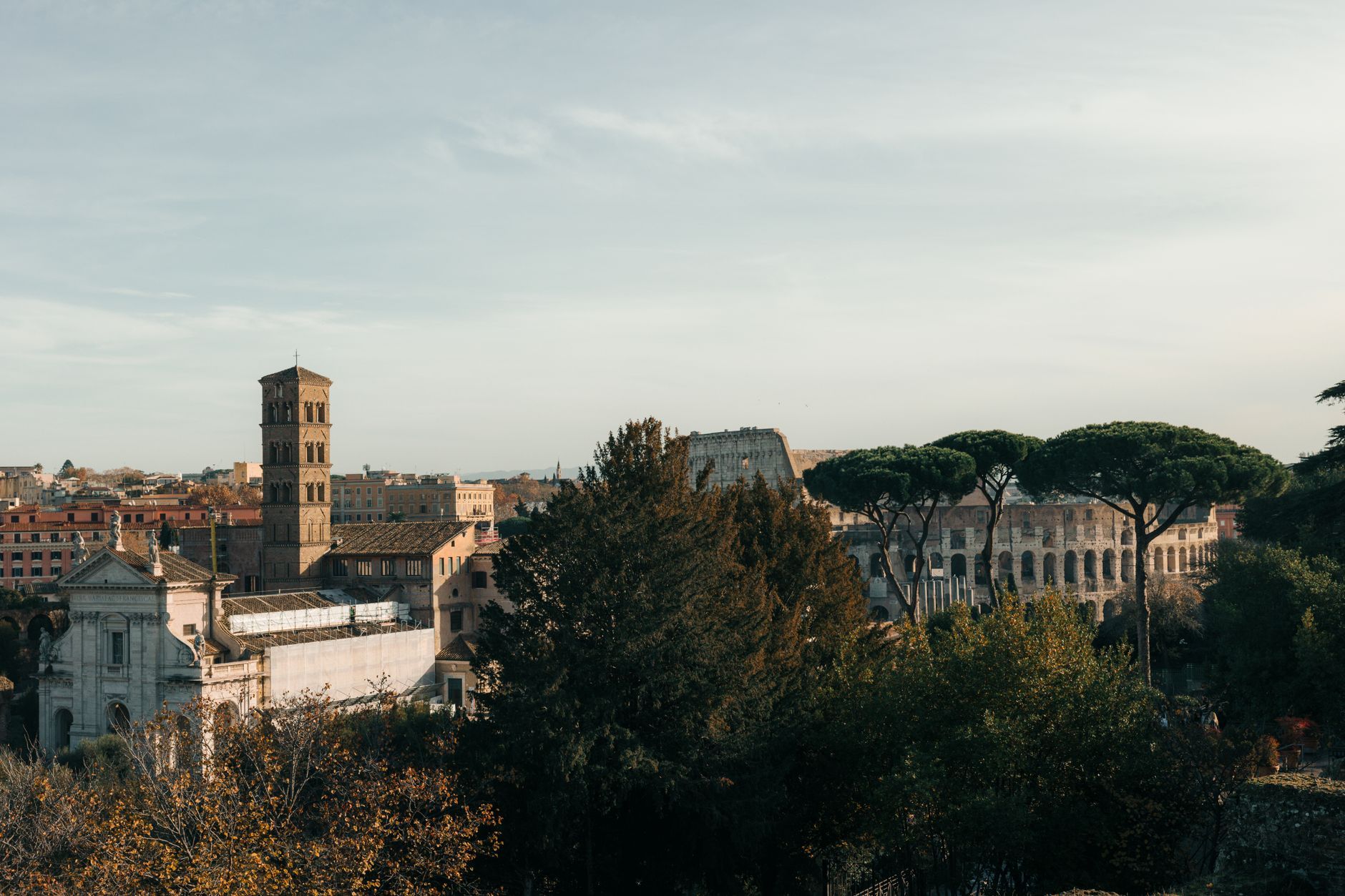
Rome is a very walkable city, especially its historic centre. Many of the major attractions are relatively close to each other. However, for longer distances or when your feet are tired, public transport is efficient.
Advertisement
- Walking: This is my preferred method for exploring Rome. You discover so much more down the charming alleyways. Wear comfortable shoes – you'll be doing a lot of walking on cobblestones!
- Metro (Subway): Rome has three metro lines (A, B, C). Lines A and B are the most useful for tourists, connecting major hubs like Termini Station, the Colosseum (Colosseo stop), and the Vatican (Ottaviano or Cipro stops). A single ticket (BIT) costs €1.50 and is valid for 100 minutes, allowing transfers between buses and metro.
- Buses & Trams: An extensive network covers areas not reached by the metro. The same BIT ticket works. I often use Google Maps for real-time bus routes and timings – it's incredibly helpful.
- Taxis/Ride-sharing: Available but can be pricey. Taxis are white and metered. Uber is available but operates with licensed drivers and can be more expensive than local taxis. I rarely use them unless absolutely necessary.
- Rome Pass & OMNIA Card: Rome offers various tourist passes. In my experience, for a 3-day trip, whether they're worth it really depends on how many attractions you plan to visit and if you want to prioritize public transport. I usually prefer to buy tickets individually unless I'm doing a lot of paid attractions. You can read a more in-depth analysis in my Rome Pass Review post.
My Personal Tip: Buy a few BIT tickets in advance from tabacchi shops (look for the "T" sign) or metro stations to save time. Validate your ticket before boarding buses/trams or entering metro gates.
Day 1: Ancient Grandeur & Roman Flavours
Welcome to Rome! Day one is all about immersing ourselves in the city's incredible ancient history, followed by a true taste of Roman life.
Morning: Stepping Back in Time at the Colosseum, Roman Forum & Palatine Hill
There's no better way to kick off your Roman adventure than with its most iconic symbols. I recommend starting early to beat some of the crowds.
- Colosseum: This gladiatorial arena is breathtaking. When I first saw it, I was simply awestruck by its scale and the stories it held.
- Time needed: 1.5-2 hours
- Cost: Combined ticket for Colosseum, Roman Forum, and Palatine Hill is €18 (full price, often valid for 24 hours). Crucially, book your tickets online well in advance! I cannot stress this enough. Walk-up lines are notoriously long. Choose a specific entry time.
- My Tip: Consider a guided tour for the Colosseum. It really brings the history to life, and many tours offer access to areas like the arena floor or underground tunnels that standard tickets don't.
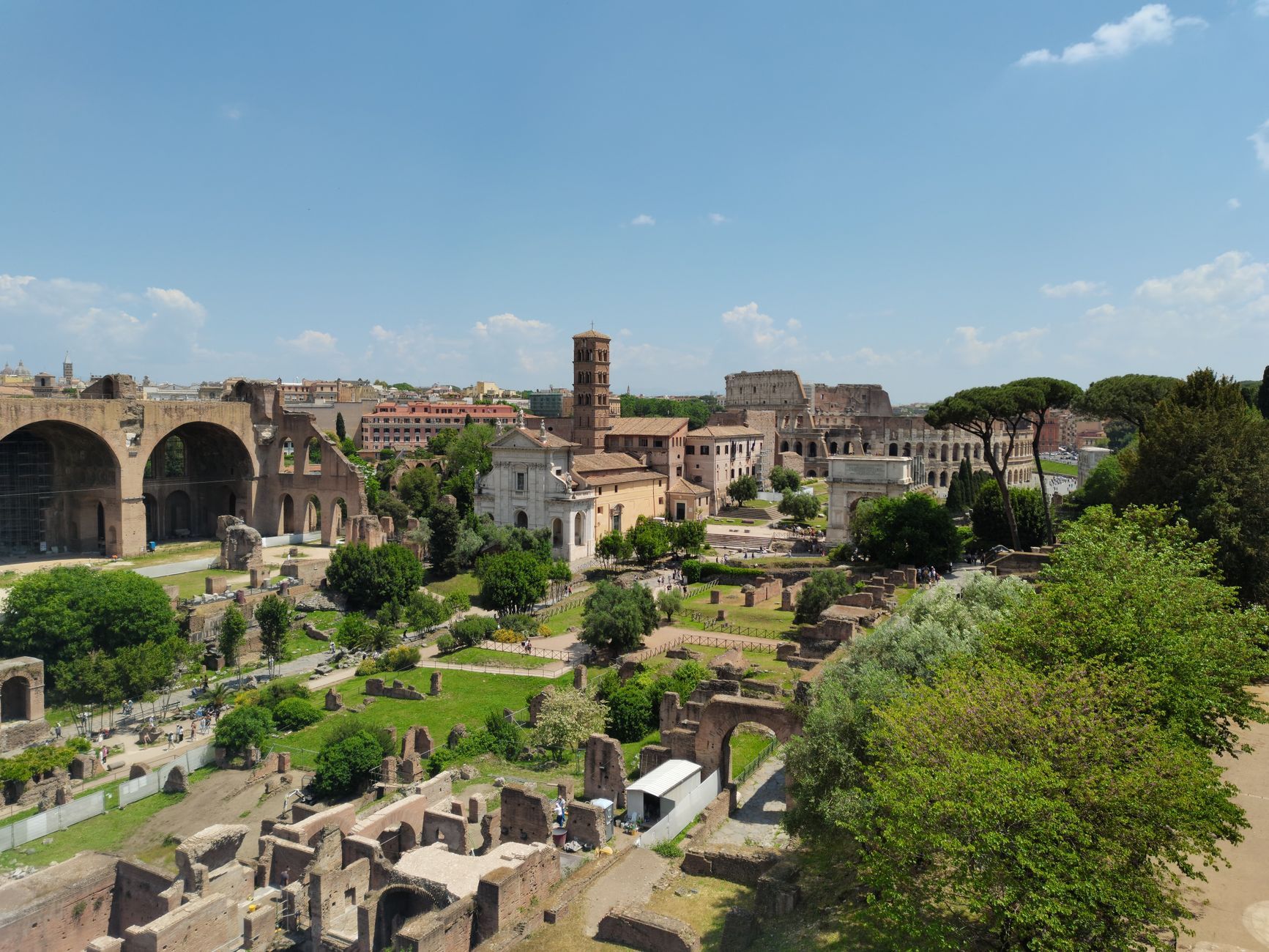
- Roman Forum & Palatine Hill: Your Colosseum ticket also grants you access to these archaeological wonders right next door. Walk amongst the ruins where emperors once ruled and citizens gathered. Palatine Hill offers fantastic panoramic views of the Forum and Circus Maximus.
- Time needed: 2-3 hours
- My Tip: Wear sturdy shoes. You'll be walking on uneven ancient paths. Bring water, especially in summer, as there's little shade.
Lunch: A Quick Bite Near the Forum
After all that historical exploration, you'll be hungry. The area around the Colosseum can be a bit touristy for food, but there are decent options.
- Recommendation: I usually grab a pizza al taglio (pizza by the slice) or a panino from a small bakery or deli. Expect to pay €5-€10 for a satisfying lunch. There are also many casual trattorias slightly further away from the main square.
- My discovery: I found a great little place called "La Fornarina" on Via Cavour for a quick, delicious pizza slice.
Afternoon: Pantheon, Piazza Navona & Trevi Fountain
From ancient ruins, we'll transition to stunning Roman architecture and vibrant piazzas.
Advertisement
- Pantheon: This ancient Roman temple, now a church, is an architectural marvel. The oculus (hole in the ceiling) is incredible.
- Time needed: 30-45 minutes
- Cost: Free to enter, but booking a slot online might become mandatory during peak times. Check the official website before your visit.
- My Tip: Stand directly under the oculus and look up – it's an experience!
- Piazza Navona: A beautiful Baroque square featuring Bernini's famous Fountain of Four Rivers. It's a great spot for people-watching, street artists, and enjoying a gelato.
- Time needed: 30-60 minutes (more if you stop for a drink)
- Cost: Free
- Trevi Fountain (Fontana di Trevi): One of Rome's most iconic fountains. Throw a coin over your shoulder to ensure a return to Rome!
- Time needed: 30 minutes
- Cost: Free
- My Tip: This place is ALWAYS crowded. To truly appreciate its beauty, I recommend visiting very early in the morning (before 8 AM) or very late at night. It's magical lit up after dark.
Evening: Dinner in Trastevere
Cross the Tiber River for an authentic Roman evening experience in the charming Trastevere neighborhood.
- Trastevere: This bohemian quarter is famous for its narrow cobblestone streets, ivy-clad buildings, and fantastic trattorias. It's where Romans go for a night out.
- My Recommendation: Wander the streets, soak in the atmosphere, and choose a restaurant that catches your eye. Look for places with outdoor seating. I personally loved Da Enzo al 29 (Via dei Vascellari, 29) for classic Roman dishes, but be prepared for a wait! Another great option is Tonnarello (Via della Paglia, 1/2/3).
- Meal Cost: Expect to pay €20-€40 per person for a delicious pasta dish, wine, and perhaps an appetizer or dessert.
- My Tip: Try Cacio e Pepe (cheese and pepper pasta) or Amatriciana (tomato, guanciale, pecorino) – they are Roman specialties!
Day 2: Vatican City & Baroque Beauty
Day two takes us across the border into the world's smallest independent state, Vatican City, followed by more stunning Roman art and architecture.
Morning: Vatican Museums, Sistine Chapel & St. Peter's Basilica
Prepare for an awe-inspiring morning dedicated to art, history, and spirituality.
- Vatican Museums & Sistine Chapel: Home to an incredible collection of art, including Michelangelo's masterpiece in the Sistine Chapel.
- Time needed: 3-4 hours (it's vast!)
- Cost: €20 (full price).
- Crucial Tip: Book your tickets online in advance! Seriously, the queues for the Vatican Museums are legendary. Choose the earliest possible time slot (e.g., 9 AM) to experience it with fewer crowds.
- Dress Code: Remember the strict dress code for the Vatican: shoulders and knees must be covered for both men and women. I always carry a light scarf to quickly cover up if needed.
- St. Peter's Basilica: The largest church in the world, it's simply magnificent. The scale, the artwork (including Michelangelo's Pietà), and the dome are unforgettable.
- Time needed: 1.5-2 hours
- Cost: Free to enter the Basilica. Climbing the dome costs €8 (stairs) or €10 (lift + stairs). I highly recommend climbing the dome for unparalleled views of St. Peter's Square and Rome!
- My Tip: After the Sistine Chapel, many tours offer a shortcut directly into St. Peter's Basilica, saving you from re-entering the main square. If you're on your own, follow the signs carefully.
Lunch: Near the Vatican or Back Towards the Centre
- Recommendation: There are many casual eateries around the Vatican. I often look for a tavola calda (hot table) for quick, homemade-style food. Alternatively, walk a bit further towards Castel Sant'Angelo for more options.
- Cost: €10-€15 for a casual lunch.
Afternoon: Castel Sant'Angelo & Spanish Steps
- Castel Sant'Angelo: Originally Emperor Hadrian's mausoleum, later a papal fortress, this cylindrical building offers fascinating history and great views from its top.
- Time needed: 1.5-2 hours
- Cost: €13-€16
- My Tip: Walk across Ponte Sant'Angelo, the bridge leading to the castle, adorned with stunning Bernini angels.
- Walk along the Tiber River: Enjoy a leisurely stroll along the river, taking in the views.
- Spanish Steps (Scalinata di Trinità dei Monti): A grand staircase connecting Piazza di Spagna with the Trinità dei Monti church. It's a famous meeting point and offers a lovely perspective of the city.
- Time needed: 30-45 minutes
- Cost: Free
- My Tip: While sitting on the steps is technically forbidden (and often enforced), it's still a beautiful spot for photos. The surrounding area is excellent for high-end shopping.
Evening: Aperitivo & Dinner near Spanish Steps
- Aperitivo: Before dinner, experience the Italian tradition of aperitivo. Many bars offer a drink with complimentary snacks (olives, crisps, sometimes small bites). It's a great way to unwind.
- My Recommendation: Look for a bar around Piazza di Spagna or Via del Corso. Expect to pay €8-€15 for a drink and snacks.
- Dinner: The area around the Spanish Steps and Trevi Fountain has a mix of touristy and upscale restaurants. Venture a few streets away from the main attractions to find better value and quality.
- My Discovery: I enjoyed a delightful dinner at Osteria Barberini (Via della Purificazione, 21), known for its truffle dishes. Make a reservation!
- Meal Cost: €30-€50 per person in this area.
Day 3: Bohemian Vibes, Hidden Gems & Departure
On our final day, we'll explore some artistic treasures, soak in panoramic views, and perhaps revisit a favorite spot or discover a new one, depending on your flight schedule.
Morning: Borghese Gallery & Gardens
Start your day with a dose of art and nature.
Advertisement
- Borghese Gallery and Museum: Home to an exquisite collection of Bernini and Canova sculptures (including Apollo and Daphne, and Paolina Borghese) and Caravaggio paintings.
- Time needed: 2-2.5 hours (entry is strictly timed to 2-hour slots)
- Cost: €13 (full price).
- Absolutely Essential Tip: You MUST book tickets for the Borghese Gallery well in advance! They limit visitor numbers, and tickets sell out weeks, sometimes months, ahead. Do not just show up.
- Getting there: Take the metro (Line A) to Spagna and walk, or take a bus from Termini.
- Villa Borghese Gardens: After your museum visit, wander through these beautiful, expansive gardens. You can rent bikes, rowboats (on the small lake), or simply enjoy a relaxing stroll.
- Time needed: 1-2 hours
- Cost: Free
Lunch: Picnic in the Gardens or a Local Trattoria
- Recommendation: Grab some fresh bread, cheese, and cured meats from a local alimentari (grocery store) and enjoy a picnic in the Villa Borghese gardens. This is a wonderfully Roman experience!
- Alternatively: Head down towards Piazza del Popolo or Flaminio for a casual trattoria.
- Cost: €8-€15 for a picnic or casual lunch.
Afternoon: Janiculum Hill & Farewell Views OR Ostia Antica
Depending on your departure time and energy levels, you have a couple of options for your final afternoon.
Option A: Janiculum Hill (Gianicolo) & Farewell Gelato
- Janiculum Hill: Head to this hill for one of the most spectacular panoramic views of Rome. It's especially beautiful around sunset.
- Time needed: 1-1.5 hours (including travel)
- Cost: Free
- Getting there: It's a bit of a walk uphill from Trastevere, or you can take bus #115 or #870.
- My Tip: At noon, a cannon fires from the hill – a tradition since 1847.
- Revisit a Favorite Spot: Perhaps you want one last espresso at a charming café, or another scoop of gelato from your favorite gelateria. I always make sure to have a final gelato before leaving Rome! My go-to for authentic, rich gelato is Giolitti (Via degli Uffici del Vicario, 40) or Gelateria Fatamorgana (multiple locations).
- Souvenir Shopping: Pick up some last-minute gifts or keepsakes around the Pantheon or Piazza Navona.
Option B: Day Trip to Ostia Antica (for History Buffs)
If you've had your fill of central Rome and love ancient history, consider a half-day trip to Ostia Antica, Rome's ancient port city. It's like a mini Pompeii, but much less crowded and easily accessible.
- Ostia Antica: Explore well-preserved ruins, including apartments, bathhouses, a theatre, and shops. It offers a fascinating glimpse into daily Roman life.
- Time needed: 3-4 hours (plus 1 hour travel each way)
- Cost: €12 (full price).
- Getting there: Take the Metro B line to Piramide, then transfer to the Ostia Lido commuter train (same ticket as metro/bus). It's about a 30-minute train ride.
- My Tip: There's a small café/restaurant inside the archaeological park for lunch.
Evening: Last Roman Dinner & Departure
Enjoy one final Roman meal. Perhaps revisit Trastevere, or try a new neighborhood like Testaccio, known for its authentic, hearty Roman cuisine.
- My Recommendation for Testaccio: Checchino dal 1887 (Via di Monte Testaccio, 30) for traditional Roman fare, including offal dishes (if you're adventurous!).
- Meal Cost: €25-€45 per person.
After dinner, make your way to the airport or train station for your departure, filled with incredible memories of the Eternal City.
Where to Stay in Rome: My Neighborhood Picks
Choosing the right base can significantly enhance your Rome experience. Here are a few neighborhoods I recommend:
Advertisement
- Monti: My personal favorite! It's charming, central (near Colosseum and Forum), with a bohemian vibe, great independent shops, and excellent restaurants. It feels authentic without being too far from the action.
- Trastevere: Perfect if you love a lively evening atmosphere, charming streets, and don't mind walking a bit further to the main ancient sites (or taking a short bus/tram ride).
- Centro Storico (Historic Centre): If your budget allows, staying right in the heart of things (near Piazza Navona, Pantheon) means you can walk everywhere. It's bustling and beautiful.
- Prati/Vatican: Convenient for early morning Vatican visits. It's a more residential and elegant area, with good public transport links.
- Termini: The main transport hub. It's practical if you're arriving/departing by train and budget-conscious, but can feel a bit gritty and less charming than other areas.
Budgeting for Rome: Realistic Costs (Based on My Trip)
Here’s a rough breakdown of what you can expect to spend per person per day, excluding accommodation and flights:
- Accommodation: Highly variable, from €80 (budget hotel/guesthouse) to €200+ (mid-range/boutique) per night.
- Attractions & Tours: €40-€60 per day (if visiting 2-3 major paid sites).
- Food:
- Breakfast: €5-€10 (coffee & pastry)
- Lunch: €10-€20 (pizza slice, sandwich, casual trattoria)
- Dinner: €25-€50 (mid-range trattoria with wine
Best Tours & Experiences
For guided tours and experiences, I recommend checking Viator — they have a huge selection with free cancellation on most bookings. You can also browse TripAdvisor Experiences for more local tours, day trips, and attraction tickets with real traveller reviews.
Save More
Save 5% on activities
Use code CHASINGWHEREABOUTS5 in the GetYourGuide app.
Book this exact experience in GetYourGuide appGet Travel Tips in Your Inbox
Join 5,000+ travelers. Get exclusive itineraries, honest reviews, and budget hacks once a week.
No spam. Only high-quality travel advice. Unsubscribe anytime.