
Disclosure: Chasing Whereabouts is reader-supported. This guide contains affiliate links to partners like Tiqets, GetYourGuide, Viator and Headout. If you make a purchase through these links, we may earn a small commission at no extra cost to you. This helps us continue providing free, first-hand travel guides. Thank you for your support!
🇪🇺 This guide is part of our comprehensive Europe Travel Guide.
Most people planning a summer trip to Spain picture Barcelona or Seville. Both are incredible cities — but in July and August, Seville regularly hits 43°C and Barcelona's beaches are packed shoulder-to-shoulder. That's not a reason to skip Spain. It's a reason to pick smarter destinations.
The north coast — Basque Country, Cantabria, Galicia — runs 15–20°C cooler than Andalusia in peak summer. Santiago de Compostela gets rain even in July (it's in the green northwest), which keeps it uncrowded and dramatic. The Canary Islands sit at 24°C year-round regardless of what's happening on the mainland. And if you must do Seville or Granada, June is the window before it becomes genuinely brutal.
Here's where to go, with realistic temperatures, crowd levels, and how to get there.
Advertisement
Northern Spain: Best Summer Destinations
San Sebastián (Donostia), Basque Country
San Sebastián is consistently rated one of the best places to visit in Spain, summer or otherwise. In July it averages 22°C with a sea breeze off the Bay of Biscay — roughly 15°C cooler than Seville on the same day. The old town (Parte Vieja) is dense with pintxo bars where you eat standing at the counter for €1.50–2.50 a bite. The Michelin-star count per capita is among the highest anywhere in the world.
La Concha beach is beautiful but does fill up in August. Arrive early or walk 10 minutes to Zurriola, which gets surfers and fewer families. For a day trip from San Sebastián, the fishing village of Getaria is 25 km west and usually quiet.
Getting there: Direct trains from Madrid (Renfe Alvia, ~5h 30min, €40–80). From Barcelona (~5h 30min by train). Flights into Bilbao airport (55 km west) often cheaper than San Sebastián's own airport.
Best time: June and September have the best weather-to-crowd ratio. July-August is peak but still manageable.
Bilbao, Basque Country
Bilbao gets overlooked because people treat it as a day trip from San Sebastián. It deserves more time. The Guggenheim Museum alone is worth a full morning, and the Casco Viejo (old town) has its own pintxo scene that rivals Donostia. Temperatures in July stay around 23°C.
Advertisement
The Basque coast around Bilbao — Plentzia, Bakio, Sopelana — has some of the best surf beaches in Spain. The metro runs to several of them from the city center (€1.75, 30–40 min).
Getting there: Bilbao airport (BIO) has direct flights from most European cities. Train from Madrid ~5h (Renfe Alvia).
Santiago de Compostela, Galicia
Galicia in summer is one of Spain's best-kept secrets. The northwest coast is green, often rainy, and rarely crowded outside the cathedral square. Santiago de Compostela is the end point of the Camino pilgrimage routes — in July the cathedral plaza fills with pilgrims, but the surrounding city is quiet.
Average July temperature: 19°C. It rains regularly, but not all day — more like the Atlantic coast of France. Pack a light rain jacket.
The Galician coast (Rías Baixas) has sheltered inlets with calm water and seafood restaurants serving percebes (barnacles) and pulpo a la gallega (octopus). Pontevedra, 60 km south of Santiago, is a beautiful old city that very few non-Spanish tourists visit.
Advertisement
Getting there: Flights direct from Madrid (1h), Barcelona (1h 45min). Train from Madrid ~10h (not ideal — fly). From Porto, Portugal: 2h by bus or car.
Southern Spain: Best Time Windows and What to Expect
Seville — Go in June, Not July
Seville is one of the best destinations in southern Spain for culture. The Alcázar palace, the cathedral, the Triana neighborhood, the flamenco bars. But Seville in July regularly hits 42–43°C and the streets empty out by midday. In August it's worse.
June is the window. Average June temperature: 30°C during the day, 18°C at night. Still warm, but walkable. The Alhambra in Granada gets booked out months ahead — if you're doing the southern Spain itinerary, book it before you book your flights.
If you do go to Seville in July-August: start at 8am, take a long siesta 1pm–6pm in an air-conditioned space (many restaurants are empty and cheap during this dead period), then go back out at 7pm. The city comes alive after dark with night markets and late dinners.
Getting there: High-speed AVE from Madrid (2h 30min, €40–90). From Barcelona (5h 30min AVE, €60–120).
Advertisement
Granada — Alhambra Before the Heat
Granada sits at 685m altitude in the Sierra Nevada foothills, which shaves a few degrees off the Andalusian heat. The Alhambra palace is the most-visited attraction in Spain, and for good reason — the Moorish architecture and gardens are extraordinary. Book tickets at least 6–8 weeks ahead in summer; they sell out completely.
The Albaicín neighborhood (old Moorish quarter) has views over the Alhambra and narrow streets that stay shaded. June temperature: 29°C average. July: 35°C. August: 37°C with virtually no rain.
Day trip option: the Sierra Nevada ski resort (yes, in summer) has hiking trails and cable car access. From Granada it's 40 minutes by bus.
Getting there: Train from Madrid (~4h by Talgo, €30–60) or bus from Malaga (~1h 30min, €12–15).
Córdoba — A Day Trip Destination
Córdoba is best visited as a day trip from Seville (1h by high-speed train, €15–25). The Mezquita-Catedral is one of the most architecturally stunning places in Europe. But Córdoba has very little shade and the heat is severe in summer — plan to be there early morning, done by 1pm.
Advertisement
In late May–early June, Córdoba hosts the Festival of Patios when private courtyards are opened to the public. That's actually the best time to visit.
Coastal Spain: Choosing the Right Costa
Costa Brava Over Costa del Sol in Summer
The Costa del Sol (Málaga, Torremolinos, Marbella) is the most famous beach destination in Spain, but it's also the most overbuilt and crowded in July-August. Prices spike and the beaches are packed.
The Costa Brava in Catalonia is a better summer destination. Rocky coves (calas), clear water, far fewer crowds on the smaller beaches. Cadaqués is beautiful. Calella de Palafrugell has stone steps down to sheltered coves. Girona is a 30-minute train from Barcelona and a good base (old Jewish quarter, Game of Thrones filming locations, medieval walls).
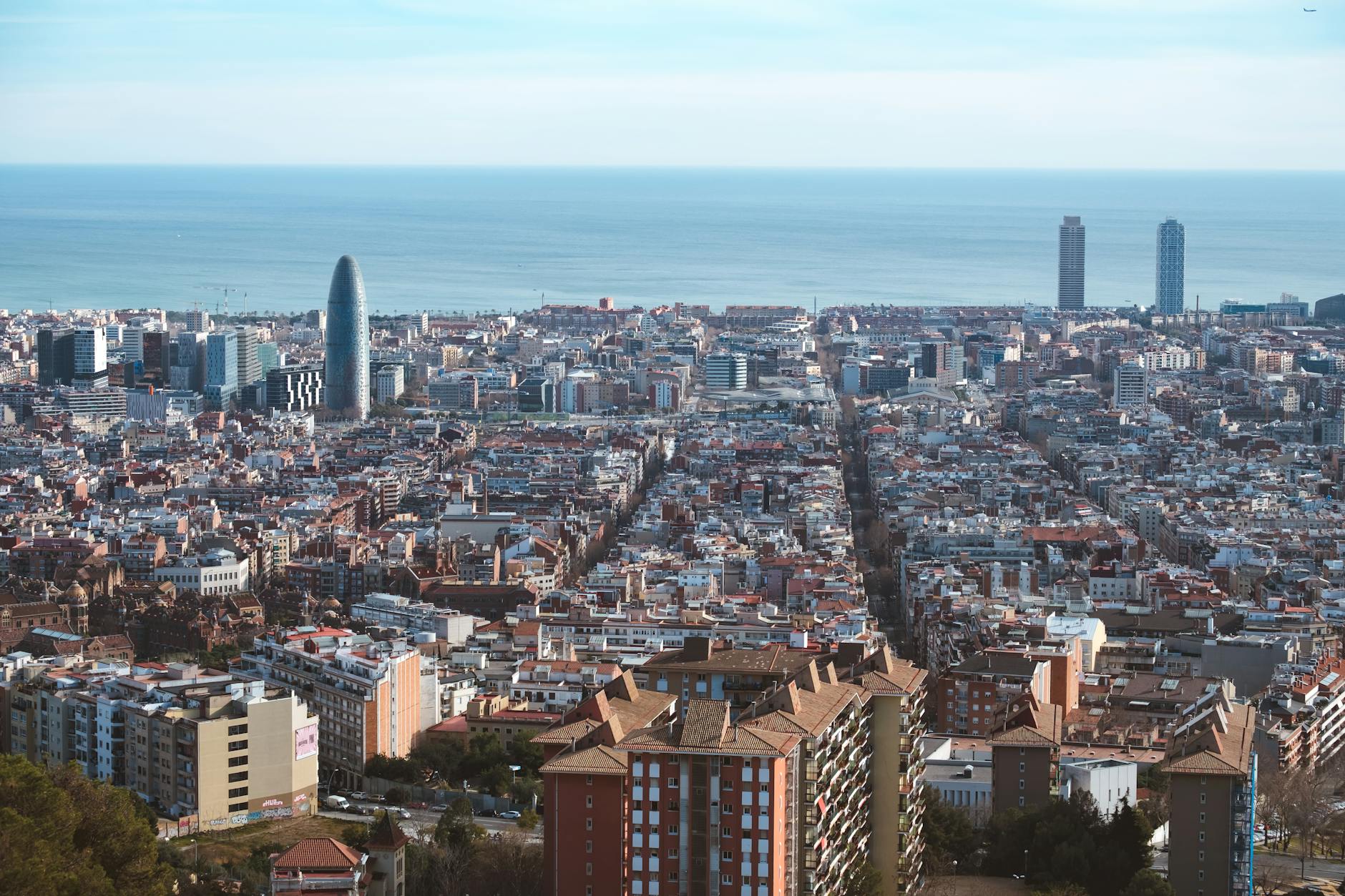
Barcelona beaches — Barceloneta especially — are genuinely overcrowded in August. But Barcelona in summer still works if you treat the beach as a secondary activity. Focus on Sagrada Família (book ahead), Park Güell (timed entry required), and the Gothic Quarter in the evenings.
Mallorca (Balearic Islands)
Mallorca is the largest of Spain's Balearic Islands and the most developed. In July-August the airport (PMI) handles more flights than any other Spanish airport. The resort towns (Magaluf, Alcudia) are very busy.
The better summer approach to Mallorca: base yourself in Palma and day trip to the northwest coast (Valldemossa, Sóller, Port de Sóller). The Serra de Tramuntana mountain range is a UNESCO World Heritage Site with hiking trails and dramatically quieter beaches than the south coast.
Menorca (45min by plane from Palma, or ferry from Barcelona) is significantly quieter than Mallorca, with better-preserved natural beaches and a slower pace.
Getting there: Direct flights from most European cities to Palma. Barcelona to Mallorca by high-speed ferry: 8h overnight, or 4h catamaran.
Ibiza — Pick Your Season
Ibiza in July-August is exactly what you've heard: expensive, loud, and packed with nightlife tourists. If that's your trip, it's the best summer destination in Spain for it — the clubs are world-class and the old town (Dalt Vila) is genuinely beautiful.
If you want Ibiza's beaches without the peak-season chaos, September is the answer. The club season winds down after mid-September, but beaches are still warm (water temperature ~25°C) and prices drop.
Canary Islands: Spain's Year-Round Summer Destination
Gran Canaria and Tenerife sit off the northwest African coast and maintain ~24°C year-round regardless of European seasons. They're technically part of Spain but feel different — volcanic landscapes, black sand beaches (Tenerife) alongside white sand (Gran Canaria's Maspalomas).
In summer on the mainland, the Canaries are actually slightly less popular than winter (many Europeans visit January-March to escape cold). That makes them a good mainland-summer alternative.
Getting there: Direct flights from most European cities. From Madrid: 2h 30min. From Frankfurt (my home base): 4h direct.
Best Time to Visit Spain in Summer: Month-by-Month
| Month | South (Seville/Granada) | North (Basque/Galicia) | Islands |
|---|---|---|---|
| June | 28–30°C, ideal | 20–22°C, excellent | 23–24°C |
| July | 38–42°C, brutal midday | 22–25°C, peak season | 25°C |
| August | 40–44°C, extreme | 23–26°C, busy | 26°C |
| September | 30–34°C, improving | 19–22°C, best value | 25°C |
June and September are the best summer months for Spain overall. The shoulder months give you good weather without the extreme heat or peak prices.
Practical Summer Spain Tips
Book Alhambra tickets early. Seriously. 6–8 weeks minimum in July-August. Same for Sagrada Família (though those are easier to get).
Train travel in Spain is excellent. Renfe's high-speed AVE network connects Madrid to Seville (2h 30min), Barcelona (2h 40min), Granada (~4h), Valencia (1h 40min). The Eurail Spain pass is worth it for itineraries covering 4+ cities. For a full rail itinerary, see our 10-day Spain itinerary by train.
Accommodation: Book hotels in Barcelona, Seville, and the islands 2–3 months ahead for July-August. The north coast (Bilbao, San Sebastián) is easier — 4–6 weeks usually enough.
travel budget calculator: A realistic daily budget for Spain in summer: €80–120/day (mid-range accommodation, meals, transport). Barcelona and the islands run €20–30/day higher. Northern Spain is slightly cheaper.
For a full breakdown, see our trip to Spain cost guide and car rental in Spain guide if you're covering rural areas.
FAQ: Places to Visit in Spain in Summer
When is summer in Spain? Meteorological summer in Spain runs June through September. Peak tourist season is July and August. For weather purposes, the south reaches summer temperatures by late May; the north stays mild all summer.
What is the prettiest place in Spain to visit? Subjective, but the most commonly agreed answer is either the Alhambra in Granada, the old town of Salamanca, or the Basque coast around San Sebastián. For pure natural beauty, the Picos de Europa mountains in Cantabria are extraordinary.
What is the #1 attraction in Spain? The Alhambra (Granada) is Spain's most-visited paid attraction, followed by the Sagrada Família (Barcelona) and the Prado Museum (Madrid).
Where should I go in Spain if not Barcelona? San Sebastián for food and beaches. Seville for culture and architecture (in June). Valencia for a less crowded Mediterranean city with better beaches than Barcelona. Bilbao for world-class museums and Basque culture.
Is southern Spain worth visiting in August? It can be, if you plan around the heat. Start activities at 7–8am, stop from 1–6pm, resume in the evening. Many sights are more atmospheric at night. But if you're heat-sensitive, go north or go in June.
What is the best beach destination in Spain for summer? Depends on what you want. Party scene: Ibiza. Quieter, cleaner water: Costa Brava (northern Catalonia) or Menorca. Best waves for surfing: Basque Country coast. Family-friendly all-round: southern Mallorca or Gran Canaria.
📍 More Spain guides:
City Passes — Where to Book
Save on attraction entry with official city passes, booked through Tiqets (instant e-ticket):
- Barcelona: Book on Tiqets → · Full review →
- Madrid: Book on Tiqets → · Full review →
Save More
Save 5% on activities
Use code CHASINGWHEREABOUTS5 in the GetYourGuide app.
Book this exact experience in GetYourGuide appGet Travel Tips in Your Inbox
Join 5,000+ travelers. Get exclusive itineraries, honest reviews, and budget hacks once a week.
No spam. Only high-quality travel advice. Unsubscribe anytime.