Disclosure: Chasing Whereabouts is reader-supported. This guide contains affiliate links to partners like Tiqets, GetYourGuide, Viator and Headout. If you make a purchase through these links, we may earn a small commission at no extra cost to you. This helps us continue providing free, first-hand travel guides. Thank you for your support!
🇫🇷 This guide is part of our comprehensive France Travel Guide.
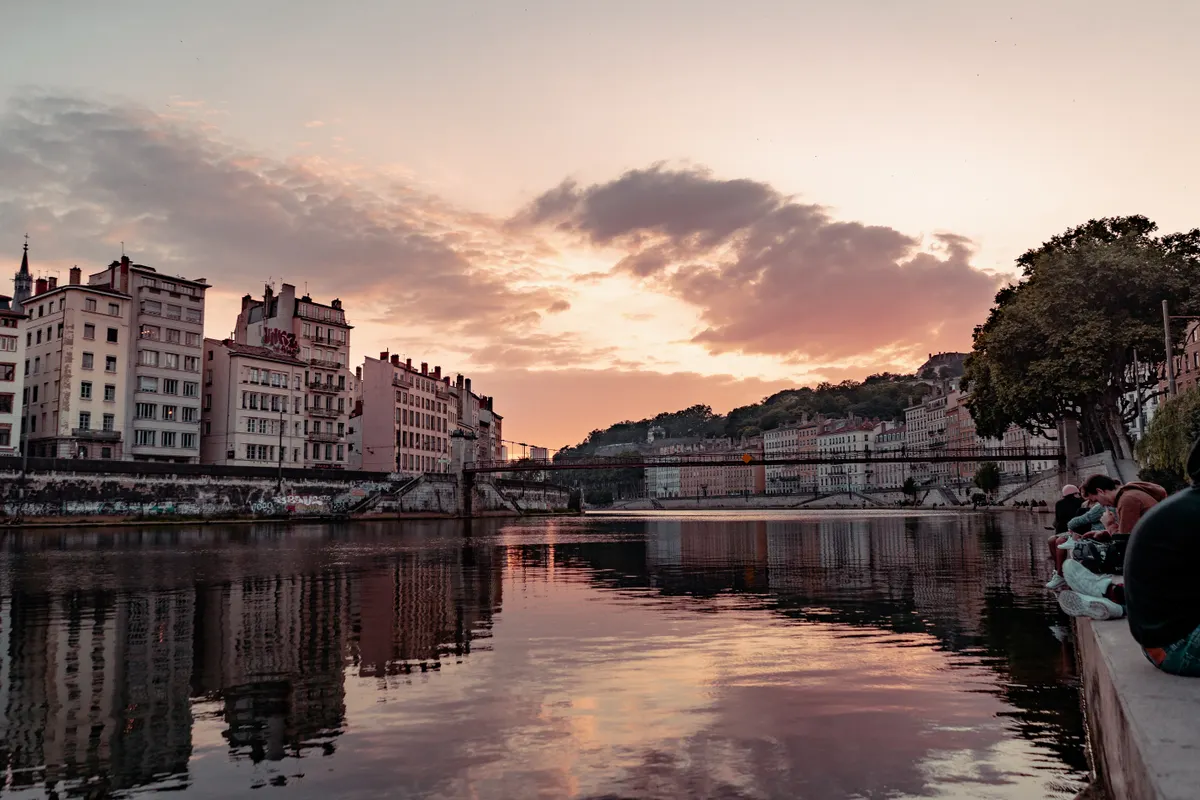
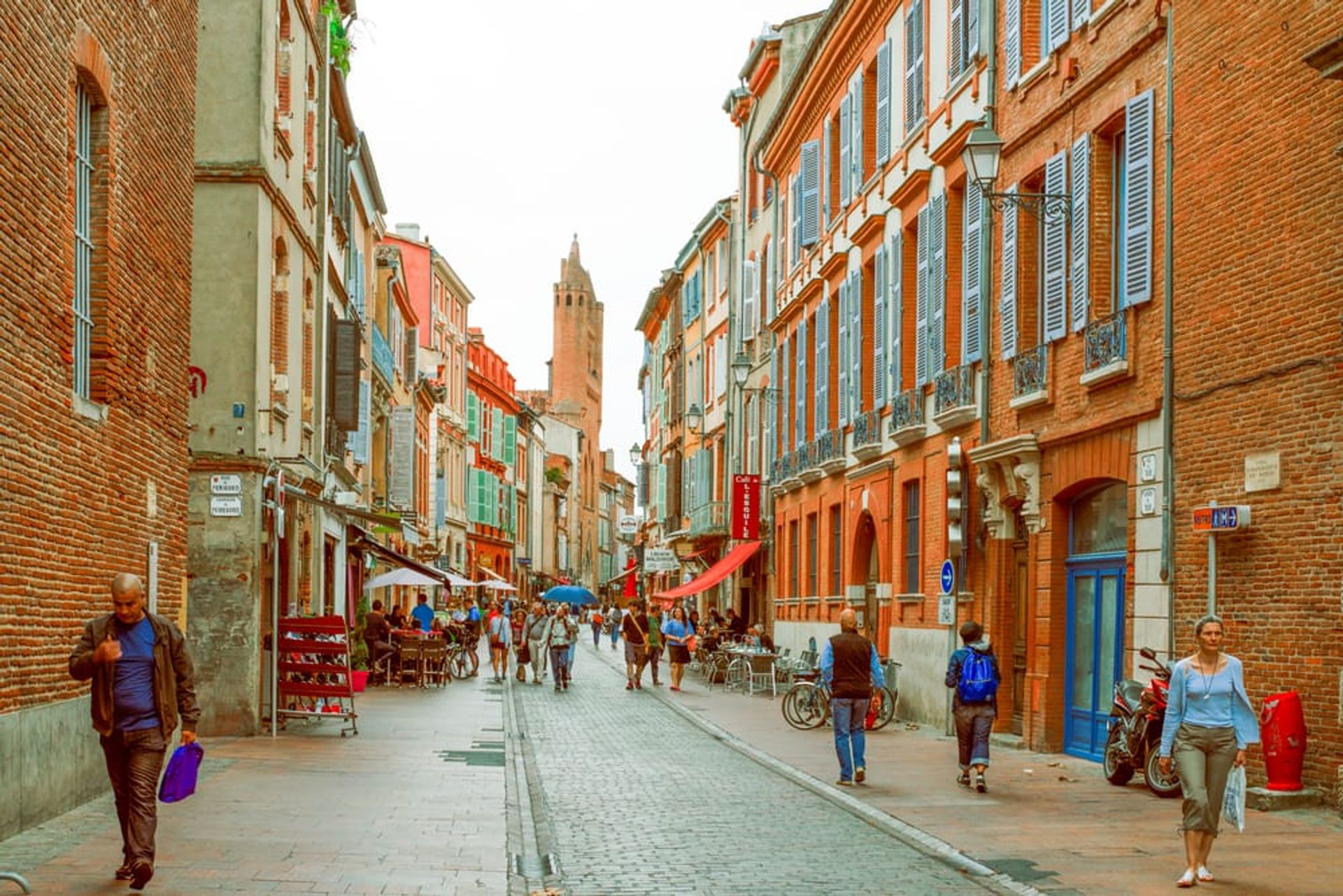
Toulouse is France's fourth-largest city and one of its most underrated. It was voted Best City to Visit in Europe in 2025 by Time Out — a recognition that caught many travellers by surprise. The "Pink City" (named for its distinctive rose-coloured brick buildings) sits in southwest France at the junction of the Canal du Midi and the Garonne River, with the Pyrenees visible on clear days.
I came here as a detour on a Paris–Barcelona rail trip and it turned out to be one of the most pleasant French cities I've visited — great food, walkable, genuinely beautiful architecture, and half the prices of Paris.
Is Toulouse Worth Visiting? Quick Answer
Yes — Toulouse is worth visiting, particularly for:
Advertisement
- Travellers doing south France by train (Toulouse is on the main Paris–Barcelona rail line)
- City break visitors who want a beautiful French city without Paris prices or crowds
- Food enthusiasts (cassoulet originated here)
- Space and aviation fans (Airbus headquarters, Cité de l'Espace)
- Anyone wanting easy access to Carcassonne and Albi
Honest caveat: Toulouse is not Bordeaux or Paris for nightlife or international tourist infrastructure. It's a livable French city with a large student population that rewards slow exploration more than rushed sightseeing.
Top Things to Do in Toulouse
1. Basilique Saint-Sernin
The Basilique Saint-Sernin is the largest Romanesque church in France and one of the finest in Europe — a UNESCO World Heritage Site and the centrepiece of Toulouse's old town. The construction started in 1080 on the site of a 4th-century basilica, and the result is a massive, dignified brick structure with an octagonal bell tower that defines the city skyline.
Cost: Free entry to the nave; crypt visit ~€3
Time: 30–45 min
2. Capitole de Toulouse
Place du Capitole is the heart of the city — a large pedestrianised square dominated by the 18th-century Capitole building (city hall and theatre). The facade is the most photographed in Toulouse. Inside the public rooms, particularly the Salle des Illustres with its ceiling paintings, are worth a look.
Cost: Free to enter during opening hours (typically Tuesday–Sunday)
Best time: Early morning before the café terraces fill up, or evening when the square is lit
Advertisement
3. Cité de l'Espace
Toulouse is Europe's space industry capital — Airbus, CNES (the French space agency), and European Space Agency all have major presences here. The Cité de l'Espace is an interactive space museum and theme park that translates this seriously well: a full-scale replica of the Ariane 5 rocket, a walkable Mir space station mock-up, a planetarium, and a proper outdoor exhibition including a decommissioned Soviet Soyuz capsule.
Cost: €26 adult, €21 child (3–15), family tickets available. Book online — it can sell out on peak summer days.€15 from centre)
Getting there: Bus Linéo 37 from central Toulouse, or taxi (
Time needed: 3–4 hours minimum
4. Musée des Augustins
A medieval Augustinian monastery repurposed as one of France's finest regional art museums. The Gothic cloisters alone are worth visiting — two storeys of carved stonework around a garden. The sculpture collection (Romanesque and Gothic stone carvings from destroyed Toulouse churches) is outstanding.
Cost: ~€8 adult. Free first Sunday of the month.
Hours: Tuesday–Sunday 10am–6pm (Thursday until 9pm)
5. Canal du Midi — UNESCO World Heritage Site
The Canal du Midi runs from Toulouse to the Mediterranean and is the finest example of pre-industrial engineering in France. Built 1666–1681 by Pierre-Paul Riquet, it has been a UNESCO World Heritage Site since 1996.
Advertisement
From Toulouse you can:
- Walk or cycle the towpath: the canal enters Toulouse from the east and runs through to Port de l'Embouchure, where it meets the Canal de Brienne. A 2h cycle from the centre follows the canal east through shaded plane tree canopy.
- Take a boat trip: 2h guided cruise from Port Saint-Sauveur, ~€15 adult. Runs April–October.
- Continue to Carcassonne: day boat or driving along the D6113 parallel to the canal.
6. Saint-Étienne Cathedral
Toulouse's Gothic cathedral is a genuinely odd building — built in stages across different centuries, it was never completed as planned, resulting in a nave that changes style and width halfway along its length. The asymmetry is historically interesting and the stained glass is some of the finest 13th-century work in France.
Cost: Free
Hours: Daily 8am–7pm
7. Les Abattoirs — Modern Art Museum
Former slaughterhouses (1828) converted into a contemporary art museum with a permanent collection covering Picasso (including a major 1936 stage curtain) and major postwar European art.
Cost: €9 adult, free under 18. Free first Sunday of month.
Hours: Wednesday–Sunday 11am–6pm
Advertisement
What to Eat in Toulouse
Cassoulet is the essential Toulouse dish — a slow-cooked casserole of white beans, Toulouse sausage (saucisse de Toulouse), duck confit, and sometimes pork belly. It's heavy, rich, and perfect for a cold day. Every traditional restaurant in the city serves it; expect to pay €15–22 for a proper portion.
Saucisse de Toulouse: the local pork sausage, usually served grilled at market stalls or as part of cassoulet. Try it at the Marché Victor Hugo (Tuesday–Sunday morning), an indoor market in a Belle Époque building near the city centre.
Violet products: Toulouse is the violet capital of France. Violet jam, violet syrup, violet liqueur, and violet candied sweets are all local specialties — good for gifts.
Wine: the Gaillac and Fronton appellations are the local wines. Négrette grape (Fronton) is unique to the Toulouse region — try a glass at any wine bar.
Neighborhoods Worth Exploring
Place du Capitole + Vieux-Quartier (old town): the dense medieval street grid between the Capitole and the Garonne, with the best restaurants, markets, and architecture.
Advertisement
Carmes district: south of the old town, around the Marché des Carmes (daily market). Narrow streets, independent cafés, quieter than the Capitole area.
Saint-Cyprien: across the Garonne on the west bank — a formerly working-class neighbourhood now with good bars, street art, and the Les Abattoirs museum. A different character from the brick-and-history east bank.
Day Trips from Toulouse
Carcassonne (50 min by train)
Carcassonne's medieval fortified city (La Cité) is one of the most complete surviving examples of medieval fortification in Europe. The double ring of walls, 52 towers, and the castle inside have been continuously inhabited since Roman times. Trains from Toulouse Matabiau run roughly every hour.
Entry to La Cité and the outer walls: free. Castle interior (Château Comtal): ~€10 adult. Avoid July–August peak crowds if possible.
Albi (1h by train)
Albi is a smaller Toulousain city with the most dramatic Gothic cathedral in France (the Cathédrale Sainte-Cécile — more fortress than church, with an extraordinary painted interior) and the best museum dedicated to Toulouse-Lautrec. The old town is UNESCO-listed. Trains run roughly every hour from Toulouse Matabiau.
Canal du Midi by bike (half-day)
Rent a bike in Toulouse (€15–20/day from La Maison du Vélo or similar) and cycle the canal towpath east toward Ramonville. The tree-lined canal path is flat and shaded — one of the most pleasant cycling routes in France.
How to Get to Toulouse
From Paris: TGV from Paris Gare Montparnasse → Toulouse Matabiau, ~4h10, runs 8–10 times daily. Book ahead on sncf-connect.com for ~€30–50 one-way (last-minute can reach €100+).
From Bordeaux: TGV or Intercités, ~2h, runs every 1–2h. ~€20–40 one-way.
From Barcelona: TGV/AVE via Narbonne or Figueres, ~3h–3h30. ~€40–70 one-way.
From Marseille: TGV via Montpellier, ~2h30. Roughly every 2h.
Getting around Toulouse: The city has a two-line metro (Ligne A east–west, Ligne B north–south), tram, and bus network. A day pass (Tisséo) covers all: ~€5.50. The old town and most attractions are walkable from central metro stops (Capitole, Jean-Jaurès).
FAQ: Is Toulouse Worth Visiting?
Is Toulouse better than Bordeaux?
Different experiences. Bordeaux is better for wine tourism and a more polished city-break feel. Toulouse is better for architecture, space/aviation history, and using as a base for Carcassonne and Albi. Both are excellent. If you're doing south France by train, it's easy to do both — they're 2h apart.
How many days do you need in Toulouse?
2 days is the right amount. Day 1: old town (Capitole, Saint-Sernin, Musée des Augustins, Marché Victor Hugo for lunch, Canal du Midi walk). Day 2: Cité de l'Espace in the morning, Saint-Cyprien and Les Abattoirs in the afternoon. Day 3 optional: day trip to Carcassonne or Albi.
What is Toulouse known for?
Toulouse is known as the "Pink City" (Ville Rose) for its distinctive red brick buildings, as the home of cassoulet (the white bean and duck sausage stew), as Europe's aerospace capital (Airbus, Concorde was built here), and for the Basilique Saint-Sernin — the largest Romanesque church in France.
Is Toulouse expensive?
No — it's significantly cheaper than Paris. A meal at a mid-range restaurant is €15–25 per person. A glass of wine in a bar is €4–6. Hotels are 40–60% cheaper than equivalent Paris accommodation. It's one of the most affordable large French cities.
Is Toulouse destination safety index to visit?
Yes. Toulouse is generally a safe city. As with any city, take standard precautions around the main train station (Toulouse Matabiau) and avoid poorly lit streets at night. The tourist centre around Place du Capitole and the old town is safe throughout the day and evening.
📍 Also see: One week in France itinerary | France Travel Guide | Europe Travel Guide
City Passes — Where to Book
Save on attraction entry with official city passes, booked through Tiqets (instant e-ticket):
- Barcelona: Book on Tiqets → · Full review →
- Paris: Book on Tiqets → · Full review →
Save More
Save 5% on activities
Use code CHASINGWHEREABOUTS5 in the GetYourGuide app.
Book this exact experience in GetYourGuide appGet Travel Tips in Your Inbox
Join 5,000+ travelers. Get exclusive itineraries, honest reviews, and budget hacks once a week.
No spam. Only high-quality travel advice. Unsubscribe anytime.