

Disclosure: Chasing Whereabouts is reader-supported. This guide contains affiliate links to partners like Tiqets, GetYourGuide, Viator and Headout. If you make a purchase through these links, we may earn a small commission at no extra cost to you. This helps us continue providing free, first-hand travel guides. Thank you for your support!
🇪🇺 This guide is part of our comprehensive Europe Travel Guide.
Is Paris safe? Yes — but it helps to know where to be careful. Paris is one of Europe's most-visited cities and violent crime against tourists is uncommon. The real risk is pickpocketing, which is concentrated in a handful of areas around major landmarks and on certain metro/RER lines. Paris receives 30+ million tourists a year and the vast majority experience nothing worse than crowds. Knowing which spots require extra awareness makes the difference between a relaxed trip and an anxious one.
Is Paris Safe? The Direct Answer
Paris is safe. The city consistently ranks among Europe's major tourist destinations with relatively low violent crime against visitors. What shapes the negative perception: the 2015 terrorist attacks (now over a decade ago, with significantly enhanced security since), media coverage of protests, and pickpocket incidents that get reported loudly.
The actual risk profile for a tourist in Paris:
Advertisement
- Pickpocketing — real, concentrated in predictable spots, entirely avoidable with awareness
- Scams — petition scam, ring scam, three-card monte near monuments — annoying, not dangerous
- Violent crime — rare for tourists; Paris is not a city with mugging culture in tourist zones
- Terrorism — security presence is heavy post-2015; risk exists as it does in any major city
Paris is safer than many people assume, especially if your perception was formed by news coverage in 2015–2018.
Paris Safe Neighborhoods: Best Areas for Tourists
Marais — 4th Arrondissement
The best all-round base for first-time visitors. Historic, LGBTQ+-friendly, boutiques, museums, excellent restaurants. Safe at all hours. €180–350/night for hotels.
Saint-Germain-des-Prés — 6th Arrondissement
Quintessential Paris. Upscale, peaceful, literary. One of the paris safe neighborhoods you can walk at midnight without a second thought. €200–400/night.
7th Arrondissement — Eiffel Tower / Invalides
Residential, prestigious, very safe. Quiet at night — almost too quiet. Good choice for families. €350+/night.
Advertisement
8th Arrondissement — Champs-Élysées
Safe neighborhood with the main caveat being scammers (not criminals) near the Arc de Triomphe and along the Champs itself. The actual crime risk is low.
Bastille — 11th Arrondissement
Bohemian, excellent nightlife, genuinely safe. Best value for a central location. €100–200/night.
Latin Quarter — 5th Arrondissement
Student energy, lively, well-priced relative to its location. Safe at all hours.
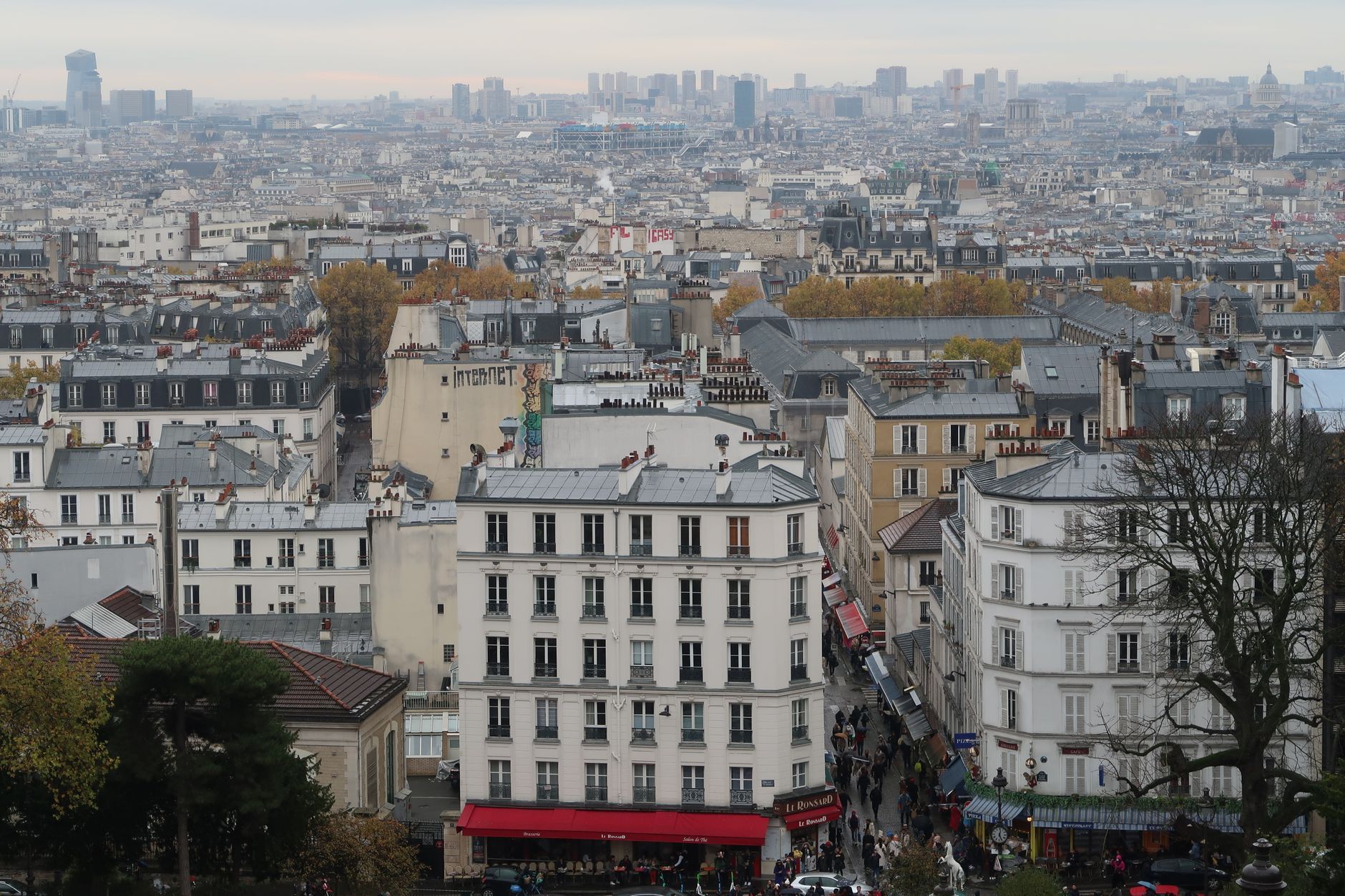
Upper Montmartre — 18th Arrondissement (Hilltop Only)
The hillside village around Sacré-Cœur and Place du Tertre is beautiful and safe during the day. Stay on the hill. The lower 18th near Barbès is a different story (see below).
Neighborhoods to Avoid in Paris (Or Approach With Caution)
Advertisement
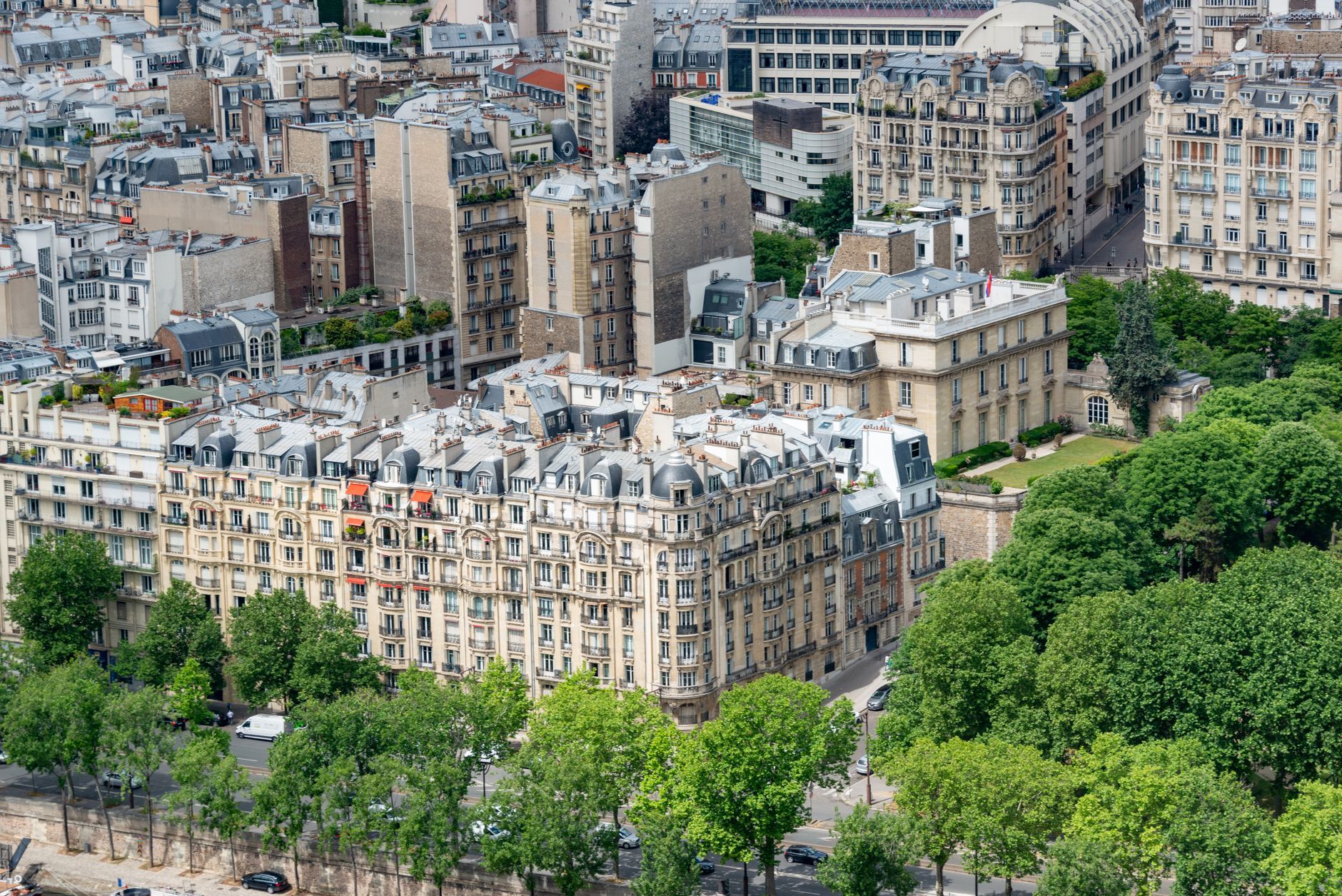
"Avoid" overstates it for most of these — these are areas requiring awareness, not places that are off-limits.
Lower 18th — Barbès-Rochechouart, Goutte d'Or, La Chapelle
The most commonly cited area when people ask about neighborhoods to avoid in Paris. Walking south from Montmartre toward Barbès-Rochechouart metro, the vibe changes quickly.
- Barbès-Rochechouart metro — street hawking, occasional confrontations, concentrated pickpocket activity
- Goutte d'Or — working-class district, fine in daytime, uncomfortable for solo visitors after dark
- Château Rouge, La Chapelle — similar atmosphere; busy during the day, avoid late at night
Practical rule: stay on the Montmartre hill and you're fine. Go below Anvers metro and you're in the lower 18th — keep alert and don't linger. Don't book a hotel here just because it's cheap.
Northern 19th — Stalingrad, Jaurès
The area around Stalingrad metro has been associated with rough street activity and open drug use, particularly late at night. The canal beneath the metro viaduct is a recurring issue. Fine at noon; not where you want to be at 1am on a Friday.
Parc des Buttes-Chaumont (19th) is completely safe in daylight — a beautiful park worth visiting.
Advertisement
Gare du Nord Surroundings — Late Night
Europe's busiest train station is a pickpocket hotspot. The issue is the immediate vicinity late at night — particularly Rue du Faubourg Saint-Denis and Rue de Maubeuge after dark. The station itself during the day is fine; just keep your bag close and ignore anyone offering to "help" at ticket machines.
Châtelet-Les Halles Underground — After 10pm
Fine during the day. The problem is the underground levels after 9–10pm, especially on weekends when crowds thin. A warren of corridors where groups congregate. If you need to change lines late at night here, take an Uber instead.
Paris Arrondissement Safety — Quick Reference
| Arrondissement | Area | Safety | Notes |
|---|---|---|---|
| 1st | Louvre / Les Halles | ✅ Very safe | Pickpockets near Louvre |
| 2nd | Bourse | ✅ Very safe | Quiet, central |
| 3rd–4th | Le Marais | ✅ Very safe | Best for first-timers |
| 5th | Latin Quarter | ✅ Very safe | Lively, student area |
| 6th | Saint-Germain | ✅ Very safe | Upscale, peaceful |
| 7th | Eiffel Tower | ✅ Very safe | Residential, prestigious |
| 8th | Champs-Élysées | ✅ Very safe | Watch for scammers |
| 9th | Opéra / Pigalle | ✅ Safe (upper) / ⚠️ Caution (Pigalle at night) | |
| 10th | Canal / Gare du Nord | ⚠️ Mixed | Canal area fine; station caution |
| 11th | Bastille / Oberkampf | ✅ Safe | Great nightlife area |
| 12th–16th | Various | ✅ Safe | Low tourist incidents |
| 18th | Montmartre / Barbès | ⚠️ Split | Upper (hill) = safe; Lower (Barbès) = caution |
| 19th | Buttes-Chaumont / Stalingrad | ⚠️ Caution | Park fine; Stalingrad at night avoid |
| 20th | Belleville / Père Lachaise | ⚠️ Mixed | Cemetery fine; some outer pockets gritty |
Paris Pickpocket Hotspots
Paris pickpockets don't operate in the "dangerous neighborhoods" — they work in the crowded tourist zones. The specific hotspots:
- Eiffel Tower queues — one of the busiest pickpocket zones in the city; always
- Sacré-Cœur steps — the climb and the crowds at the top; high concentration of Paris pickpockets
- Champs-Élysées — particularly around the Arc de Triomphe and tourist shops
- Louvre entrance queues — while waiting outside or in the glass pyramid hall
- Notre-Dame area — post-reopening crowds are heavy; stay alert
- RER B — the airport line from CDG is notorious; don't leave your luggage unattended for a second
- RER C — similar risk, particularly around Versailles direction
- Metro Line 1 — the busiest tourist line, highest pickpocket activity
- Metro Line 4 — busy interchange line, active around Châtelet
Paris pickpockets work in teams: one distracts (drops something, starts an argument, bumps into you), one takes. The distraction is always something that feels unusual. Don't stop to look.
Practical fixes:
Advertisement
- Phone in front pocket or zipped inside bag, never back pocket or outer backpack pocket
- Keep bag in front of you in crowded spots
- Use a money belt for passport and backup card
- Don't display expensive camera or phone until you're ready to use it
Is Paris Safe at Night?
Central tourist areas — Marais, Saint-Germain, Latin Quarter, Bastille, Champs-Élysées — are safe to walk at night. Paris is a city that stays up late; streets are populated well past midnight in most central areas.
Areas to avoid at night:
- Lower 18th (Barbès, Goutte d'Or, La Chapelle) — especially alone
- Stalingrad area (19th) — avoid after midnight
- Châtelet-Les Halles underground late night — take a taxi instead
- Isolated outer metro exits in 19th and 20th — know where you're exiting before you get off
After midnight in unfamiliar outer districts, €12 Uber beats a 20-minute walk from an isolated metro exit.
Is Paris Safe for Solo Female Travelers?
Yes. Paris is generally safe for solo women, on par with other major European capitals. Central arrondissements (1st–8th) and areas like Le Marais and Latin Quarter are safe to walk at night. Standard big-city precautions apply.
Metro tips:
- Late-night metro: the last cars can be quiet; prefer cars near the driver or in populated sections
- Avoid isolated station exits after midnight in outer districts
- Metro runs until ~1am on weekdays, ~2am on weekends
Areas requiring more caution for solo women at night:
- Lower 18th (Barbès, Goutte d'Or) — street harassment is more common here than in central Paris
- Stalingrad area (19th)
- Outer Pigalle end of the 9th (though not the touristy "SoPi" part)
Street harassment exists in these areas. Violent crime against solo female tourists is rare.
Metro Safety in Paris
Paris metro is generally safe. The main issue is pickpockets, not violence. A few specifics:
- Lines 1 and 4 — busiest tourist lines, highest pickpocket activity; keep bags secured
- RER A — runs to Disneyland and Versailles, crowded, active pickpockets
- RER B — CDG airport line; keep bags on your lap, don't leave anything on overhead racks
- RER C — Versailles/Orsay direction; pickpockets active near major tourist stops
- Lines 13 and 5 (northern sections) — late night, these run into rougher outer areas; fine during the day
Metro closes around 1am (2am weekends). For anything after that, Uber or licensed taxi.
Is Paris Safer Than London?
Comparable, different risk profiles. London has statistically higher street crime overall — knife crime and robbery are more prevalent. Paris has more concentrated pickpocketing near tourist sites. Both cities are safe for tourists exercising normal awareness.
The 2015 terrorist attacks affected Paris's perception more than its actual current risk level. Security presence at major sites (Eiffel Tower, Louvre, Notre-Dame) is extensive post-2015 — bag checks, armed patrols, barriers.
Paris Safety Scams to Know
The petition scam: Someone approaches with a clipboard asking you to sign a petition. While you're distracted signing, an accomplice takes from your bag. Just say "non" and keep walking.
The gold ring scam: Someone "finds" a ring on the ground and claims you dropped it, then asks for money. Common on every main tourist route, particularly near the Louvre and Champs-Élysées. Just walk.
Airport taxi scam: Unlicensed drivers outside CDG offering rides. Use the official taxi queue (white cars with roof lights) or book Uber before landing.
Gare du Nord ticket machines: Ignore anyone who approaches to "help" you, regardless of how friendly they seem. They will demand money after "helping."
Three-card monte: Street gambling near major monuments. You won't win; don't try.
FAQs: Is Paris Safe?
Is Paris safe for tourists?
Yes. Main risk is pickpocketing, not violent crime. Paris receives 30M+ tourists annually and the overwhelming majority have no safety incident beyond losing a phone to a pickpocket — and even that's avoidable with basic precautions.
What areas of Paris should I avoid?
For tourists: lower 18th near Barbès-Rochechouart, northern 19th around Stalingrad, and the immediate vicinity of Gare du Nord late at night. None are "no-go" zones — just areas where you need more awareness than in the Marais.
Is Paris safe at night?
Central tourist areas yes — they stay populated late. Avoid lower 18th, Stalingrad area, and late-night Châtelet underground. Use Uber after midnight in unfamiliar outer districts.
Is Paris safe for solo female travelers?
Yes, with standard big-city precautions. Central arrondissements are safe to walk at night. Avoid lower 18th and northern 19th areas alone after dark — street harassment is more common there.
Is the metro safe in Paris?
Generally yes. Watch bags on busy lines (1, 4, RER A/B near CDG). Pickpockets work in pairs in crowded carriages. Keep bag zipped and in front of you. Metro is safe to use at all normal hours.
Is Paris safer than London?
Comparable. London has more street crime statistically; Paris has more pickpocketing near tourist sites. Both are safe for tourists exercising normal awareness.
📍 Also see: Best things to do in Paris | How to get to Étretat from Paris | Europe Travel Guide
City Passes — Where to Book
Save on attraction entry with official city passes, booked through Tiqets (instant e-ticket):
- Paris: Book on Tiqets → · Full review →
- London: Book on Tiqets → · Full review →
Save More
Save 5% on activities
Use code CHASINGWHEREABOUTS5 in the GetYourGuide app.
Book this exact experience in GetYourGuide appGet Travel Tips in Your Inbox
Join 5,000+ travelers. Get exclusive itineraries, honest reviews, and budget hacks once a week.
No spam. Only high-quality travel advice. Unsubscribe anytime.