
Disclosure: Chasing Whereabouts is reader-supported. This guide contains affiliate links to partners like Tiqets, GetYourGuide, Viator and Headout. If you make a purchase through these links, we may earn a small commission at no extra cost to you. This helps us continue providing free, first-hand travel guides. Thank you for your support!
🗺️ This guide is part of our comprehensive Travel Planning Hub.
Are you tired of blowing your travel travel budget calculator on food?
You're not alone. Budgeting for food can be a real head-scratcher, especially when you're exploring new destinations. But fear not, intrepid traveler! Today, we're diving deep into the world of food budgets to help you make the most of your travel dollars.
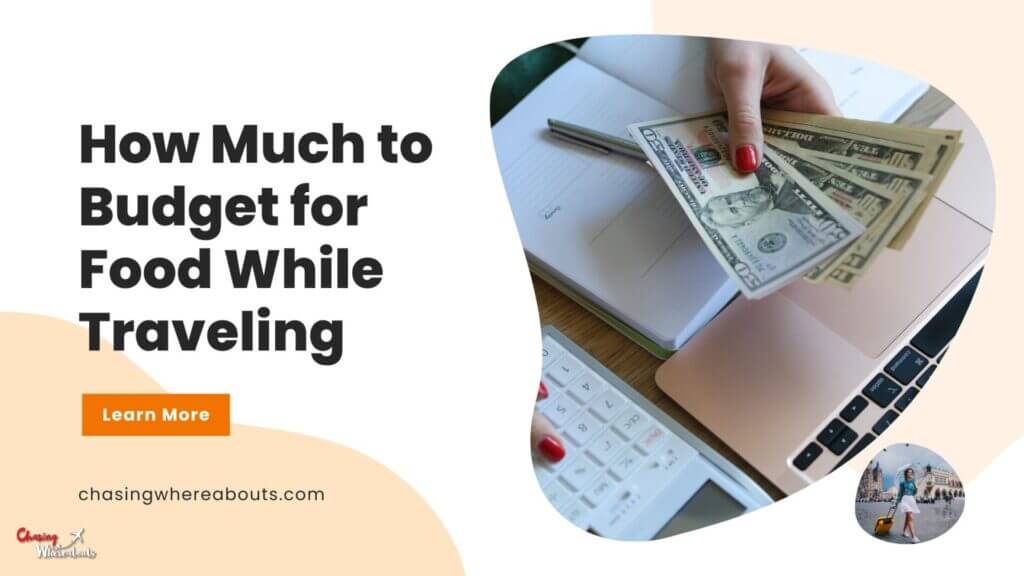
Why Food Budgeting Matters Beyond Just Money
Food isn't just fuel; it's an integral part of the travel experience. It's how we connect with local culture, discover new flavours, and create lasting memories. A well-planned food budget means you can enjoy these experiences without the constant stress of overspending. It allows you to indulge when it matters and save strategically when it doesn't, ultimately enhancing your entire trip.
Advertisement
Factors Affecting Your Food Budget
Several factors can significantly impact your food budget:
-
Destination: Food costs vary widely across the globe. A budget-friendly meal in Southeast Asia might be a luxury in Northern Europe. For instance, a simple restaurant meal in Zurich, Switzerland, could easily set you back €25-€35, while a similar quality meal in Lisbon, Portugal, might be closer to €12-€18. Exchange rates also play a crucial role – a strong Euro means your money goes further in some non-Eurozone countries, and vice-versa. /destinations/europe
-
Travel Style: Backpackers, luxury travelers, and foodies will have different dietary needs and preferences. Are you content with supermarket sandwiches and street food, or do you dream of tasting menus and fine dining? Your approach to travel fundamentally dictates your food spending.
-
Eating Habits: Cooking your own meals in self-catering accommodation can save you a significant amount, but eating out every day will inevitably cost more. Do you need a fancy coffee every morning? Will you be having snacks and drinks throughout the day? These small habits add up quickly.
-
Dietary Restrictions: Special diets can limit your options and potentially increase costs. Finding gluten-free, vegan, or specific allergen-friendly options can sometimes mean fewer budget-friendly choices, especially in regions less accustomed to diverse dietary needs. I've found that in major European cities, these options are becoming more common, but they often come with a slight premium.
Advertisement
Getting Around with Food in Mind
How you move around a destination can directly impact your food budget.
- Public Transport vs. Walking: Relying on public transport (metro, bus, tram) or simply walking can lead you to local neighbourhoods away from tourist traps, where food prices are often significantly lower. A single public transport ticket in a major European city usually costs between €1.50 - €3.00. Consider a daily or weekly pass (e.g., €7-€10 for a day pass) if you plan to explore widely. /travel-tips/public-transport-guides
- Food Delivery Apps: Apps like Uber Eats, Deliveroo, or Lieferando (in Germany) can be convenient, especially after a long day. However, they typically add delivery fees (often €2-€5) and service charges, making your meal more expensive than if you picked it up yourself. Use them sparingly if you're on a tight budget.
- Proximity to Amenities: When choosing accommodation, consider its proximity to supermarkets, local markets, or areas known for affordable eateries. A short walk to a LIDL or ALDI can save you a taxi fare and make grocery shopping a breeze.
Where to Stay: Your Food Budget's Best Friend
Your choice of accommodation is a silent partner in your food budgeting strategy.
- Hostels: Many hostels offer shared kitchen facilities, which are fantastic for cooking your own meals and meeting fellow travellers. This is hands-down one of the best ways to save on food. Look for hostels with good reviews on kitchen cleanliness and equipment.
- Apartments/Airbnbs: Opting for an apartment with a full kitchen, even for a few days, can dramatically reduce your food expenses. You can cook breakfast, pack lunches, and even prepare dinner. This is especially cost-effective for families or longer trips.
- Hotels: While hotels might not have full kitchens, many offer mini-fridges, which are great for storing snacks, drinks, and leftovers. A hotel with complimentary breakfast is a huge bonus, effectively cutting out one meal's expense each day.
- Neighbourhoods: Staying in a less touristy neighbourhood might mean slightly longer commutes to major attractions, but it often puts you closer to authentic, budget-friendly local restaurants and supermarkets. In my experience, venturing just a few blocks away from the main square can reveal hidden culinary gems at a fraction of the price. /travel-tips/choosing-accommodation
Estimating Your Food Budget
To estimate your food budget, consider these factors:
- Average Daily Rates: Research average daily food costs for your destination. Websites like Numbeo can provide valuable insights, but I also recommend checking local travel blogs or forums for more on-the-ground, up-to-date information. Remember that these are averages; you can always spend less or more.
- Meal Breakdowns: Allocate a budget for each meal: breakfast, lunch, dinner, and snacks. Be realistic about your eating habits. If you know you'll want a morning coffee and an afternoon pastry, factor that in.
- Additional Expenses: Don't forget to account for drinks, alcohol, and tips. In many European countries, tipping is less ingrained than in the US, but a small gratuity (5-10%) for good service is always appreciated. Alcohol, especially in bars or restaurants, can quickly inflate your bill – consider buying drinks from a supermarket if you're looking to save.
Saving Money on Food While Traveling
Here are some tips to How To Save Money On Food While Traveling:
- Embrace Street Food: Indulge in local delicacies without breaking the bank. From Currywurst in Berlin (around €4-€6) to a delicious Pad Thai in Bangkok (as low as €2-€3) or a savoury crêpe in Paris (€5-€8), street food offers an authentic taste of the local culture. Always look for stalls with long queues of locals – a good sign of quality and freshness!
- Grocery Shopping: Cook your own meals in your accommodation. This is a game-changer for budget travellers. A week's worth of basic groceries (bread, cheese, fruit, pasta, eggs) in a European supermarket might cost €30-€50, providing many meals. I often buy local cheeses, cured meats, and fresh bread for delicious, inexpensive picnics.
- Market Feasts: Explore local markets for fresh, affordable produce, baked goods, and sometimes even ready-to-eat meals. In my experience, going to a local farmer's market an hour or so before closing can sometimes yield discounts as vendors try to sell off their remaining stock. Markets like La Boqueria in Barcelona or Borough Market in London are fantastic for fresh produce and prepared foods (though some can be touristy and pricier).
- Take Advantage of Free Breakfast: Many hotels and guesthouses offer complimentary breakfast. Make the most of it – fill up on hearty options, and if discreetly done, grab a piece of fruit or a roll for a snack later in the day.
- Utilize Travel Apps: Discover deals and hidden gems with food-focused apps. "Too Good To Go" is excellent for finding discounted "surprise bags" of unsold food from restaurants and bakeries at the end of the day, helping to reduce food waste and save you money (typically €3-€6 per bag). "TheFork" (or "LaFourchette") offers discounts on restaurant bookings, sometimes up to 50% off the food bill. Google Maps is also invaluable for checking restaurant reviews and price indications.
Best Time to Visit for Foodies
The time of year you travel can significantly impact your food experience and budget.
Advertisement
- Seasonal Produce: Visiting during the peak season for certain local produce can mean fresher, cheaper, and more flavourful meals. Think asparagus season in Germany (April-June), truffle season in Italy (autumn/winter), or fresh berry season across Europe in summer.
- Food Festivals: Many cities host food festivals celebrating local specialities. These are fantastic opportunities to sample a wide
Frequently Asked Questions
Q: What is the 70 20 10 budget rule for travel? The 70/20/10 rule is a simple way to split your money. I adapt it for food budgets: 70% of your daily food allowance goes to groceries and street food, 20% to sit-down restaurants, and 10% to treats. This keeps your spending balanced without depriving yourself.
Q: What is a realistic food budget for 2 adults while traveling? On average, I spend around €40-€60 per day for two people in Western Europe. That covers three meals and snacks. In cheaper destinations like Thailand, it drops to €15-€25. Use a travel budget calculator to get a precise number for your destination.
Q: Is £200 a week enough for food after bills? For a solo traveler, £200 per week (about £28 a day) is tight in Western Europe but doable if you cook and avoid restaurants. In Eastern Europe or Asia, it's comfortable. I always check local supermarket prices before I go.
Q: What is the 50/30/20 rule in the UK for holiday spending? The 50/30/20 rule works well for UK travelers planning a holiday. Allocate 50% of your trip budget to needs like accommodation and transport, 30% to wants like food and activities, and 20% to savings or an emergency fund. It keeps you from overspending on meals.
Save More
Save 5% on activities
Use code CHASINGWHEREABOUTS5 in the GetYourGuide app.
Book this exact experience in GetYourGuide appGet Travel Tips in Your Inbox
Join 5,000+ travelers. Get exclusive itineraries, honest reviews, and budget hacks once a week.
No spam. Only high-quality travel advice. Unsubscribe anytime.