Disclosure: Chasing Whereabouts is reader-supported. This guide contains affiliate links to partners like Tiqets, GetYourGuide, Viator and Headout. If you make a purchase through these links, we may earn a small commission at no extra cost to you. This helps us continue providing free, first-hand travel guides. Thank you for your support!
🇩🇪 This guide is part of our comprehensive Germany Travel Guide.
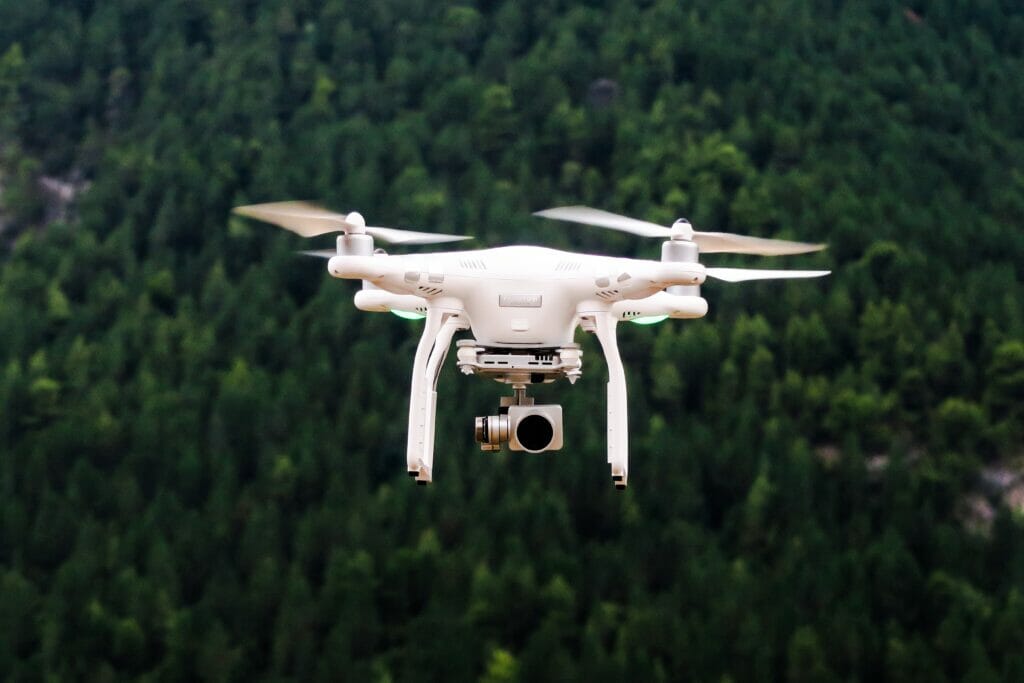
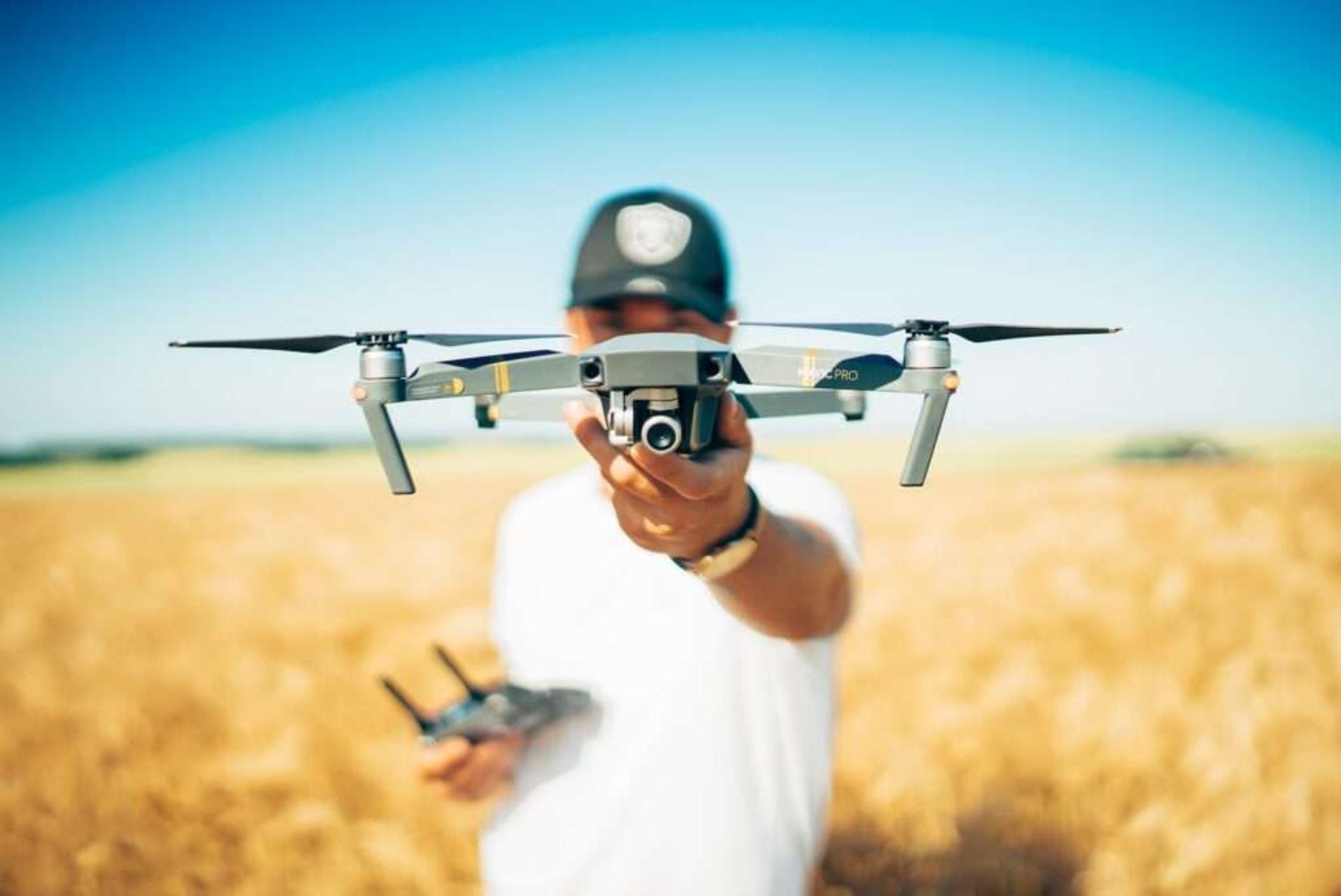
If you're looking to fly drone in Germany, it's important to understand the rules and regulations that come with it. Drones have become increasingly popular in recent years, providing a new perspective on the world around us. However, flying a drone comes with a lot of responsibilities, especially when it comes to following the rules and regulations set by the authorities in Germany.
In this article, we'll discuss everything you need to know about how to fly a drone in Germany, including the legal requirements, no-fly zones, and best practices for destination safety index and responsible flying. By following these guidelines, you can ensure a smooth and enjoyable Flying Drones In Europe experience in Germany while also respecting the privacy and safety of others.
Watch my Germany drone rules video on YouTube
Before You Fly: Get Your EU Drone License
If your trip includes the EU or an EASA-associated country, sort your drone paperwork before you pack the batteries. For most drones from 250 g, the A1/A3 certificate is the baseline remote pilot proof; A2 may be needed for some heavier open-category flights closer to people. EASA's open-category guidance explains the A1, A2, and A3 operating subcategories, and the national aviation authority still controls registration, maps, insurance, and local restrictions.
Advertisement
Start the online EU drone license training with DroneLicense.eu
Affiliate disclosure: this is our partner link. DroneLicense.eu can help with EU drone training and exams, but always check the official EASA open-category rules and the national aviation authority for your destination before you fly.
2026 Quick Rule Check for Germany
Germany follows the EU/EASA drone framework, with official operator registration and qualification information available through the federal UAS operations platform. For location checks, use Germany's official DIPUL geographical zones information before takeoff.
Before you fly:
- Register as an operator if your drone setup requires it, including many camera drones.
- Carry your A1/A3 or A2 certificate if your drone or operation requires pilot competency proof.
- Check DIPUL for geographical zones, not just your drone manufacturer's app.
Legal Requirement to Fly Drone in Germany
Registration
- Registration: Check Germany's official UAS operations platform before flying. As a practical rule, operators of drones from 250 g and many sub-250 g drones with cameras or similar sensors should expect registration requirements. Your operator number must be displayed as required.
Insurance
All drone pilots in Germany should confirm liability insurance before flying, because damage caused during a flight may not be covered by a normal travel policy. Check the latest insurance requirements with the LBA or your insurer before takeoff.
Advertisement
Permit
Permit: In some cases, a permit may be required to fly a drone in Germany. This applies to drones weighing more than 5 kilograms, or if you plan to fly in certain areas such as cities or near airports. To obtain a permit, you will need to apply to the LBA and provide details about your drone and the planned flight.
Drone Categories
Use the current EU/EASA framing in Germany: open, specific, and certified categories. Most travel drone pilots are trying to stay in the open category, which then depends on A1, A2, or A3 subcategory rules.
For simple travel flights, keep it conservative: stay below 120 m, keep visual line of sight, avoid crowds, avoid restricted zones, and fly far from people if your drone or certificate requires A3 conditions.
What are the different no-fly zones in Germany
-
Airports: Drones are not allowed to be flown within 1.5 kilometers of airports or airfields. This is to ensure that drones do not interfere with commercial or private aircraft.
-
Military Installations: Drones are not allowed to be flown over military installations or within a radius of 1.5 kilometers around them. This is to prevent any potential security risks or interference with military operations.
Advertisement
-
Nature Reserves: Drones are not allowed to be flown over nature reserves or within a radius of 100 meters around them. This is to protect wildlife and prevent any disturbance to their natural habitats.
-
Consequences of violating no-fly zones: Violating no-fly zones in Germany can result in fines and even criminal charges. The fines can range from €5,000 to €50,000, depending on the severity of the offense. In some cases, the drone may also be confiscated.
It's important to check the no-fly zones in your area before flying your drone in Germany. Many no-fly zones are marked on aviation maps, and there are also mobile apps available that can help you identify restricted areas. As a responsible drone pilot, it's crucial to follow all regulations and respect the privacy and safety of others.
Best Practices for Flying a Drone in Germany
-
Stay within visual line of sight: To ensure the safety of your drone and others, always keep it within your visual range. This will help you avoid obstacles and prevent any potential accidents.
-
Avoid crowded areas: Do not fly your drone over crowds or in areas with a high concentration of people. This can be dangerous and may violate privacy laws.
Advertisement
-
Respect privacy: Be mindful of people's privacy when flying your drone. Do not fly over private property without the owner's permission, and avoid capturing images or videos of individuals without their consent.
-
Practice safety and responsibility: Always follow the rules and regulations when flying your drone in Germany. Make sure to register your drone, obtain necessary permits, and follow all no-fly zones. In addition, be aware of weather conditions and always fly your drone in a safe and responsible manner.
Conclusion
Flying a drone in Germany can be an exciting and rewarding experience, but it's important to follow the rules and regulations to ensure the safety of yourself and others. By understanding the legal requirements, no-fly zones, and best practices for flying a drone in Germany, you can enjoy your drone hobby while respecting the privacy and safety of others. Remember to always stay informed and up-to-date with the latest regulations, and enjoy your drone flying experience responsibly.
FAQ: Flying a Drone in Germany
Do I need a drone license in Germany?
If your drone or operation requires pilot competency proof, complete A1/A3 or A2 before flying. Germany follows the EU/EASA framework.
Do I need to register a DJI Mini in Germany?
Do not assume "under 250 g" means no paperwork. Germany's official UAS platform notes registration duties for operators of drones over 249 g and for sub-250 g drones with cameras or similar sensors.
Advertisement
Where do I check no-fly zones in Germany?
Use DIPUL and the current official UAS operations platform before every flight.
Save More
Save 5% on activities
Use code CHASINGWHEREABOUTS5 in the GetYourGuide app.
Book this exact experience in GetYourGuide appGet Travel Tips in Your Inbox
Join 5,000+ travelers. Get exclusive itineraries, honest reviews, and budget hacks once a week.
No spam. Only high-quality travel advice. Unsubscribe anytime.