Disclosure: Chasing Whereabouts is reader-supported. This guide contains affiliate links to partners like Tiqets, GetYourGuide, Viator and Headout. If you make a purchase through these links, we may earn a small commission at no extra cost to you. This helps us continue providing free, first-hand travel guides. Thank you for your support!
🎒 This guide is part of our comprehensive Travel Gear & Tech Hub.
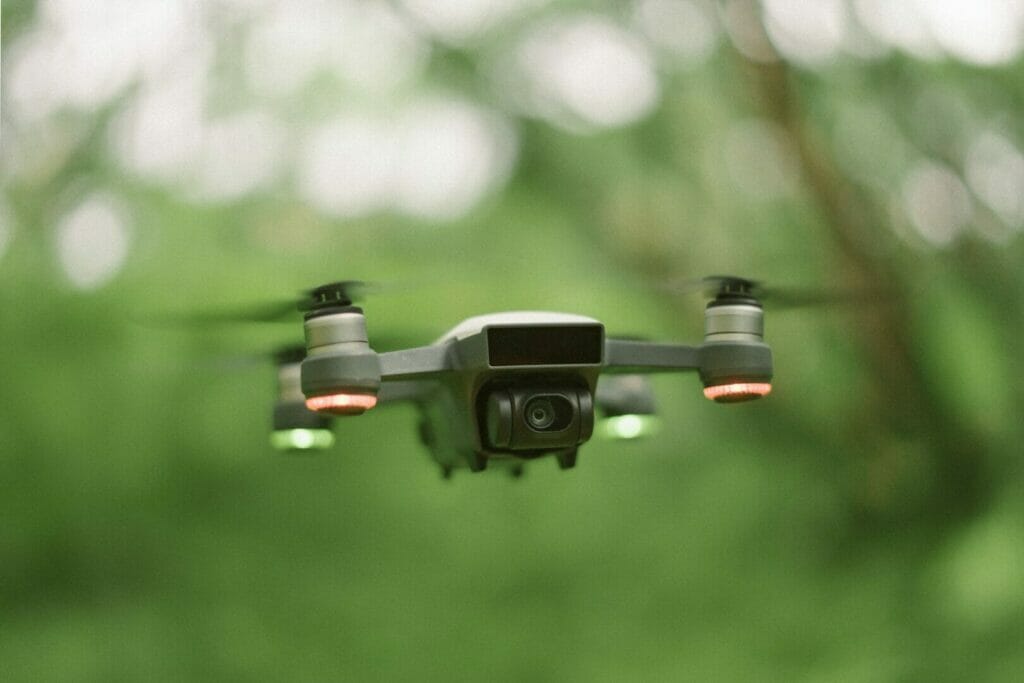
In recent years, the use of drones has gained significant popularity in a variety of industries, from aerial photography to package delivery. However, with the increasing presence of drones in the airspace, it has become crucial to establish regulations and laws to ensure the safety and privacy of individuals. In Cyprus, the use of drones is subject to specific rules and guidelines set by the authorities. For any traveler, especially those from an EU country like Germany, understanding these local nuances is paramount. Ignoring these regulations can lead to significant fines, confiscation of your expensive gear, or even more severe legal consequences. So, before you pack your drone for a stunning aerial shot of the Cypriot coastline, make sure you're fully clued in.
Before You Fly: Get Your EU Drone License
If your trip includes the EU or an EASA-associated country, sort your drone paperwork before you pack the batteries. For most drones from 250 g, the A1/A3 certificate is the baseline remote pilot proof; A2 may be needed for some heavier open-category flights closer to people. EASA's open-category guidance explains the A1, A2, and A3 operating subcategories, and the national aviation authority still controls registration, maps, insurance, and local restrictions.
Start the online EU drone license training with DroneLicense.eu
Affiliate disclosure: this is our partner link. DroneLicense.eu can help with EU drone training and exams, but always check the official EASA open-category rules and the national aviation authority for your destination before you fly.
Advertisement
2026 Quick Rule Check for Cyprus
Cyprus follows the EU/EASA drone framework and runs its public drone portal at drones.gov.cy. If Cyprus is your first EU/EASA country of operation as a non-EU resident, check the Cyprus registration process before you fly.
Before you fly:
- Confirm operator registration through the official Cyprus UAS portal if required.
- Carry an EU-issued remote pilot certificate if your drone or operation requires A1/A3 or A2 proof.
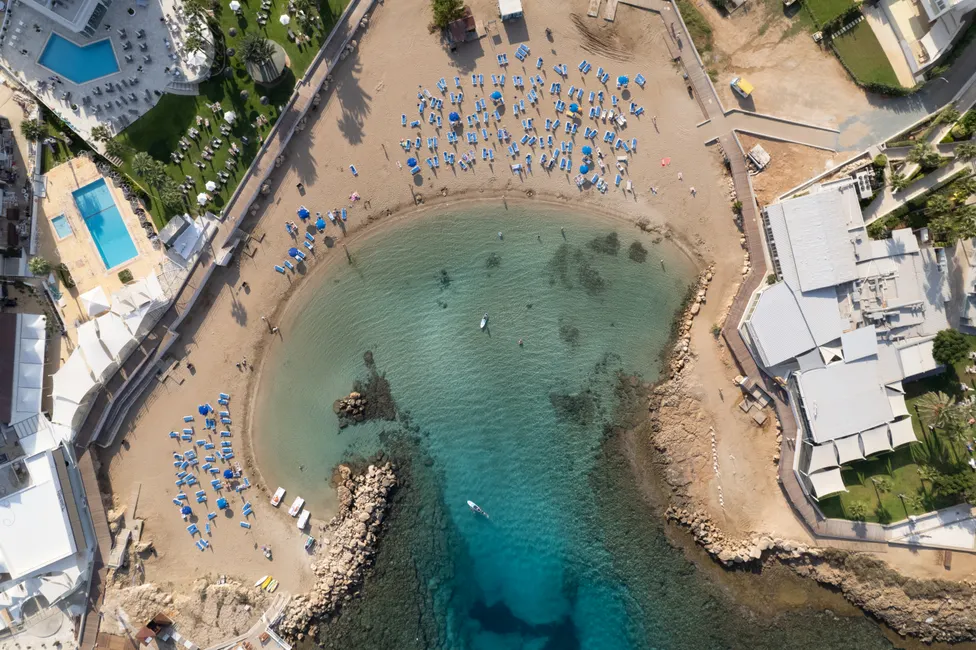
- Check the current Cyprus map and local restrictions before flying near airports, coastlines, archeological sites, military areas, or busy beaches.
Types of Drone Operations in Cyprus
Use the EASA categories when planning your flight:
- Open category: lower-risk flights, usually the relevant category for small travel drones.
- Specific category: higher-risk flights that need operational authorization.
- Certified category: high-risk operations, normally not relevant for tourists.
Most visitors should aim to stay inside the open category. That still means checking whether your flight belongs in A1, A2, or A3, and whether your exact location allows the flight.
Drone Flying Restrictions
When operating a drone in Cyprus, prioritize location checks. Airports, heliports, military areas, protected sites, archeological locations, beaches, and crowded areas can create restrictions quickly. The Cyprus portal notes requirements for non-EU visitors and points pilots toward local registration and training flows, so use it as the primary source before you fly.
Advertisement
For a simple recreational flight, keep your drone below 120 m, within visual line of sight, away from crowds, and away from controlled airspace unless you have specific permission.
FAQ: Flying a Drone in Cyprus
Do non-EU visitors need an EU drone certificate for Cyprus?
Cyprus states that non-EU pilots who want to fly there need an EU-issued remote pilot certificate when their operation requires it. Sort this before your trip rather than after landing.
Is Cyprus a good place for casual drone photography?
It can be, but do not treat beaches and archeological sites as automatically destination safety index. Check the official Cyprus drone portal and current map first.
Where should I register or check rules?
Start with drones.gov.cy and EASA's open-category guidance, then verify the exact takeoff location before flying.
Conclusion
Flying a drone in Cyprus is manageable if you do the paperwork first and keep your flight plan conservative. Register where required, carry the right certificate, check the local map, and avoid sensitive or crowded locations.
Advertisement
Save More
Save 5% on activities
Use code CHASINGWHEREABOUTS5 in the GetYourGuide app.
Book this exact experience in GetYourGuide appGet Travel Tips in Your Inbox
Join 5,000+ travelers. Get exclusive itineraries, honest reviews, and budget hacks once a week.
No spam. Only high-quality travel advice. Unsubscribe anytime.