Disclosure: Chasing Whereabouts is reader-supported. This guide contains affiliate links to partners like Tiqets, GetYourGuide, Viator and Headout. If you make a purchase through these links, we may earn a small commission at no extra cost to you. This helps us continue providing free, first-hand travel guides. Thank you for your support!
🇫🇷 This guide is part of our comprehensive France Travel Guide.
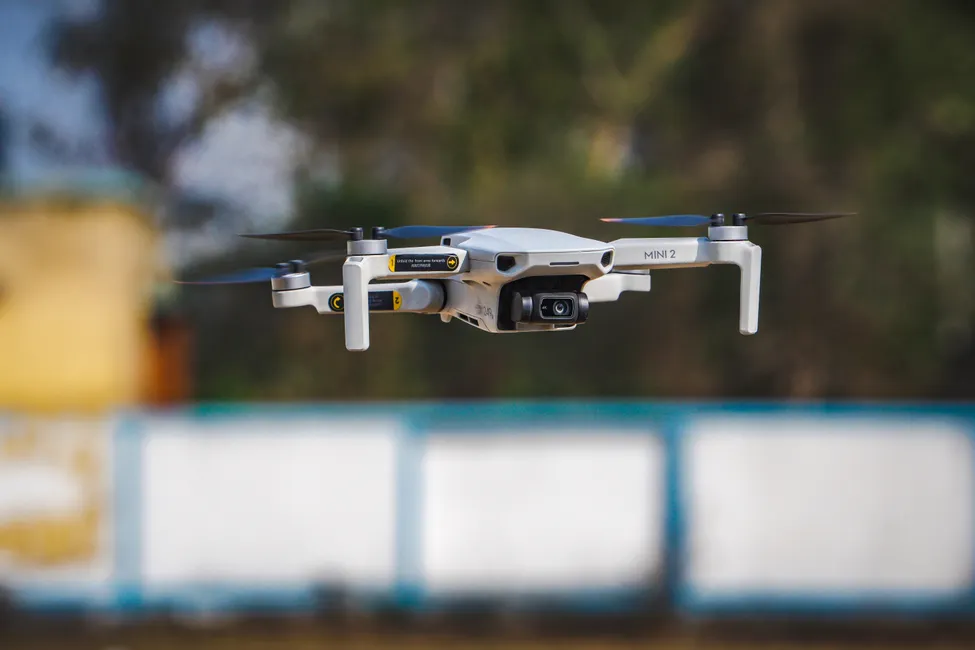
France has implemented strict drone laws to ensure the safety and privacy of its citizens. These laws are in place to regulate the use of drones and prevent any potential accidents or incidents. It is important for drone operators to familiarize themselves with these laws and follow them to avoid penalties and ensure the safety of themselves and others.
Before you travel, check France's official drone rules through the DGAC / Ministry open-category page and the AlphaTango portal. France also publishes UAS restriction layers through Geoportail, which is the map I would check before planning any flight.
Before You Fly: Get Your EU Drone License
If your trip includes the EU or an EASA-associated country, sort your drone paperwork before you pack the batteries. For most drones from 250 g, the A1/A3 certificate is the baseline remote pilot proof; A2 may be needed for some heavier open-category flights closer to people. EASA's open-category guidance explains the A1, A2, and A3 operating subcategories, and the national aviation authority still controls registration, maps, insurance, and local restrictions.
Start the online EU drone license training with DroneLicense.eu
Advertisement
Affiliate disclosure: this is our partner link. DroneLicense.eu can help with EU drone training and exams, but always check the official EASA open-category rules and the national aviation authority for your destination before you fly.
2026 Quick Rule Check for France
France follows the EU/EASA drone framework, with French registration and local services handled through official French portals such as AlphaTango. For flight planning, use the official Geoportail UAS restrictions map.
Before you fly:
- Check whether your drone needs operator registration, pilot training, or aircraft registration in France.
- Confirm your open-category subcategory: A1, A2, or A3. Do not rely on old A/B/C or A1-A4 summaries.
- Check no-fly zones before every flight, especially near Paris, airports, military sites, nuclear plants, monuments, beaches, and protected nature areas.
Tourist Tip
France can be stricter than travelers expect because privacy, sensitive sites, and urban airspace matter a lot. If you want cinematic shots in Paris or around famous monuments, assume you need to verify restrictions first.
The Current Open-Category Framing in France
For most travel creators, the key question is not "which old French category is my drone?" but "which EASA open subcategory applies to this flight?"
Advertisement
- A1: generally the lowest-risk open-category flying, with strict limits around people and no flying over assemblies.
- A2: closer operations with additional training requirements and distance rules.
- A3: flights far from uninvolved people and away from residential, commercial, industrial, or recreational areas.
Your drone's class marking, weight, camera/sensor setup, and flight location decide what you need. If in doubt, use the most conservative category or skip the flight.
Registering Your Drone in France

To register your drone in France, you need to follow a step-by-step process. Here is a guide on how to register your drone:
1. Determine the category of your drone based on its weight and capabilities.
2. Complete the theoretical training course required for your drone category. This course covers topics such as safety rules, flight regulations, and airspace restrictions.
Advertisement
3. Fill out the registration form provided by the French civil aviation authority. This form requires information such as your personal details, drone specifications, and proof of completion of the theoretical training course.
4. Pay the registration fee, which varies depending on the category of your drone.
5. Once your registration is approved, you will receive a registration number that must be displayed on your drone.
It is important to register your drone in France to avoid penalties. Flying an unregistered drone is illegal and can result in fines or confiscation of the drone.
Understanding the No-Fly Zones in France
France has designated certain areas as no-fly zones for drones. These areas include airports, military installations, nuclear power plants, and other sensitive locations. It is important to understand and respect these no-fly zones to ensure the safety of airspace and avoid penalties.
Advertisement
Flying a drone in a no-fly zone can have serious consequences, including the disruption of air traffic and potential danger to people and property. Violating these restrictions can result in fines, confiscation of the drone, and even criminal charges.
To avoid flying in no-fly zones, drone operators should consult the official maps provided by the French civil aviation authority. These maps outline the restricted areas and provide information on the specific restrictions and requirements for each zone.
The Legal Age for Flying a Drone in France
In France, the legal age for flying a drone depends on the category of the drone. For drones in category A1, there is no specific age restriction. However, for drones in categories A2, A3, and A4, the legal age is 14 years old.
It is important to follow the age restrictions for flying a drone in France to ensure the safety of both the operator and others. Flying a drone requires a certain level of maturity and responsibility, and younger children may not have the necessary skills to operate a drone safely.
Parents or guardians should supervise children under the legal age when flying a drone and ensure that they understand and follow all safety guidelines and regulations.
Advertisement
The Importance of Liability Insurance for Drone Owners in France
Liability insurance is an important requirement for drone owners in France. This insurance provides coverage in case of any damage or injury caused by the drone during its operation.
In France, liability insurance is mandatory for drones in categories A3 and A4. This insurance must cover a minimum amount of 1 million euros for personal injury and 100,000 euros for property damage.
Having liability insurance is important for drone owners as it protects them from potential financial liabilities in case of accidents or incidents involving their drones. It also ensures that any damage or injury caused by the drone is properly compensated.
The Penalties for Breaking France's Drone Laws
Breaking France's drone laws can result in severe penalties. The penalties vary depending on the nature and severity of the violation. Here are some examples of the penalties for breaking France's drone laws:
1. Flying an unregistered drone: Fines of up to 75,000 euros and confiscation of the drone.
2. Flying a drone in a no-fly zone: Fines of up to 45,000 euros and confiscation of the drone.
3. Flying a drone without liability insurance: Fines of up to 75,000 euros and confiscation of the drone.
4. Flying a drone in a reckless or dangerous manner: Fines of up to 15,000 euros and confiscation of the drone.
It is important to follow France's drone laws to avoid these penalties and legal consequences. Drone operators should familiarize themselves with the regulations and ensure that they are in compliance at all times.
Tips for destination safety index and Legal Drone Flying in France

To ensure safe and legal drone flying in France, here are some tips to follow:
1. Familiarize yourself with the drone laws and regulations in France. Stay updated with any changes or updates to the laws.
2. Register your drone and display the registration number on your drone.
3. Respect the no-fly zones and avoid flying in restricted areas.
4. Fly your drone within visual line of sight and maintain a safe distance from people, buildings, and other aircraft.
5. Follow all safety guidelines and recommendations provided by the drone manufacturer.
6. Obtain liability insurance if required for your drone category.
7. Be mindful of privacy concerns and avoid capturing or recording images or videos of people without their consent.
8. Fly your drone in a responsible and considerate manner, taking into account the safety and privacy of others.
Following these tips will help ensure the safety of yourself and others, as well as prevent any potential legal consequences.
The Future of France's Drone Laws
France's drone laws are constantly evolving to keep up with the advancements in drone technology and address any emerging safety or privacy concerns. It is important for drone operators to stay up-to-date with these laws to ensure compliance.
The future of France's drone laws may include stricter regulations, especially in areas such as privacy and security. There may be additional requirements for drone operators, such as mandatory training courses or certifications.
It is important for drone operators to stay informed about any changes or updates to France's drone laws and adapt their practices accordingly. This will help ensure that they are flying their drones legally and responsibly.
Conclusion: Navigating France's Drone Laws with Confidence
In conclusion, France has implemented strict drone laws to ensure the safety and privacy of its citizens. It is important for drone operators to familiarize themselves with these laws and follow them to avoid penalties and legal consequences.
Drone operators should understand the different categories of drones in France and the requirements for each category. They should also register their drones and display the registration number on their drones.
Respecting the no-fly zones and following the legal age restrictions for flying a drone are also crucial. Liability insurance is mandatory for certain drone categories and provides protection in case of any damage or injury caused by the drone.
Breaking France's drone laws can result in severe penalties, so it is important to follow the regulations at all times. Following safety guidelines and flying drones responsibly will help ensure the safety of yourself and others.
Staying up-to-date with France's drone laws is important as they may change or be updated in the future. By navigating France's drone laws with confidence, drone operators can enjoy flying their drones legally and responsibly in the country.
FAQ: Flying a Drone in France
Do I need to register my drone in France?
Possibly. France has national registration requirements in addition to EU/EASA rules, so check AlphaTango or Service-Public before you fly.
Is an A1/A3 certificate enough for France?
It may cover the pilot-competency part for many open-category flights, but it does not replace French registration, airspace checks, privacy rules, or location-specific restrictions.
Can I fly a drone in Paris?
Do not assume casual drone flying is allowed in Paris. Check official French maps and authorization rules before planning any city flight.
Where to Buy the Paris Pass
Book the Paris city pass through Tiqets — instant confirmation, skip the queues:
- Book on Tiqets → — Best price, instant e-ticket
- Read my full Paris Pass review → — Is it worth it for your trip?
Save More
Save 5% on activities
Use code CHASINGWHEREABOUTS5 in the GetYourGuide app.
Book this exact experience in GetYourGuide appGet Travel Tips in Your Inbox
Join 5,000+ travelers. Get exclusive itineraries, honest reviews, and budget hacks once a week.
No spam. Only high-quality travel advice. Unsubscribe anytime.