Disclosure: Chasing Whereabouts is reader-supported. This guide contains affiliate links to partners like Tiqets, GetYourGuide, Viator and Headout. If you make a purchase through these links, we may earn a small commission at no extra cost to you. This helps us continue providing free, first-hand travel guides. Thank you for your support!
🇪🇺 This guide is part of our comprehensive Europe Travel Guide.
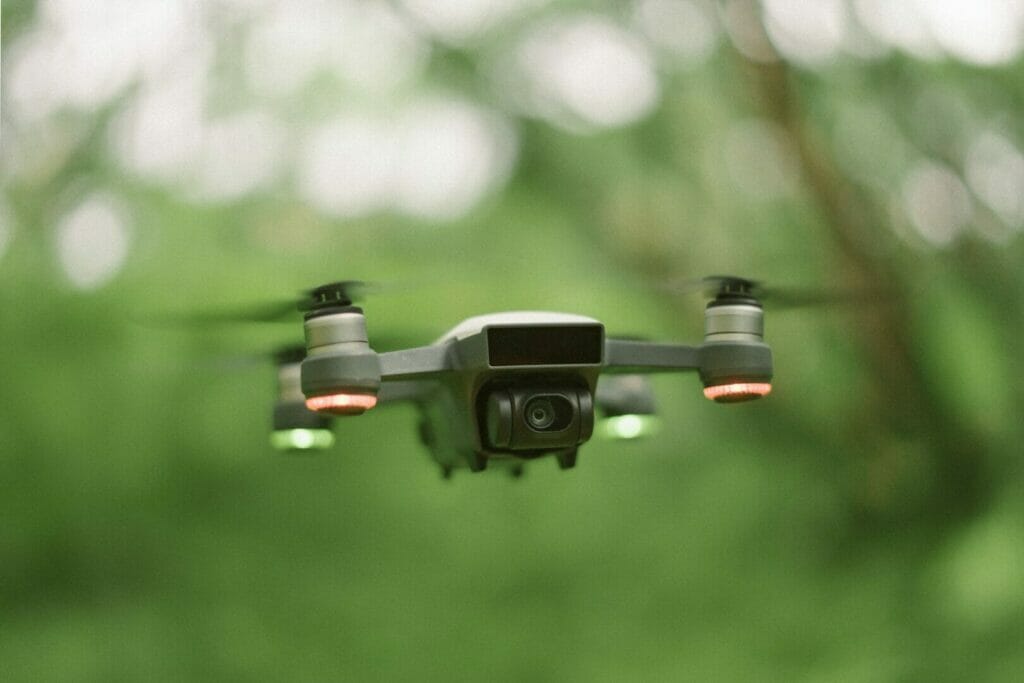
As drones continue to gain popularity worldwide, it is essential for drone enthusiasts and operators to familiarize themselves with the laws and regulations governing the use of unmanned aerial vehicles (UAVs) in their respective countries.
This article will provide an in-depth overview of the drone laws in Albania, including both the legal requirements and the restrictions that need to be followed by drone operators. As a traveler who has navigated these regulations, I aim to provide not just the rules, but also the practical insights you'll need for a smooth experience.
Before You Fly: Get Your EU Drone License
If your trip includes the EU or an EASA-associated country, sort your drone paperwork before you pack the batteries. For most drones from 250 g, the A1/A3 certificate is the baseline remote pilot proof; A2 may be needed for some heavier open-category flights closer to people. EASA's open-category guidance explains the A1, A2, and A3 operating subcategories, and the national aviation authority still controls registration, maps, insurance, and local restrictions.
Start the online EU drone license training with DroneLicense.eu
Advertisement
Affiliate disclosure: this is our partner link. DroneLicense.eu can help with EU drone training and exams, but always check the official EASA open-category rules and the national aviation authority for your destination before you fly.
Licensing and Registration
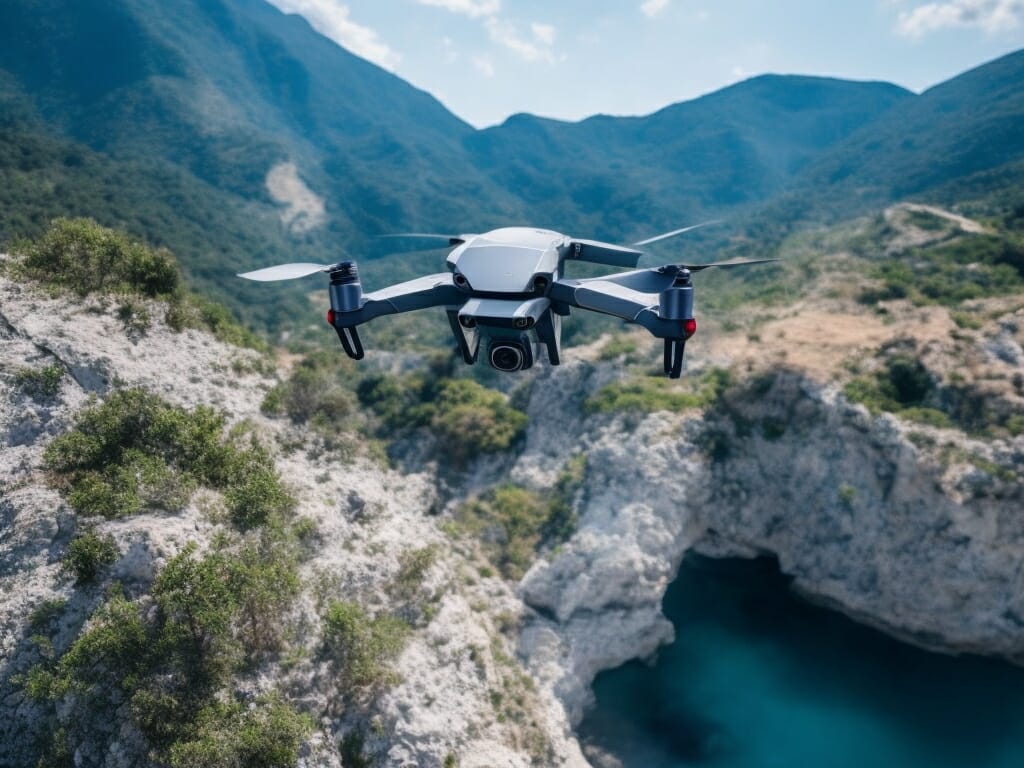
Before operating a drone in Albania, it is crucial to understand the licensing and registration requirements. According to the Aac (AAC), any drone weighing over 250 grams must be registered with the authority, regardless of its purpose or usage. This threshold is quite common across Europe, so if you're familiar with EASA regulations, you'll find similarities here.
Drone operators must fill out a registration form, available on the AAC's official website, providing necessary details such as personal information, drone specifications (make, model, serial number), and intended usage. The AAC website is generally user-friendly, but I recommend having all your drone's technical specifications handy before you start. You'll also likely need to provide proof of identity (passport copy) and potentially proof of address.
Practical Timing & Booking Tips: The registration process can take anywhere from a few days to a couple of weeks, depending on the volume of applications and whether you've provided all necessary documentation upfront. I strongly advise completing this before you travel to Albania. Submitting your application online and following up via email is the most efficient method. There might be a small administrative fee for registration, typically in the range of €10-€30, though this can vary and should be confirmed on the AAC's official site. Once the form is completed, a certificate of registration will be issued, which must always be carried while operating the drone. Keep a digital copy on your phone and a printout with your drone gear.
Advertisement
Flight Rules and Restrictions

To ensure safety and privacy, Albania has established specific flight rules and restrictions that every drone operator must adhere to:
1. No-fly Zones
Drone operators must avoid flying their UAVs in designated no-fly zones, such as airports, military and government facilities, and densely populated areas. Violating this regulation can result in severe penalties, including fines and confiscation of the drone.
Practical Advice: This is perhaps the most critical rule. Major no-fly zones include Tirana International Airport (Mother Teresa Airport), military bases, the Presidential Palace, and areas around government buildings in Tirana and other cities. I recommend checking a reliable drone map application, such as DJI Fly Geo Zones, Drone Safety Map, or AirMap, before every flight. While these apps are helpful, always cross-reference with local signage and err on the side of caution. If you're unsure, don't fly. Fines for violating no-fly zones can be substantial, potentially ranging from €500 to €2,000 or more, depending on the severity and location.
2. Maximum Altitude and Distance
The AAC has defined the maximum altitude and distance that drones can be operated within Albanian airspace. Drones must not exceed the altitude of 120 meters (400 feet) above ground level and should remain within the visual line of sight of the operator during the entire flight.
Advertisement
Practical Advice: The 120-meter limit is standard for recreational drone use in many countries. Always keep your drone within your direct visual line of sight (VLOS) – meaning you can see it with your own eyes, without binoculars or other aids. This helps prevent collisions and allows you to react quickly to unexpected situations. If you're flying in mountainous regions, remember that the 120 meters is above ground level (AGL), not above sea level. Be mindful of terrain changes.
3. Daytime Operations
Drone flights are only permitted during daylight hours. Operations after sunset are strictly prohibited unless special permission is obtained from the AAC. It is essential to consider this limitation and plan flights accordingly to meet legal requirements.
Practical Advice: "Daylight hours" typically refers to the period between civil twilight, which is about 30 minutes before sunrise and 30 minutes after sunset. Flying at night without specific authorization is a serious offense. Obtaining special permission for night flights is a complex process, usually reserved for commercial operations with strong justification, and involves detailed flight plans and safety assessments. For the average traveler, assume no night flying is permitted.
4. Respect for Privacy
Privacy is a significant concern when it comes to drone operations. Drone operators must respect the privacy of individuals and organizations. Capturing images or videos of private property without consent is strictly prohibited.
Practical Advice: Albanians value their privacy, especially in residential areas. Avoid flying over private homes, gardens, or crowded public spaces where individuals might feel their privacy is being invaded. Always be mindful of people around you. If you intend to photograph or film individuals, always ask for their explicit permission first. This not only keeps you compliant with laws but also fosters good relations with locals. Remember that even in public spaces, filming someone without their consent, especially if they are the primary subject, can lead to issues.
Advertisement
Additional Requirements

In addition to the above rules and regulations, drone operators in Albania should also be aware of the following requirements:
1. Insurance
It is advised to have third-party liability insurance coverage for any potential damage caused by the drone during flight operations. Although it is not legally required, having insurance provides financial security and protects the operator from potential risks.
Practical Advice: While not legally mandated for recreational use in Albania, I cannot stress enough the importance of third-party liability insurance. Accidents happen, and a drone falling on someone's property or causing injury can lead to significant financial costs. Many general travel insurance policies do not cover drone-related incidents, so you'll likely need specialized drone insurance. Policies can range from €50-€150 per year, depending on the drone's value and coverage limits. Check with providers like FPV UK, Drone Insurance UK, or local European insurers who offer drone-specific policies. It's a small price to pay for peace of mind.
2. Operating Manual
Drone operators must always carry an operating manual that includes important information regarding the UAV's technical specifications, operating limitations, emergency procedures, and contact details of the operator. This manual should be readily accessible during flight operations.
Advertisement
Practical Advice: This manual doesn't need to be a thick book. A concise, laminated document or a digital file on your phone outlining key safety procedures, your contact information, your drone's serial number, and basic troubleshooting steps is usually sufficient. Many drone manufacturers provide a basic user manual that you can adapt. Having this demonstrates responsibility and preparedness to any authority that might question your operations.
Getting Around Albania
Albania offers a mix of transportation options that are generally travel budget calculator-friendly, which is great when you're traveling with extra gear like a drone.
- Buses and Furgons (Minibuses): These are the most common and cost-effective ways to travel between cities. Buses run on set schedules, while furgons are more flexible, often departing when full. A journey from Tirana to Saranda might cost €15-€25 and take 4-6 hours. They are generally reliable but can be crowded, so keep your drone bag secure.
- Rental Cars: For flexibility, especially if you plan to explore remote areas perfect for drone footage, renting a car is a great option. Prices typically start from €25-€40 per day for a compact car, excluding fuel. Roads can be challenging in mountainous regions, so consider a 4x4 if venturing off the main routes.
- Taxis/Ride-Sharing: Taxis are readily available in cities. Use apps like "UP" in Tirana for transparent pricing. A short city ride usually costs €3-€7.
There isn't a single "transport card" like in larger European cities, but cash (Albanian Lek, ALL) is king for most local transport.
Where to Stay
Albania offers a fantastic range of accommodation, from budget-friendly hostels to luxurious resorts, often with incredible value compared to Western Europe.
- Budget (Hostels/Guesthouses): In cities like Tirana, Shkodër, or coastal towns like Saranda and Himarë, you can find excellent hostels or guesthouses for €15-€30 per night. Look for options in the Blloku area in Tirana for nightlife, or near the Old Town for cultural immersion.
- Mid-Range (Hotels/Apartments): A comfortable hotel or a well-equipped apartment will cost around €40-€80 per night. Consider staying in the Murat Toptani Street area in Tirana for central access, or along the Riviera for stunning sea views. Sites like Booking.com and Airbnb are very popular.
- Luxury (Boutique Hotels/Resorts): High-end options, especially along the Albanian Riviera (Dhermi, Ksamil), can range from €90-€200+ per night, offering amenities like pools and private beach access.
When choosing accommodation, I always look for places with secure storage for my drone equipment, especially if I'm staying in a shared space.
Budget Breakdown (Drone-Specific Costs)
Here's an estimated breakdown of potential drone-related costs for a trip to Albania:
| Item | Estimated Cost (EUR) | Notes |
|---|---|---|
| Drone Registration (AAC) | €10 - €30 | One-time fee, confirm current rates on AAC website. |
| Third-Party Insurance | €50 - €150 (annual) | Highly recommended, though not legally required for recreational use. Crucial for peace of mind. |
| Potential Fines: | ||
| No-Fly Zone Violation | €500 - €2,000+ | Can be severe; includes military, airports, government areas, densely populated zones. |
| Night Flight (no permit) | €300 - €1,000+ | Strict prohibition without special permission. |
| Privacy Violation | €100 - €500+ | Depending on severity and local interpretation. |
| Exceeding Altitude/VLOS | €100 - €500+ | Demonstrates reckless operation. |
| Total Drone-Related | €60 - €180 (initial) | Excluding potential fines. These are the costs you should budget for upfront to ensure legal and destination safety index operation. Fines are to be avoided at all costs! |
Best Time to Visit
The best time to visit Albania for drone operations largely depends on the weather, which can significantly impact flying conditions and visibility.
- Spring (April-May): Mild temperatures, lush green landscapes, and fewer crowds make this an ideal time. Wind conditions are generally favorable, and the light is beautiful for photography.
- Summer (June-August): Hot and sunny, perfect for the beaches of the Albanian Riviera. However, this is peak tourist season, meaning more crowds (and thus more privacy concerns for drone flying) and potentially stronger afternoon winds along the coast.
- Autumn (September-October): Similar to spring, with pleasant temperatures, fewer tourists, and stunning autumn colors in the mountains. Winds are usually calm, offering excellent flying conditions.
- Winter (November-March): Colder, especially in the mountainous interior, with potential for snow. Coastal areas are milder but can be rainy and windy, making drone flying less predictable.
I personally recommend late spring or early autumn for the best balance of good weather, manageable crowds, and optimal flying conditions across the country.
Practical Tips for Drone Operators in Albania
Based on my own travel experiences, here are some insider tips to make your drone adventures in Albania smoother:
- Always Carry Documentation: Have your registration certificate, insurance details, and operating manual (digital and physical) readily accessible. You never know when you might be asked to present them.
- Battery Management: If you're planning to explore remote areas, bring extra drone batteries and consider a portable power bank. Charging options can be sparse outside major towns.
- Check NOTAMs: Before flying, always check for Notices to Airmen (NOTAMs) for any temporary flight restrictions. While the AAC website is the primary source, general aviation apps might also provide this.
- Cultural Sensitivity: Albanians are generally welcoming, but be extra respectful in religious sites, near homes, or during local gatherings. A friendly smile and a "Faleminderit" (Thank you) go a long way.
- Wind Conditions: Coastal areas and mountains can experience strong, sudden winds. Always check the weather forecast, including wind speed, before launching your drone.
- SD Card Storage: Bring multiple high-capacity SD cards. Albania offers incredible landscapes, and you'll want to capture it all! Consider backing up your footage regularly to a portable hard drive.
- Learn Basic Albanian Phrases: Even a few words can help build rapport if you need to ask for permission or explain what you're doing.
Save More
Save 5% on activities
Use code CHASINGWHEREABOUTS5 in the GetYourGuide app.
Book this exact experience in GetYourGuide appGet Travel Tips in Your Inbox
Join 5,000+ travelers. Get exclusive itineraries, honest reviews, and budget hacks once a week.
No spam. Only high-quality travel advice. Unsubscribe anytime.