Disclosure: Chasing Whereabouts is reader-supported. This guide contains affiliate links to partners like Tiqets, GetYourGuide, Viator and Headout. If you make a purchase through these links, we may earn a small commission at no extra cost to you. This helps us continue providing free, first-hand travel guides. Thank you for your support!
🇭🇷 This guide is part of our comprehensive Croatia Travel Guide.
Croatia national parks cover everything from cascading lake systems (Plitvice) to Adriatic island clusters (Kornati) to canyon hiking (Paklenica). There are 9 of them, ranging from €4 to €40 entry. This guide covers all nine with real 2026 prices, how to get there, and how long you actually need at each.
Croatia National Parks: Overview
All 9 national parks in Croatia at a glance — entry prices, best use, and how long to travel budget calculator:
Advertisement
| Park | Region | Entry (2026) | Best For | Duration |
|---|---|---|---|---|
| Plitvice Lakes | Lika-Karlovac | €23–40 | Waterfalls + lakes | Full day |
| Krka | Dalmatia | €7–13 | Waterfalls, Visovac Monastery | Half day |
| Kornati | North Dalmatia | €50–70 (boat) | Islands, sailing | Full day |
| Paklenica | Zadar region | €4–10 | Rock climbing, hiking | Half–full day |
| Brijuni | Istria | €20–35 | History, wildlife safari | Half day |
| Mljet | Dalmatia | €10–15 | Saltwater lakes, beaches | Full day |
| Risnjak | Gorski Kotar | €3–6 | Bears, wolves, low crowds | Half day |
| Northern Velebit | Lika | €4–7 | Remote hiking | Full day |
| Paklenica (lower) | Already above | — | — | — |
Note: Krka no longer allows swimming in the Skradinski Buk pools — that ended in 2021. Current entry is €7–13 depending on season.
Best Time to Visit Croatia National Parks
April–October is the window. Spring (April–May) and autumn (September–October) give you mild temperatures and smaller crowds — the best balance for national parks in Croatia.
June–August is peak season. Weather is excellent but Plitvice and Krka hit capacity early — gates close once the daily limit is reached. Arrive before 8am or after 4pm if you're going in summer.
Advance booking is mandatory in peak season: Plitvice and Krka sell out days ahead in July–August. Book online:
- Plitvice: np-plitvicka-jezera.hr
- Krka: np-krka.hr
Winter is possible at Plitvice (frozen waterfalls look dramatic) but some trails and boat services close.
Advertisement
Getting Around
- Car: Best option for reaching multiple parks, especially Paklenica and Northern Velebit. Parking at most entrances: €1–2/hour. Rent via Rentalcars.
- Bus: Coaches from Zagreb, Split, and Zadar serve Plitvice and Krka. Check schedules on Getbybus.
- Boat tours: Required for Kornati and Brijuni. Book from Zadar/Šibenik for Kornati, from Fažana for Brijuni.
- Ferry: Mljet is accessible by ferry from Dubrovnik (1 hour).
The 9 Croatia National Parks
1. Plitvice Lakes National Park
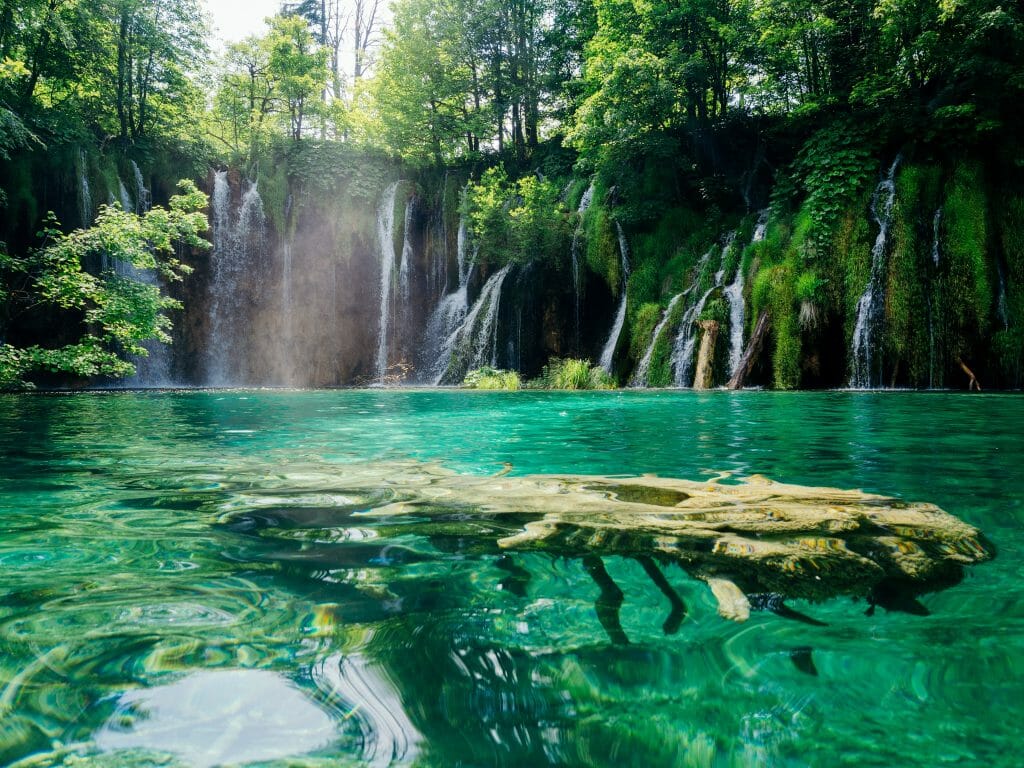
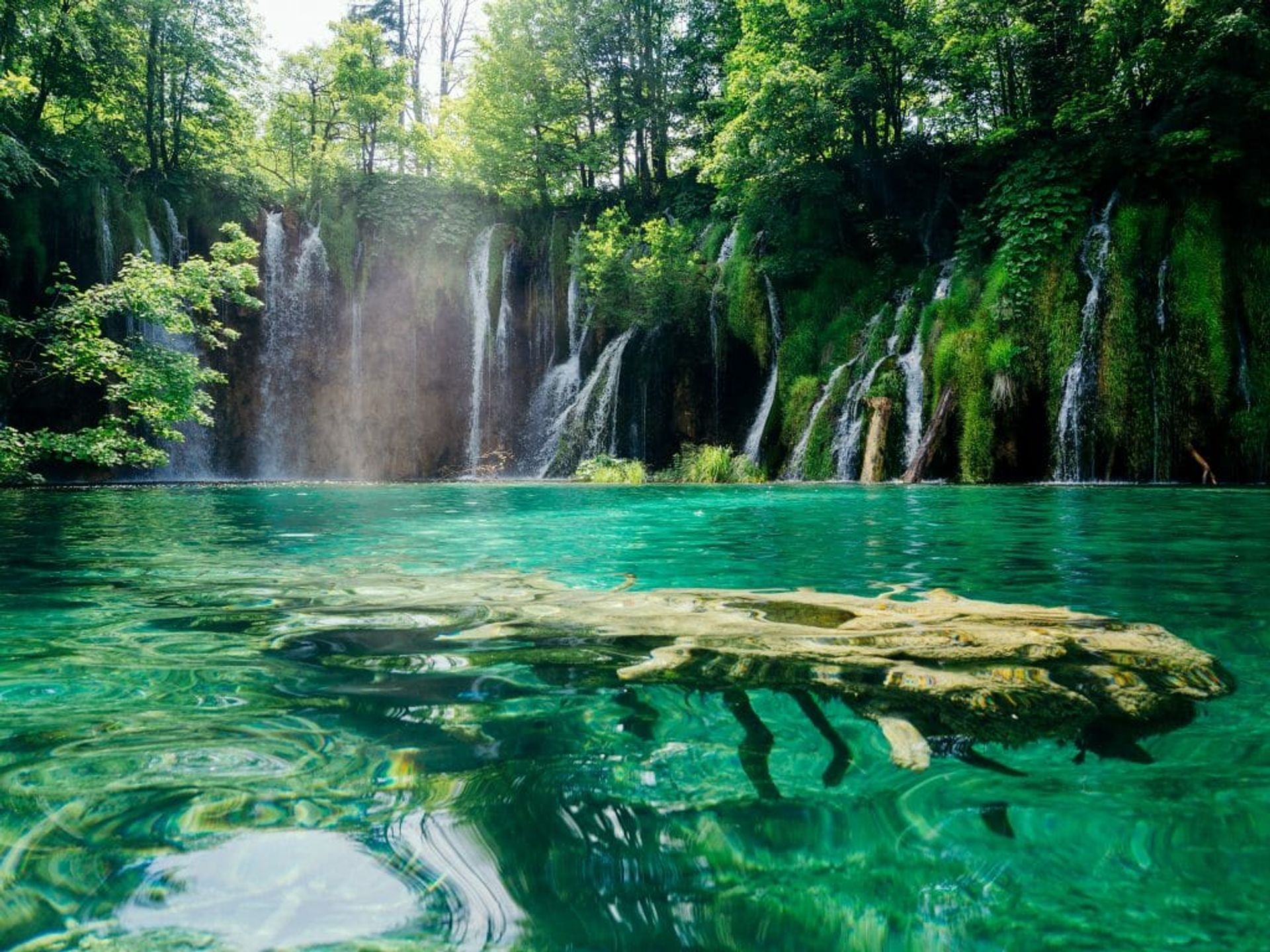
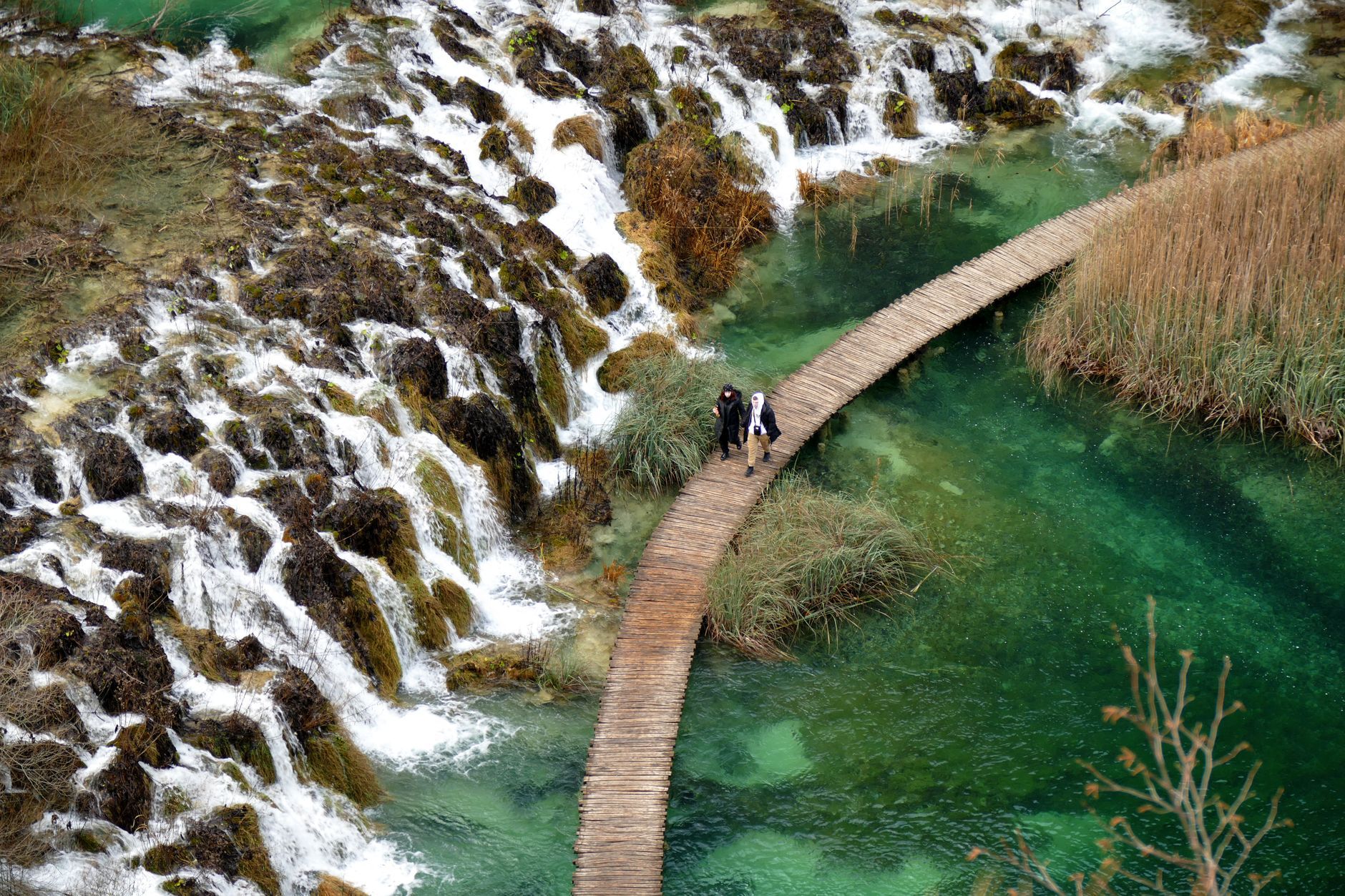
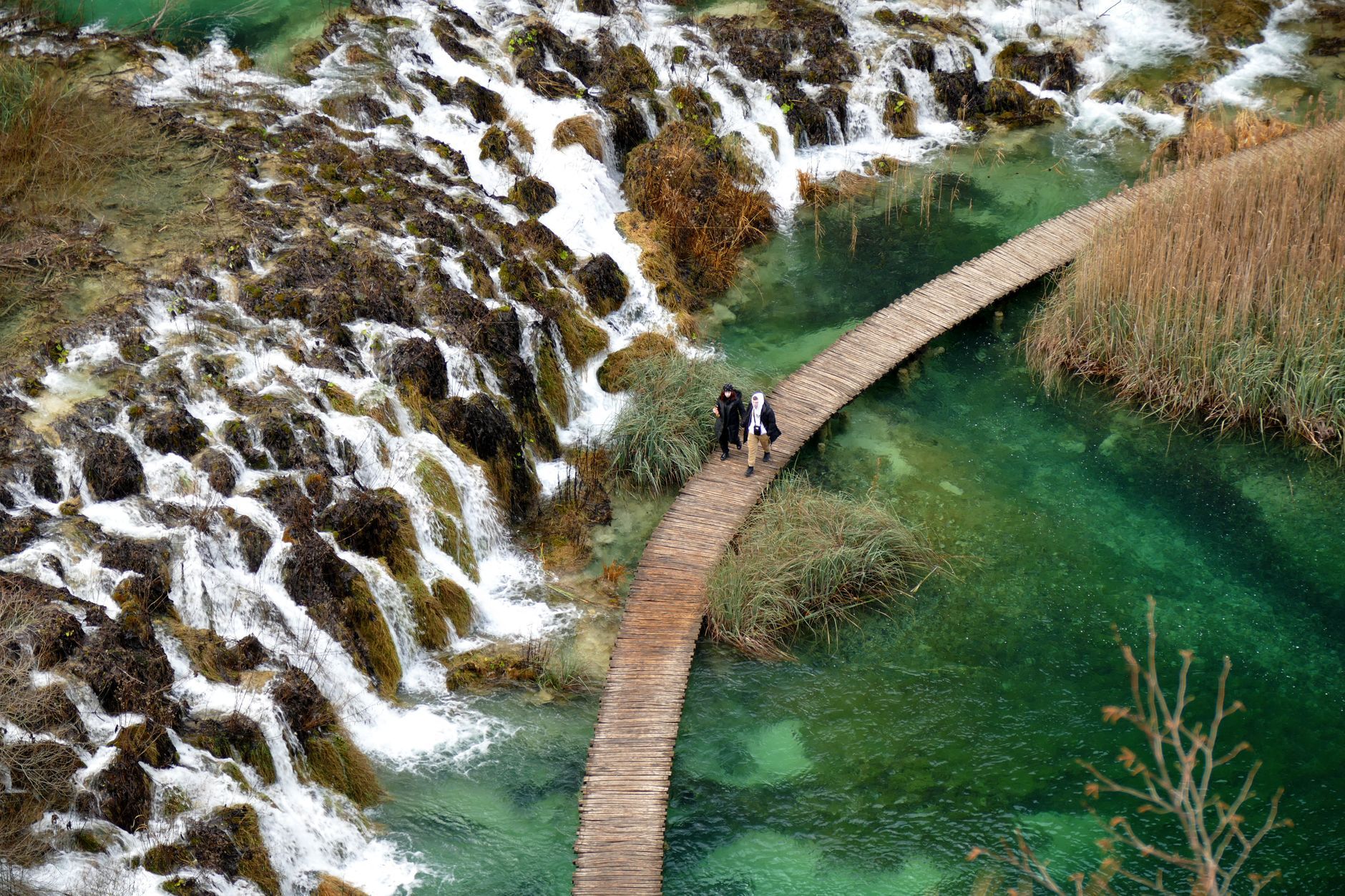
Croatia's most visited park — a UNESCO World Heritage Site with 16 terraced lakes and 90+ waterfalls. The boardwalk routes weave between them; you're walking on or above the water for most of it.
Key Features
- 16 lakes connected by waterfalls, the largest being Veliki Slap (78m — Croatia's tallest waterfall)
- Electric boat across Kozjak Lake included in entry
- Brown bears, wolves, 321 butterfly species recorded
Activities
- 7 marked trails (1–8 hours), suitable for all fitness levels
- Photography — morning light on the lower lakes is exceptional
- Boat ride across Kozjak Lake (30 min, included in entry)
Practical Info
Advertisement
- Entry: €23–40 (varies by season and route chosen)
- Parking at Entrance 1 and 2: €2/hour
- Distance: 130km from Zagreb, 220km from Split
- Book in advance in summer: np-plitvicka-jezera.hr
2. Krka National Park
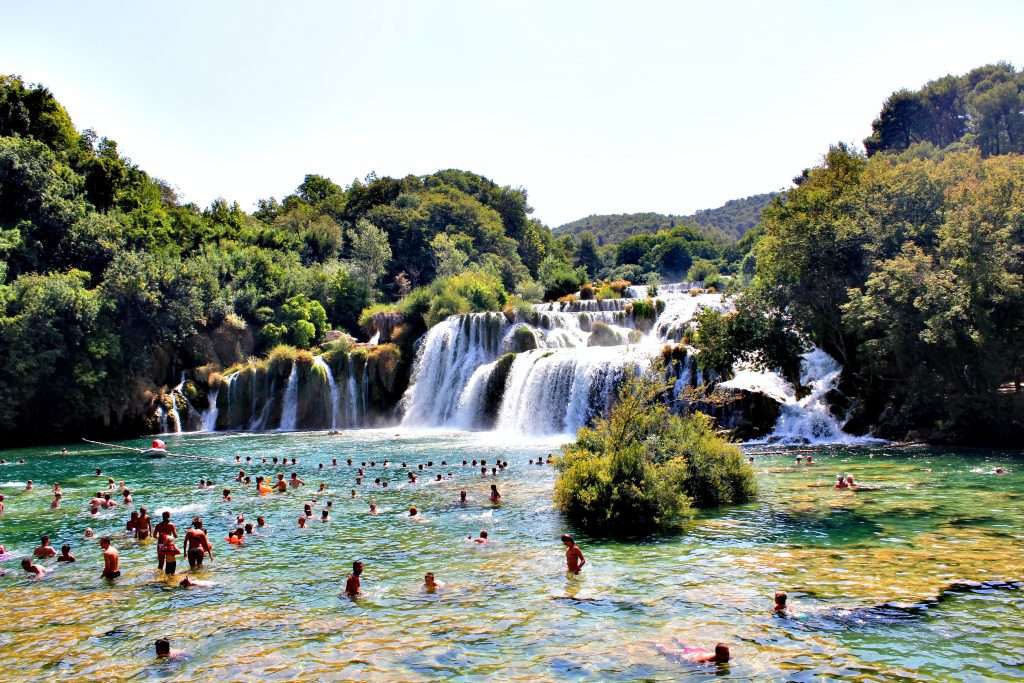
Built around the Krka River and its seven waterfalls. The highlight is Skradinski Buk — a wide cascade system accessible on a 8.5km trail. Swimming in the pools has been banned since 2021 — don't plan your trip around it.
The Visovac Monastery (15th century, on an island mid-river) is worth the 30-minute boat tour included with some entry tickets.
Key Features
Advertisement
- Skradinski Buk — the main waterfall complex
- Visovac Monastery accessible by boat
- Roski Slap — quieter waterfall further upstream
Activities
- Skradinski Buk trail (8.5km)
- Boat tour to Visovac Island (30 min)
- Birdwatching — over 200 species recorded
Practical Info
- Entry: €7–13 (peak vs. off-season)
- Parking at Lozovac and Skradin: €2/hour
- Distance: 85km from Split, 90km from Zadar
- Book online in summer: np-krka.hr
3. Kornati National Park
89 islands, islets, and reefs in the northern Dalmatian Adriatic. Almost entirely uninhabited — no villages, just coastline, rocky hills, and water. Access is boat-only from Zadar or Šibenik.
This is a sailing park. Day trips run €50–70 from either city and typically include snorkeling stops and lunch at one of the few restaurants on the larger islands.
Advertisement
Key Features
- 89 islands covering 320km²
- Over 700 plant and animal species
- Crystal-clear water for snorkeling and diving
Activities
- Day sailing tours (depart from Zadar or Murter)
- Snorkeling and diving (underwater caves, coral)
- Hiking on Kornat island
Practical Info
- Entry: included in most boat tour prices (€50–70 all-in)
- No road access — boat only
- Distance: 30km from Zadar by boat
- Best time: June–September for calm seas
4. Paklenica National Park
Canyon hiking and rock climbing, 45km from Zadar. Two main canyons — Velika Paklenica and Mala Paklenica — cut into the Velebit Mountains. Over 150km of trails and 300+ climbing routes across all skill levels.
Less visited than Plitvice or Krka, which means no queues and cheaper entry.
Key Features
- Velika and Mala Paklenica canyons — dramatic limestone walls
- 157+ bird species including golden eagles and peregrine falcons
- Part of the UNESCO-listed Velebit Mountains biosphere
Activities
- Hiking (easy to technical; multiple routes)
- Rock climbing (300+ routes, some world-class)
- Wildlife spotting — chamois, eagles, bears in higher elevations
Practical Info
- Entry: €4–10 (off-season vs. peak)
- Parking at Starigrad-Paklenica: €1/hour
- Distance: 45km from Zadar
- Stay in Starigrad or nearby campsites
5. Northern Velebit National Park
The most remote of the Croatia national parks. Part of the same Velebit mountain range as Paklenica but wilder — bears, wolves, and golden eagles are common sightings. The Premužićeva Staza trail (57km) is one of the best long hikes in Croatia.
Dinosaur footprints on Veliki Island are a genuine oddity worth seeing.
Key Features
- Vaganski Vrh — highest peak at 1,757m
- Premužićeva Staza — 57km ridge trail with Adriatic views
- Dinosaur fossils on Veliki Island
- Brown bears and wolves
Activities
- Multi-day hiking (Premužićeva Staza is 2–3 days)
- Wildlife watching
- Photography — Adriatic coast panoramas from the ridge
Practical Info
- Entry: €4–7 (peak vs. off-season)
- Drive or bus to Krasno village as base
- Distance: 100km from Zadar
- Stay in Krasno or Gospić
6. Mljet National Park
On the island of Mljet, accessible by ferry from Dubrovnik (1 hour). The park covers the western third of the island — two saltwater lakes (Veliko Jezero and Malo Jezero) connected to the sea, surrounded by dense pine forest.
The lakes are swimmable — and genuinely good for swimming. A 12th-century Benedictine monastery sits on a small island inside the larger lake.
Key Features
- Veliko and Malo Jezero — saltwater lakes open for swimming
- St. Mary's Island monastery (12th century)
- 100+ bird species, endemic plant varieties
Activities
- Swimming in the saltwater lakes
- Kayaking around the lakes
- Cycling (bike rentals in Pomena and Polače)
- Hiking trails around the lake perimeter (1–3 hours)
Practical Info
- Entry: €10–15 (off-season vs. peak)
- Ferry from Dubrovnik: 1 hour
- Stay in Pomena or Polače
- Best time: May–September
7. Brijuni National Park
14 islands off the Istrian coast, accessible by boat from Fažana (15 min). Former Yugoslav presidential retreat — Tito used it for decades, and the mix of Roman ruins, safari animals, and 20th-century history makes it unlike any other national park in Croatia.
Entry includes the boat crossing and a guided train tour of the main island.
Key Features
- 1st-century Roman villas and temple ruins
- Safari park — zebras, ostriches, deer (gifts from African heads of state to Tito)
- 600+ plant species, rare birds
Activities
- Guided train tours (2 hours, included in entry)
- 9-hole golf course on the main island
- Cycling (bike rental available)
- Museum exhibits on Tito's tenure
Practical Info
- Entry: €20–35 (includes boat + guided tour)
- Boat from Fažana: 15 min
- Distance: 7km from Pula
- Stay in Fažana or Pula
8. Risnjak National Park
In Gorski Kotar, 50km from Rijeka — the least-visited of the Croatia national parks, which is exactly the appeal. Old-growth forest, bears, lynx (the park is named after the local word for lynx: ris), and almost no crowds even in summer.
Trails are well-maintained. The Leska educational trail (4.2km loop) is easy and well-signed. Risnjak peak (1,528m) takes 3–4 hours round trip from Crni Lug.
Key Features
- Risnjak peak — 1,528m, panoramic views
- Eurasian lynx, brown bears, chamois
- 1,000+ plant species, 60 butterfly species
Activities
- Leska Path (4.2km beginner loop)
- Risnjak summit hike (3–4 hours)
- Birdwatching (100+ species)
- Camping near Crni Lug
Practical Info
- Entry: €3–6 (off-season vs. peak)
- Parking at Crni Lug: €1/hour
- Distance: 50km from Rijeka
- Stay in Crni Lug or Delnice
FAQ: Croatia National Parks
How many national parks are in Croatia? Croatia has 9 national parks. In addition, there are 11 nature parks — a separate, lower-protection category. The 9 national parks are: Plitvice Lakes, Krka, Kornati, Paklenica, Northern Velebit, Mljet, Brijuni, Risnjak, and Plitvice (counted once). The most recently designated is Northern Velebit (1999).
What is the most visited national park in Croatia? Plitvice Lakes — approximately 1.4 million visitors per year. It's the most visited national park in all of Southeast Europe.
Do I need to book Croatia national parks in advance? Yes, for Plitvice and Krka during summer (June–August). Both parks operate daily entry caps and sell out days in advance. Book at np-plitvicka-jezera.hr and np-krka.hr. Other parks like Paklenica and Risnjak don't require advance booking.
Which Croatia national park is best for swimming? Mljet — its saltwater lakes (Veliko and Malo Jezero) are open for swimming and are excellent. Krka's Skradinski Buk pools were permanently closed to swimming in 2021. Plitvice prohibits swimming entirely.
How much does Plitvice cost in 2026? €23 in low season, €40 in peak season (July–August). The price also varies by route — shorter routes cost less. Entry includes the electric boat across Kozjak Lake and panoramic train between entrances.
Can I visit multiple national parks in Croatia in one trip? Yes — Plitvice and Paklenica are both accessible from Zadar (different directions). Krka, Kornati, and a Mljet ferry can be combined in a Dalmatian coast trip. Brijuni and Risnjak work well together if you're basing out of Istria or Rijeka.
Are dogs allowed in Croatian national parks? Dogs are allowed in most parks (Plitvice, Paklenica, Risnjak) but must be leashed. Kornati (boat access) and Brijuni have restrictions — check individual park rules before traveling with a dog.
Plan Your Visit
Resources if you're building a Croatia itinerary around national parks in Croatia:
- Croatia Travel Guide — full country overview
- Dubrovnik — ferry access point for Mljet
- Split — closest city to Krka (85km)
Best Tours & Experiences
For guided tours and experiences, I recommend checking Viator — they have a huge selection with free cancellation on most bookings. You can also browse TripAdvisor Experiences for more local tours, day trips, and attraction tickets with real traveller reviews.
Book Your Trip
Locking in your Croatia plans? Book tickets and experiences in advance through Viator — free cancellation on most bookings, so you can plan now and adjust later.
Save More
Save 5% on activities
Use code CHASINGWHEREABOUTS5 in the GetYourGuide app.
Book this exact experience in GetYourGuide appGet Travel Tips in Your Inbox
Join 5,000+ travelers. Get exclusive itineraries, honest reviews, and budget hacks once a week.
No spam. Only high-quality travel advice. Unsubscribe anytime.