Disclosure: Chasing Whereabouts is reader-supported. This guide contains affiliate links to partners like Tiqets, GetYourGuide, Viator and Headout. If you make a purchase through these links, we may earn a small commission at no extra cost to you. This helps us continue providing free, first-hand travel guides. Thank you for your support!
Most people who visit Milan never make it to Bergamo. That's a shame — and honestly, a bit of a gift for those of us who do.
I did this as a last-day detour on my Italy trip, squeezing it between an Airbnb checkout in Milan and an airport hotel near Linate. I expected a pleasant little town. What I got was one of the most atmospheric places I'd visited in all of Lombardy — a medieval hilltop city with UNESCO-listed Venetian walls, a funicular that deposits you straight into the 12th century, and a piazza that stopped me mid-step.
This is the complete guide to a Bergamo day trip from Milan — practical logistics, what to do in one day, what to eat, and the things I wish I'd known before going.
Is Bergamo Worth a Day Trip from Milan?
Yes — and I'd argue it's one of the best day trips from Milan by train you can do without a car.
Advertisement
Here's why: Bergamo is genuinely different from Milan. Where Milan is fashion, finance, and grand boulevards, Bergamo is medieval lanes, Venetian architecture, and a pace that feels like Italy from another century. It's not touristy in the way Venice or Florence can feel. You get history, great food, and panoramic views without fighting through crowds.

The only caveat: come for Città Alta (the upper hilltop city). The lower modern city is pleasant but unremarkable on its own. The magic is up on the hill.
How to Get to Bergamo from Milan by Train
This is the easiest part. No car, no tour bus needed.
Route: Milan Lambrate → Bergamo (RE train — Regional Express) Journey time: ~40 minutes Frequency: Roughly every 30–45 minutes Ticket price: Around €5–6 one way (buy at the machine or Trenitalia app)
Advertisement
I boarded at Milan Lambrate station, which sits on Metro Line M2 (green line). If you're in central Milan, take M2 to Lambrate and walk to the train platform — it's a 5-minute connection. The train runs reliably and is perfectly comfortable.
Tip: The earlier you leave Milan, the more time you get in Bergamo. I caught the 11:13 train and arrived at 11:53. Even with luggage faff factored in, I had a solid 5+ hours — enough to feel the city rather than rush through it.
Luggage Storage in Bergamo
If you're doing this day trip mid-trip (like I was — checking out of one place and into another), luggage storage at Bergamo train station is the move.
There are lockers inside and near the station. Expect to pay around €5–8 per bag for the day. It's not always well-signed, so look for "deposito bagagli" signs or ask at the station information point.
Advertisement
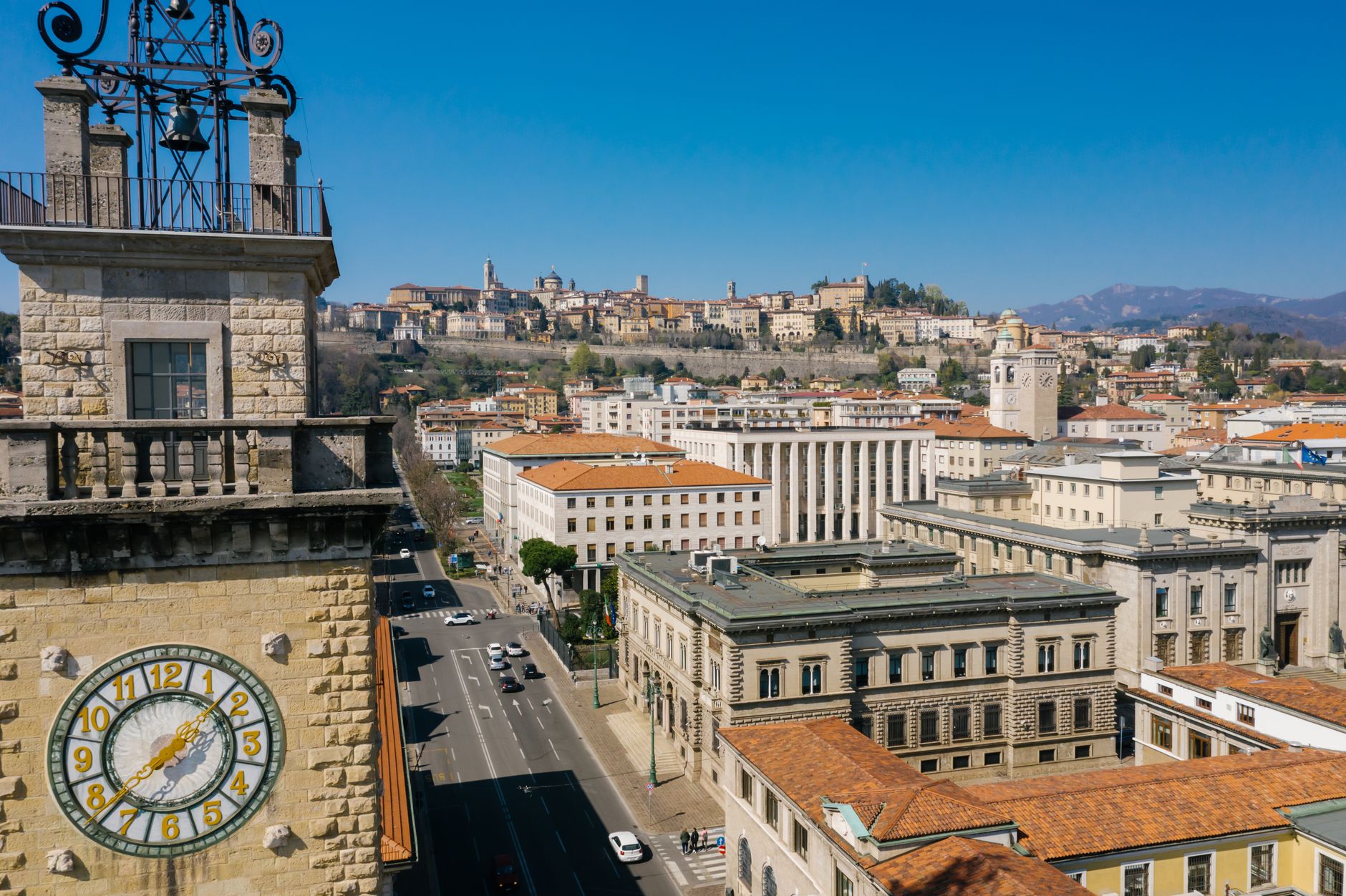
I'd recommend sorting this before anything else. The moment you drop your bags, you feel properly free to explore — and Bergamo's Città Alta involves a fair amount of walking and stairclimbing. You don't want a 20kg bag on your back for any of that.
Things to Do in Bergamo: One Day Itinerary
Start in the Lower City (Città Bassa)
Bergamo splits into two distinct parts: Città Bassa (the lower, modern city) and Città Alta (the ancient hilltop town). Most of the day's highlights are in Città Alta, but the lower city is worth a short walk.
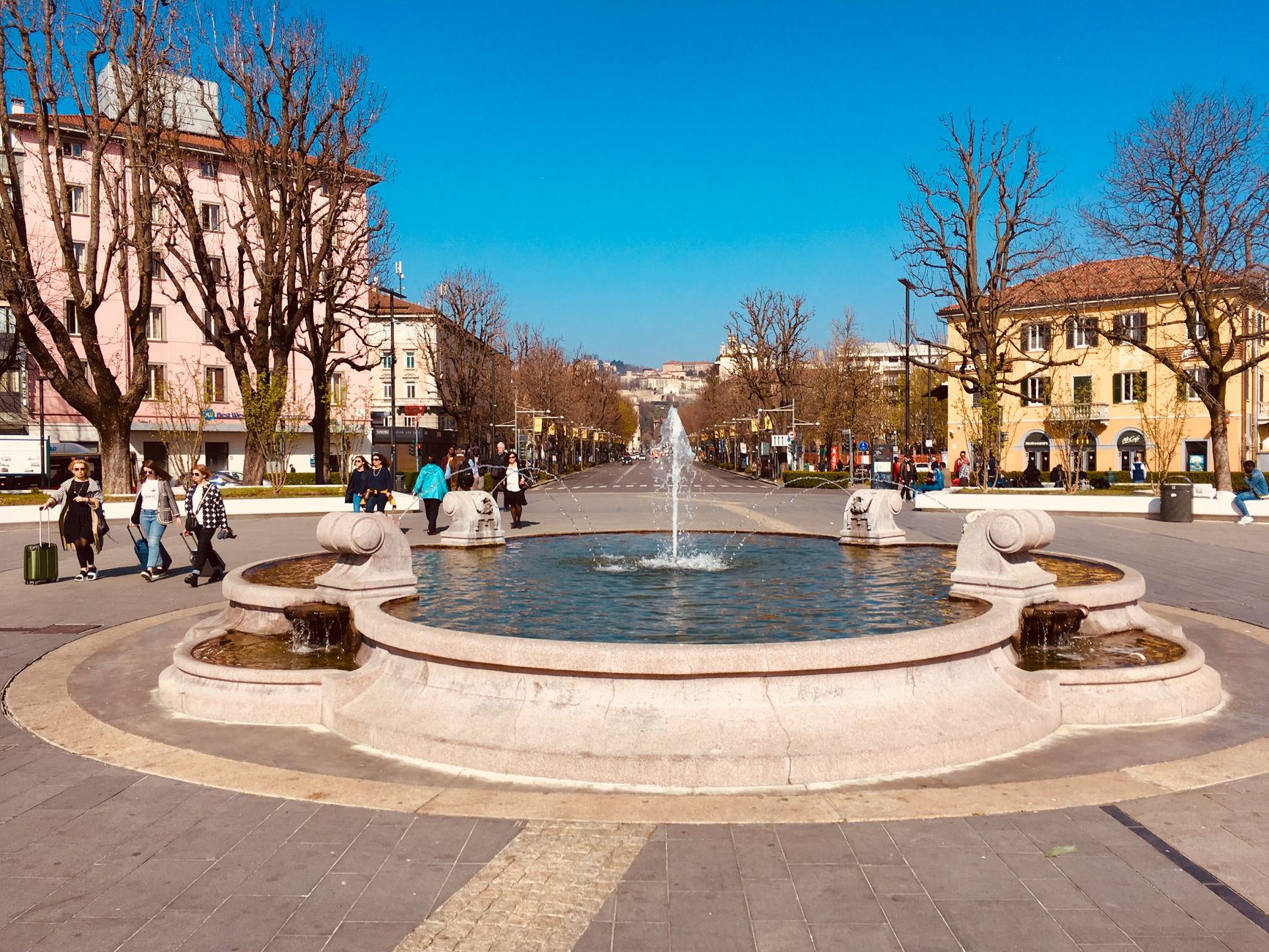
From the train station, the Sentierone — the main promenade of Città Bassa — is a 15-minute walk. Wide, elegant, lined with old cafes and Liberty-style architecture. Grab a standing espresso at a local bar (€1–1.20, the Italian standard). This is Bergamo at street level: unhurried, local, a bit proud of itself.
Advertisement
Then head for the funicular.
Ride the Funicular Up to Città Alta
The Funicolare di Bergamo (Funicolare Bassa) connects the lower city to Città Alta in about 2 minutes. It departs from Via Vittorio Emanuele II in the lower city. A single ticket is around €1.40, or you can get a 24-hour pass for €3.60.
On the way up, the city drops away behind you through the windows — red rooftops, church spires, and eventually the flat Po Valley stretching toward Milan. It's a short ride but it's a genuinely dramatic arrival.
A word on luck: On my visit, an elderly couple who were leaving pressed their 24-hour pass into our hands as we arrived at the funicular station. No explanation, no hesitation — just a smile and they walked away. It was one of those small moments of unexpected generosity that travel occasionally throws at you. Bergamo started well.
Step out at the top and you're immediately in another world.
Advertisement
Explore Città Alta: Where to Go
Piazza Vecchia
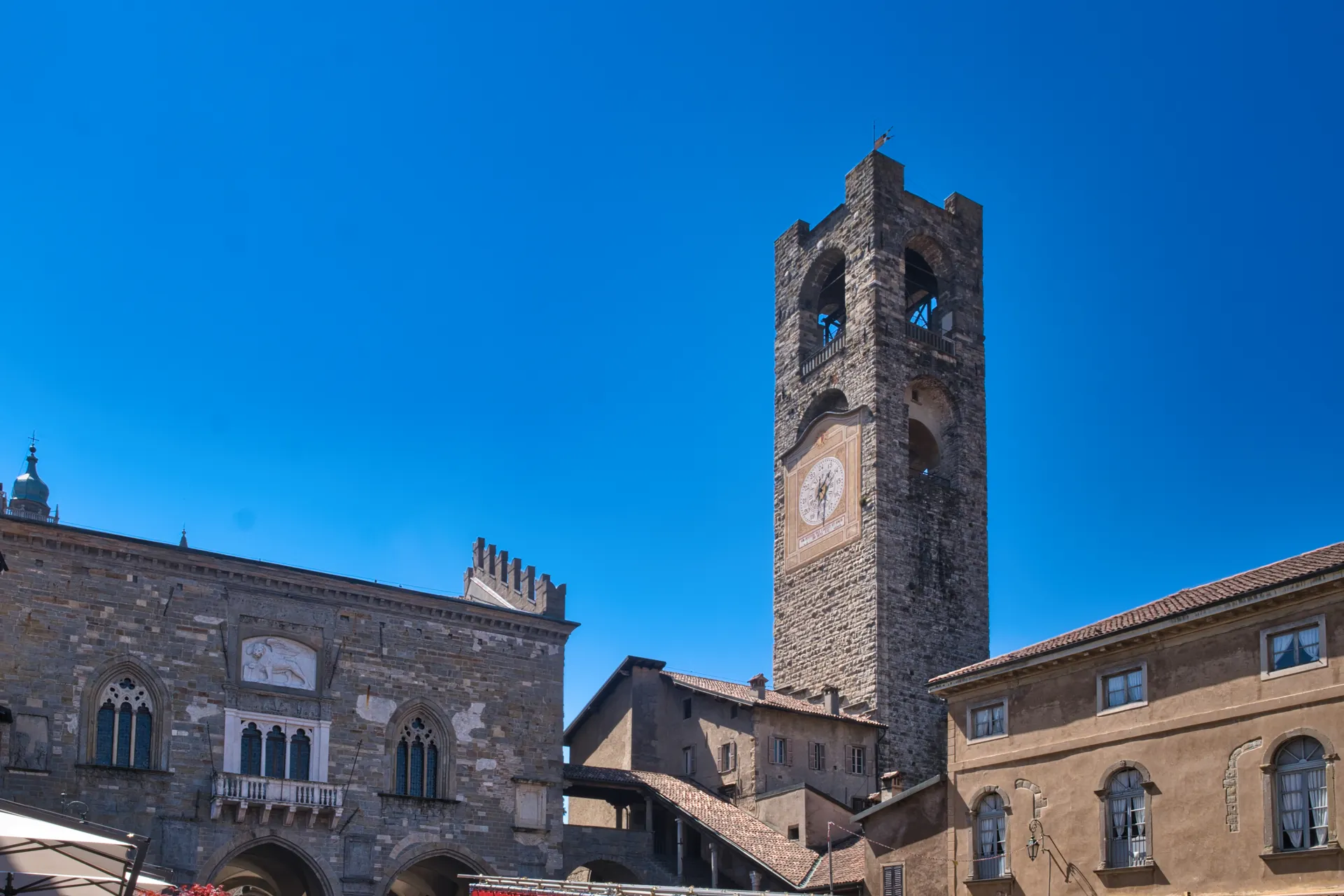
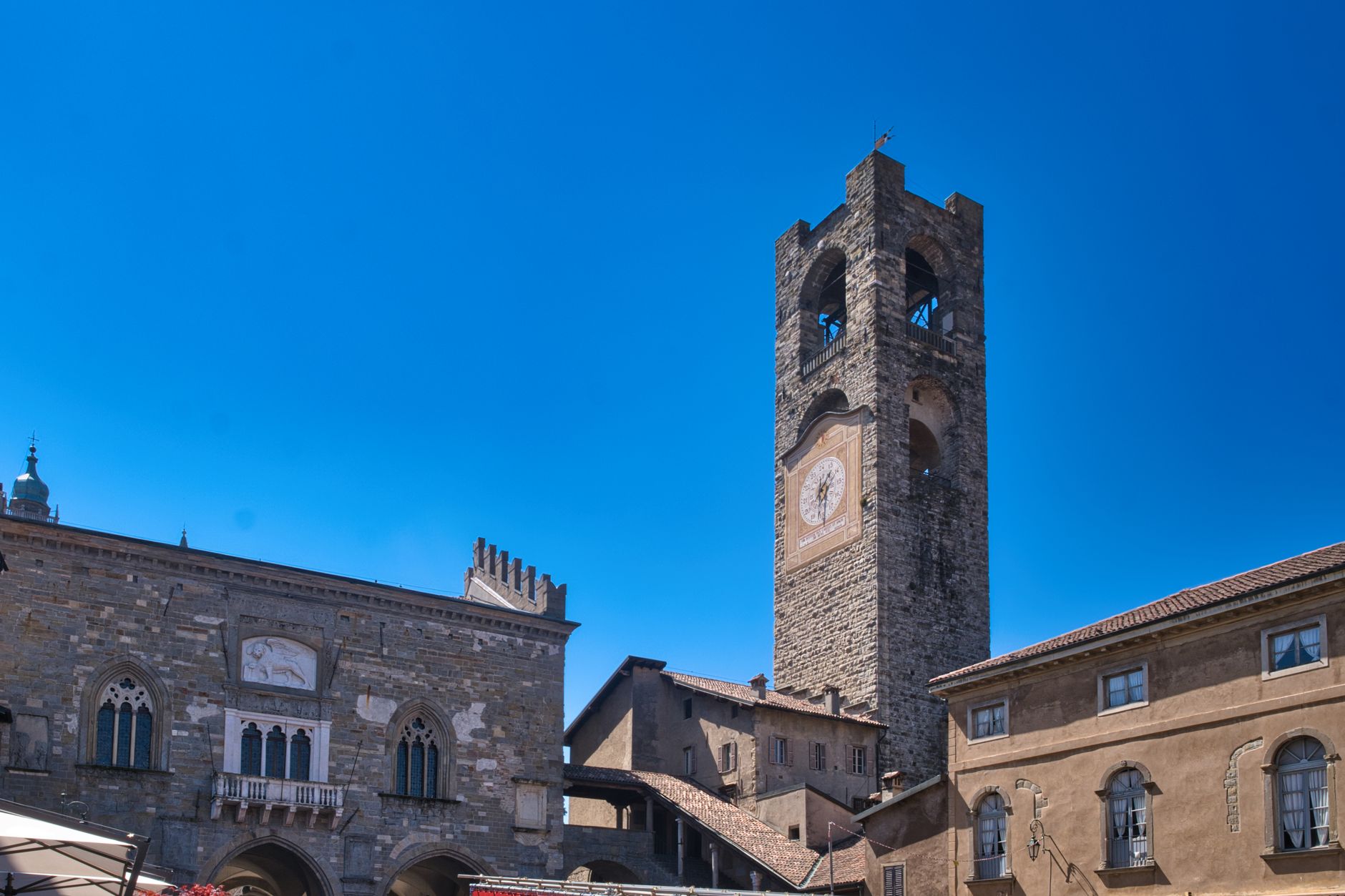
This is the centrepiece of Bergamo Alta — and one of the most beautiful medieval squares in northern Italy. Architect Le Corbusier reportedly called it "the most beautiful square in Europe," which feels about right when you're standing in it.
The square is framed by the Palazzo della Ragione (old courthouse, dating to the 12th century), the Contarini Fountain gifted by a Venetian doge, and the Torre Civica (also called the Campanone). That tower still rings its bell 100 times every evening at 10pm — a tradition that dates back centuries and has never been skipped.
Tip: Climb the Torre Civica for panoramic views over the city and across Lombardy toward the Alps. On a clear day, the mountain backdrop is stunning.
Piazza Vecchia connects directly to Piazza del Duomo, where you'll find the Bergamo Duomo and the entrance to the Basilica di Santa Maria Maggiore.
Basilica di Santa Maria Maggiore
Don't skip this one. The Basilica di Santa Maria Maggiore is free to enter and far more impressive inside than its relatively plain exterior suggests. The interior is richly decorated — gold, tapestries, frescoes — with a Flemish and Florentine complexity that reflects Bergamo's layered history.
Adjacent to the basilica is the Cappella Colleoni, the private chapel of Bartolomeo Colleoni, a Venetian mercenary commander who was arguably Bergamo's most powerful historical figure. The facade is ornate to the point of overwhelming — intricate pink and white marble carvings that contrast sharply with the rougher stone of the surrounding buildings.
Both are within steps of Piazza Vecchia. Allow 30–45 minutes total here.
Walk the Venetian Walls
Bergamo's walls — the Mura Veneziane — are a UNESCO World Heritage Site and one of the most complete surviving examples of Venetian military architecture in the world. Built in the 16th century when Bergamo was under Venetian rule, the walls run for nearly 6 kilometres around Città Alta.
You can walk sections of the walls with sweeping panoramic views over the lower city, the Po Valley, and on clear days the Alps beyond. This is where Bergamo earns its reputation as scenic — the juxtaposition of ancient hilltop fortifications against a modern city below is striking.
Porta San Giacomo is one of the main gateways — a grand Venetian arch that you'll pass through if you walk the eastern section of the walls. It's worth framing a photo here.
For even higher views, there's a second funicular from Città Alta up to San Vigilio — a smaller hill above the city with a small castle (the Rocca) and some of the best views in the area. If you have time and energy, it's worth the extra climb.
Eat in Bergamo Alta
Bergamo has its own distinct food identity, and it's worth eating properly here rather than just grabbing a snack.
Casoncelli alla Bergamasca is the dish to order. It's a stuffed pasta — a kind of half-moon shaped ravioli filled with beef, breadcrumbs, pear, and amaretti biscuit — served with melted butter, sage, and crispy pancetta. It sounds unusual. It's excellent. A plate at a trattoria in Città Alta runs €12–15.
Stracciatella gelato was actually invented in Bergamo. If you didn't know that, you do now. A gelateria near Piazza Vecchia is the correct place to have your last gelato of any Italian trip.
How Much Time Do You Need in Bergamo?
Minimum: 3–4 hours (funicular + Piazza Vecchia + walls walk + a quick meal) Ideal: 5–6 hours (add Basilica di Santa Maria Maggiore, Cappella Colleoni, San Vigilio funicular, leisurely lunch) Full day: Easily possible — add the lower city museums and a slower pace throughout
The day trip from Milan works perfectly as a half-day add-on, but if Bergamo is your only stop that day, go for a full day. The city rewards slowness.
Practical Tips for Your Bergamo Day Trip
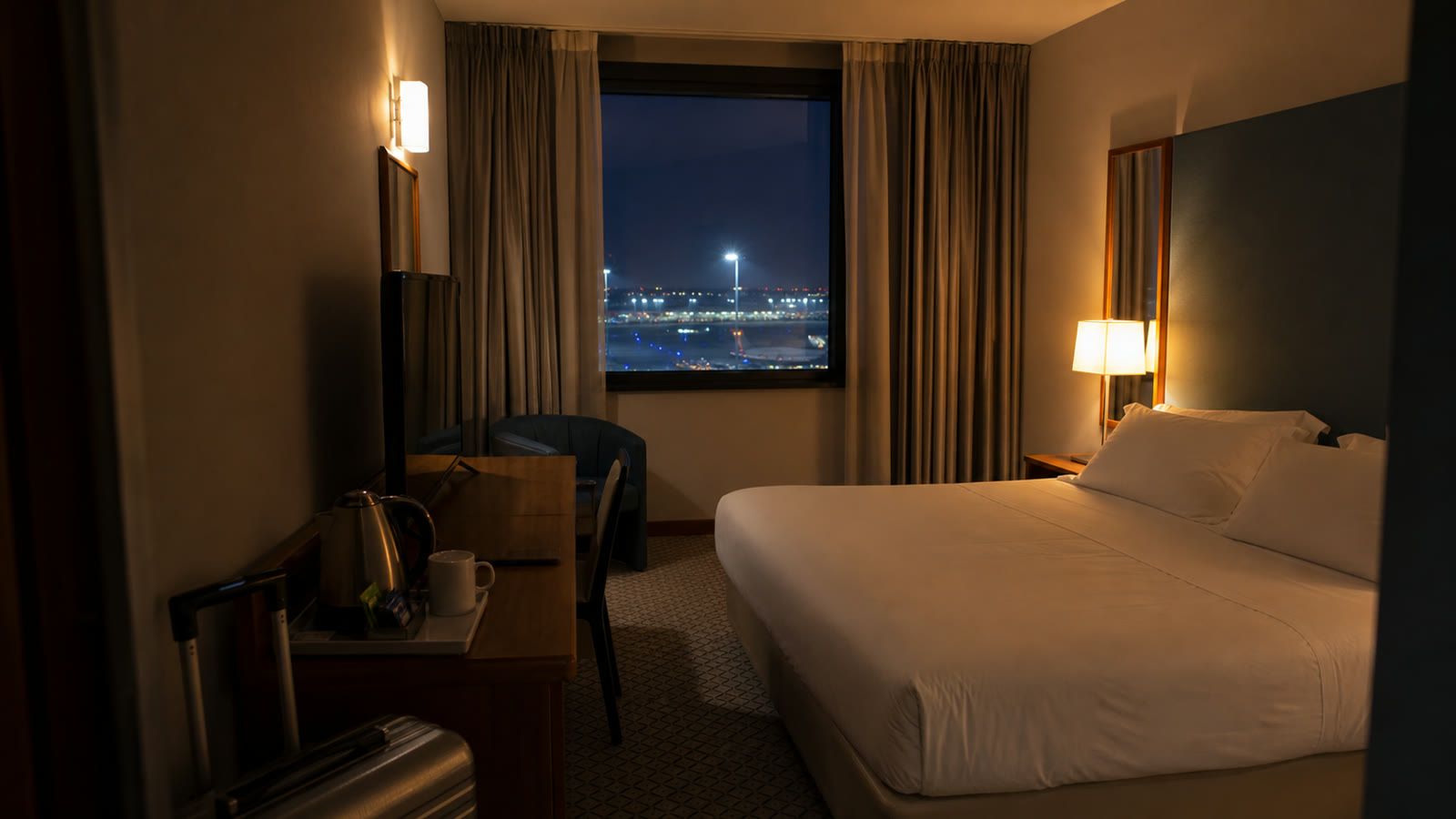
Getting back: RE trains run frequently from Bergamo back to Milan Lambrate. Check times on the Trenitalia app and don't cut it too close if you have an onward connection. After this day trip, I stayed at Belstay Milano Linate before my flight to Frankfurt, which worked well overall but needed extra planning for a 5:00 AM airport taxi.
Funicular hours: The lower funicular runs 7am–12:30am. The upper funicular to San Vigilio has shorter hours — check before planning it as a finale.
Walking shoes: Città Alta is all cobblestones and gradients. Do not attempt this in dress shoes or flat sandals.
Best time to visit: Bergamo is pleasant year-round, but spring (April–June) and early autumn (September–October) offer the best weather for walking the walls. Avoid Italian public holidays when the city gets genuinely busy.
Crowds: Bergamo is nowhere near as crowded as Milan, Venice, or Florence. Even in summer, Piazza Vecchia feels manageable.
What Is the Best Day Trip from Milan?
Bergamo, Lecco, Como, and Brescia are all common answers to this question. I've now done Bergamo and Como — and they're genuinely different experiences.
Bergamo wins on history, architecture, and the feeling of stepping into medieval Italy. It's also the most self-contained — everything in Città Alta is within walking distance, no extra transport needed once you arrive.
Lake Como wins on scenery and the lakeside experience, but requires more planning (boats, ferries, choosing which village to base yourself in).
If you only have one day and want history + food + architecture + the feeling of a place with real character: do Bergamo.
Final Thoughts
I've visited Rome, Florence, Bologna, and Milan on this trip. Bergamo wasn't on my original plan — it was a last-minute addition, squeezed into a checkout day with luggage in tow.
It ended up being one of my favourite stops.
That's the thing about Lombardy. Everyone flies into Milan, does the big city for a couple of days, and leaves. But Bergamo is sitting right there — 40 minutes away, low on most people's radar — being completely magnificent about it.
Go.
I'm Sankalp, writing from Frankfurt. Bergamo was the last stop on my Italy series — if you want the full context, the rest of the trip lives in my Italy travel guides.
City Passes — Where to Book
Save on attraction entry with official city passes, booked through Tiqets (instant e-ticket):
- Rome: Book on Tiqets → · Full review →
- Florence: Book on Tiqets → · Full review →
Save More
Save 5% on activities
Use code CHASINGWHEREABOUTS5 in the GetYourGuide app.
Book this exact experience in GetYourGuide appGet Travel Tips in Your Inbox
Join 5,000+ travelers. Get exclusive itineraries, honest reviews, and budget hacks once a week.
No spam. Only high-quality travel advice. Unsubscribe anytime.