Disclosure: Chasing Whereabouts is reader-supported. This guide contains affiliate links to partners like Tiqets, GetYourGuide, Viator and Headout. If you make a purchase through these links, we may earn a small commission at no extra cost to you. This helps us continue providing free, first-hand travel guides. Thank you for your support!
🇹🇷 This guide is part of our comprehensive Turkey Travel Guide.
In recent years, Turkey has fully and enthusiastically embraced and seamlessly integrated the use of flying drones, which has unquestionably and undeniably revolutionized numerous industries, resulting in a significant and profound enhancement of overall efficiency, productivity, and effectiveness across a wide range of sectors, including but not limited to agriculture, photography, and surveillance.
In this post, we will explore the key drone laws in Turkey so that you know what to check before flying a drone in Turkey.
Before You Fly: Get Your EU Drone License
If your trip includes the EU or an EASA-associated country, sort your drone paperwork before you pack the batteries. For most drones from 250 g, the A1/A3 certificate is the baseline remote pilot proof; A2 may be needed for some heavier open-category flights closer to people. EASA's open-category guidance explains the A1, A2, and A3 operating subcategories, and the national aviation authority still controls registration, maps, insurance, and local restrictions.
Start the online EU drone license training with DroneLicense.eu
Advertisement
Affiliate disclosure: this is our partner link. DroneLicense.eu can help with EU drone training and exams, but always check the official EASA open-category rules and the national aviation authority for your destination before you fly.
When did the use of flying drones become popular in Turkey?
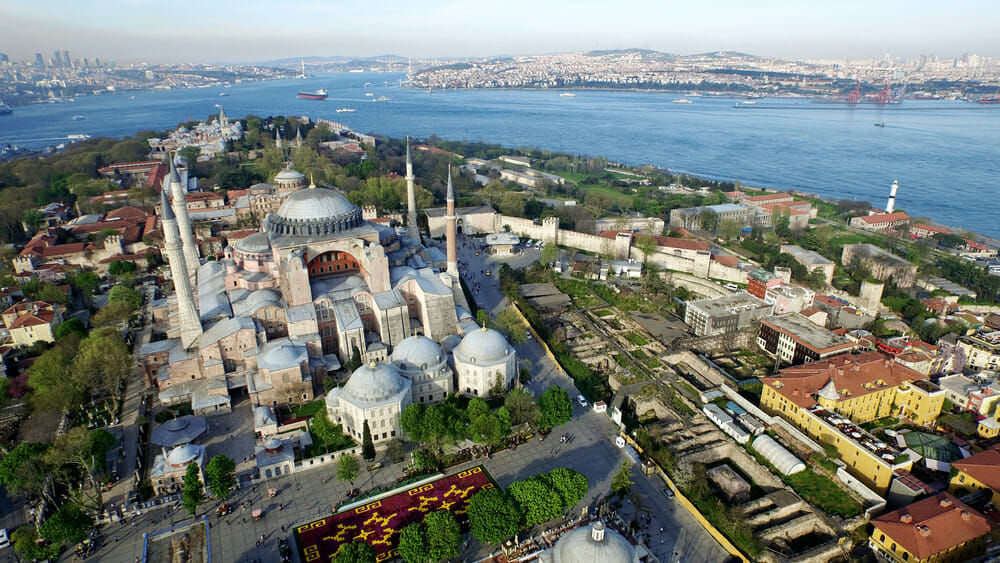
The use of flying drones became popular in Turkey around the early 2010s. Initially, drones were primarily used by hobbyists and enthusiasts for recreational purposes. However, as technology advanced and the potential applications of drones became more apparent, their popularity grew rapidly.
Drones started to gain significant attention in Turkey due to their ability to capture stunning aerial photographs and videos. This attracted photographers, filmmakers, and content creators who saw the potential for unique perspectives and visuals that could be achieved with drone photography. Additionally, the affordability and accessibility of consumer-grade drones made them more widely available to the general public.
As the popularity of drones increased, various industries in Turkey began exploring their potential applications. This led to a surge in professional drone operators offering services such as aerial surveying, mapping, agriculture monitoring, and infrastructure inspection. The versatility of drones made them valuable tools for these industries, leading to further adoption and integration into everyday operations.
Advertisement
What are the regulations and restrictions regarding flying drones in Turkey?

In Turkey, flying drones is regulated by the Web (DGCA). The regulations aim to ensure safety and privacy while promoting responsible drone use. Some key regulations include:
Registration:
All drone owners are required to register their devices with Index before operating them. Registration involves providing information about the drone's specifications and the operator's details.
Flight Restrictions:
There are certain flight restrictions in place to ensure public safety. Drones cannot be flown in overcrowded areas or near airports without obtaining prior permission from relevant authorities. They must also maintain a minimum distance from people, vehicles, buildings, and sensitive areas such as military installations or government buildings.
Weight and Altitude Limits:
There are weight and altitude limits for drone operations in Turkey. Drones weighing more than 500 grams require a remote pilot license, while drones weighing more than 25 kilograms need special permission from DGCA. The maximum altitude allowed for drone flights is 120 meters.
Advertisement
Privacy and Data Protection:
The use of drones for surveillance or capturing images/videos of individuals without their consent is strictly prohibited. Drone operators must respect privacy rights and adhere to data protection laws when operating their devices.
Licensing and Training:
Pilots operating drones weighing more than 500 grams must obtain a remote pilot license from DGCA. To acquire the license, individuals need to complete theoretical and practical training courses provided by authorized institutions.
Are there any specific areas or landmarks where flying drones is prohibited in Turkey?
In Turkey, there are several specific areas and landmarks where flying drones is prohibited due to safety, security, or privacy concerns. Some of these restricted areas include:
Airports:
Drones are not allowed to be flown within a certain distance from airports or heliports without obtaining prior permission from the relevant authorities. This restriction is in place to prevent interference with aircraft operations.
Military Installations:
Flying drones near military installations or sensitive government buildings is strictly prohibited in Turkey. These areas have enhanced security measures and drone activities could pose potential risks or threats.
Advertisement
National Parks and Protected Areas:
To preserve the natural environment and wildlife, flying drones is generally not permitted in national parks and protected areas unless special permission is obtained for research or conservation purposes.
List of some specific restricted areas in Turkey:
-
Istanbul Atatürk Airport
-
Sabiha Gökçen International Airport
-
Presidential Complex in Ankara
-
Military zones and bases
Advertisement
-
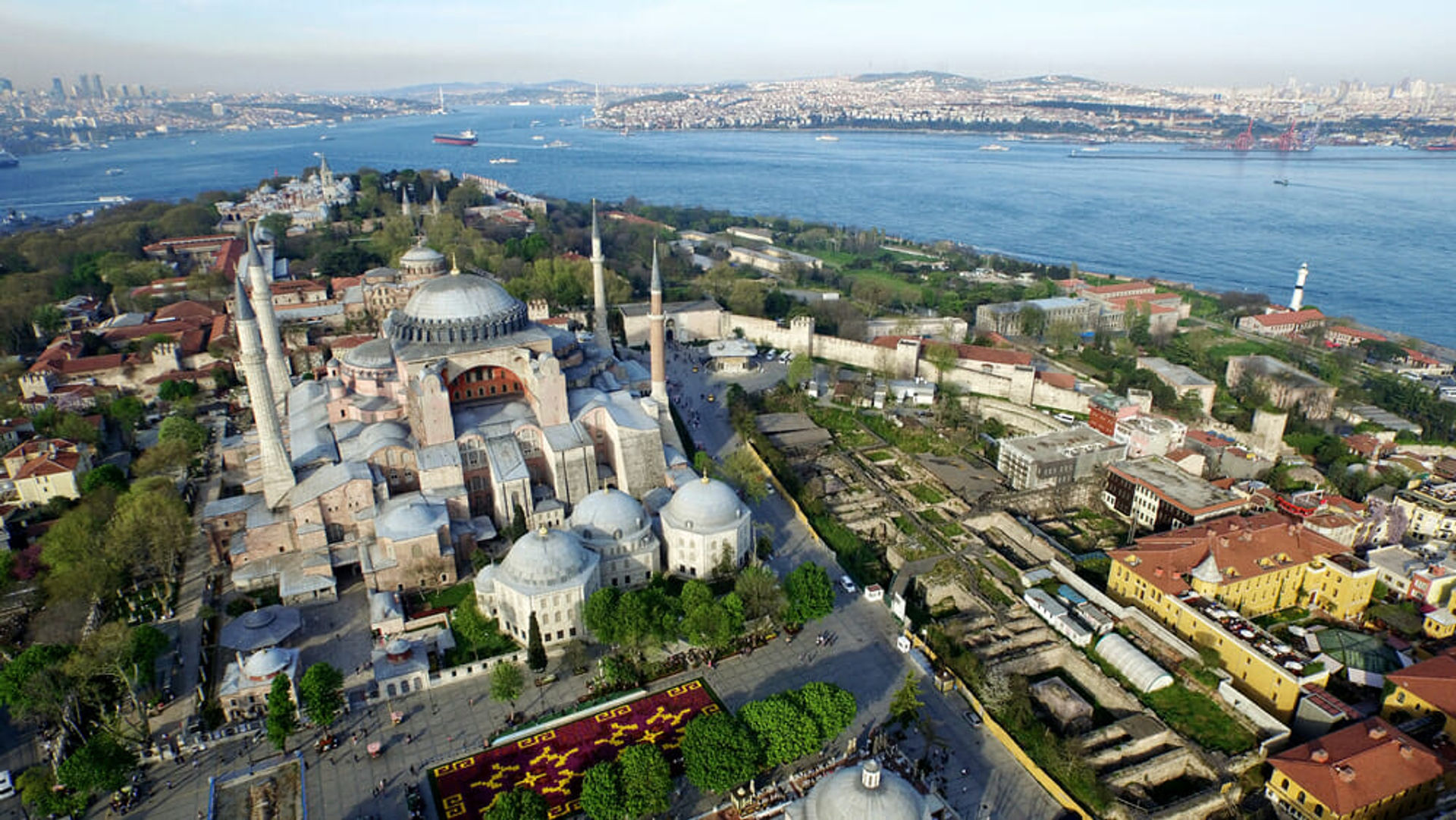
Historical sites and archaeological areas
It is important for drone operators to familiarize themselves with the specific restrictions and obtain necessary permissions before flying their drones in any area to avoid legal consequences or potential hazards.
Do You Need a Permit or License to Fly a Drone in Turkey?
Turkey is not part of the EU/EASA common drone framework, so the EU drone license CTA above is mainly useful if your wider trip also includes EU/EASA countries. For Turkey itself, check the Turkish Directorate General of Civil Aviation before you fly.
As a traveler, your pre-flight checklist should be:
- Confirm whether your drone must be registered in Turkey.
- Check whether your flight location needs permission, especially near cities, airports, military areas, archeological sites, national parks, or crowds.
- Carry proof of ownership, batteries packed according to airline rules, and any registration or permission documents you receive.
- Skip the flight if you cannot verify the rule for the exact place you want to launch.
FAQ: Flying a Drone in Turkey
Is Turkey covered by EASA drone rules?
No. Turkey is not part of the EU/EASA common drone framework. Use Turkish aviation authority guidance for Turkey.
Does an EU drone license help in Turkey?
Not as local permission. It can still be useful if your trip also includes Greece, Cyprus, Croatia, or another EU/EASA country.
Can I fly a drone in Cappadocia?
Do not assume you can fly just because the scenery is famous. Balloon routes, protected landscapes, towns, and tourist crowds can all create restrictions. Check local permission before flying.
What should I avoid?
Avoid airports, military or government sites, borders, crowds, archeological areas, and private property unless you have clear authorization.
Conclusion
Turkey can be rewarding for aerial photography, but it is not a destination where I would rely on assumptions. Verify your drone registration, permission, and location rules before each flight, and treat sensitive places with extra caution.
Save More
Save 5% on activities
Use code CHASINGWHEREABOUTS5 in the GetYourGuide app.
Book this exact experience in GetYourGuide appGet Travel Tips in Your Inbox
Join 5,000+ travelers. Get exclusive itineraries, honest reviews, and budget hacks once a week.
No spam. Only high-quality travel advice. Unsubscribe anytime.