Disclosure: Chasing Whereabouts is reader-supported. This guide contains affiliate links to partners like Tiqets, GetYourGuide, Viator and Headout. If you make a purchase through these links, we may earn a small commission at no extra cost to you. This helps us continue providing free, first-hand travel guides. Thank you for your support!
🇮🇹 Part of our Italy Travel Guide
There are a lot of things to do in Bologna for a city most Italy itineraries skip entirely. I based myself in Modena — a 20-minute train ride away that saved me significantly on accommodation costs during a conference period when Bologna hotels were priced at peak rates — and took the regional train in each morning to explore the city on foot for two full days. Bologna is compact, intensely walkable, and more food-serious than anywhere else I have been in Italy.
It bills itself as La Grassa (the fat one) and earns every syllable of that nickname. The porticoes, the towers, the red-brick medieval architecture — and then the food: tortellini in brodo at lunch, tagliatelle al ragù in the evening, mortadella straight from the deli counter. This guide covers the best attractions in Bologna with real prices, opening hours, and the kind of practical detail that makes the difference between a good trip and a great one.
Top Attractions in Bologna: Quick Overview
| Attraction | Cost | Time Needed | Best For |
|---|---|---|---|
| Asinelli Tower | €5 | 1–1.5h | Views, history |
| Piazza Maggiore + Basilica | Free | 1–2h | Architecture |
| Archiginnasio + Anatomical Theatre | €3 | 1h | History, culture |
| Quadrilatero district | Free | 1–2h | Food, atmosphere |
| Madonna di San Luca portico walk | Free | 2.5–3h | Exercise, views |
| Basilica di Santo Stefano | Free | 45min | Architecture |
| Mercato delle Erbe | Free | 45min | Local food |
| Pinacoteca Nazionale | €6 | 1.5–2h | Art |
| Museo della Storia di Bologna | €10 | 1.5h | City history |
| Day trip to Modena | ~€5 train | Full day | Food, Ferrari |
Advertisement
1. Climb the Asinelli Tower
The two medieval towers of Bologna — Asinelli (97.2m) and the leaning Garisenda (48m) — are the defining symbols of the city. The Garisenda is closed to visitors due to ongoing structural work, but the Asinelli is fully open and well worth the climb.
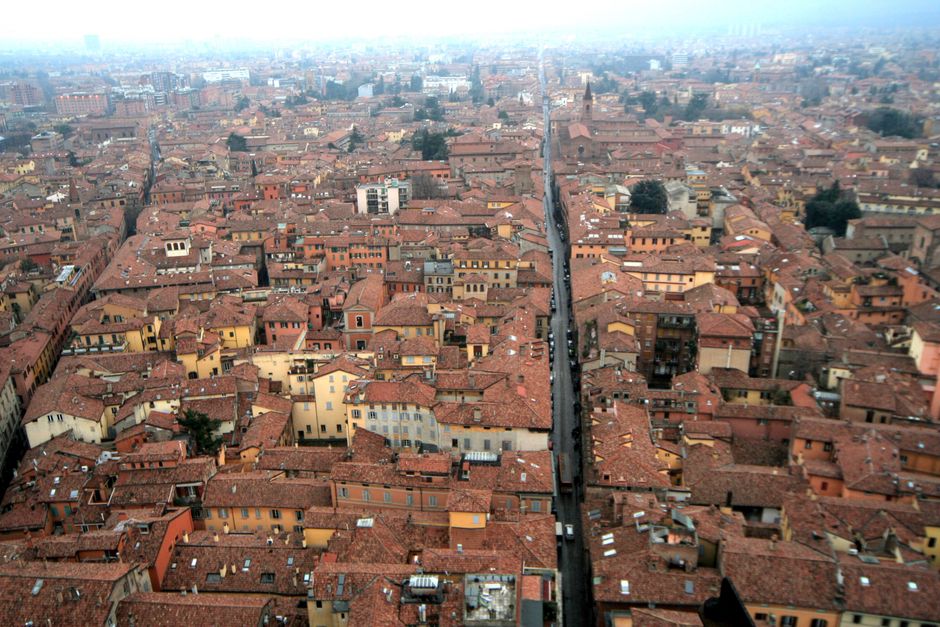
You ascend 498 wooden steps inside a narrow shaft. No lift, no shortcuts — but the view from the top is the best in Bologna: terracotta rooftops, the Apennine hills in the distance, and the sprawling porticoes visible in every direction. On a clear day you can see for 40km.
Entry: €5. Hours: Daily 09:00–18:00 (closes earlier in winter, check seasonally). Book online to avoid queuing — it fills up, especially weekend mornings. Located at the corner of Via Rizzoli and Strada Maggiore.
The ticket also admits you to the base of the Garisenda for a ground-level look at the lean — it tilts 3.2 degrees, more than the Leaning Tower of Pisa as a proportion of its height.
2. Piazza Maggiore and the Basilica di San Petronio
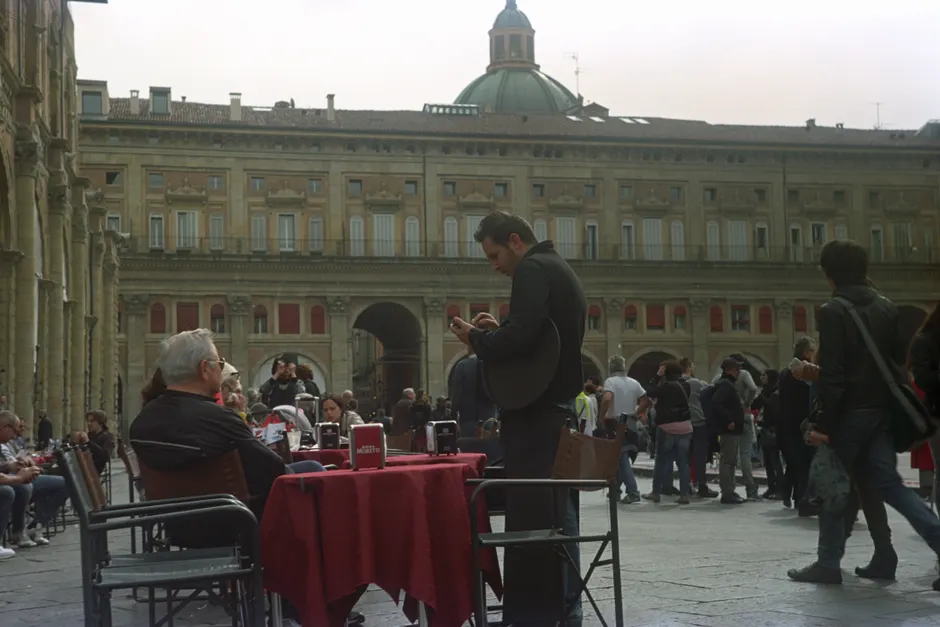
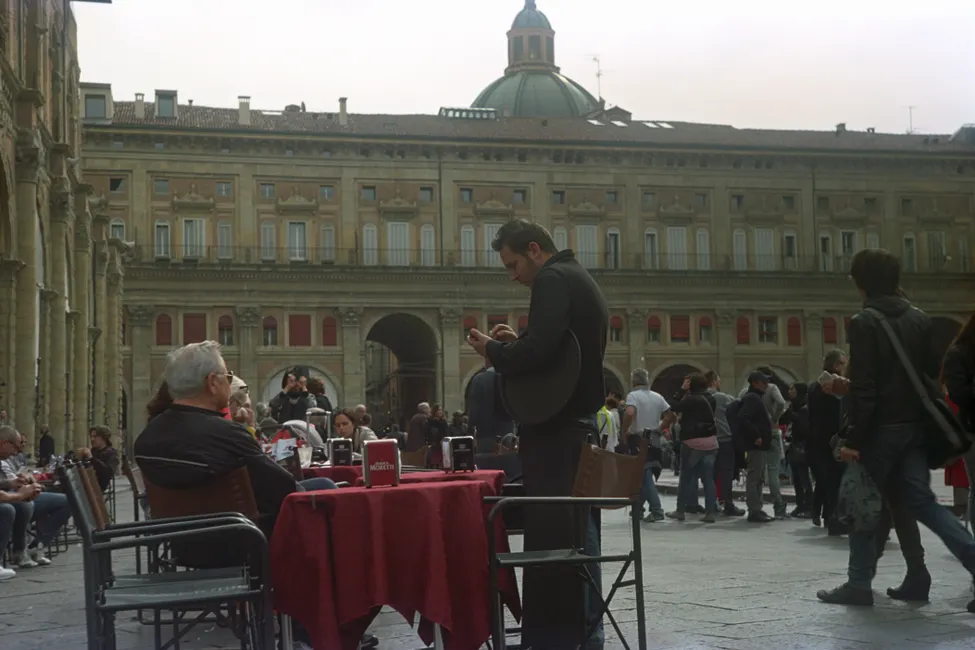
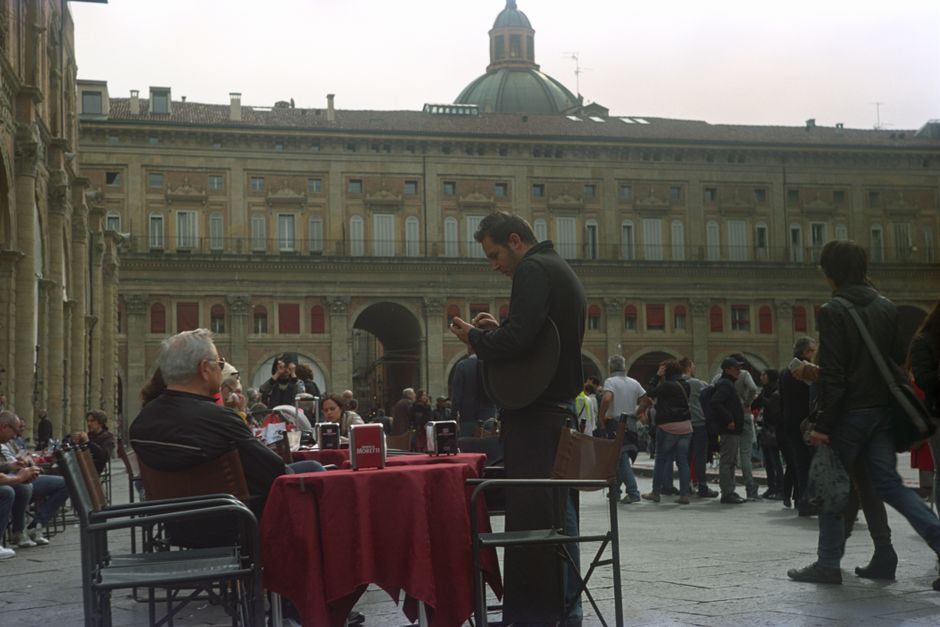
Piazza Maggiore is Bologna's main square and arguably the finest medieval piazza in northern Italy. It is completely free to walk through and best visited in the morning before the tour groups arrive. The surrounding buildings — Palazzo d'Accursio (city hall), Palazzo dei Notai, Palazzo dei Banchi — form a remarkably coherent medieval streetscape.
Advertisement
The Basilica di San Petronio dominates the south side. It is the fifth-largest church in the world and the largest Gothic church in Italy, yet its facade is famously unfinished — half marble, half bare brick. Entry is free. Inside, look for the world's longest sundial (66m, running along the floor) installed by astronomer Giovanni Cassini in 1655, still accurate today.
Hours: Mon–Sat 07:45–18:30, Sun 07:45–13:00 and 15:00–18:30. Modest dress required.
Also on the piazza: the Neptune Fountain (1566, Giambologna), free to view, one of the finest Renaissance fountains in Italy.
3. The Archiginnasio and Anatomical Theatre
This building served as the main seat of Bologna’s university for centuries, and the academic atmosphere still hangs heavy in the air. Entry to the courtyard and ground-floor porticoes is free, but paying €5 for the upper floors grants access to the Anatomical Theatre, a 17th-century lecture hall carved entirely from spruce wood. Statues of famous physicians line the walls, and the professor’s throne sits beneath a canopy supported by two figures representing anatomy and medicine. It is one of the most specific things to do in bologna if you appreciate intellectual history over generic sightseeing.
Book your ticket online to avoid the queue, especially during university term when student groups fill the narrow stairwells. Visit early morning or late afternoon for the best light through the high windows. Combine this stop with a walk through Piazza Maggiore, just two minutes away, to anchor your exploration of central bologna without backtracking.
Advertisement
4. The Quadrilatero: Bologna's Food Heart
The Quadrilatero is the medieval market district immediately east of Piazza Maggiore — a tightly packed grid of streets named after the trades once conducted there (Via Pescherie Vecchie = old fishmongers, Via Caprarie = goat sellers). Today it is the city's finest food shopping area.
Walk slowly and look into every doorway: hanging legs of Prosciutto di Parma, wheels of Parmigiano Reggiano stacked ceiling-high, counters piled with fresh pasta, tortellini by the hundred. The salumerias here are the real thing. Budget €5–10 for a mid-morning snack of mortadella on a roll from one of the street stalls — this is where the word "baloney" comes from, and the real version bears no resemblance to the American deli product.
Free to explore. Open roughly 08:00–19:30 Mon–Sat, quieter on Sunday mornings.
5. Walk the Portico to Madonna di San Luca
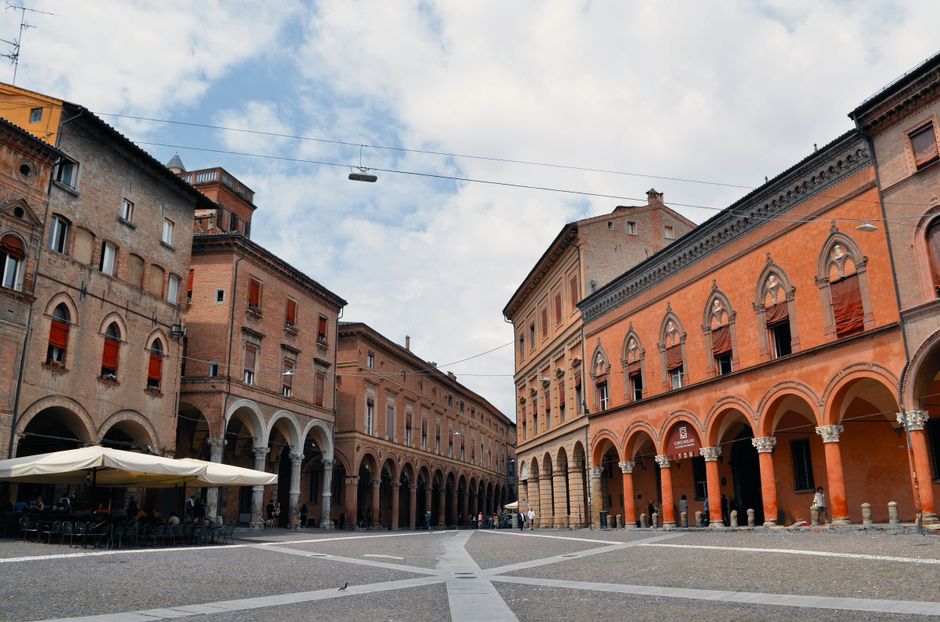
Bologna has 40km of covered porticoes threading through the city — they were built from the 11th century onwards so that students, merchants, and citizens could move around without getting wet. In 2021, UNESCO listed them as a World Heritage Site.
The most impressive walk is the Portico di San Luca: 3.8km of continuous arcade (666 arches) climbing from Porta Saragozza up to the Sanctuary of Madonna di San Luca, a baroque hilltop church at 300m above the city. It is the longest portico in the world.
Advertisement
The walk takes about 50–60 minutes uphill, 40 minutes back down. Wear good shoes — the cobblestones are uneven throughout. The view of Bologna from the sanctuary terrace is the best available without paying for the Asinelli Tower.
Sanctuary entry: Free. Open daily 07:00–12:30 and 14:30–19:00 (closes earlier in winter). There is also a small cable car (funivia, €3 one way, €5 return) from near the Meloncello Arch if you prefer not to walk the full ascent.
6. Basilica di Santo Stefano: The Seven Churches Complex
This is the most unusual religious site in Bologna — a complex of interconnected medieval churches, cloisters, and courtyards built between the 5th and 12th centuries. Locally called Sette Chiese (Seven Churches), though only four of the original seven remain fully intact today.
The highlight is the Cortile di Pilato (Pilate's Courtyard), a Romanesque cloister centred on an 8th-century basin said to be the one Pontius Pilate used to wash his hands. Whether that's true is beside the point — the courtyard is beautiful and completely peaceful even in high season.
Entry: Free. Hours: Daily 08:00–12:00 and 15:30–18:00. Located on Via Santo Stefano, 10 minutes' walk from Piazza Maggiore.
Advertisement
7. Mercato delle Erbe and Mercato di Mezzo
For the most local food experience in Bologna, skip the tourist restaurants and go directly to the covered markets.
Mercato delle Erbe (Via Ugo Bassi) is a daily covered market running since 1910. Downstairs: fresh produce, cheese, meat, and pasta vendors. Upstairs: a food court with lunch counters serving local dishes at honest prices — expect €8–12 for a full lunch including pasta and wine. Open Mon–Sat 07:00–14:00, evening vendors some days until 22:00.
Mercato di Mezzo (Via Clavature, in the Quadrilatero) is smaller and more artisan-focused, with a food hall upstairs serving tigelle (small flatbreads stuffed with cured meats), piadina, and fresh pasta. More polished than delle Erbe but still good value.
8. Museo della Storia di Bologna
Located inside Palazzo Pepoli Vecchio, this museum traces bologna’s evolution from Etruscan settlement to modern food capital. The permanent collection uses interactive displays and reconstructed environments rather than glass cases full of pottery shards. One room recreates a medieval tower house interior; another maps the city’s portico system with scale models that clarify why these covered walkways define urban life here. Admission is €10, and audio guides are included in English.
Set aside 90 minutes minimum. The narrative flow demands attention, and rushing defeats the purpose. This museum works best on day two after you have walked enough streets to recognize the landmarks referenced in each exhibit. Pair it with lunch in the nearby Quadrilatero to experience bologna food traditions immediately after learning their historical context.
9. Pinacoteca Nazionale di Bologna
Art museums in Italy often blur together, but this gallery earns its place among the best things to see because it focuses almost exclusively on Emilian painters from the 13th to 18th centuries. Works by Guido Reni, the Carracci family, and Parmigianino hang in restored monastic halls that match the art’s devotional intensity. Tickets cost €6, and crowds remain thin even during peak season. You will likely stand alone before masterpieces that would draw hundreds in Florence.
Visit on weekday mornings when natural light floods the upper galleries. Skip the temporary exhibitions unless they specifically interest you; the permanent collection contains more than enough substance for two hours. Located near the university quarter, this pinacoteca fits neatly into an afternoon itinerary after climbing the Asinelli tower or completing a morning food tour.
10. Bologna Food Tour and Cooking Class
Bologna is the food capital of Italy. That is not a marketing line — it is a straightforward description of where the country's most influential culinary traditions originate. Tagliatelle al ragù (the original bolognese sauce, which contains no tomatoes in its traditional form), tortellini in brodo, mortadella, crescentine, tigelle — these are all from here or from the surrounding Emilia-Romagna region.
A food tour (€55–80 per person, 3–4 hours) is worth doing on day one: you hit the Quadrilatero, try 6–8 local products, and learn which osteria to return to for a proper sit-down meal. Operators like Culinary Backstreets and local guides on Viator run good ones.
A cooking class focused on fresh pasta is the other option — making tortellini by hand takes about 3 hours and costs €80–120 per person. You eat what you make. Several home-kitchen operators run these; book ahead as groups are small.
Where to Eat in Bologna: Best Food and Restaurants
Bologna takes eating more seriously than any other Italian city. The local food culture is built around fresh egg pasta made daily — not dried pasta — and slow-cooked ragù that bears no resemblance to the jar of Bolognese sauce you might have at home.
What to order:
- Tagliatelle al ragù: The original bolognese, made with hand-rolled egg pasta and a meat sauce (beef, pork, sometimes chicken livers) that cooks for 3–4 hours. Never served with spaghetti here — that is a Romano invention. Order at any traditional trattoria.
- Tortellini in brodo: Small stuffed pasta in a clear meat broth. This is the dish Bologna is most proud of. The broth must be clear and deep — a pale or cloudy broth signals corners were cut.
- Mortadella: The real thing, sliced thin or served in cubes at any salumeria in the Quadrilatero. The good stuff has a clean, delicate flavour nothing like its American derivative.
- Crescentine (tigelle): Small fried flatbreads served with cured meats, stracchino cheese, or lardo. A common aperitivo snack.
- Fresh pasta with porcini or truffle: In autumn (September–November), wild porcini and truffle appear across menus at reasonable prices compared to Tuscany or Umbria.
Where to eat: Bologna's best food is in plain-looking trattorias with handwritten menus, not in polished restaurants near Piazza Maggiore. The university quarter (around Via Zamboni and Via delle Belle Arti) has a concentration of good, honest osterias aimed at locals and students rather than tourists — prices are 20–30% lower than in the centro storico.
- Trattoria di Via Serra (Via Luigi Serra): A classic, family-run, no-frills trattoria. Tagliatelle al ragù €9, tortellini in brodo €8. Lunch only, cash preferred.
- Osteria dell'Orsa (Via Mentana): University favourite, long lines but worth it, great for fresh pasta at student prices (pasta €7–9).
- Mercato delle Erbe upstairs food court: Best value lunch in the city, €8–12 for pasta and wine, local crowd.
- For mortadella: go to Tamburini (Via Caprarie 1, in the Quadrilatero) — they have been slicing it since 1932.
Balsamic vinegar note: True traditional balsamic vinegar (Aceto Balsamico Tradizionale di Modena DOP or di Reggio Emilia DOP) is aged 12–25 years and costs €35–100 for a 100ml bottle. What you see in the Quadrilatero at €5 is commercial grade balsamic condiment — fine for salads, not the same product. If you want the real thing, buy it in Modena directly from a producer.
Day Trips from Bologna
Bologna's position in the Po Valley makes it one of the best bases in Italy for day trips:
Modena (25 min by regional train, €4–6 return): Home of traditional balsamic vinegar (Aceto Balsamico Tradizionale di Modena DOP), the Ferrari Museum, Lamborghini, Maserati, and Osteria Francescana (three Michelin stars — book 3–4 months ahead if you want a table). I stayed in Modena rather than Bologna on my visit, and the contrast is interesting: quieter, cheaper hotels, and a genuinely local feel without the student crowds. The Mercato Albinelli is one of the best food markets in Italy.
Parma (55 min by train, €9–14 return): Parma ham and Parmigiano Reggiano production, plus one of the finest Romanesque cathedrals in Europe and the Galleria Nazionale, which holds Correggio's masterworks.
Ravenna (1h by train, €7–10 return): UNESCO-listed Byzantine mosaics in six separate sites, including the Mausoleum of Galla Placidia and the Basilica di San Vitale. The best-preserved early Christian mosaics in the world — an easy day trip and genuinely unlike anything else in Italy.
Ferrara (40 min by train, €8 return): Renaissance city, UNESCO-listed historic centre, excellent cycle path around the medieval city walls.
Getting to Bologna
Bologna Centrale is one of the best-connected train stations in Italy — it sits on the main Milan–Florence–Rome high-speed line.
- From Milan: 67 min on Frecciarossa, €15–40 depending on timing
- From Florence: 37 min on Frecciarossa, €10–25
- From Rome: 2h on Frecciarossa, €35–70
- From Venice: 1h 25min, €15–30
I booked my Frecciarossa from Florence to Bologna via Omio — cheapest prices were for trains booked 2–3 weeks ahead. Trenitalia's own site works too but Omio aggregates all operators.
By air: Bologna Marconi Airport (BLQ) is 6km from the centre. An Aerobus shuttle runs every 15 minutes (€7 one way, 30 min to the station). Not Bologna's strongest point — Ryanair and Vueling fly here, but for most connections the train from Milan or Rome is faster door-to-door.
Where to Stay in Bologna
Bologna's centro storico accommodation is walkable to everything but prices inflate significantly during trade fairs (Sana, Cersaie, Motor Show) — check the BolognaFiere events calendar before booking, as a €120 hotel can jump to €250+ during a fair week.
Budget tip: Modena is 25 minutes away by regional train (€3–5 each way) and prices there are unaffected by Bologna's trade fair calendar. When I visited during a busy conference period, Modena hotels were €50–70/night while comparable Bologna options were €140+. Trains start early and run late.
Staying in Bologna:
- Budget (€50–80/night): Hostel Galleria and several B&Bs around the university quarter (Via Zamboni area)
- Mid (€90–150/night): Hotel Orologio (right on Piazza Maggiore), Art Hotel Novecento
- Comfort (€160+/night): Grand Hotel Majestic già Baglioni (Via Indipendenza)
Best Time to Visit Bologna
October through April offers the most authentic experience. Summer heat makes walking the porticoes exhausting, and August brings factory closures plus inflated hotel rates tied to regional holidays. Late October delivers crisp air, golden light on red brick facades, and active truffle markets in surrounding hills. Winter weekdays mean empty restaurants where locals actually dine, not tourist traps serving pre-plated pasta.
Avoid major trade fairs like Cersaie (September) or Cosmoprof (March) unless attending professionally. Hotel prices triple overnight, and restaurant reservations become impossible. Check the BolognaFiere calendar before booking. For visitors prioritizing bologna food experiences, November through February aligns with mortadella festivals, balsamic vinegar tastings, and hearty seasonal menus that disappear once spring arrives.
Practical Tips for Visiting Bologna
Budget: Bologna is cheaper than Florence or Milan. Expect €12–18 for a full pasta lunch with wine at a trattoria, €6–9 for a glass of Sangiovese at an osteria, €2–3 for an espresso at the bar counter. Daily budget for food and sightseeing: €40–60 mid-range.
Supermarkets: Conad and Lidl are significantly cheaper than Carrefour Express convenience stores for water, snacks, and wine. The Carrefour near the station charges almost twice the price for the same bottle of water — it is not worth it if there is a Conad within a few minutes' walk.
Walking shoes: Essential. The cobblestones throughout the centro storico are uneven and hard on thin-soled footwear. Bring proper walking shoes, not fashion trainers.
The Bologna Welcome Card (€25/24h, €35/48h): Covers unlimited public transport and discounts at 30+ museums. Worth it if you plan to use buses frequently and visit more than 2–3 paid museums in a day. Buy at the tourist office inside Bologna Centrale.
Bologna is walkable: The centro storico is compact. Piazza Maggiore to the Asinelli Tower is a 3-minute walk. Piazza Maggiore to the Quadrilatero is 2 minutes. The Madonna di San Luca walk starts about 1.5km from the centre (take bus 20 to Meloncello to save the flat section).
FAQs: Things to Do in Bologna
What not to miss in Bologna, Italy? The Asinelli Tower (€5, 498 steps, best view in the city), Piazza Maggiore with the Basilica di San Petronio (free), the Quadrilatero food market (free), and the portico walk to Madonna di San Luca (free, 3.8km, UNESCO-listed). Add the Basilica di Santo Stefano for the Seven Churches complex if you have time.
Is Bologna worth visiting? Yes — it is consistently underrated. Less crowded than Florence, more food-serious than anywhere else in Italy, with genuinely excellent medieval architecture and a lively university city atmosphere. It deserves 2–3 full days minimum.
Is 2 days enough for Bologna? Two days covers the main attractions comfortably if you are efficient: Asinelli Tower and Piazza Maggiore on day one, Quadrilatero and the Madonna di San Luca walk on day two. Add a day trip to Modena or Ravenna if you have a third day.
What to do in Bologna for a day? Start at the Asinelli Tower (09:00, book ahead), then walk across Piazza Maggiore and into the Basilica di San Petronio. Spend an hour in the Quadrilatero for lunch and food shopping. In the afternoon, walk the portico to Madonna di San Luca or visit the Archiginnasio. End with dinner at an osteria in the university quarter — tagliatelle al ragù and a carafe of Sangiovese.
📍 Also planning Italy? See our 3 Days in Florence guide · 3 Days in Milan · 3 Days in Rome · Venice City Pass review
Best Tours & Experiences
For guided tours and experiences, I recommend checking Viator — they have a huge selection with free cancellation on most bookings. You can also browse TripAdvisor Experiences for more local tours, day trips, and attraction tickets with real traveller reviews.
Save More
Save 5% on activities
Use code CHASINGWHEREABOUTS5 in the GetYourGuide app.
Book this exact experience in GetYourGuide appGet Travel Tips in Your Inbox
Join 5,000+ travelers. Get exclusive itineraries, honest reviews, and budget hacks once a week.
No spam. Only high-quality travel advice. Unsubscribe anytime.