Disclosure: Chasing Whereabouts is reader-supported. This guide contains affiliate links to partners like Tiqets, GetYourGuide, Viator and Headout. If you make a purchase through these links, we may earn a small commission at no extra cost to you. This helps us continue providing free, first-hand travel guides. Thank you for your support!
🇪🇺 This guide is part of our comprehensive Europe Travel Guide.
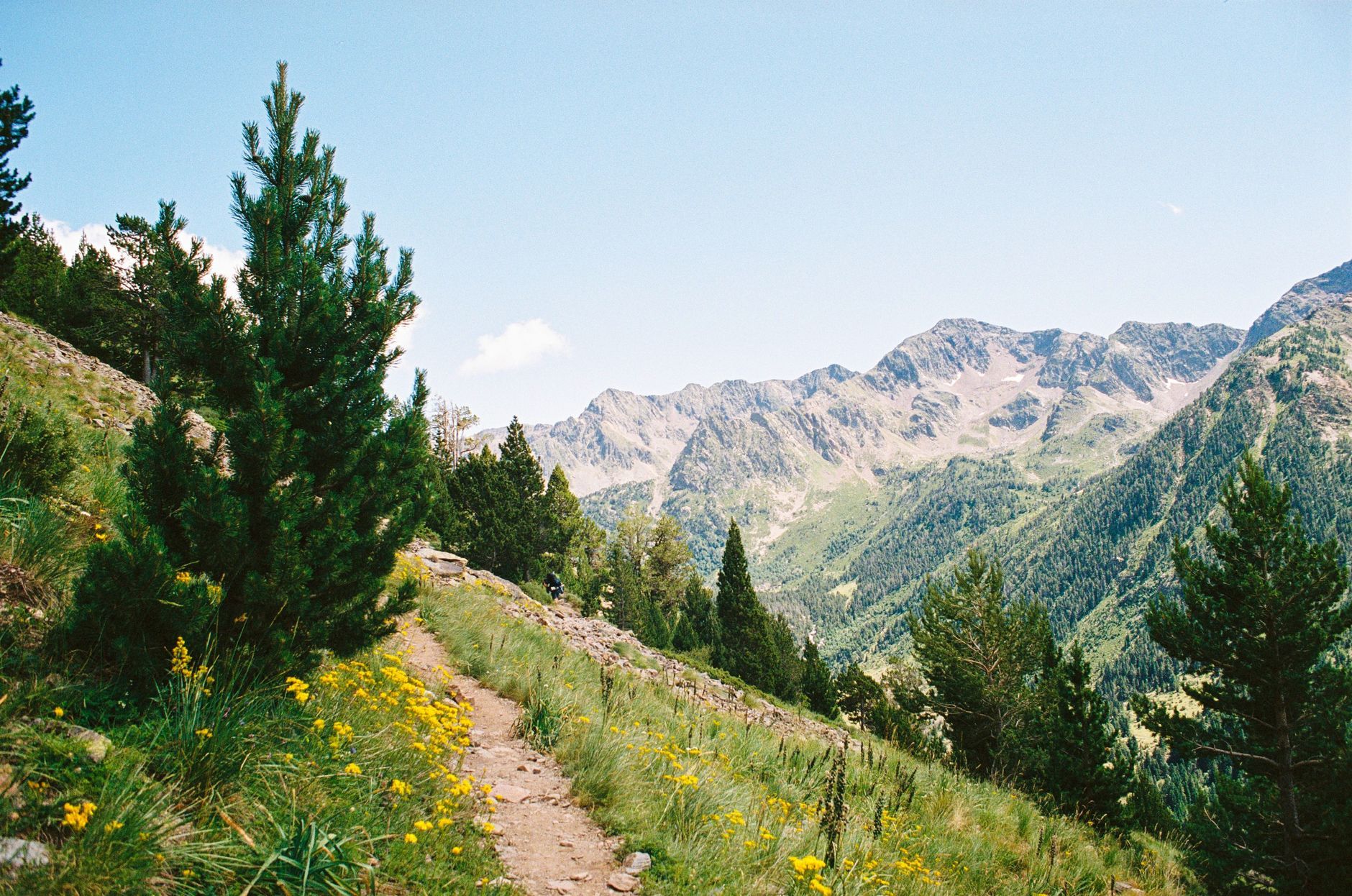
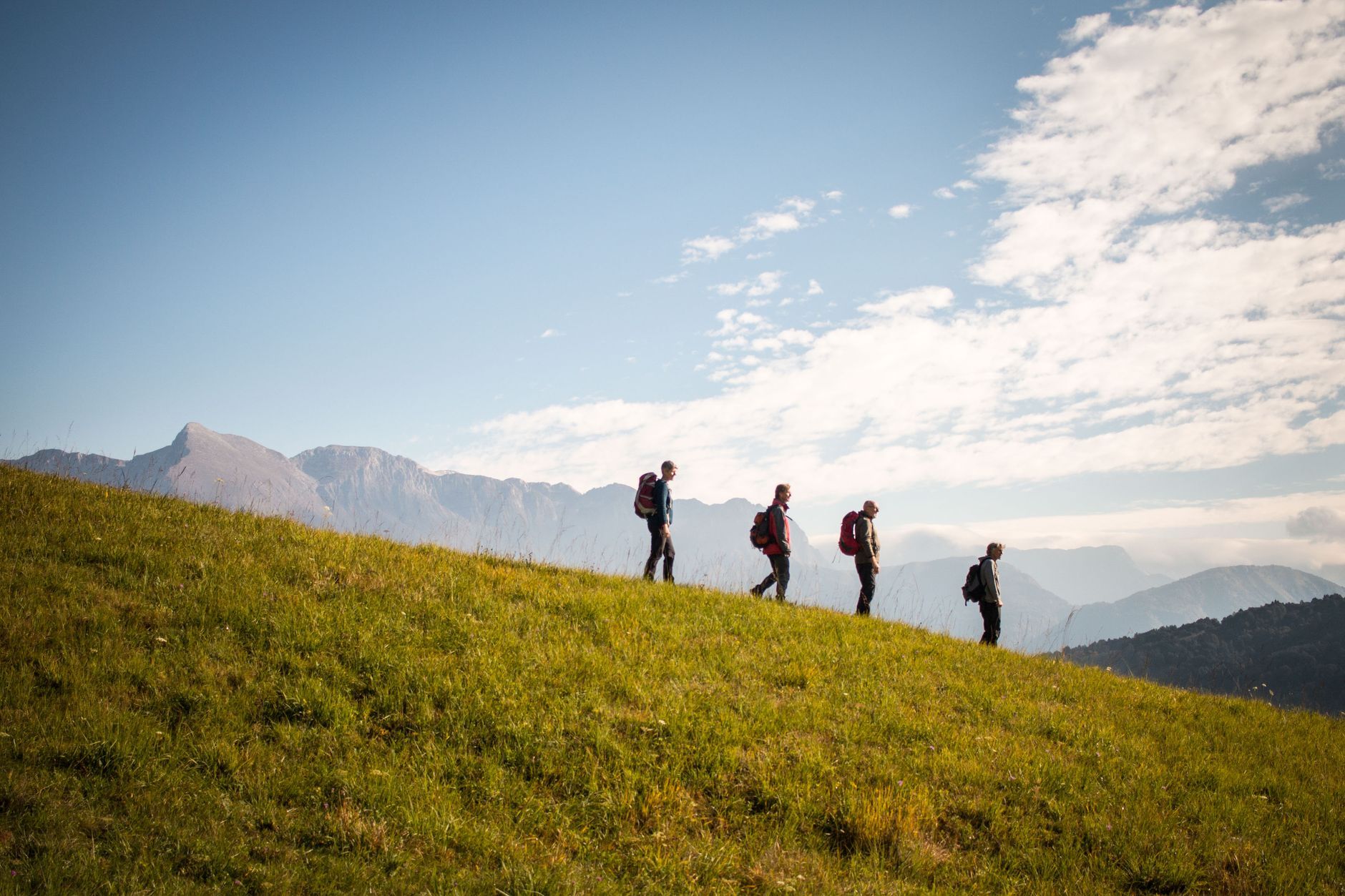
Spain surprises most people when it comes to hiking. You expect tapas and beaches, then discover you're surrounded by a mountain range with trails that could fill three separate itineraries. The Pyrenees on the northern border, the Sierra Nevada in Andalusia, the Picos de Europa in Asturias, and island routes on Mallorca and the Canary Islands — this country has more hiking terrain than most people realise.
I've hiked in several of these areas and the thing that catches people off guard is the access difficulty. Many of Spain's best routes are mountain-locked — they're genuinely only hikeable July through September without serious gear. Plan accordingly.
Quick Comparison: Best Hikes in Spain
Advertisement
| Trail | Region | Distance | Difficulty | Best Season | Nearest City |
|---|---|---|---|---|---|
| Ruta del Cares | Picos de Europa (Asturias/León) | 12km one-way | Easy | May–Oct | Oviedo |
| Caminito del Rey | Málaga, Andalusia | 7.7km one-way | Easy | Year-round | Málaga |
| Camino de Santiago (final 100km) | Galicia | ~115km | Moderate | Apr–Jun, Sep | Sarria |
| GR221 Dry Stone Route | Mallorca | 167km (8 stages) | Moderate–Hard | Oct–May | Palma |
| Mulhacén Summit | Sierra Nevada | 22km return | Challenging | Jul–Sep | Granada |
| Ordesa Circo de Soaso Loop | Pyrenees (Aragón) | 18km | Challenging | Jun–Sep | Huesca |
| Aigüestortes Day Hike | Pyrenees (Catalonia) | varies | Moderate | Jun–Sep | Lleida |
| Montserrat Sant Joan Trail | Near Barcelona | 5km return | Easy | Year-round | Barcelona |
Ruta del Cares: The Best Day Hike in Spain
The Ruta del Cares runs 12km through the Cares gorge in the Picos de Europa national park, following a path blasted into the cliff face above the Cares river. You hike one way (Caín to Poncebos or reverse), with sheer drops into the canyon below and tunnel sections through the rock. It's flat. It's dramatic. It's free.
Practical info: Start from Caín (the quieter end) or Poncebos (more transport options from Arenas de Cabrales). The gorge sits on the border between Asturias and León. Car is easiest — public buses from Cangas de Onís reach Poncebos in summer. No permit required. Return the same way or arrange a car shuttle. Takes 3–4 hours each way.
What makes it: the scale of the gorge is hard to photograph accurately. Walls rise 500m vertical from the river. Even in summer it's cool in the canyon.
Camino de Santiago: The Most Famous Hiking Trail in Spain
The Camino de Santiago is a network of pilgrim routes to Santiago de Compostela in Galicia. The Camino Francés from Saint-Jean-Pied-de-Port is the main route — 800km across the Pyrenees, Meseta, and Galicia. Most people doing the full route take 30–35 days.
For the Compostela certificate, you need the final 100km minimum. Starting from Sarria gets you this — it's 5 days of walking through green Galician countryside (eucalyptus forests, stone villages, rain). Expect 20–22km per day with gradual hills.
Advertisement
Cost: Albergues €12–18/night. travel budget calculator €30–50/day total including food and accommodation. Book accommodation in summer — the route is seriously crowded in July and August. April–June is the best time: manageable weather, fewer people, lower costs.
Getting there: Sarria is 2.5 hours from Madrid by bus or train (via Lugo). Fly into Santiago de Compostela to fly home — there's a direct airport.
Caminito del Rey: Best Short Hike in Spain
El Caminito del Rey outside Málaga was once called the most dangerous path in the world. It's been fully restored with proper walkways and safety railings, but you're still walking 100m above the gorge floor on exposed boardwalks through the Chorro gorge.
Distance: 7.7km one-way (visitors are bused back). Entry fee: ~€10. Book in advance — this is essential. Slots sell out weeks ahead in peak season. The trail ends in Ardales.
Getting there: From Málaga, take a train to El Chorro station (~1hr, €4–5 on Cercanías). It's a short walk to the entry point. This makes it one of the few major Spanish hiking trails you can reach without a car.
Advertisement
Picos de Europa: Spain's Best Mountain Range for Hiking
Beyond the Ruta del Cares, the Picos de Europa has multi-day routes and serious summit hikes. The massif sits across Asturias, Cantabria, and León — limestone peaks rising sharply from the coast. The Naranjo de Bulnes (Picu Urriellu) is the iconic summit, requiring technical climbing. But there are plenty of hiker-accessible routes.
Base towns: Cangas de Onís (west massif), Potes (east/central). Car is necessary — the valley roads are narrow and buses are infrequent. The Fuente Dé cable car (€17 return) gets you to 1,834m instantly for easier ridge walks.
GR221: Best Hiking Trail in Mallorca
The GR221 Dry Stone Route runs 167km across the Serra de Tramuntana mountain range on Mallorca's northwest coast, from Port d'Andratx to Pollença. It's divided into 8 stages and uses historic dry-stone paths (camí de pedra en sec) through olive groves, clifftop villages, and mountain terrain.
Most people do individual day stages rather than the full route. Stage 2 (Deià to Sóller) is the most popular — 12km through the Serra with views over the coastline and the Mediterranean. Stage 1 (Port d'Andratx to Estellencs) has the most dramatic cliff sections.
Season: October to May. Summer heat makes ridge hiking unpleasant and occasionally dangerous. Getting there: Fly into Palma. Bus or taxi to the trailhead. The Sóller tram and vintage train from Palma are useful for stage logistics.
Advertisement
Sierra Nevada: Hiking to Mainland Spain's Highest Peak
The Sierra Nevada in Andalusia contains Mulhacén (3,479m) — the highest point in mainland Spain. The standard summit route is 22km return from Hoya de la Mora (reached by shuttle bus from Granada, €12 return, running July–September).
Difficulty: The altitude is the main challenge, not technical terrain. You gain around 1,400m from the bus drop-off. Allow 8–9 hours. No technical gear needed in summer, but weather changes fast and temperatures drop sharply above 3,000m. Start early.
Beyond Mulhacén: The Sierra Nevada has lower-altitude routes suitable for spring and autumn — the Sulayr GR-240 circumnavigates the whole range (300km), but day sections are accessible from the ski resort village of Pradollano.
Ordesa y Monte Perdido: Best Pyrenees Day Hike
The Circo de Soaso loop in Ordesa y Monte Perdido national park is one of the finest valley hikes in the Spanish Pyrenees. 18km with around 500m elevation gain, it follows the Arazas river through the Ordesa canyon to the Cola de Caballo waterfall, then loops back via the Faja de Pelay high path.
Season: June to September — snow blocks the high paths earlier. Parking: Book the Pradera de Ordesa shuttle reservation in advance (summer restrictions apply — private vehicles are banned from the valley road). The shuttle from Torla-Ordesa costs ~€5 return.
Advertisement
Aigüestortes: Best Hike in the Catalan Pyrenees
Aigüestortes i Estany de Sant Maurici is Catalonia's only national park — a high-altitude plateau of glacial lakes and granite peaks in the Pyrenees. The park is split into two sectors (Boí valley to the west, Espot to the east). Taxis (4WD jeeps) run from the villages to the park boundary — private vehicles aren't allowed inside.
Best day hike: Estany de Sant Maurici to Estany Long, or the full crossing from Boí to Espot (23km, usually done over two days staying at a refuge). GR11 long-distance route passes through the park.
Montserrat: Best Easy Hike Near Barcelona
Montserrat is 50km from Barcelona and reachable in under an hour by train and rack railway (FGC from Plaça Espanya, €27 return including rack railway). The monastery sits at 720m; the Sant Joan trail adds another 250m of elevation to the ridge above.
Sant Joan trail: ~5km return, 2 hours. Rocky but well-marked. The views across the Llobregat plain and surrounding peaks are genuinely good. Avoid weekends in summer — the rack railway queues get long. Go early or midweek.
Best Time to Hike in Spain
| Season | Best For | Avoid |
|---|---|---|
| April–June | Camino de Santiago, coastal paths, Pyrenees lower routes | High Pyrenees and Sierra Nevada summits (snow) |
| July–September | Mountain summits (Sierra Nevada, Pyrenees), Picos de Europa | Andalusia lowlands (40°C+), Camino crowds in August |
| October–November | GR221 Mallorca, Costa Brava, Andalusia | High mountain routes (early snow) |
| December–March | Canary Islands (volcanic hikes, Teide) | Nearly all mainland mountain routes |
The Canary Islands are the exception — Teide National Park on Tenerife and the volcanic routes on La Palma are hikeable year-round, with the summit of Teide (3,715m, Spain's highest point) requiring a permit for the final section.
Getting to Spanish Trailheads
Most major trailheads require a car or a summer-only shuttle bus. Exceptions:
- Caminito del Rey — Cercanías train from Málaga to El Chorro (~€5)
- Montserrat — FGC rack railway from Barcelona (~€27 return)
- Camino de Santiago — regional buses from major cities to Sarria, Pamplona, or other starting points
- Ordesa, Picos de Europa, Sierra Nevada — car or summer shuttle only
Rent a car if you're planning more than one or two trails. The flexibility is worth it — trailhead parking is often free outside peak hours.
FAQs
What is the most famous hiking trail in Spain?
The Camino de Santiago is the most famous hiking trail in Spain and one of the best known pilgrimage routes in the world. The Camino Francés from the French border to Santiago de Compostela (800km) is the main route, but dozens of regional variants exist. Most people start from Sarria for the minimum 100km qualifying distance.
How difficult is the Caminito del Rey hike?
The Caminito del Rey is easy in terms of physical effort — it's 7.7km one-way on well-maintained boardwalks. The challenge is psychological: sections have significant exposure (you're walking on a path cut into a cliff face above a gorge). There's no scrambling or technical terrain. Anyone with a reasonable head for heights can do it. Book tickets in advance at caminitodelrey.info.
Is Spain a good place for hiking?
Spain is excellent for hiking. It has more mountain terrain than most Western European countries — the Pyrenees, Sierra Nevada, Picos de Europa, and Tramuntana in Mallorca are all serious ranges. Beyond mountains, there are coastal paths (Costa Brava's Camí de Ronda), island routes (Canary Islands), and long-distance routes (the Camino network, GR11 across the Pyrenees, GR221 in Mallorca). The main limitation: many mountain routes are snow-covered outside July–September.
What is the famous 500 mile walk in Spain?
This refers to the Camino Francés — roughly 500 miles (800km) from Saint-Jean-Pied-de-Port in France to Santiago de Compostela in Galicia. It crosses the Pyrenees, the Meseta plateau, and the hills of Galicia. The song "I'm Gonna Be (500 Miles)" by The Proclaimers became associated with the Camino through the film The Way (2010). Most walkers take 30–35 days at 22–25km per day.
Related: 10-Day Spain Itinerary by Train · Best Things to Do in Andalusia · Things to Do in Palma de Mallorca · What to See in Granada
City Passes — Where to Book
Save on attraction entry with official city passes, booked through Tiqets (instant e-ticket):
- Barcelona: Book on Tiqets → · Full review →
- Madrid: Book on Tiqets → · Full review →
Save More
Save 5% on activities
Use code CHASINGWHEREABOUTS5 in the GetYourGuide app.
Book this exact experience in GetYourGuide appGet Travel Tips in Your Inbox
Join 5,000+ travelers. Get exclusive itineraries, honest reviews, and budget hacks once a week.
No spam. Only high-quality travel advice. Unsubscribe anytime.