
Disclosure: Chasing Whereabouts is reader-supported. This guide contains affiliate links to partners like Tiqets, GetYourGuide, Viator and Headout. If you make a purchase through these links, we may earn a small commission at no extra cost to you. This helps us continue providing free, first-hand travel guides. Thank you for your support!
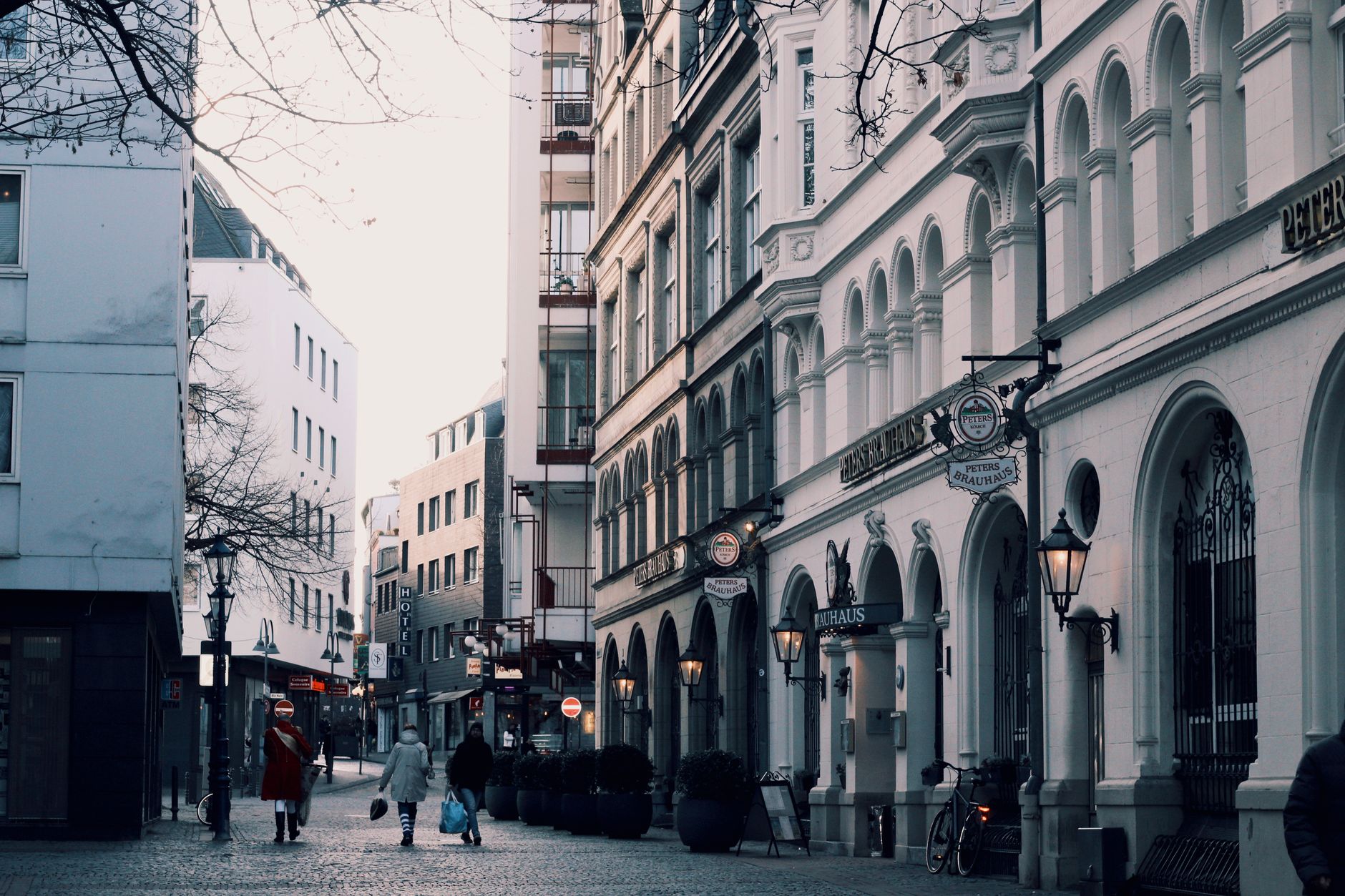
The Cathedral area of Cologne is impressive but homogenous. Large restaurants geared toward tourists, international chains, souvenir shops selling Eau de Cologne in bottles shaped like the Cathedral. After two days in that orbit, walking into Belgisches Viertel felt like stepping into a different city. Not a different country — a different Cologne. The one that lives here rather than visits.
I spent a half-day wandering the Belgian Quarter in May 2026 during a Cologne Tourism collaboration trip. I wasn't there to tick off sights. I had no agenda beyond lunch and a few hours on foot. That's exactly the right way to approach this neighbourhood.
Disclosure: This post contains affiliate links. If you book through these links, I may earn a small commission at no extra cost to you. The Cologne Tourism collaboration covered press activities but not this specific content.
What Is Belgisches Viertel?
The name comes from the streets. Brüsseler Platz, Lütticher Straße, Aachener Straße, Moltkestraße — most of the quarter's roads are named after Belgian cities, which is where you get "Belgian Quarter." The district was developed in the late 19th century as a middle-class residential area when Cologne was expanding westward. That residential DNA is still present: above the boutiques and specialty coffee shops, people actually live here.
It's gentrified — the coffee is good and the brunch options are abundant — but it hasn't tipped into the sterile version of gentrification where every surface is white and everything costs €22. There are still local bakeries, a few old-school Kneipes that haven't changed since the 1990s, and long-term residents walking their dogs past the vintage shops. It doesn't feel curated. It feels used and lived-in, which is the better outcome.
Advertisement
There are no major sights here. That's the point. You come to wander, eat, drink coffee, look at things in shop windows, and sit on a square bench in the sun. If that sounds boring to you, Belgisches Viertel isn't for you. If it sounds like relief, keep reading.

Getting There from the Cathedral
Two options:
Walk (20 minutes): Head west from the Cathedral along Breite Straße or through the Innenstadt shopping district, then continue along Aachener Straße. The walk is pleasant and passes through increasingly local-feeling streets as you get further from the centre. You'll know you're in Belgisches Viertel when the souvenir shops disappear.
Tram: Line 1 or Line 9 from near the Cathedral — direction Aachener Straße or Brüsseler Platz. Two stops. Useful if you're tired or carrying bags, though you miss the transition on foot which is genuinely interesting.
Advertisement
The tram is integrated into the VRS network — a standard Cologne day ticket covers it. If you're using a KölnPass, it's included.
Brüsseler Platz: The Neighbourhood's Living Room
Brüsseler Platz is an irregularly shaped square in the heart of the quarter — trees, benches, a fountain, a church on one side, cafés and bars on the others. During the day it's calm: people reading, a few café tables outside, the occasional cyclist cutting through. By early evening it transforms.
From around 5pm in warm weather, locals arrive with their own drinks — bottles of Kölsch, cheap wine, whatever — and sit on the church steps and the square's low walls. No one organises it. It just happens. It's one of those urban spontaneous-gathering situations that Cologne apparently handles well. There are enough outdoor café seats around the square if you'd rather pay for table service, but the steps are more interesting.
I sat on the square for about 45 minutes in the late afternoon. Watched a group of students spread a blanket. Watched a man feed pigeons systematically, by breed priority somehow. Watched the light go sideways through the tree cover. It's a good square.
Advertisement
Where to Eat and Drink
Specialty Coffee
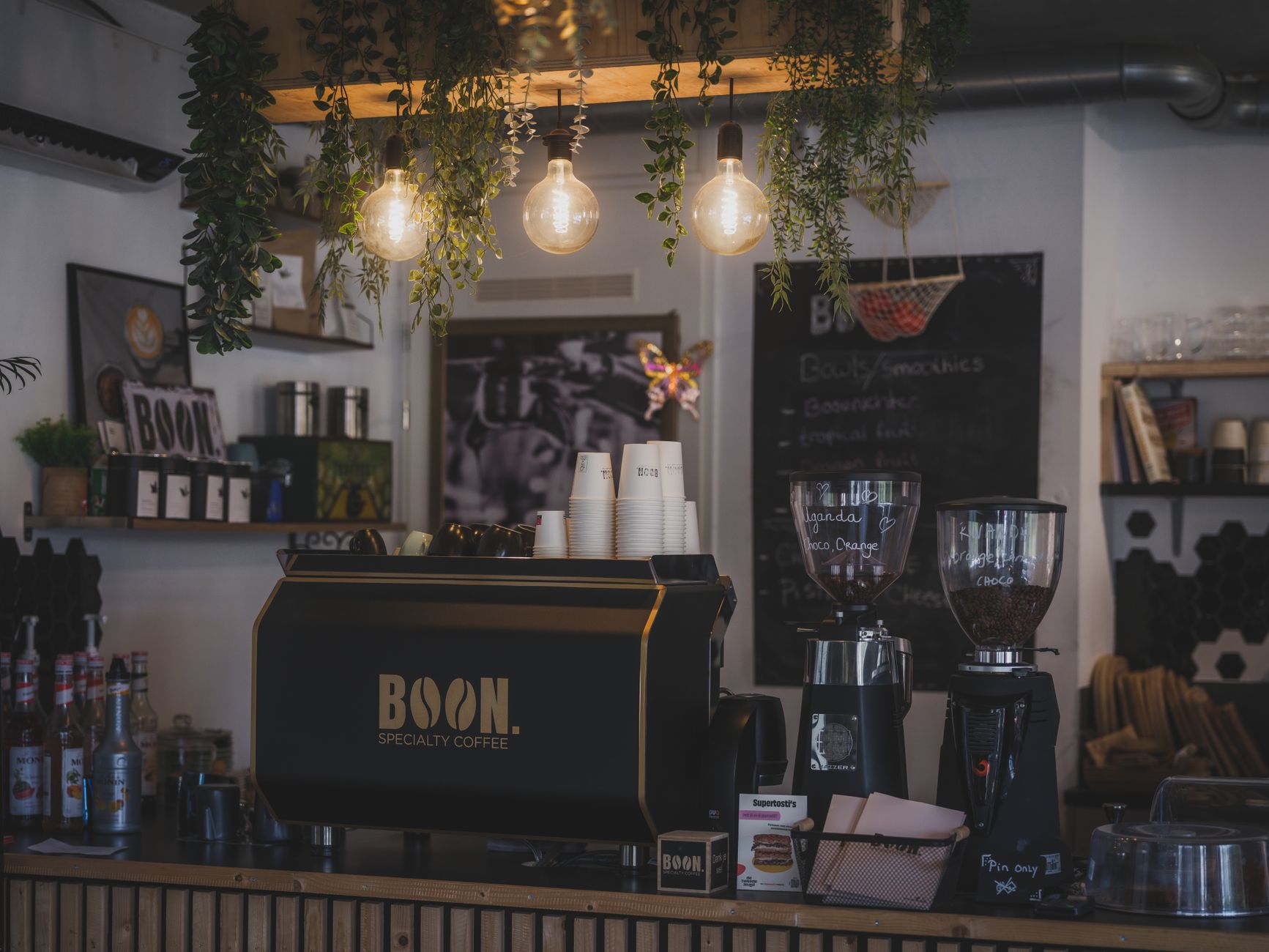
Belgisches Viertel has a high density of independent specialty coffee shops. Third-wave style — single origin, filter options alongside espresso, baristas who know what they're doing. Not the kind of place where you get a cup of something beige and forget about it. The coffee culture here is markedly different from the Cathedral zone, where chain cafés dominate.
Most of these places also function as sit-and-work spots — good wifi, reasonable about long stays, the right kind of ambient noise. If you need two hours to catch up on remote work between sightseeing days, this is where to do it.
Vegetarian and Vegan Food
This is one of the stronger reasons to make the trip. Cologne has a genuinely good vegetarian food scene — better than Frankfurt for plant-based options, which is a position I'll defend — and Belgisches Viertel is where it's concentrated. Several dedicated vegetarian and vegan restaurants within a few minutes of each other, plus plenty of places where the non-meat options aren't an afterthought.
The food leans hearty. This isn't salad-centric wellness food. You can get substantial, satisfying lunches — grain bowls, flatbreads, cooked vegetable dishes — without feeling like you're compromising on the German lunch experience. Vegetarians in traditional German food culture often end up with a sad portion of Käsespätzle surrounded by seven other tables eating roasted pork. That's not the situation here.
Bakeries
Proper neighbourhood bakeries — the kind that exist to serve the people who live above the apartments nearby, not to sell overpriced pastries to tourists. Prices and portions reflect this. A good place to pick up breakfast before you start walking.
Advertisement
Brauhaus Option
There's at least one traditional Kneipe/Brauhaus-style pub in the area where you can get Kölsch in the standard 0.2L Stange and eat traditional German food alongside locals. It's less famous than the Cathedral-area Brauhäuser (Früh, Päffgen, Dom) but also less crowded and doesn't feel like it's performing for tourists. Kölsch tastes the same.
Shopping
The shopping in Belgisches Viertel is independently owned and genuinely varied. Not luxury retail — that's in the Innenstadt or Schildergasse — but interesting.
Vintage and second-hand clothing: Several shops along the main streets. Mix of curated vintage and standard second-hand. Prices are reasonable by German vintage-shop standards. Worth an hour if that's your thing.
Independent fashion boutiques: Small labels, local designers, the kind of places that stock things you won't see at Zara. Mostly mid-range pricing.
Advertisement
Bookshops: At least one independent bookshop with an English-language section. Good for picking up something to read on the train back to wherever you came from.
Record stores: A couple of vinyl shops for those who care about that. Mixed stock — used and new.
Concept stores: Small shops that sell a combination of things and resist categorisation. Homeware, skincare, stationery, some clothing. The kind of shop you spend 25 minutes in without intending to.
None of this requires purchasing. The shopping is also just interesting to walk past.
Who Is Belgisches Viertel Actually Good For?
Travellers on 3+ night stays. If you have two days in Cologne, the Cathedral, Chocolate Museum, Rhine promenade, and Brauhaus evening are more impactful uses of your time. Belgisches Viertel is a reward for staying longer — something to give your trip texture beyond the main circuit.
Vegetarians and vegans. Some of the best plant-based options in the city are concentrated here. Worth the 20-minute walk from the centre specifically for this.
Remote workers and slow travellers. Good coffee, reasonable long-stay culture in the cafés, interesting streets to walk between work sessions.
People who want a break from tourist infrastructure. If the Cathedral area is starting to feel relentless, this is the antidote. Menu is in German more often than not. No one is trying to sell you a boat tour.
Those staying nearby. Hotels in the Belgisches Viertel area and western Innenstadt tend to be better value than Cathedral-adjacent options. If you're thinking about where to base yourself, it's worth considering — see where to stay in Cologne for the breakdown.
Good with a baby or young children: Flat streets, café culture with lots of indoor space, calm pace. No need to rush. Stroller-friendly throughout.
Honestly: When Should You Skip It?
If you're doing a day trip from Frankfurt or have only 1-2 days in Cologne, skip Belgisches Viertel. There are more impactful things: the Cathedral tower climb, the Chocolate Museum, a proper Brauhaus evening, the Rhine waterfront from Deutz at night. Those experiences are specific to Cologne in a way that Belgisches Viertel, for all its character, is not. You could find a similar independent-neighbourhood vibe in several European cities. You cannot find the Cologne Cathedral interior lit by evening light anywhere else.
Belgisches Viertel belongs on your list for a return visit, or for a third or fourth day tacked onto a longer German trip.
Getting Back to the Centre
Walk takes 20 minutes and is pleasant — reverse the route you came, or vary it slightly through the Innenstadt. The tram is faster if you're tired. Late evening: taxi or Uber works fine, the area is safe and well-lit. If you're heading to Cologne Hauptbahnhof for a train, the walk is doable or the tram drops you nearby.
One note: Aachener Straße, the main artery between Belgisches Viertel and the city centre, has its own low-key appeal — a few more independent shops and restaurants as it transitions back toward tourist territory. Worth walking rather than taking the tram if you have time.
If you're building a Cologne itinerary and want to understand how Belgisches Viertel fits in, the Cologne 2-day itinerary covers the main circuit. If you want to stay near the quarter, where to stay in Cologne covers neighbourhood options with honest assessments of location tradeoffs.
For hotels in Cologne: search current availability on Booking.com — filtering by the Belgisches Viertel/western centre area gives you the best balance of value and access.
Related: Things to Do in Cologne · Cologne 2-Day Itinerary · Where to Stay in Cologne · Best Kölsch Breweries in Cologne
Frequently Asked Questions
Q: Wo in Köln ist das Belgische Viertel? The Belgian Quarter sits in the western part of Köln, bounded by Venloer Straße to the north and Aachener Straße to the south. You can walk there from the Cologne Cathedral in about 20 minutes, or take tram lines 1, 7, 12, or 15 to Rudolfplatz.
Q: Why is the Belgisches Viertel so popular? It is the creative heart of Cologne, known for its independent boutiques, galleries, and coffee shops rather than corporate chains. In the evenings, locals gather around Brüsseler Platz to drink Kölsch bought from nearby kiosks, giving the veedel a relaxed, community-first energy.
Q: Is the Belgian Quarter expensive? Boutique shopping along Maastrichter Straße and dining on Aachener Straße can run higher than in other parts of Köln, but it is not exclusively high-end. You can easily grab a cheap slice of pizza, a coffee for four euros, or a bottle of beer from a kiosk for under two euros.
Q: Is the Belgian Quarter safe to walk around at night? Yes, this is one of the safest and most active residential areas in Cologne. The streets around Brüsseler Straße and Rudolfplatz remain busy late into the night with restaurant-goers and locals, making solo night walks comfortable.
Save More
Save 5% on activities
Use code CHASINGWHEREABOUTS5 in the GetYourGuide app.
Book this exact experience in GetYourGuide appGet Travel Tips in Your Inbox
Join 5,000+ travelers. Get exclusive itineraries, honest reviews, and budget hacks once a week.
No spam. Only high-quality travel advice. Unsubscribe anytime.