
Disclosure: Chasing Whereabouts is reader-supported. This guide contains affiliate links to partners like Tiqets, GetYourGuide, Viator and Headout. If you make a purchase through these links, we may earn a small commission at no extra cost to you. This helps us continue providing free, first-hand travel guides. Thank you for your support!
Bonjour from Marseille! As a European traveler based in Germany, I've had the pleasure of exploring many of France's charming cities, but Marseille holds a particularly vibrant, slightly gritty, and utterly captivating place in my heart. It's a city that often gets overlooked in favour of Paris or the Côte d'Azur's glitz, but believe me, it offers an authentic, rich cultural tapestry unlike anywhere else.
When I first visited Marseille, I was immediately struck by its energy – a bustling port, ancient winding streets, and the constant scent of the Mediterranean sea salt mixed with spices from distant lands. It's a place that demands to be explored on foot, where every corner reveals a new story, a hidden gem, or an incredible view.
This 3-day itinerary for Marseille is designed to help you truly experience the city, moving beyond the typical tourist traps to discover its genuine soul. I'll share my personal recommendations, practical tips on getting around, realistic costs, and, of course, where to find the best local eats. Ready to dive into the heart of Provence's most dynamic city? Let's go!
Is 3 Days Enough for Marseille?
In my experience, three full days in Marseille is the perfect amount of time to get a fantastic feel for the city. It allows you to hit all the major highlights, delve into some of its fascinating neighbourhoods, and even squeeze in a refreshing escape to the nearby islands. While you could certainly spend longer exploring the wider Provence region, for the city itself, three days provides a comprehensive and enjoyable visit without feeling rushed.
Getting Around Marseille
Advertisement
Marseille is surprisingly walkable, especially around the Vieux Port and its surrounding districts like Le Panier. However, to reach places like Notre-Dame de la Garde or the coastal areas, public transport is incredibly efficient.
- Walking: This is my preferred way to explore. Many of the key attractions are within a 15-20 minute walk of each other.
- Metro: Marseille has two Metro lines (M1 and M2) that are excellent for connecting different parts of the city quickly.
- Tram: Three tram lines (T1, T2, T3) complement the Metro, often running through pedestrianised areas.
- Bus: An extensive bus network covers areas not reached by Metro or tram. This is particularly useful for Notre-Dame de la Garde (bus 60).
- Ferry: Small ferries cross the Vieux Port, and larger boats depart for the Frioul Islands and Château d'If.
A single ticket for public transport costs around €1.80 and is valid for an hour, allowing transfers. You can buy carnets of 10 tickets for about €15. If you plan to use public transport extensively and visit many museums, consider the Marseille City Pass. When I visited, I found it offered good value, especially if you're keen on museum hopping.
Day 1: Old Port Charm & Panier's Labyrinth
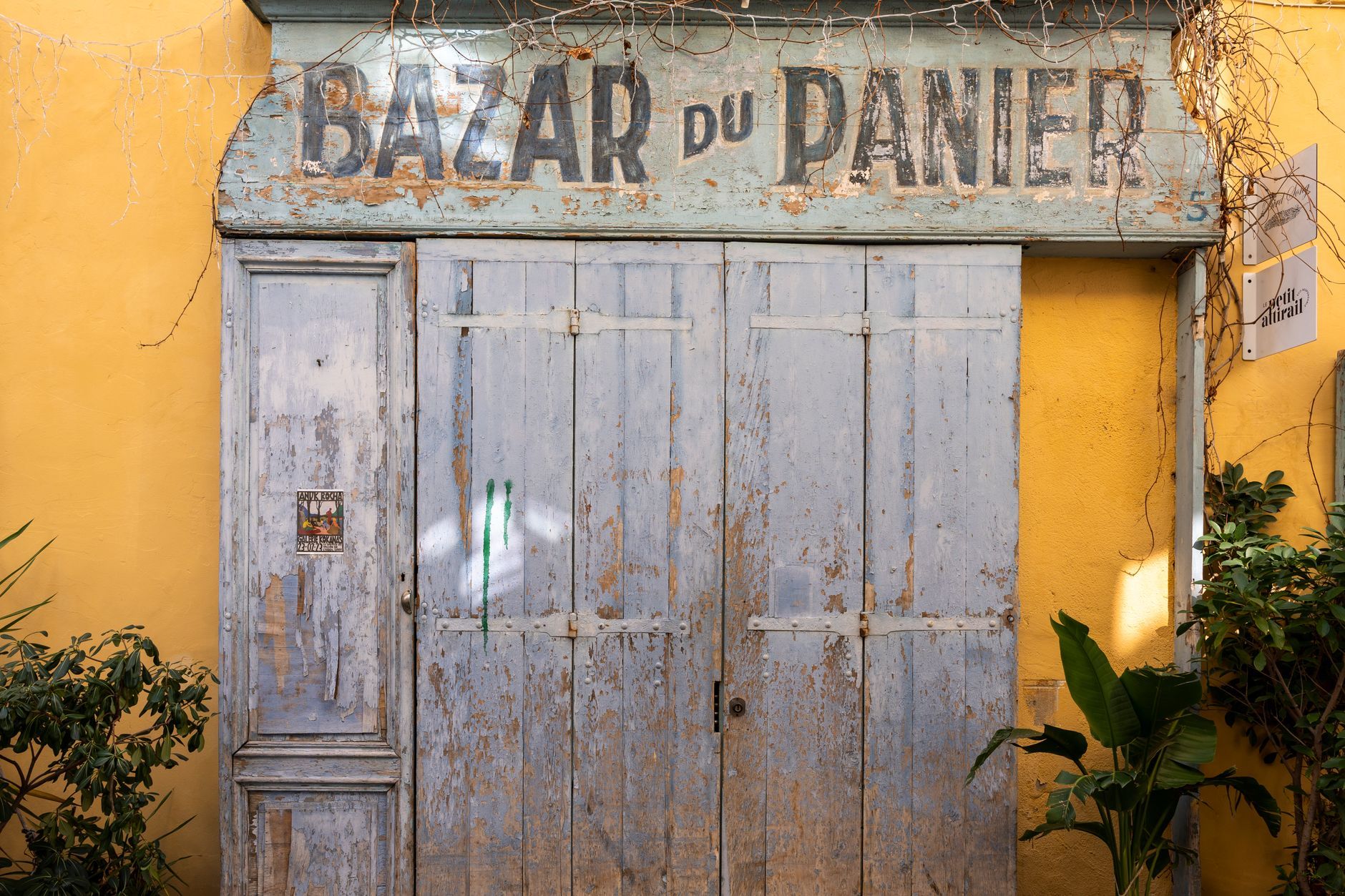
Today is all about immersing ourselves in the historic heart of Marseille, starting with its iconic Vieux Port and then getting delightfully lost in the ancient streets of Le Panier.
Morning: Vieux Port & Saint-Ferréol
Kick off your 3 days in Marseille at the Vieux Port (Old Port). This is the beating heart of the city, vibrant and full of life from early morning. When I arrived, the first thing I did was grab a coffee and simply watch the world go by – the fishermen selling their catch, the boats bobbing, and the city slowly waking up.
Advertisement
- Fisherman's Market: Arrive early (around 8-9 AM) to see the daily fish market on the Quai des Belges. It's a lively, authentic spectacle, and you'll hear the local accent in full swing.
- Miroir Ombragé: Don't miss the "Ombrière" – a giant mirrored canopy designed by Norman Foster. It's a fantastic spot for quirky photos, reflecting the port and its activity.
- Église Saint-Ferréol les Augustins: Tucked just off the port, this beautiful church offers a moment of quiet reflection amidst the hustle and bustle. Its history dates back to the 14th century, and I always appreciate finding these pockets of calm.
Practicalities:
- Location: Vieux Port, central Marseille.
- Cost: Free to wander.
- Time: Allow 1.5-2 hours.
Lunch: Fresh Catch by the Port
For lunch, I highly recommend staying near the Vieux Port. You have a few options depending on your budget and preference:
- Budget (approx. €10-15): Grab a pan bagnat (a delicious Niçoise salad sandwich) or a socca (chickpea pancake, a local specialty) from a street vendor or small bakery. I often did this for a quick, tasty bite.
- Mid-range (approx. €20-30): Head to one of the many seafood restaurants lining the port. Look for daily specials, often featuring the morning's catch. Le Miramar is famous for its bouillabaisse, but you can find excellent, more affordable fish dishes at places like Chez Etienne (though it's more in Le Panier).
- My Recommendation: Find a small, less touristy bistro just a street or two back from the main quay for better value and often more authentic food.
Afternoon: Le Panier, Marseille's Oldest Quarter
After lunch, it's time to explore Le Panier, Marseille's oldest neighbourhood, located just north of the Vieux Port. This is where I truly felt the city's history come alive.
- Wandering the Streets: This is the main activity here. Le Panier is a maze of narrow, colourful streets, steep staircases, and charming squares. You'll discover vibrant street art, artisan boutiques, and small cafés. I remember getting wonderfully lost here, which is exactly how it's meant to be experienced.
- La Vieille Charité: This magnificent 17th-century former almshouse is now a cultural centre housing museums (including the Museum of African, Oceanian and Amerindian Arts). The architecture alone is worth the visit.
- Cost: Free to enter the courtyard; museums may have separate fees (approx. €6-8).
- Time: 1-1.5 hours.
- Place des Moulins: Once home to 14 windmills, this charming square is a great spot to relax and soak in the atmosphere. Only a few stone bases remain, but it offers a glimpse into the district's past.
Practicalities:
- Location: North of Vieux Port.
- Cost: Free to wander; museum entry as above.
- Time: Allow 2.5-3 hours.
Evening: Dinner in Le Panier
For dinner, stay in Le Panier or head back towards the Vieux Port.
Advertisement
- Le Panier (approx. €25-40): Many small, atmospheric restaurants offer traditional Provençal cuisine. Chez Etienne (Rue du Littoral) is legendary for its pizzas and simple, hearty dishes – expect a wait, but it's an experience!
- Vieux Port (approx. €30-50): If you're looking for a more formal meal with port views, there are plenty of options. This might be a good time to try a smaller version of bouillabaisse if you didn't for lunch.
- My Recommendation: I love the casual, authentic vibe of Le Panier for dinner. Grab a table outside if the weather permits and enjoy the evening buzz.
Day 2: Coastal Views & Cultural Immersion
Day two takes us to Marseille's most iconic landmark, offering breathtaking views, followed by a deep dive into its modern cultural institutions and impressive cathedral.
Morning: Notre-Dame de la Garde
Start your day with a visit to Notre-Dame de la Garde, affectionately known as "La Bonne Mère" (The Good Mother). Perched on Marseille's highest point, it offers unparalleled panoramic views of the city, the sea, and the Frioul Islands. This was, without a doubt, one of my favourite parts of my trip to Marseille.
- Getting There:
- Walk: It's a steep 20-30 minute walk from the Vieux Port. Be prepared for an uphill climb!
- Bus: The most convenient option is Bus 60 from the Vieux Port (Quai des Belges). It takes about 15-20 minutes and drops you right at the top.
- Tourist Train: A small tourist train departs from the Vieux Port, offering a leisurely ride up.
- The Basilica: Explore the stunning interior, with its beautiful mosaics and ex-votos from sailors. The contrast between the ornate interior and the robust exterior is striking.
- The Views: Spend time on the terraces, admiring the 360-degree views. You can see the entire city spread out below, from the Calanques in the south to the Estaque mountains in the north.
Practicalities:
- Location: Rue Fort du Sanctuaire.
- Cost: Free entry to the basilica.
- Time: Allow 1.5-2 hours, plus travel time.
Lunch: Coastal Delights or City Centre Return
After soaking in the views, you have a couple of lunch options:
- Near Notre-Dame (approx. €15-25): There are a few small cafés and restaurants near the basilica, offering simple meals and snacks. Prices can be a little higher due to the location.
- Return to City Centre (approx. €15-30): Take bus 60 back down to the Vieux Port area. You'll find more variety and often better value. I usually preferred heading back for more choice.
Afternoon: Mucem & Cathédrale de la Major
From the Vieux Port, walk towards the modern J4 pier, where you'll find two of Marseille's most impressive architectural and cultural landmarks.
Advertisement
- Mucem (Museum of European and Mediterranean Civilisations): This striking museum, with its intricate concrete lattice design, is a must-visit. It's not just a museum; it's a statement.
- Explore the Architecture: Even if you don't go inside, walk across the stunning footbridge connecting the J4 building to Fort Saint-Jean. The views from the fort are fantastic, and you can wander its ramparts for free.
- Exhibitions: The Mucem's permanent and temporary exhibitions delve into the history and cultures of the Mediterranean basin. I found the way they connect ancient history with contemporary issues truly engaging.
- Cost: Approx. €11-12 for full entry (free with Marseille City Pass).
- Time: 2-3 hours (including Fort Saint-Jean).
- Cathédrale de la Major: Just a short walk from Mucem, this grand cathedral dominates the waterfront. Its distinctive striped façade of green and white stone makes it stand out.
- Interior: Step inside to admire its vast, opulent interior, reminiscent of a Byzantine basilica. It's truly impressive in scale.
- Cost: Free entry.
- Time: 30-45 minutes.
Practicalities:
- Location: J4 Esplanade, near the new port area.
- Transport: Walk from Vieux Port (15-20 min) or take Tram T2 to Sadi Carnot, then walk.
Evening: Dinner in Joliette or Saint-Charles
The area around Mucem and the Cathédrale, known as La Joliette or Les Docks, has undergone significant regeneration.
- Les Docks Village (approx. €20-40): This beautifully restored former warehouse complex now houses boutiques, cafés, and restaurants. It's a lively spot with a good variety of dining options, from casual tapas to more upscale bistros. I enjoyed the modern vibe here after a day of history.
- Saint-Charles Area (approx. €15-30): Near the main train station, you can find more diverse and often budget-friendly international cuisine.
- My Recommendation: Les Docks for its atmosphere and variety.
Day 3: Island Escape & Calanques Vibes
For your final day, I suggest escaping the city for a refreshing dose of island life and stunning natural beauty. This is a crucial experience that truly rounds out a visit to Marseille and the Provence region.
Morning: Château d'If & Frioul Islands
Embark on a ferry from the Vieux Port for an unforgettable trip to Château d'If and the Frioul Islands. This was a highlight for me – the fresh sea air, the stunning views back to Marseille, and the sense of adventure.
- Château d'If: Made famous by Alexandre Dumas' The Count of Monte Cristo, this island fortress was once a formidable prison. Explore its cells, climb the ramparts, and imagine the plight of its famous fictional (and real) prisoners. The views from the castle are spectacular.
- Ferry Cost: Approx. €11-12 return to If (or If + Frioul).
- Castle Entry: Approx. €6-8 (free with Marseille City Pass).
- Time: Allow 2-2.5 hours for the ferry and castle visit.
- Frioul Islands: After Château d'If, the ferry often continues to the Frioul archipelago. These rugged, limestone islands offer a complete change of scenery.
- Activities: Go for a walk along the marked trails, discover secluded coves, swim in the crystal-clear turquoise waters (if weather permits), or simply relax on the small beaches. The scenery here is a taste of the famous Calanques.
- My Recommendation: Bring comfortable shoes for walking and your swimsuit if it's warm!
Practicalities:
Advertisement
- Location: Ferries depart from Quai des Belges, Vieux Port.
- Ferry Tickets: Buy at the kiosks on the quay or online. Check schedules, especially for the last return ferry!
- Time: Allow 4-5 hours for the full island experience.
Lunch: Picnic on Frioul or Back in Marseille
- On Frioul (approx. €15-25): There are a few restaurants and snack bars on the island of Pomègues, where the ferry docks. They can be a bit pricier.
- My Recommendation: Pack a picnic! Grab some fresh bread, cheese, olives, and charcuterie from a local market or supermarket in Marseille before you leave. Enjoying a picnic with the stunning island views is a truly memorable experience and saves money.
- Back in Marseille (approx. €15-30): If you return earlier, there are endless options around the Vieux Port.
Afternoon: Coastal Stroll or Departure Prep
Depending on your departure time or energy levels, you have a couple of options.
- Corniche Président John Fitzgerald Kennedy: If you're feeling energetic, take a leisurely stroll or a bus ride along the Corniche, Marseille's scenic coastal road. You'll pass charming fishing villages like Vallon des Auffes, a picturesque little harbour with colourful boats and traditional cabanons (fishing huts). It's a wonderful spot for photos and offers a glimpse into a quieter side of Marseille.
- Transport: Bus 83 from Vieux Port.
- Time: 1-1.5 hours.
- Souvenir Shopping: Head back to Le Panier or the area around Rue Saint-Ferréol for some last-minute souvenir shopping. I always look for local olive oil products or savon de Marseille (Marseille soap).
- Relax: Find a café by the Vieux Port and enjoy a final pastis or coffee, reflecting on your trip.
Evening: Farewell Dinner & Bouillabaisse
For your final evening, it's time to indulge in Marseille's most famous culinary creation: Bouillabaisse.
- Bouillabaisse Experience (approx. €50-80+ per person): This traditional fish stew is a serious meal and an experience. It's often served in two parts: the broth with croutons and rouille, followed by the fish. While it's expensive, it's a classic Marseille dish.
- My Recommendation: Reputable places like Chez Fonfon (in Vallon des Auffes) or Le Miramar (Vieux Port) are renowned for their bouillabaisse. Make reservations!
- Alternative (approx. €25-40): If bouillabaisse isn't your style or budget, explore the lively Cours Honoré d'Estienne d'Orves, a charming square near the Vieux Port with many excellent restaurant options, often with outdoor seating.
Where to Stay in Marseille
Choosing the right neighbourhood can significantly impact your experience.
- Vieux Port: Ideal for first-timers. Central, lively, and close to everything. Can be a bit noisy at night.
- Le Panier: Charming and historic, with a bohemian vibe. Quieter in the evenings, but some streets can feel isolated late at night.
- La Joliette / Les Docks: Modern, trendy, great for architecture lovers and those seeking new restaurants. Good transport links.
- Notre-Dame du Mont / Cours Julien: A bit further from the port but a vibrant, artistic district known for its street art, independent shops, and live music venues.
When I visited, I stayed in a small boutique hotel just off the Vieux Port, which allowed me to walk everywhere easily.
Best Time to Visit Marseille
- Spring (April-May) & Autumn (September-October): In my opinion, these are the best times. The weather is pleasant (around 18-25°C), the crowds are thinner, and the light is beautiful for photography.
- Summer (June-August): Hot (often 30°C+), crowded, and more expensive. However, it's perfect for swimming and enjoying the beaches and islands.
- Winter (November-March): Milder than northern Europe (around 10-15°C), but some attractions might have reduced hours, and the weather can be unpredictable. You'll experience a more local side of the city.
Practical Tips for Your Marseille Trip
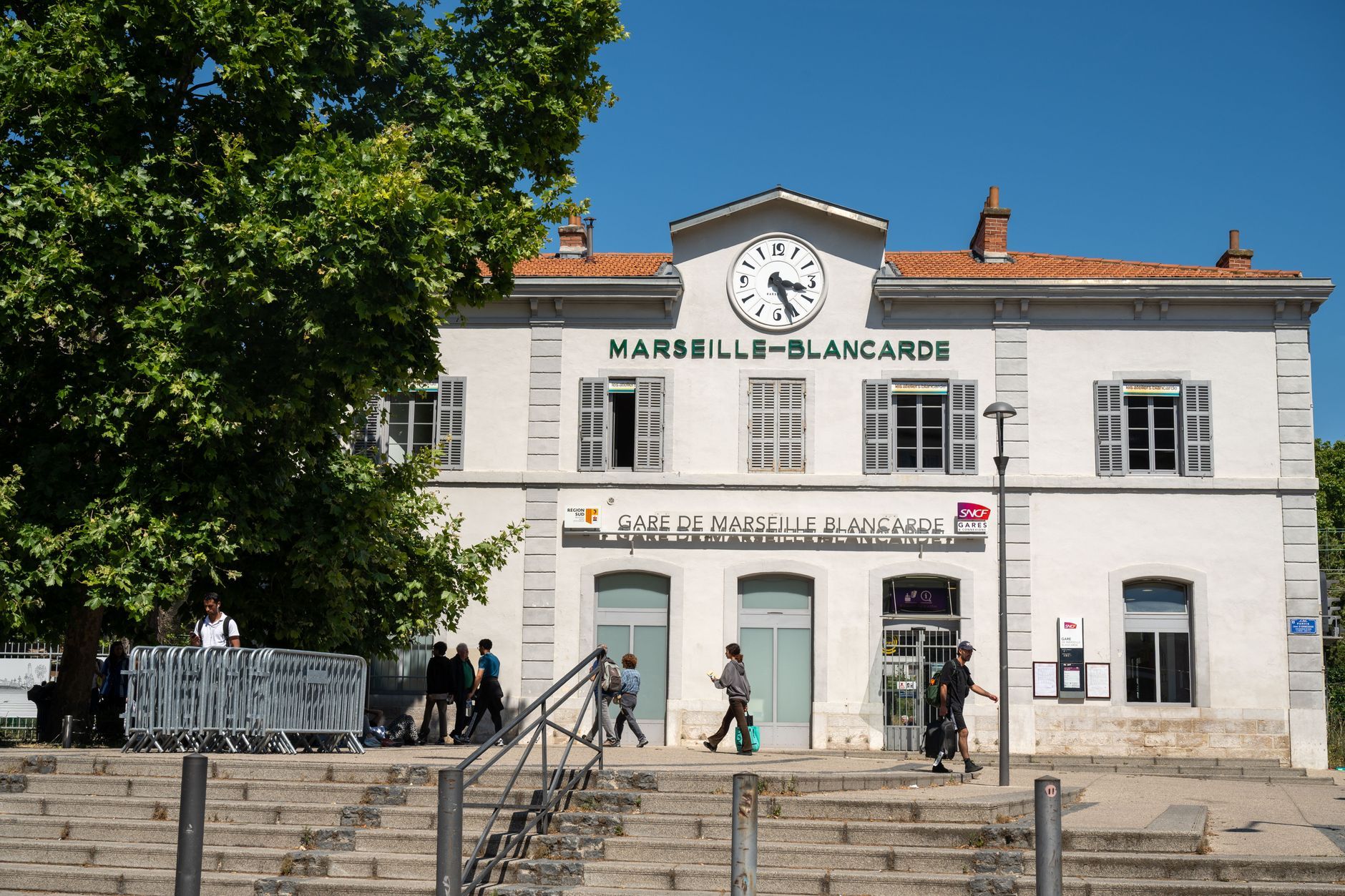
- Safety: Like any large city, be aware of your surroundings, especially in crowded areas like the train station (Gare Saint-Charles) and around the Vieux Port. Keep valuables secure. I always advise travelers to be vigilant but not paranoid – Marseille is generally welcoming.
- Language: While many people in tourist areas speak English, a few basic French phrases (hello, thank you, please) will go a long way and are always appreciated by locals.
- Hydration: Especially in warmer months, carry water!
- Sun Protection: The Provençal sun can be intense. Sunscreen, a hat, and sunglasses are essential.
- Comfortable Shoes: You'll be doing a lot of walking, often on uneven cobblestones or up hills.
Marseille is a city that truly rewards the curious traveller. It's a place of contrasts, where ancient history meets modern art, and the vibrancy of its multicultural population creates a unique, unforgettable atmosphere. I hope this itinerary helps you fall in love with it as much as I have. Bon voyage!
Related Posts You Might Enjoy:
- Exploring the Lavender Fields of Provence: A Day Trip Guide
- The Ultimate Guide to Exploring France by Train
- A weekend trip planner in Nice: French Riviera Charm
Save More
Save 5% on activities
Use code CHASINGWHEREABOUTS5 in the GetYourGuide app.
Book this exact experience in GetYourGuide appGet Travel Tips in Your Inbox
Join 5,000+ travelers. Get exclusive itineraries, honest reviews, and budget hacks once a week.
No spam. Only high-quality travel advice. Unsubscribe anytime.