
Disclosure: Chasing Whereabouts is reader-supported. This guide contains affiliate links to partners like Tiqets, GetYourGuide, Viator and Headout. If you make a purchase through these links, we may earn a small commission at no extra cost to you. This helps us continue providing free, first-hand travel guides. Thank you for your support!
🇭🇷 This guide is part of our comprehensive Croatia Travel Guide.
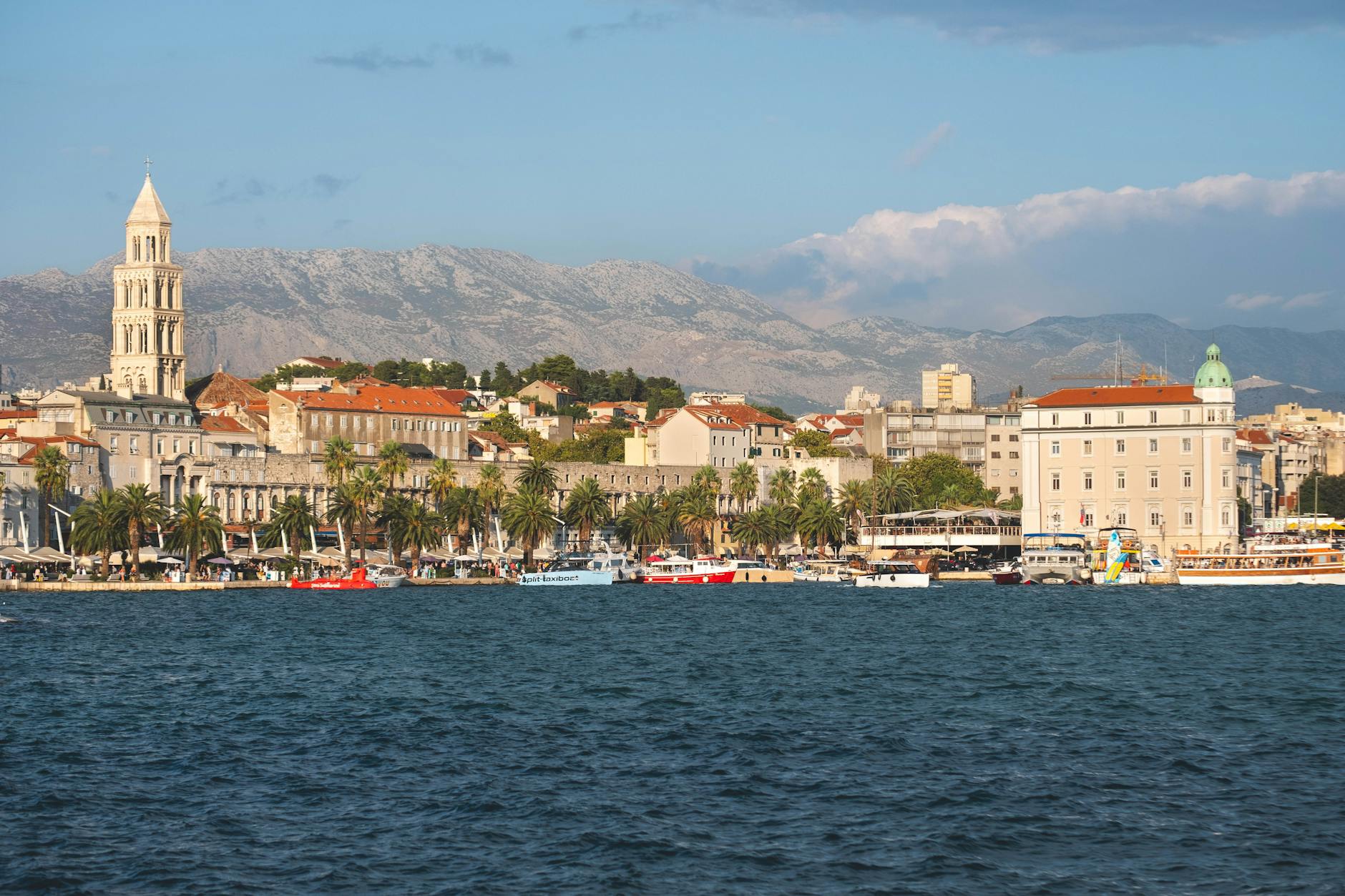
Split, Croatia’s sun-drenched Adriatic jewel, effortlessly blends ancient Roman heritage with vibrant coastal energy. Whether you’re wandering through 1,700-year-old palace walls, sailing to turquoise lagoons, or savoring Dalmatian delicacies, this guide covers the best things to do in Split, plus practical tips on weather, travel budget calculator stays, and unforgettable day trips. Let’s dive in!
Why Visit Split, Croatia? (is split croatia worth visiting)
Split isn’t just Croatia’s second-largest city—it’s a living museum. Nestled between mountains and sea, its UNESCO-listed Diocletian’s Palace forms the heart of the Old Town, where Roman ruins coexist with bustling cafes and markets. Beyond history, Split is a gateway to the Dalmatian Islands, making it a top destination for culture, adventure, and island-hopping.
Key Highlights:
-
UNESCO World Heritage Sites
Advertisement
-
Crystal-clear Adriatic beaches
-
Affordable compared to Dubrovnik
-
Perfect base for day trips to Hvar, Brač, and Krka National Park
Best Time to Visit Split Croatia
Split’s Mediterranean climate means sunshine most of the year, but timing shapes your experience:
-
Summer (June–August): Hot (25–30°C), lively, and crowded. Ideal for swimming and festivals.
Advertisement
-
Spring/Fall (April–May, September–October): Mild (15–25°C), fewer crowds, perfect for hiking and sightseeing.
-
Winter (November–March): Quiet, with temps around 10°C. Great for cultural immersion.
Pro Tip: For more on seasonal costs, read Is Split Expensive.
Split Croatia Weather: Monthly Guide
Plan like a local with this climate breakdown:
-
April–June: Sunny days (18–25°C), ideal for hiking Marjan Hill.
Advertisement
-
July–August: Peak heat (up to 30°C) – pack sunscreen and book tours early!
-
September–October: Warm seas, grape harvest season, and lower prices.
-
November–March: Rainy but mild – cozy up in Split’s cafés.
What is the best food to try in Split, Croatia?
This section provides a thoughtful and informative introduction to the city of Split, Croatia and the best food to try there.
Advertisement
If you are thinking about visiting or moving to Split, Croatia, you will want to know what the best food is that you should try while you are there. Here is a list of some of the most popular dishes from this beautiful coastal city:
-
Pršut - This is a cured bacon that originated in Dalmatia. It is usually smoked or air-dried with oak woods for up to two years before it can be eaten.
-
Rizoto - This dish includes rice cooked in stock with vegetables and meat. 3) Prebranac - This dish consists of beef sautéed with onions, garlic, peppers and tomato
Where to stay in Split on Budget?
Where to Stay in Split on a Budget
-
Old Town: Stay near Diocletian’s Palace for history (€25–€50/night).
-
Veli Varoš: Quaint neighborhood with local vibes.
Advertisement
-
Hostels: Goli & Bosi or Split Hostel Fiesta for social travelers.
Pro Tip: Use Y2kq7io0 for last-minute deals.
I recommend staying near the city center, preferably in one of the oldest neighborhoods - Gajeva street. The price range for these apartments is €15-€25 per night.
How to get around in Split, Croatia?
-
Walk: The Old Town is pedestrian-only.
-
Buses: Cheap (€0.40–€2) and frequent.
-
Ferries: Split is Croatia’s main hub for island-hopping.
-
Split to Dubrovnik: 3.5-hour drive or scenic coastal bus (€20–€30).
Split is a port city on the Adriatic coast. It is a bustling tourist destination that offers all the amenities one would need for their holiday.
Getting around in Split can be done either via bus or taxi.
The bus system in Split is very efficient and is used by locals as well as tourists. The bus network has lines to all tourist attractions. It operates from 5am to midnight and fares cost 3 Kn (Croatian currency). Taxis are also available in Split, they operate 24 hours a day and are affordable as well.
I took an UBER for 2km from RIVA Promenade and it cost around 20 Kuna for that which is roughly 2,67 Euro.
Let us read about top Things to do in Split Croatia!
Top 20 Things to Do in Split Croatia
Explore Diocletian’s Palace: A Roman Time Capsule
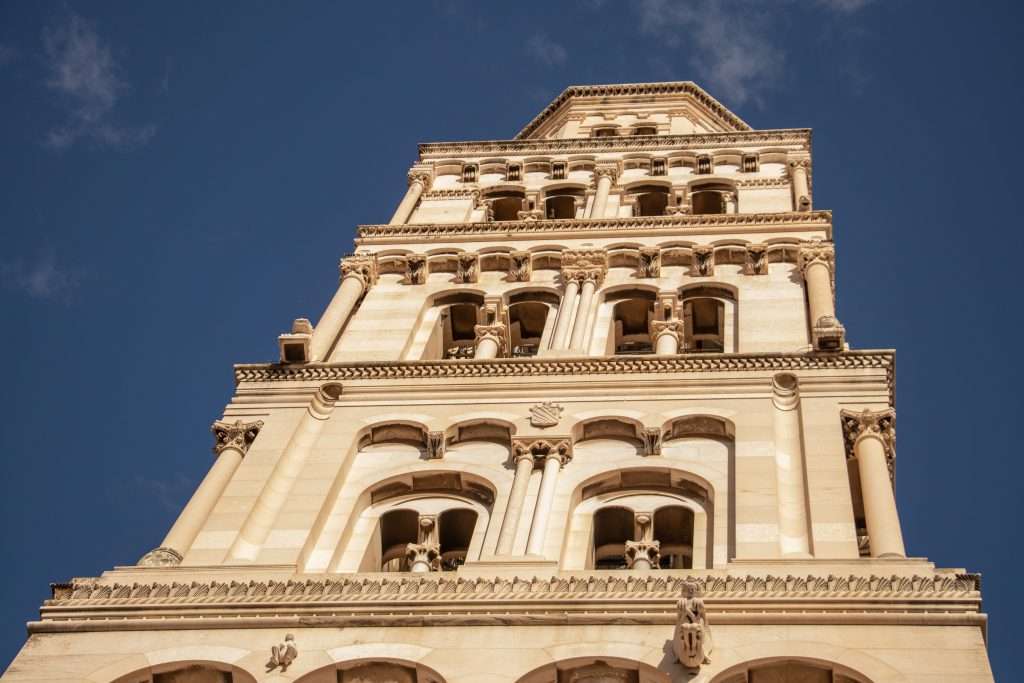
Why Visit: This UNESCO World Heritage Site isn’t just a palace—it’s a living neighborhood! Built in 305 AD for Emperor Diocletian, its labyrinthine streets now house cafes, shops, and homes.
Don’t Miss:
-
The Peristyle: The palace’s central square, where Roman columns frame live klapa (folk music) performances.
-
Substructures: Underground vaults once used for storage, now hosting artisan markets.
-
Temple of Jupiter: A well-preserved Roman temple turned baptistery.
Insider Tip: Join a Split Walking Tour T54976 to uncover hidden stories.
Browse the Night Market or take a boat tour of the Harbor
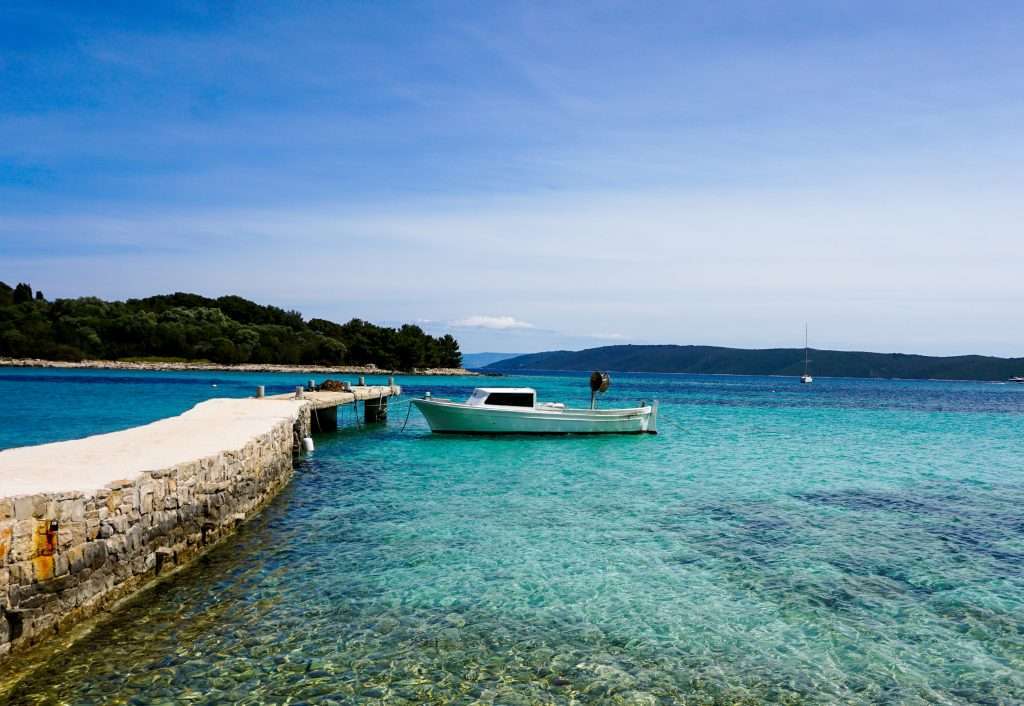
The night market in Split is a must-see for all visitors. With over 2000 stalls, from jewellery to clothes, there is something for everyone.
The night market in Split is a must-see for all visitors. There are over 2000 stalls of different products, from jewellery to clothes, and you can find anything you are looking for in the many stands. The atmosphere during the day is relaxed and inviting with many people out and about enjoying the various food stands and the sights that this lively area has to offer.
At night it becomes alive with activity as vendors pack up their merchandise and customers pack up their purchases to go back home or continue on their way through the city streets enjoying some of %20%22discover%20the%20best%20cheap%20eats%20in%20split,%20croatia%22 or nightclubs.
Sunset Magic on the Riva Promenade
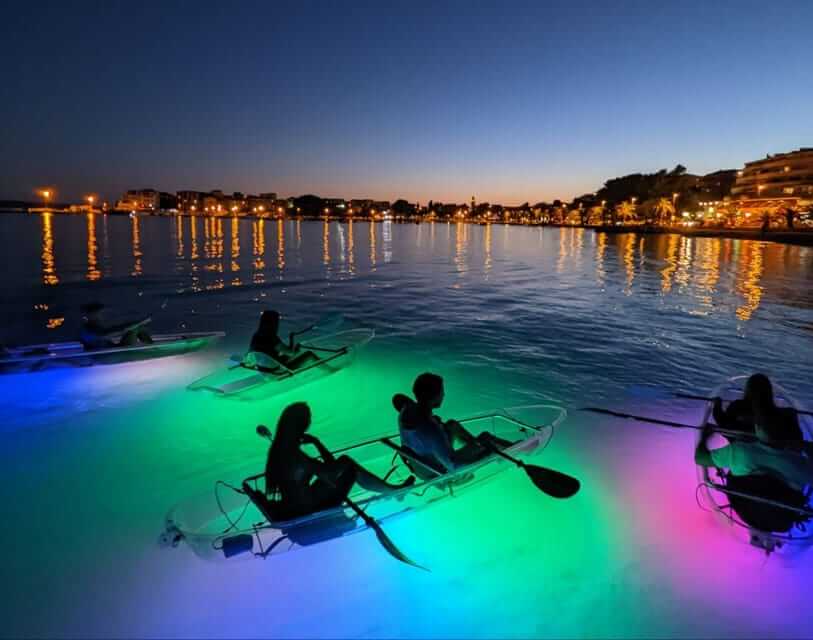
Split’s seafront promenade buzzes day and night. Grab a kava (coffee) at Luxor Café, sample gelato, and watch the sky turn pink over the harbor. After dark, join a Split Kayak Night Glow Tour T438836 to paddle under starry skies.
This marble-paved waterfront is where locals sip coffee and watch yachts glide by. At sunset, the sky turns golden, and street performers fill the air with music.
Must-Do:
-
Try sladoled (gelato) at Luka Ice Cream & Cakes.
-
Join a Split Kayak Night Glow Tour T438836 to paddle beneath the glowing palace walls.
3.Walk down to the Riva Promenade and enjoy delicious ice cream
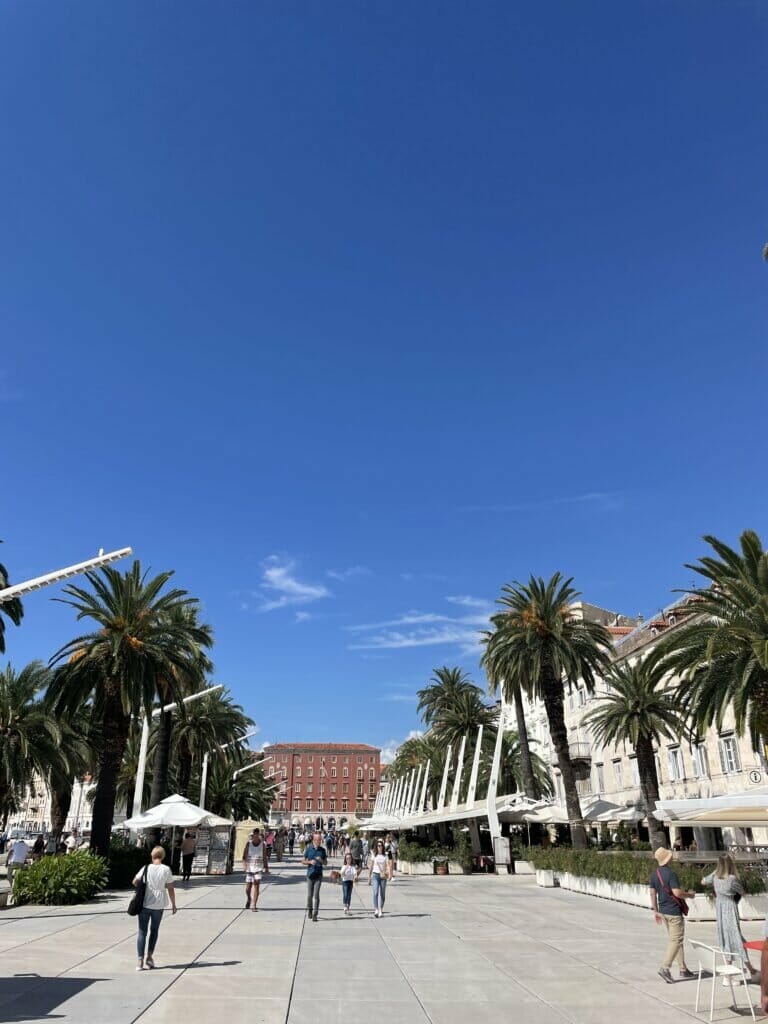
The Riva Promenade is the most famous and beautiful promenade in Split Croatia. It is located right on the shoreline and it is a pedestrian street. The promenade features many shops and restaurants that offer delicious ice cream.
If you just want to enjoy the beauty of the sea while getting your breakfast, lunch or dinner then this is the perfect spot for you! There are also many souvenier shops here so you can buy souvenier at this place if you like to.
Taste Dalmatian Flavors
Split’s cuisine is a seafood lover’s dream. Must-try dishes:
-
Pršut: Air-dried ham paired with Pag cheese.
-
Black Risotto: Squid-ink rice, a coastal staple.
-
Fritule: Sweet fried dough balls.
Budget Tip: Eat like a local with our Cheap Eats In Split Croatia.
Visit the City Archives and Library for an interesting insight on Split's history
The Split Archives and Library has many interesting pieces of information on the history of this beautiful city.
One interesting thing to see would be the original document of the Home Rule Act from 1886. The Library also has rare books from before World War II, as well as audio recordings of Split's first radio station, which was broadcasting in 1930.
Some other things worth checking out are historical records about Tomislav Square, such as photographs and videos. You can also find the old plans for Split's infamous Zidine - a war monument built in memory of those who died during Croatia’s war for independence.
Enjoy a beer at a local brewery like Zagorka Brewery or Karlovacka Pivovara
Zagorka Brewery is the biggest brewery in Bulgaria and Karlovacka Pivovara is the oldest in Croatia. I'll talk about both breweries, starting with Zagorka.
Zagorka Brewery
The Zagorka Brewery is the biggest brewery in Bulgaria and it started its production back in 1891. It has a capacity of 1 million hectoliters per year and it has around 300 permanent employees.
Karlovacka Pivovara
Karlovačka pivovara (abbreviated as KP) is a Croatian brewing company located in Karlovac, Croatia, very close to the Slovenian border. It produces a range of beers including lager beer, pale ale, dark ale, wheat beer and fruit beer among others.
6.Take part in a boat race on Brač Bay, on a traditional Dalmatian rowing boat called "Jadran" or "Galeb", from Split to Brač Island
Brač, a Croatian island, is the perfect place to experience Dalmatian culture. The island offers beautiful beaches and scenery but also has a rich history. For the past few years, this island has become increasingly popular as a destination for tourists looking to explore Croatia.
This year's Brač Boat Race will take place on September 17th, 2021 from Split to Brač Island. This race will be on traditional Dalmatian rowing boats called "Jadran" or "Galeb". You'll be racing against other teams of five rowers and you can register as part of a team or individually. You can also choose not to row at all and come just for the day!
St. Duje’s Cathedral
The cathedral of St. Duje in Split, Croatia is a Roman Catholic Cathedral located on the eastern side of the historic center. It was built in the 12th century by Croatian King Petar Krešimir IV and Queen Zvonimir. The cathedral was originally built to be a monastery but later converted into a church in the 15th century.
The Cathedral is well known for its richly decorated facade with sculptures of biblical themes such as the Baptism of Christ and reliefs depicting stories from Genesis, Exodus, and Daniel that were carved out of red marble imported from Italy.
Peristil Square
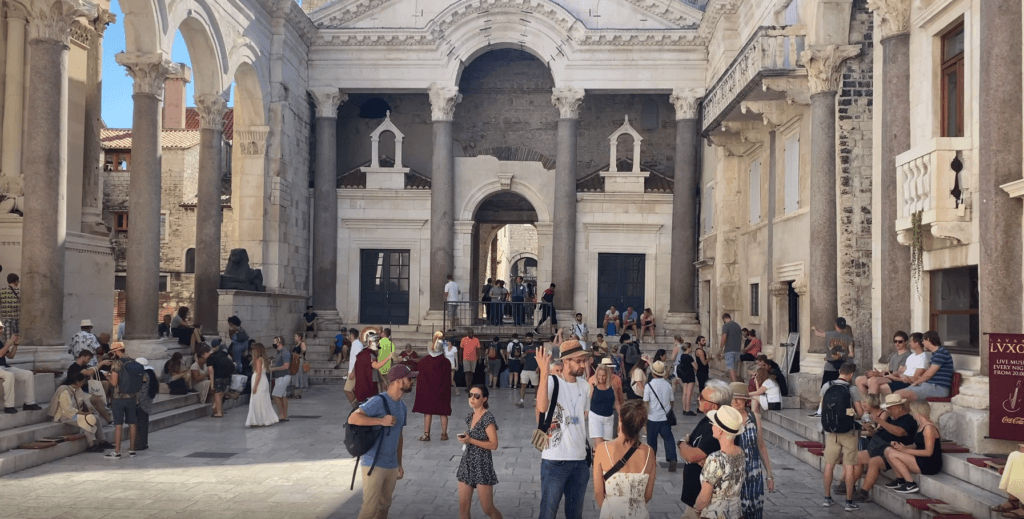
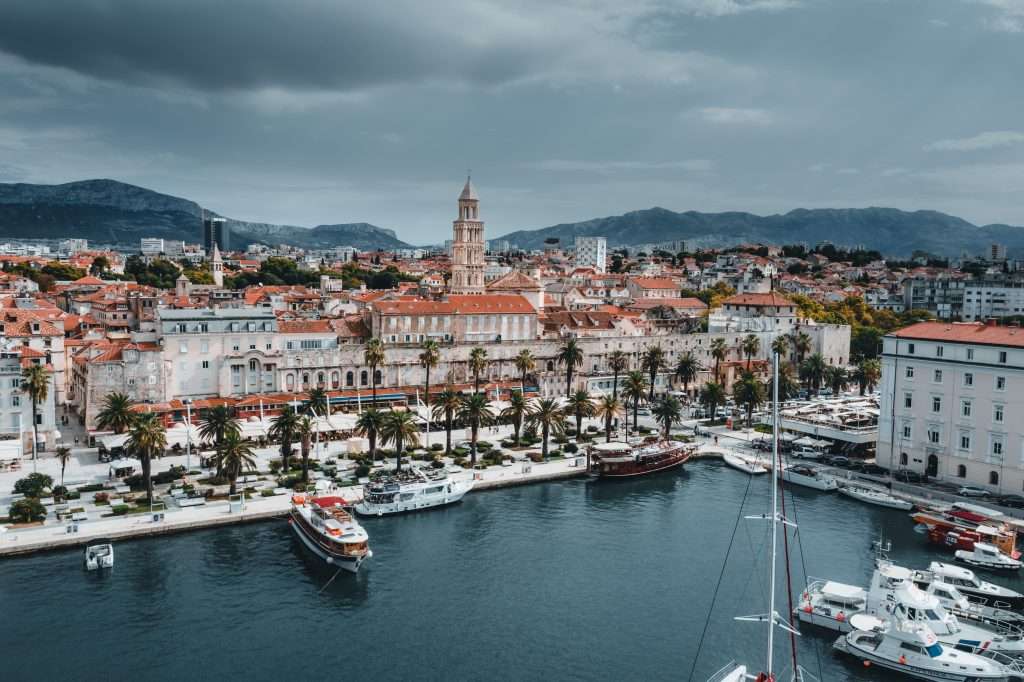
Peristil Square Split Croatia is the first Croatian shopping mall with an emphasis on modern retail. Peristil Square is situated in the heart of Split and covers an area of 15,000 m2. The shopping mall is built on a former park and is surrounded by retail stores, fashion shops, and entertainment venues overlooking the sea.
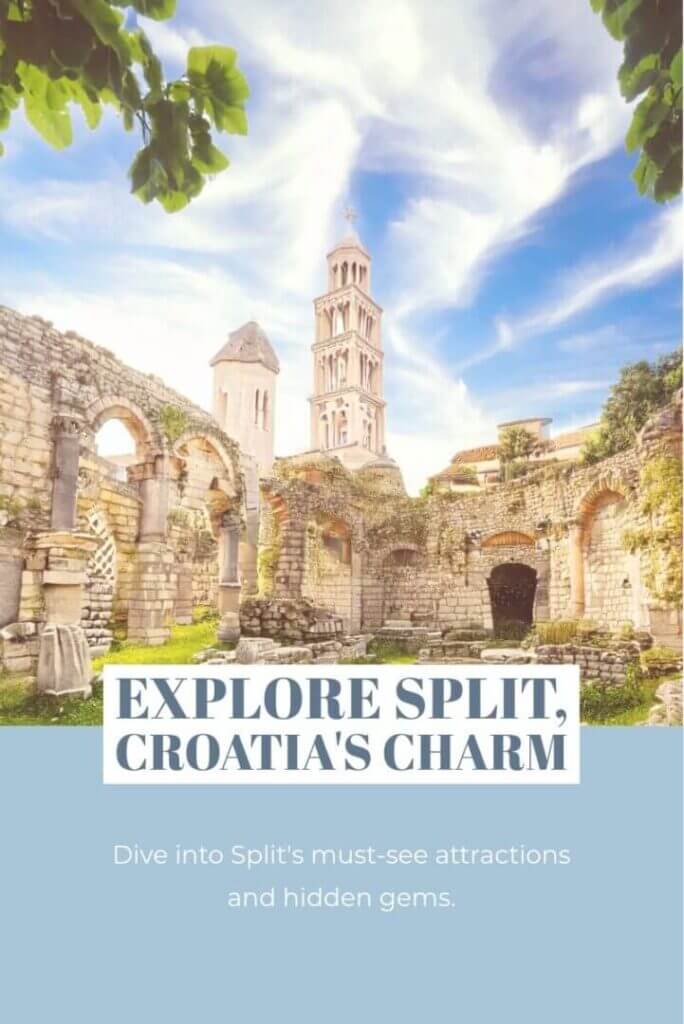
Peristyle Square (Peristil) — Located in central Split, the Peristyle Square (Peristil) is a must-see for any traveler. The enormous palace of Diocletian, which attracts people from all over the world, is located in this city. The Peristyle Square is an integral feature of the palace, forming a courtyard that leads to the main entrance. Anyone visiting the famed palace ruins that dominate this modern city would be hard pressed to miss it.
Climb Marjan Hill: Split’s “Green Lungs”
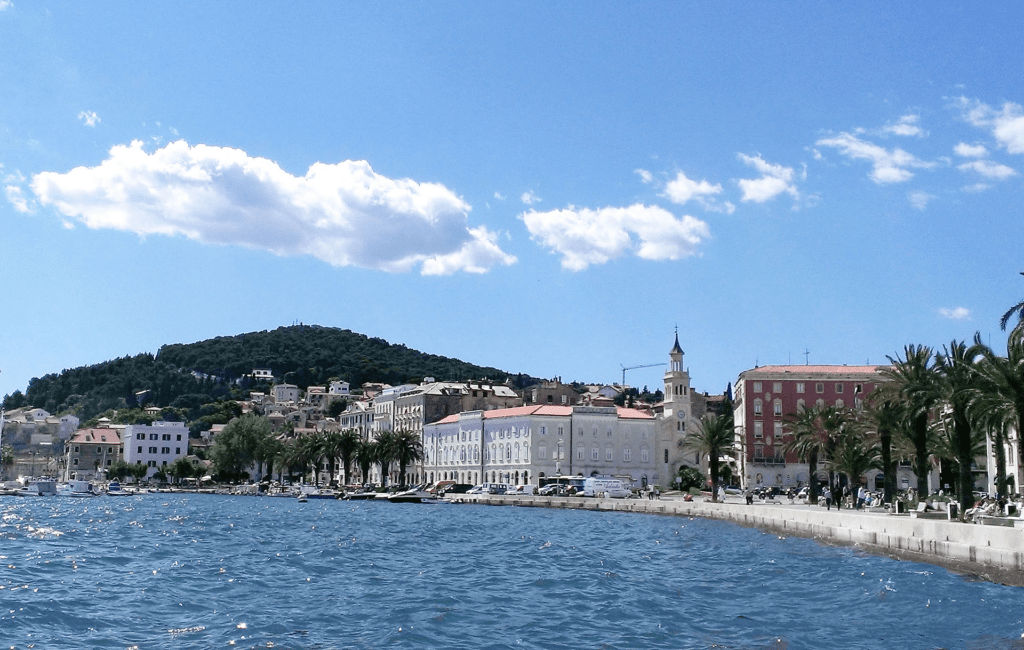
Climb Marjan Hills Split Croatia, Marjan Park Split is located on a peninsula to the west of Split's historic Old Town. The area, known as the Lungs of Split, is densely forested, with picturesque overlooks and routes for those who want to experience Split hiking and Croatian environment.
Hiking Marjan Split, Croatia is best done when the sun is bright, the sea is glistening, and the strong aroma of pine and fresh dirt fills the air. Visitors can take a break from Split sightseeing and immerse themselves in nature by following the routes into Marjan Forest Park.
Trail Highlights:
-
Telegrin Peak: The highest point (178m) with vistas of the Adriatic and islands.
-
Kašjuni Beach: A secluded pebble cove perfect for swimming.
-
Jewish Cemetery: A hauntingly beautiful 16th-century site.
Insider Tip: Rent a bike at the base for a scenic ride through pine forests.
Fun Fact: Split isn’t an island! Learn more in Is Split An Island In Croatia.
10.Campanile
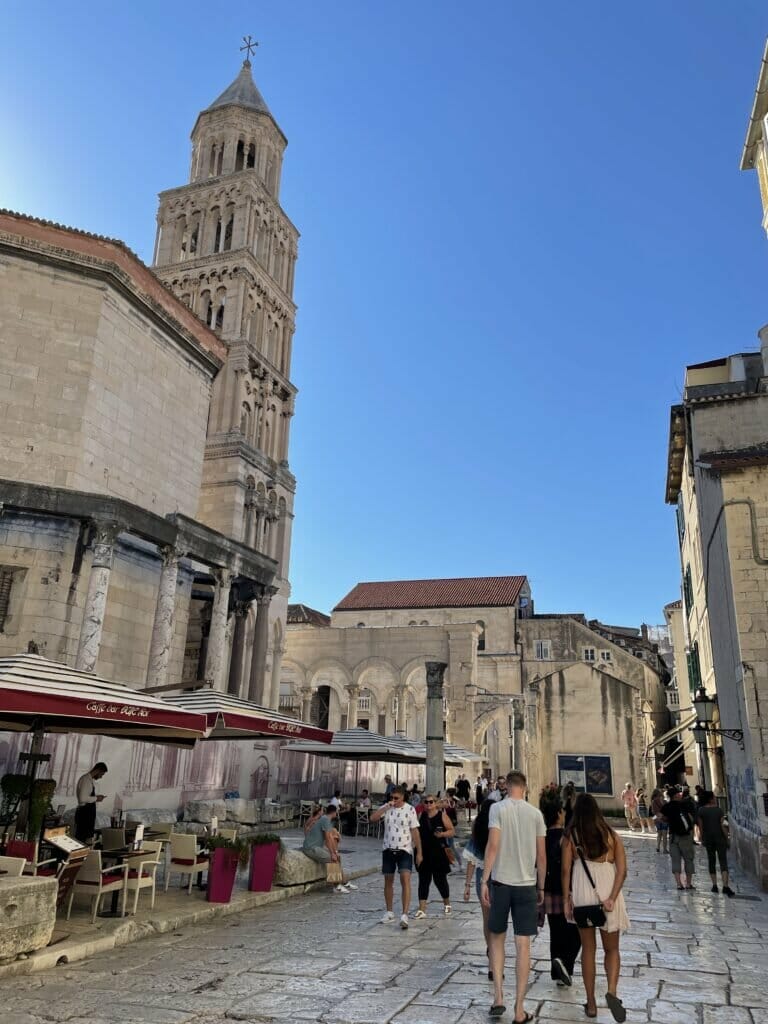
Campanile Tower is a beautiful symbol of Split Croatia. It was built in the 13th century and is one of the symbols of the historic core of Split
Campanile Tower is a beautiful symbol of Split Croatia. The tower was built in the 13th century and it's one of the symbols of historic core. I think that anyone who visits this country has to visit this tower.
11.Statue of Grgur Ninski
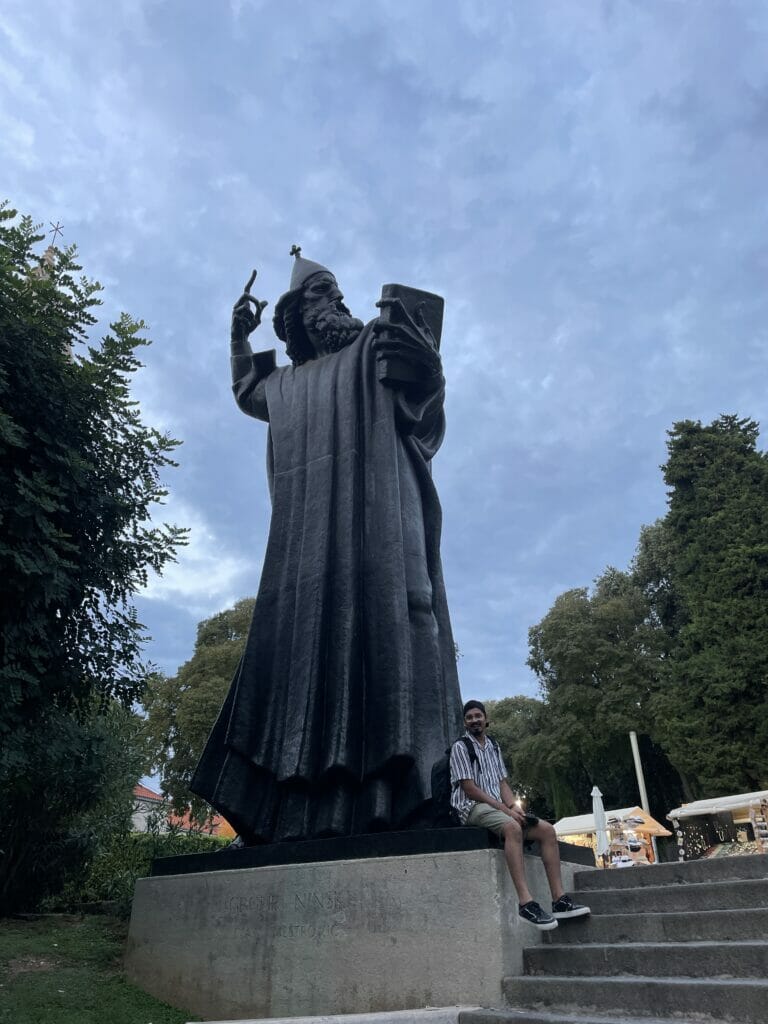
Grgur Ninski is a famous Croatian writer who is most known for his epic poem, Slavena.
Since Croatia declared independence in 1991, it has been searching for its own identity. Grgur Ninski was one of the first to provide this identity in his poem Slavena. Reading Slavena gives readers the opportunity to see Croatia from a different perspective and feel its culture and heritage.
Ninski's childhood was spent at a time when there was no unified Croatian state and his family was exiled from their home in Split during World War II, so it is not easy to find original copies of his work, but they can be read online.
12.Visit Klis Fortress
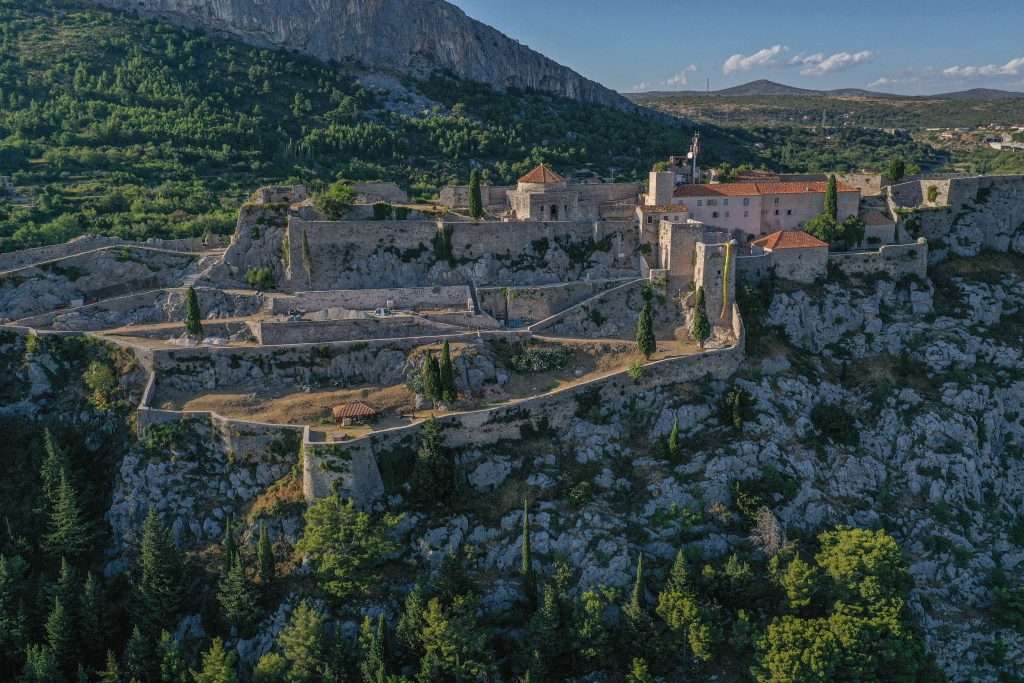
The Klis Fortress is a fortification that was built in the 13th century and was used as a military base up until the 18th century. It is one of the few remaining medieval military structures along with some buildings from later periods, including a palace.
The fortress is located 3 kilometers south of Split, Croatia's second largest city, on the Dalmatian coast. The Roman road connecting Salona (today's Solin) to Doclea (today's Podstrana) passed by this area and it was strategically important for whoever controlled it.
You can also try the Yhx34oc6 if you are fan of Zipline, it could be a nice addition to the top things to do in Split Croatia.
13.Krka National Park
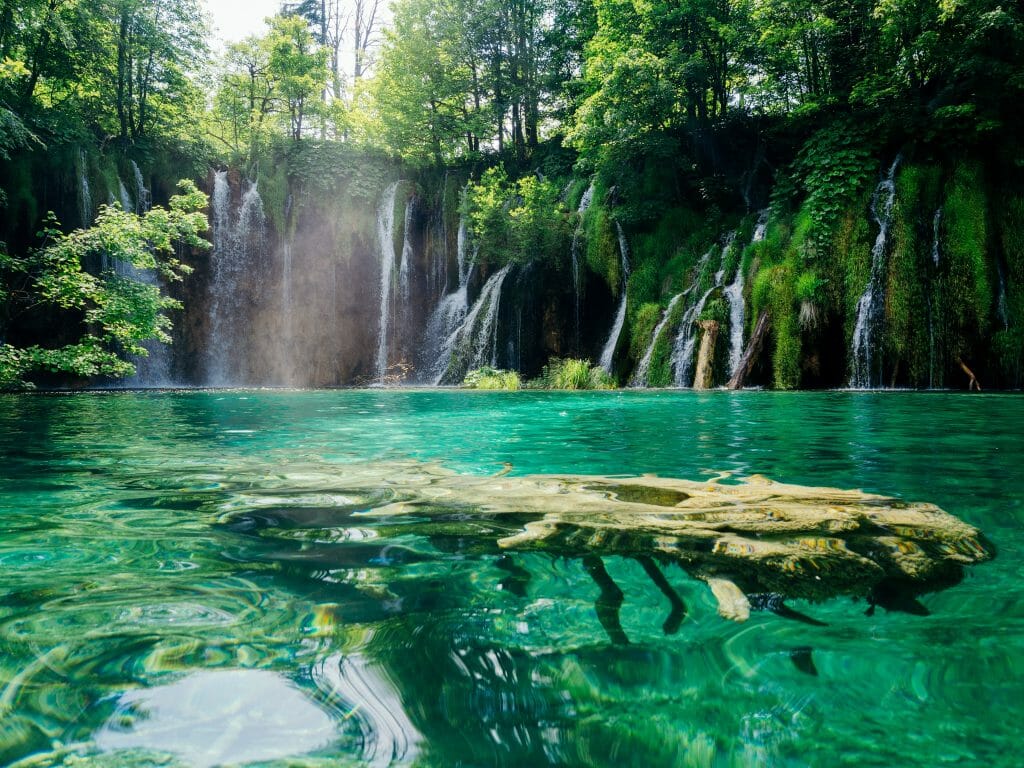
Skip the crowds of Plitvice and visit Split Krka Waterfalls Experience With Boat Cruise T264062 instead. Swim under Skradinski Buk falls and explore monasteries.
Yg2g5wxr is the largest national park in Croatia and is situated on the northern side of the Dalmatian coast. The park is home to a number of waterfalls. If you have some time then visiting one of the National Parks In Croatia is a must see in Split Croatia.
Krka National Park was established in 1949, and it has since become a popular destination for hikers and outdoor enthusiasts. Visitors can explore the nature trails that wind through caves, waterfalls, and limestone gorges. The park has been designated as a Nature Heritage Site by UNESCO due to its unique geological and natural features.
Krka National Park features some of Croatia’s most famous natural landmarks including Skradinski Buk (Skradin Waterfall), Veliki Krčki Jarak (Big Krči Canyon) as well as Malo Krčki Jarak .
If you are looking to know more about National Parks In Croatia then check our other post to find all the National Parks In Croatia.
14.Museum of Croatian Archaeological Monuments in Split Croatia
The museum is a part of the Archaeological Museum in Split, Croatia. The Croatian Grand Tour route includes the museum as one of its destinations.
Croatian archaeologists have managed to find and excavate more than 100,000 items from this region. This collection is now on display for visitors in the Croatian National Museum in Split.
The archaeological site itself was discovered back in 1909 when a group of locals were digging for sand to be used in construction and found that there was something else down below them. They started digging and found that it was an ancient Roman city called Salona.
15.Ivan Meštrović Gallery
The Ivan Meštrović Gallery in Split Croatia is a museum that houses the works of sculptor Ivan Meštrović. The gallery was opened to the public in 1954 and is designed by Ivan Meštrović himself. It has a collection of over 600 sculptures, drawings, sketches and prints of work by this artist; most are exhibited in situ.
The gallery is an appropriate example of what happens when an artist creates his own space for exhibiting his work, as it provides a glimpse into how he conceived his sculptures before they were completed.
16.Salona
Salona was the new cult spa destination in Split. Salona is a wellness destination that offers a variety of treatments, giving you all the tools for relaxation and rejuvenation.
Salona Spa was opened in 2008, located on Velebit Mountain, near the city of Split. Their main goal is to offer their clients an unforgettable experience and make sure they feel relaxed and rejuvenated when they leave.
17.Visit Trogir
Trogir is a city on the Dalmatian coast, located in the region of Dalmatia. After the Turkish invasion in 1537 and subsequent occupation, Trogir was deserted and it was not until 1656 that Habsburg Emperor Leopold I permitted Croatian peasants to settle there.
In contrast to other Dalmatian cities like Dubrovnik or Split, Trogir has retained its medieval character. The old town of Trogir has been declared a UNESCO World Heritage Site due to its diverse architectural styles from Renaissance to Baroque, with influences from Central European and Mediterranean traditions.
The town features a blend of churches, monasteries and palaces as well as an abundance of restaurants with fresh seafood on offer. A number of cultural activities can also be found here such as theatre festivals
18.Climb the bell tower of ST. DOMNIUS CATHEDRAL in Split Croatia
You can see the bell tower from a distance because it sits high above Split's rooftops.
You can climb the stairs of the bell tower for some beautiful views of Split's historic centre, and on to the islands in the Adriatic Sea. You'll also be able to see more of Croatia from up there!
19.The Old Town of Split Croatia
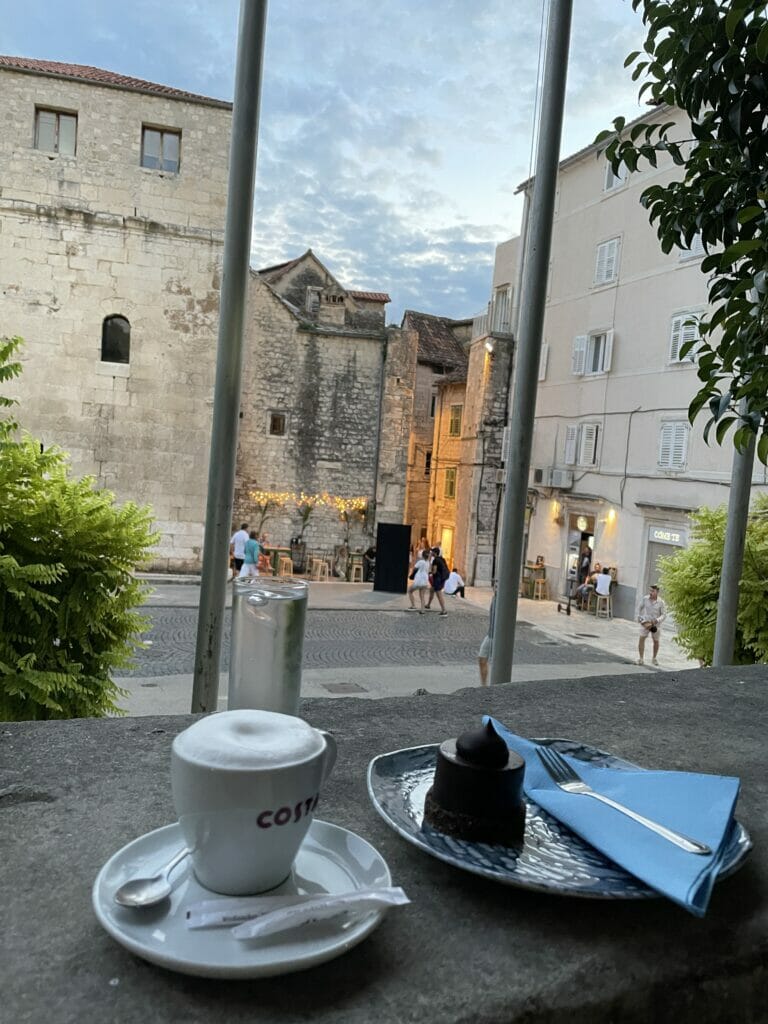
At the very least, you'll need a few hours to get a feel for the old town, which can only be done on foot. You'll find it on Pjaca Square, where Split's old town hall looks out over a sophisticated plaza of shiny marble tiles and cafes. Another must-see place is Fruit Square. Its name comes from a market that was held here and many of Split's Venetian-era buildings were built in the Renaissance style, and many of them can still be seen here. Take a stroll down Marmont Street, which stretches down to the water and is flanked on the upper end by shops, cafes, and restaurants, and you'll get a glimpse of the old Hollywood.
20. Watch the beautiful Sunset of Split while Kayaking in the evening.
Who could ask for a better day than one that ends with a kayaking session off the Split coast sunsets. The safest and best way to explore the region, swimming and snorkeling around Marjan in Croatia. Not to mention, jumping from rock to rock into the crystal clear water, while you watch the beautiful sunset over the mountain.
You can book your tickets from here- Ygkbfpay
Things to do in Split Croatia
Best Day Trips from Split: What to Do in the Area
1. Day Trip to the Blue Cave & Hvar
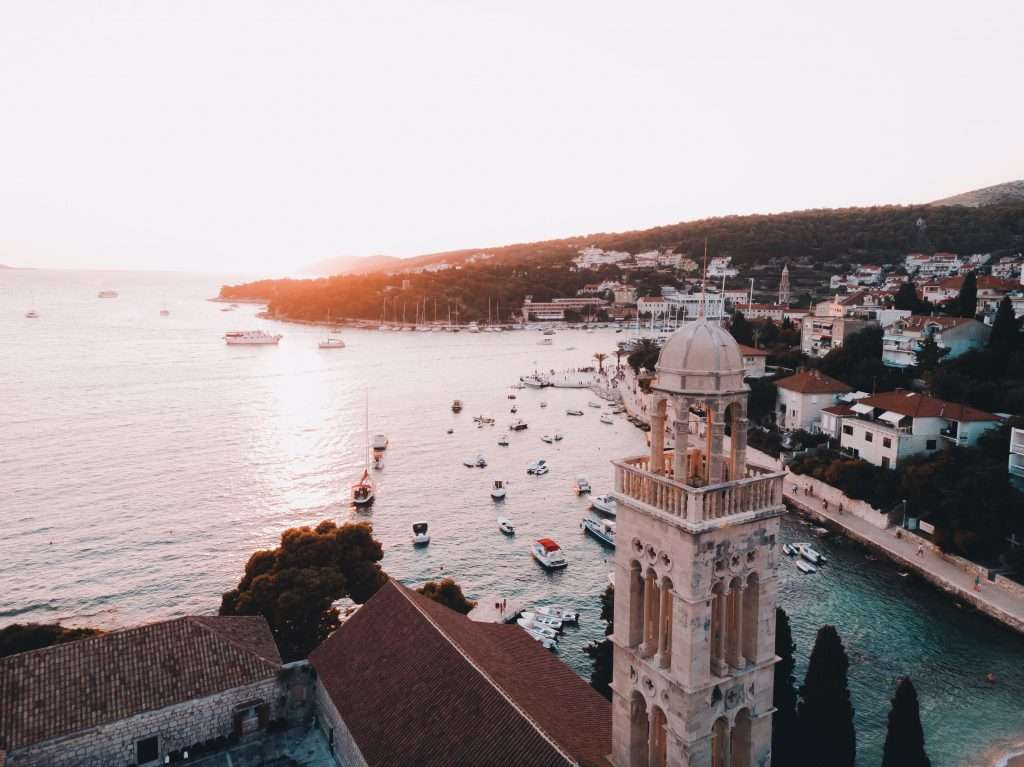
Hvar Town is an idyllic seaside town with a traditional Mediterranean vibe that feels like it has been transported straight out of the French Riviera. This charming town is a popular destination for tourists who want to experience a little bit of everything (sunbathing on the beach, swimming in the clear blue water, exploring picturesque towns on boats), and Hvar Town doesn't disappoint
You can visit Ygjr4jrz while cover top things to do in Split Croatia in trip trip - BYgjr4jrz
Sail the Adriatic on a 5-Island Speedboat Tour. Highlights:
-
Blue Cave (Biševo): Glowing aquamarine waters.
-
Hvar Town: Chic harborfront and lavender fields.
-
Pakleni Islands: Hidden swimming spots.
2. Biograd na Moru - Roman Architecture & Medieval Fortress
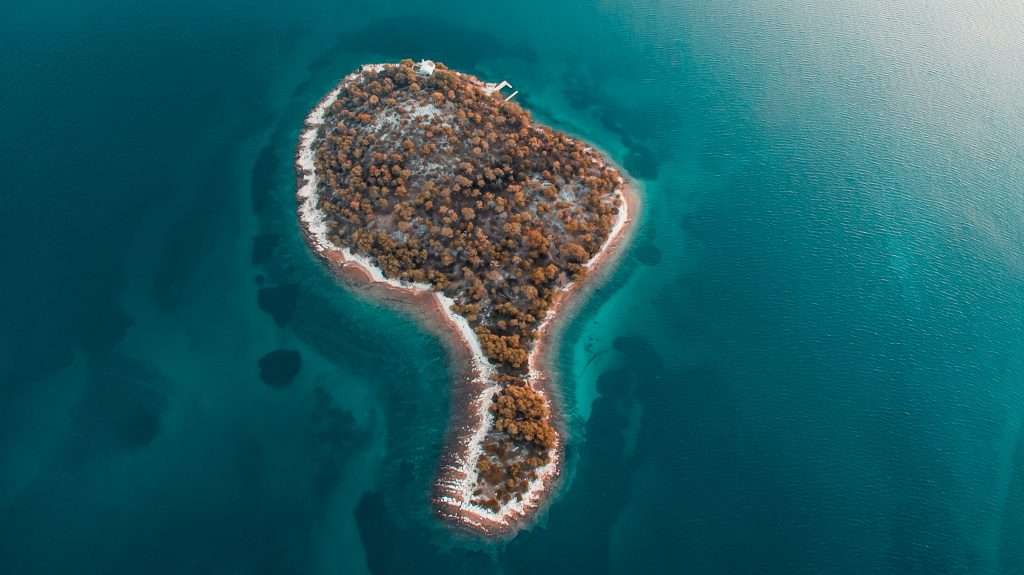
Biograd na Moru is a town on the Adriatic Coast of Croatia. It thrived during the Roman Empire as an important port city and trading post. The historic center of Biograd was declared a UNESCO World Heritage site in 2003. The town is also characterized by its medieval fortress, which still stands today withstanding wars and major storms throughout history.
Biograd na Moru is notable for its valuable Roman architecture and medieval fortresses. These structures speak to the city's rich history, from its prosperous past as a port city to being destroyed by war and natural disasters, but always rebuilding into something better than before. In 2003 it was declared a UNESCO World Heritage Site for both its architectural treasures and history as the site of the last capital of Yugoslavia's democratic monarchy.
3. Exploring 5 Islands and Blue Lagoon Along with Blue Cave from Split
Head on an adventurous small-group or private 5-island tour by speedboat, including snorkeling in pristine blue waters, sightseeing in Hvar, and a visit to the famed Yzoz4ekg.
Dubrovnik: The Pearl of the Adriatic
A 3.5-hour drive or ferry ride south. Walk the City Walls, then unwind at Banje Beach.
Plitvice Lakes National Park
Croatia’s iconic waterfalls. Book a From Split Plitvice Lakes Guided Tour With Entry Tickets T411976 for hassle-free logistics.
Mostar & Kravica Waterfalls
Dive into Bosnia’s history and swim under cascades on a Mostar And Medjugorje Small Group Day Tour From Split T28210.
Brač Island: Zlatni Rat Beach
Catch a ferry to Bol and hike Vidova Gora for Adriatic views.
What to do in Split, Croatia During Night?
Split, Croatia is a city with a beautiful nightlife. It has many nightclubs that are open until the early hours of the morning, but some offer more than just dancing and drinking.
A visit to Split will not be complete without exploring what it has to offer at night.
It is hard to visit Split and leave without experiencing what it has to offer during the night. With its beautiful beaches, interesting history, and rich culture, you can’t help but spend your evenings in one of its many nightclubs enjoying drinks with friends or dancing until dawn.
Final Thoughts
From Roman ruins to Adriatic adventures, Split captivates every traveler. Ready to explore? Share your favorite spots below or ask us anything!
Explore More Croatia Guides:
Book Your Split Adventures:
Disclosure: This post contains affiliate links. If you book via our links, we may earn a small commission at no extra cost to you. Thanks for supporting our blog! 🧡

Best Tours & Experiences
For guided tours and experiences, I recommend checking Viator — they have a huge selection with free cancellation on most bookings.
Save More
Save 5% on activities
Use code CHASINGWHEREABOUTS5 in the GetYourGuide app.
Book this exact experience in GetYourGuide appGet Travel Tips in Your Inbox
Join 5,000+ travelers. Get exclusive itineraries, honest reviews, and budget hacks once a week.
No spam. Only high-quality travel advice. Unsubscribe anytime.