
Disclosure: Chasing Whereabouts is reader-supported. This guide contains affiliate links to partners like Tiqets, GetYourGuide, Viator and Headout. If you make a purchase through these links, we may earn a small commission at no extra cost to you. This helps us continue providing free, first-hand travel guides. Thank you for your support!
🇮🇹 Part of Italy Travel Guide
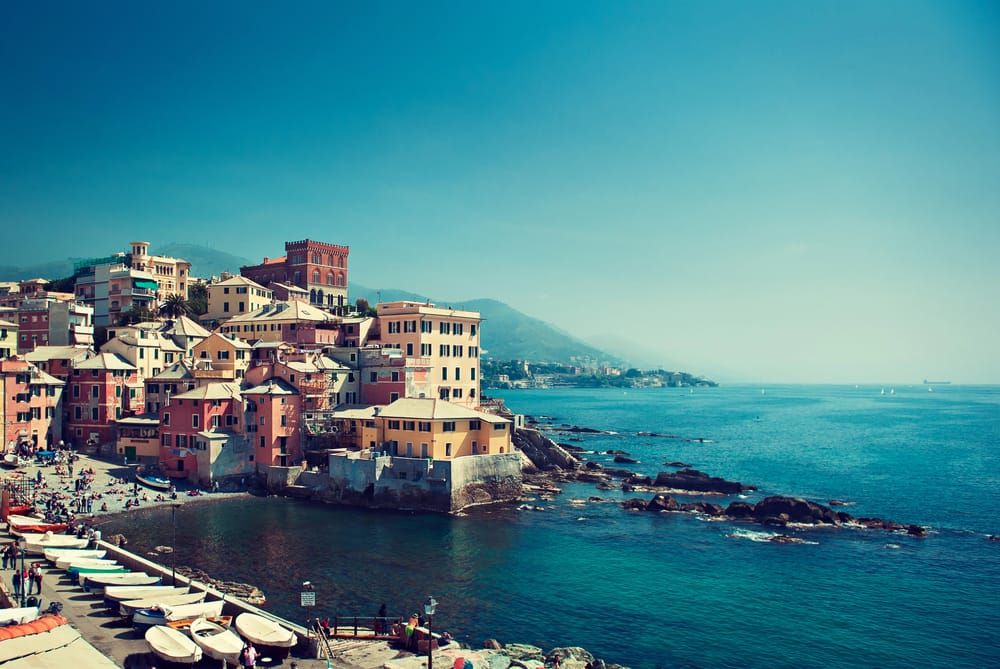
Most people fly over Calabria on the way to Sicily. Those who stop discover that the region at the very tip of Italy's boot — the part that kicks Sicily — is one of the most genuinely unexplored corners of the Mediterranean. The Tyrrhenian coast around Tropea has water that rivals the Caribbean for colour. The Ionian coast is wider and wilder. The Sila and Aspromonte mountain parks sit just inland, with pine forests and medieval villages that rarely appear in any travel guide.
Calabria is not undeveloped — it has good hotels, excellent food, and infrastructure that works. What it doesn't have is mass tourism. The crowds that make Positano impossible in August, and Florence exhausting in July, have barely reached here. That gap is narrowing, but for now Calabria is still the south of Italy as it was before the tourist industry arrived.

Advertisement
Top Places to Visit in Calabria
Tropea
Tropea is the reason most visitors first hear about Calabria, and it lives up to the photographs. The old town sits on a dramatic sandstone cliff above a beach of extraordinary clarity — the water shifts from pale turquoise at the shoreline to deep cobalt where it deepens, all of it translucent. The beach below (Spiaggia di Tropea) is one of the finest in southern Italy, and the clifftop old town has excellent restaurants, wine bars, and the Sanctuary of Santa Maria dell'Isola perched on a sea stack just offshore.
Tropea is the main tourist hub of Calabria, which means accommodation and restaurants are slightly more expensive than the rest of the region, and busy in July–August. Even so, it is quieter and cheaper than comparable towns on the Amalfi Coast.
Practical: Trains from Reggio Calabria take about 2 hours (€10–14). Driving from Naples takes about 4.5 hours. The old town is walkable — most accommodation is within 10 minutes of the beach by foot.
Capo Vaticano
Just south of Tropea, Capo Vaticano is a rocky headland with a lighthouse and several exceptional coves and beaches. The views from the cape itself — looking back north towards Tropea's cliffs and south towards the Strait of Messina — are some of the best coastal panoramas in Calabria.
The beaches here are less accessible than Tropea's main beach, which keeps them quieter. Grotticelle beach (accessed by stairs from the road) has notably clear water and is popular with snorkellers. A few good beach clubs operate in peak season if you want sun loungers (€15–25/day including umbrella).
Advertisement
Scilla
Scilla is a fishing village on the Strait of Messina — the narrow channel separating mainland Calabria from Sicily, visible across the water. The village sits dramatically below a Norman castle, with the fishing quarter (Chianalea) built literally over the water on wooden platforms. The swordfish fishing here is legendary; the traditional Calabrian way of hunting swordfish by longboat (passata) is still practised, and swordfish dishes appear on almost every menu.
What to eat in Scilla: Pesce spada alla ghiotta (swordfish with capers, olives, tomatoes, and pine nuts) is the classic local dish. Any trattoria in Chianalea is a good choice.
The beach below the castle (Spiaggia di Scilla) is pleasant and the village is extremely photogenic. A good base for exploring the Strait of Messina and the day trip to Reggio Calabria.

Pizzo
Pizzo is a small town on the Tyrrhenian coast, famous for two things: its Norman castle (Castello Murat, €3 entry) where Joachim Murat — Napoleon's brother-in-law and former King of Naples — was executed in 1815, and tartufo di Pizzo, arguably the finest ice cream in southern Italy.
Advertisement
Tartufo is a round ball of chocolate and hazelnut gelato with a liquid core, rolled in cocoa. Every bar and gelateria in Pizzo makes a version of it. The original recipe comes from Bar Dante on Piazza della Repubblica — €3–4 for a full tartufo, and genuinely unlike anything sold under the same name elsewhere.
The historic centre is small and easily walkable. The castle has an interesting interior (the cell where Murat was held, the courtyard where he was shot). Allow 2–3 hours in Pizzo total.
Reggio Calabria
Reggio Calabria is the largest city in Calabria and the regional capital — not a typical tourist destination, but home to the Bronzi di Riace in the Museo Nazionale della Magna Grecia. These are two life-size ancient Greek bronze warrior statues discovered in 1972 off the coast near Riace. They are considered among the finest surviving examples of ancient Greek sculpture in the world — extraordinary in person, far more detailed and powerful than photographs suggest.
The museum itself is well-organised (€10 entry) and covers the archaeological history of Magna Graecia (the Greek colonies of southern Italy) comprehensively. Allow 2 hours.
Reggio also has a good seafront promenade (Lungomare Falcomatà), described by Gabriele D'Annunzio as "the most beautiful kilometre in Italy", and views across to Sicily and Mount Etna on a clear day. The city itself is modern (the original was destroyed by earthquake in 1908), so the appeal is primarily the museum and the setting.
Advertisement
Day trip to Sicily: The hydrofoil from Reggio to Messina takes 35 minutes (€3.50). For a half-day crossing of the Strait of Messina, it is an easy add-on.
Sila National Park
The Sila plateau — Parco Nazionale della Sila — covers a large area of mountainous terrain inland from the Ionian coast at around 1,200m elevation. Pine and beech forests, clear lakes (Lago Arvo, Lago Ampollino), and a network of hiking and mountain biking trails make this one of the best outdoor options in Calabria.
The national park is genuinely uncrowded year-round. In summer, the elevation keeps temperatures 10°C cooler than the coast — a useful escape if the beach heat becomes too much. The village of Camigliatello Silano is the main base, with decent accommodation and restaurants serving Calabrian mountain food (mushrooms, wild boar, grilled meats).
Entry to the park is free. Trails are well-marked. The Sila is reachable from Cosenza by bus (45 minutes, €3) or by car from the Ionian coast (about 1 hour from Soverato).
Pentedattilo and the Ghost Villages
Pentedattilo is a medieval ghost village built into a rock formation above the Ionian plain — abandoned in the 1960s when the population relocated to a new purpose-built town below. The ruins of houses, a church, and a castle cling to a crag of rock shaped vaguely like a hand (pentedattilo means "five fingers" in Greek). It is free to visit, eerie, and extremely photogenic.
Advertisement
Several similar ghost villages (borgate abbandonate) exist across Calabria — Roghudi Vecchio is another worth seeking out. These places represent a particular Calabrian history: the combination of poverty, earthquake damage, and post-war rural depopulation that emptied dozens of mountain villages in the mid-20th century.
Calabria's Best Beaches
The beaches are the single biggest draw to Calabria for most visitors. The key distinction is between the two coasts:
Tyrrhenian Coast (west): Clearer, bluer, rockier. Tropea and Capo Vaticano sit on this side. The beach quality is comparable to Sardinia. Water visibility is exceptional. Gets more sun in the afternoon.
Ionian Coast (east): Wider, sandier, flatter. Soverato, Caulonia, and the Riviera dei Cedri in the north are on this side. Less dramatic scenery but more beach space and generally cheaper accommodation.
Top beaches:
- Spiaggia di Tropea — the classic Calabria beach, white sand, turquoise water, cliff backdrop
- Grotticelle (Capo Vaticano) — secluded cove, excellent snorkelling
- Spiaggia di Scilla — castle backdrop, clear water in the Strait of Messina
- Soverato (Ionian) — 5km of sandy beach, quieter, family-friendly
- Capo Rizzuto — marine protected area with outstanding water clarity on the Ionian coast
Beach clubs (lidi) operate along the main beaches in July–August, charging €15–25 for a sun lounger and umbrella. Free sections of beach (spiaggia libera) exist at most locations.

Calabrian Food: What to Eat
Calabrian cuisine is one of the spiciest in Italy, built around peperoncino (chilli), fresh seafood, and slow-cooked meat. The key dishes:
- 'Nduja: Calabria's signature product — a spicy, spreadable salami made with pork fat and a large quantity of Calabrian chilli. Eaten on bread, spread on pizza, stirred through pasta. Sold in every supermarket and market. Buy a jar to bring home.
- Fileja al ragù: Fileja is a hand-rolled pasta typical of Calabria, shaped like a thick twisted tube. Served with a long-cooked meat ragù or, along the coast, with nduja and tomato.
- Tartufo di Pizzo: The chocolate-hazelnut ice cream ball. Only worth eating in Pizzo itself.
- Pesce spada: Swordfish, particularly in Scilla and Reggio Calabria. Grilled, baked with capers and olives, or sliced thin as carpaccio.
- Cipolla rossa di Tropea: Tropea's famous red onions — sweeter and milder than any other variety. Sold at roadside stalls, eaten raw in salads, cooked in everything.
- Pitta 'mpigliata: A traditional Calabrian pastry from the Cosenza area, filled with figs, nuts, raisins, and honey. A Christmas tradition but available year-round in bakeries.
Local wine: Cirò Rosso (from the Ionian coast) is Calabria's best-known red wine, made from the Gaglioppo grape. Robust, tannic, pairs well with grilled meat and nduja pasta. Available in any restaurant in the region for €10–18 a bottle.
How to Get to Calabria
By train: The main route is along the Tyrrhenian coast — Trenitalia runs from Naples to Reggio Calabria (4.5 hours by Intercity, €35–55) and from Rome (5.5 hours, €40–65). The train station in Reggio Calabria is right on the seafront. The line continues up the Ionian coast but is slower and less frequent.
By plane: Reggio Calabria Airport (REG) has connections to Rome and Milan. Lamezia Terme Airport (SUF), near Catanzaro on the Ionian coast, is the main airport and has more routes — connections from Rome, Milan, London, and some German cities with Ryanair and Wizz Air.
By car: The most practical option if you want to explore beyond the main towns. The A3 motorway (Autostrada del Sole) runs the length of the Tyrrhenian coast from Naples to Reggio Calabria. Allow 4.5–5 hours from Naples or 7 hours from Rome.
Getting Around Calabria
A car is strongly recommended. The distances between Calabria's best places are significant, and public transport between smaller towns is infrequent or non-existent outside the main coastal routes.
The coastal towns (Tropea, Pizzo, Scilla) are accessible by train, but services are slow and infrequent. Sila National Park, Pentedattilo, and most of the Ionian coast's beaches are effectively car-only.
Car rental is available at Lamezia Terme and Reggio Calabria airports. Roads are generally good, though the coastal roads south of Reggio and some mountain routes are narrow.
Best Time to Visit Calabria
June: Best balance. Sea temperature already warm enough to swim (23–24°C), crowds manageable, accommodation 30–40% cheaper than August. The Tropea red onion harvest is in July but markets start appearing in late June.
July–August: Peak season. Beaches at their best, all beach clubs and restaurants open, maximum heat (35°C+ at the coast). Calabria is less crowded than the Amalfi Coast or Sardinia but it is still noticeably busier in August.
September–October: Excellent. Sea temperature still 24–25°C in September. Crowds drop sharply after the first week of September, prices fall, and the Sila National Park is beautiful with autumn colours in October.
November–May: Most beach accommodation and restaurants are closed outside of the main coastal towns. Reggio Calabria, Cosenza, and the ski areas of the Sila are active year-round.
One-Week Calabria Itinerary
Days 1–2: Tropea and Capo Vaticano. Base in Tropea. Day 1: old town, beach, Sanctuary of Santa Maria dell'Isola. Day 2: drive or bus to Capo Vaticano for Grotticelle beach and the cape views.
Day 3: Pizzo. 40 minutes south of Tropea. Castle, historic centre, tartufo lunch. Continue to Scilla (1.5 hours).
Days 4–5: Scilla and Reggio Calabria. Day 4: Scilla — Chianalea fishing quarter, swordfish dinner, beach below the castle. Day 5: drive to Reggio Calabria (30 minutes), Bronzi di Riace at the museum, lungomare walk, optional hydrofoil to Messina.
Day 6: Sila National Park. Drive inland (1.5 hours from Reggio) to the Sila plateau. Hike or bike, lunch in Camigliatello Silano, drive back to the coast via the Ionian side.
Day 7: Ionian coast — Soverato or Gerace. Gerace is a medieval hilltop village with one of the finest Romanesque cathedrals in southern Italy (free entry). Soverato has a long sandy beach for a final swim before heading home.
Practical Tips
- Cash: Rural Calabria still relies on cash more than northern Italy. Small restaurants, market stalls, and petrol stations outside cities may be cash-only. Carry €50–100 in cash at all times.
- Language: English is spoken in the main tourist areas (Tropea, hotels in Reggio). In smaller villages, Italian is essential. A few words of greeting go a long way.
- Driving: The A3 motorway is toll-free through Calabria. Coastal roads are narrow in places — drive slowly and yield to oncoming traffic. Speed cameras are common on the SS18 coastal road.
- Sicily day trip: From Reggio Calabria, the hydrofoil to Messina is 35 minutes. If you want to tick off Sicily without a separate trip, this is the easiest way.
- Book accommodation early for August: Tropea specifically fills up weeks in advance for the peak August period. June and September bookings are easier and usually cheaper.
FAQs: Calabria Travel Guide
What is the nicest part of Calabria? The Tyrrhenian coast around Tropea and Capo Vaticano has the most dramatic scenery and clearest water. For beaches, this is the best area in Calabria. For history and culture, Reggio Calabria (Bronzi di Riace) and Gerace (Romanesque cathedral) are the highlights. For something completely different, the ghost village of Pentedattilo and the Sila plateau offer experiences unlike anywhere else in Italy.
Is Calabria good for tourists? Yes, but it requires more planning than Tuscany or the Amalfi Coast. A car is essential, English is less widely spoken outside tourist areas, and public transport is limited. The reward is beaches, food, and history that rival the more famous Italian regions at significantly lower prices and with far fewer crowds. It suits independent travellers more than package tourists.
When should you avoid Italy in 2026? August is the most crowded and expensive month everywhere. In Calabria, it is less extreme than in Sardinia or the Amalfi Coast, but Tropea in particular is very busy in August. Ferragosto (August 15) is a national holiday — roads are packed. The best windows are June and September, when the sea is warm but prices and crowds are both lower.
What is the cheapest way to get to Calabria? Ryanair flies to Lamezia Terme (SUF) from Rome Ciampino, London Stansted, and several European cities. Check Wizz Air for additional options. Booking 4–6 weeks ahead typically gets return flights for €60–120 from the UK or €30–60 from Rome. Alternatively, the overnight train from Rome to Reggio Calabria avoids accommodation cost for one night.
📍 Also useful: Things to Do in Naples · Getting from Naples to Amalfi Coast · Sicily Travel Guide
City Passes — Where to Book
Save on attraction entry with official city passes, booked through Tiqets (instant e-ticket):
- Rome: Book on Tiqets → · Full review →
- London: Book on Tiqets → · Full review →
Save More
Save 5% on activities
Use code CHASINGWHEREABOUTS5 in the GetYourGuide app.
Book this exact experience in GetYourGuide appGet Travel Tips in Your Inbox
Join 5,000+ travelers. Get exclusive itineraries, honest reviews, and budget hacks once a week.
No spam. Only high-quality travel advice. Unsubscribe anytime.