Disclosure: Chasing Whereabouts is reader-supported. This guide contains affiliate links to partners like Tiqets, GetYourGuide, Viator and Headout. If you make a purchase through these links, we may earn a small commission at no extra cost to you. This helps us continue providing free, first-hand travel guides. Thank you for your support!
Is Germany Cheap to Live In?
After living for the last 5 years in Germany, I think I am in good shape to answer the burning question if Germany is Cheap or not.
Germany is one of the widely visited places for travel when someone is thinking about exploring Europe. It has Fairytale castles, lovely villages and a beautiful Forest.
So in this post, we will try to understand if this is something which you can pack on a travel budget calculator or if you need a crazy amount of money to explore this beautiful place.
While I am talking about whether Germany is Cheap or not I will also talk more about the cost of living in Germany and will cover some of the major places in Germany where people tend to visit for travel.
Advertisement
So without further waiting let us learn more about it.
Is Germany Cheap to Live In?
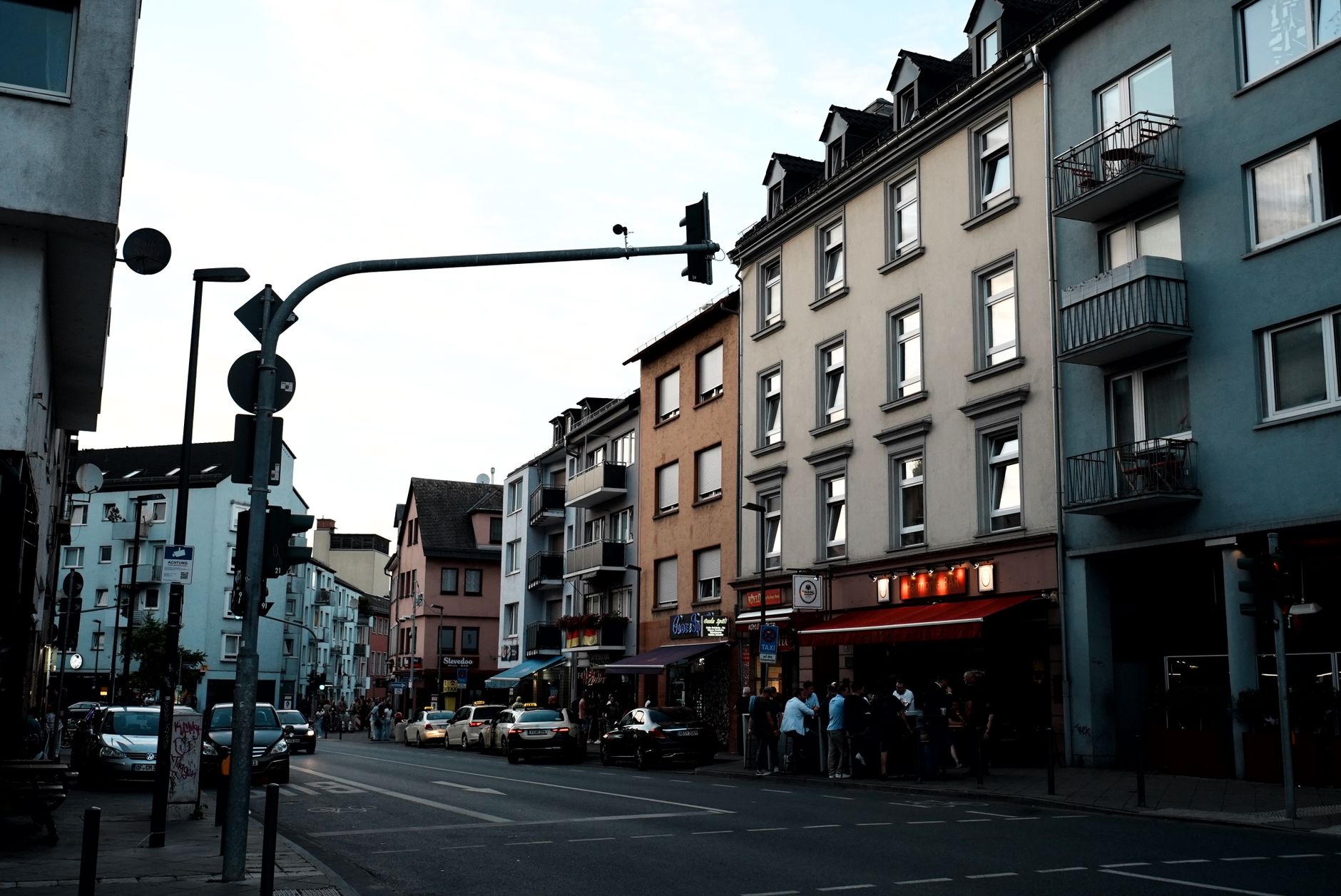
The cost of living in Germany can vary depending on several factors such as the city, lifestyle, and personal choices. Generally, Germany is considered to have a moderate to high cost of living. However, specific regions and smaller towns might offer a more affordable lifestyle compared to larger metropolitan areas.
If we break down the cost of living in Germany for a resident, then a single person would need somewhere around 1500 € and a family of four would need somewhere around 3500 € per month. But not to forget that these prices can change as to where you live. These figures typically cover rent, utilities, groceries, public transport, and some leisure activities. These estimates are based on a moderate lifestyle; those looking to live very frugally or more luxuriously would adjust accordingly. For example, my own experience in a mid-sized city like Leipzig has shown me that it's possible to live comfortably for less than in Munich or Berlin, especially when it comes to rent.
For those planning to visit Germany as a tourist, your daily travel budget will look quite different. You should allocate around 80 € per day as your minimum living expense, assuming you're staying in hostels or budget accommodation and mostly cooking for yourself or eating cheap. For a more comfortable mid-range travel experience, I'd suggest budgeting closer to 120-185 € per day. As a reference, one time eating out for 2 at a mid-range restaurant would cost you around 25 - 30 €.
Advertisement
Like any other place in Europe, the cost of living in a Hostel is comparatively cheaper than staying in Hotels and you would find some good hostels to stay. For budget-conscious travelers, hostels are definitely the way to go, often including breakfast and social activities that add value. Many also offer kitchen facilities, which can be a huge money-saver if you're willing to cook some of your meals.
My recommendation for a well-located, comfortable, and reasonably priced hostel/hotel in the capital would be to choose the [Meininger Berlin East Side Gallery.de.html Hotel](https://www.booking.com/hotel/de/meininger-berlin-east-side-gallery.de.html?aid=318615&label=New_German_DE_DE_21481143985-TAc6IQuqhJ2KJVFCwGBZTgS217242921774%3Apl%3Ata%3Ap1%3Ap2%3Aac%3Aap%3Aneg%3Afi55327816295%3Atidsa-302962658775%3Alp9044420%3Ali%3Adec%3Adm&sid=e68a4c10e01c9f68f72b359e8e5741f6&dist=0;group_adults=1;group_children=0;hapos=1;hpos=1;no_rooms=1;req_adults=1;req_children=0;room1=A;sb_price_type=total;sr_order=distance_from_search;srepoch=1704898623;srpvid=d8d1691d043202e1;type=total;ucfs=1&#hotelTmpl). It offers a great balance of private rooms and dorms, making it suitable for various budgets.
Which Region Has the Highest Cost of Living in Germany?
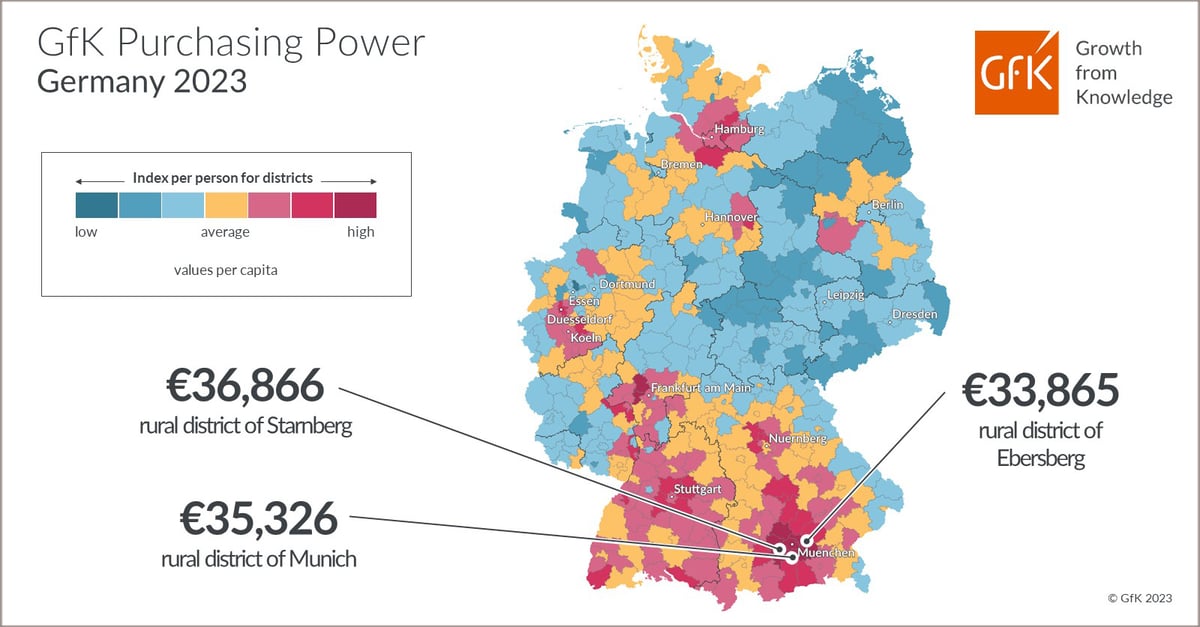
If you look at the picture above then it explains to you the purchasing power of the individual. Typically, the southern region of Germany stands out as the priciest area to reside in the country. Munich and Stuttgart, two prominent cities in this region, particularly stand out as being among the most expensive places to live. This is primarily due to strong local economies, high demand for housing, and a generally higher standard of living and wages. Expect rental prices, groceries, and even leisure activities to be notably higher here compared to other parts of Germany. For instance, a beer in a traditional Munich beer garden might cost you around €4-5, whereas in a less affluent city, it could be closer to €3.50. Other areas like Frankfurt, due to its financial hub status, also command higher costs, especially for accommodation.
Getting Around Germany
Advertisement
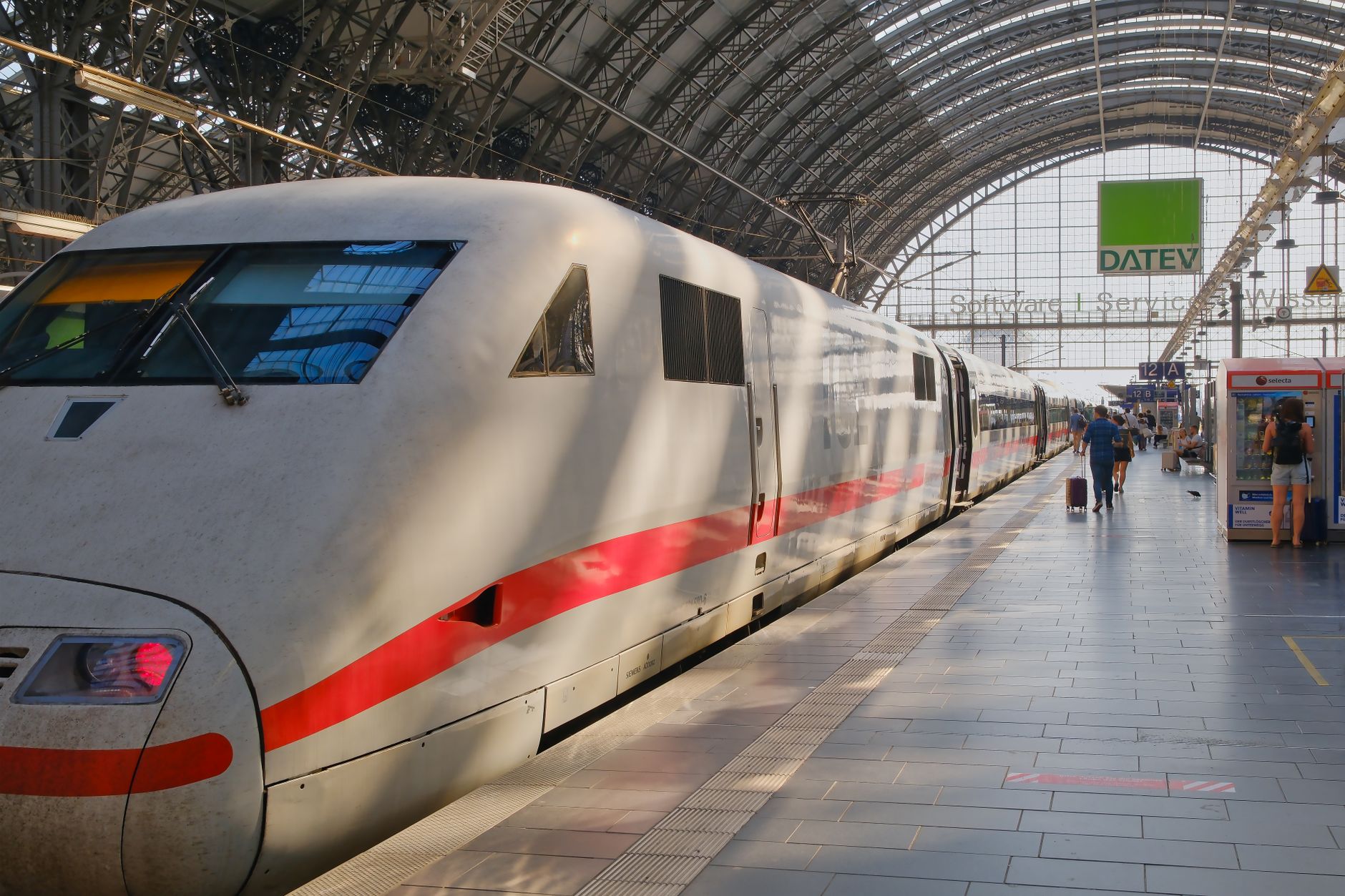
Germany boasts an excellent, efficient, and extensive public transportation network, making it incredibly easy to travel between cities and within them.
- Intercity Travel (Trains): Deutsche Bahn (DB) operates the national rail network.
- ICE (Intercity-Express): High-speed trains, fastest but most expensive. Booking in advance (Sparpreis tickets) can save you a lot – sometimes up to 70% off the standard fare. A Berlin-Munich ICE trip can range from €30 (booked far in advance) to €150+ (last minute).
- IC/EC (Intercity/Eurocity): Slower than ICE, but still comfortable and connect major cities.
- Regional Trains (RE, RB, S-Bahn): Slower, stop more frequently, but are great for shorter distances and often covered by regional passes.
- Tickets: The Deutschlandticket (€49/month) is an incredible value for residents and long-term visitors, allowing unlimited travel on all regional and local public transport (excluding ICE/IC). For tourists, consider Länder-Tickets (e.g., Bayern-Ticket, Brandenburg-Berlin-Ticket) which offer unlimited regional travel for a day within a specific state for a fixed price (starts around €27 for one person, cheaper for groups). The Quer-durchs-Land-Ticket is similar but covers all of Germany on regional trains.
- Booking: Use the DB Navigator app or the Deutsche Bahn website (bahn.de) for schedules, prices, and booking. I always recommend booking ICE tickets a few weeks out for the best deals.
- City Transport (U-Bahn, S-Bahn, Tram, Bus):
- Each major city has its own integrated public transport system. Tickets are usually valid across all modes (subway, commuter rail, tram, bus).
- Single Tickets (Einzelfahrschein): Around €2.50 - €3.80, valid for a single journey within a certain zone or time limit. Always validate your ticket before or upon boarding!
- Day Tickets (Tageskarte): Best value if you plan more than 2-3 rides in a day, typically €7-10.
- Weekly/Monthly Passes: Good if you're staying longer in one city.
- City Cards: Many cities offer tourist cards (like the Berlin WelcomeCard or Hamburg CARD) that combine unlimited public transport with discounts on attractions. Always do the math to see if it's worth it for your itinerary.
- Car Rental: While public transport is excellent, renting a car can be beneficial for exploring rural areas, the Romantic Road, or specific castles not easily reached by train. Expect to pay €45-60 per day for a compact car, plus fuel. Germans drive fast on the Autobahn, so be prepared!
- Bikes: Many cities are very bike-friendly, with extensive cycle paths. Bike rental is available in most tourist areas, often for €20-35 per day.
Where to Stay in Germany
When you're figuring out where to settle, your choice of location will heavily influence your cost of living in Germany. Major cities like Munich, Frankfurt, and Hamburg generally have higher rent prices and overall living costs compared to smaller towns or any other city in Germany in the eastern part of the country. For example, a one-bedroom apartment in Berlin can easily run you €800-€1200 per month, while a similar place in Leipzig might be €500-€700.
Beyond the big names, consider university towns like Heidelberg or Freiburg, which offer a vibrant atmosphere but still come with a significant price tag. If you're looking to save money, exploring options in smaller regional centers or even the outskirts of larger cities can make a huge difference to your monthly budget. For an international student or someone looking to move to Germany on a tighter budget, a shared apartment (WG) is often the most practical and social option when you first live in Germany.
Where to Stay in Germany
Germany offers a wide range of accommodation options to suit every budget and travel style. In my experience, German hotels and hostels are consistently clean and efficient.
-
Hostels (Budget):
Advertisement
- Cost: €20-60 per night for a dorm bed. Private rooms are available but can be closer to budget hotel prices.
- Best for: Solo travelers, young groups, budget-conscious individuals.
- What to expect: Clean dorms, communal kitchens, social common areas, often central locations.
- Top Recommendations:
- Berlin: Generator Berlin Alexanderplatz (design-focused, great location)
- Munich: Wombats City Hostel Munich (fun, social vibe near Marienplatz)
- Hamburg: H1 Hostel Hamburg (modern, close to the harbor)
- Tips: Look for hostels with "social events" – many organize pub crawls, city tours, or cooking nights which are great ways to meet other travelers.
-
Budget Hotels (€60-120/night):
- Cost: €60-120 per night for a basic double room.
- Best for: Couples, small families, travelers who want more privacy.
- What to expect: Clean, functional rooms with private bathroom, often included breakfast.
- Chain Options: ibis Budget, Premier Inn, Motel One (all offer reliable quality at reasonable prices)
- Booking Tips: Book directly through hotel websites for best prices, or use Booking.com/Expedia for comparisons. Look for "free cancellation" options.
-
Mid-Range Hotels (€140-250/night):
- Cost: €140-250 per night for a comfortable double room.
- Best for: Business travelers, families, luxury backpackers.
- What to expect: Spacious rooms, on-site restaurants, fitness centers, sometimes spas or pools.
- Top Recommendations:
- Berlin: Hotel de Rome (luxury boutique, former bank building)
- Munich: Bayerischer Hof (iconic 5-star, central location)
- Hamburg: The Fontenay (modern, luxury waterfront hotel)
- Luxury Hotels (€300+/night):
- Cost: €300+ per night for premium accommodations.
- Best for: Special occasions, business executives, luxury travelers.
- What to expect: 5-star amenities, personalized service, top locations, spa facilities.
Food Costs in Germany
Food in Germany offers excellent value, especially if you know where to eat. Here's a detailed breakdown:
-
Groceries:
- Budget Options: Aldi, Lidl, Netto (cheapest chains) – €30-40 per week for basic groceries
- Mid-Range: Rewe, Edeka – €40-50 per week for more choices
- Organic/High-End: Bio Company, Alnatura – €50-60 per week
- Typical Prices:
- Loaf of bread: €0.80-1.50
- Liter of milk: €0.80-1.20
- Dozen eggs: €1.50-2.50
- Kilogram of apples: €1.50-3.00
- Kilogram of chicken breast: €8-12
- Cooking at Home: If you cook most meals, expect to spend €20-30 per day.
-
Street Food & Fast Food:
Advertisement
- Currywurst: €4-6 (Berlin specialty – grilled sausage with curry ketchup)
- Döner Kebab: €5-7 (Turkish street food, very popular)
- Falafel: €4-6 (great vegan/vegetarian option)
- Bratwurst: €3-5 (at markets or festivals)
- Bakery Items: Pastries €1-3, sandwiches €3-6
-
Cafés & Bakeries:
- Breakfast: €5-10 (croissant + coffee)
- Lunch Special: €8-15 (many cafés offer Tagesmenü – daily special with soup, main, dessert)
- Coffee/Tea: €2.50-4 (good espresso or filter coffee)
-
Mid-Range Restaurants:
- Lunch/Dinner: €12-25 per main course
- Dinner for Two: €30-60 without drinks (entree + main)
- Drinks: Beer €3-6, Wine €4-8 per glass, Soft drinks €2-3
-
High-End Restaurants:
- Tasting Menus: €50-100 per person
- Michelin-Starred: €100+ per person
- Wine Pairing: €30-80 per person
-
Specialty Dining:
- Bavarian Beer Gardens: €15-25 per person (includes beer + food)
- Fischbrötchen (Hamburg): €4-7 (fish sandwiches at the harbor)
- Viktualienmarkt (Munich): €10-20 for market food
Shopping and Daily Expenses
One of the pleasant surprises about living in Germany is how reasonable grocery prices are. Supermarkets like Aldi, Lidl, and Rewe offer a wide range of fresh produce, dairy, and pantry staples that won't break the bank. I find that I can comfortably feed myself for around €150-€250 per month if I cook most of my meals at home and avoid eating out too frequently. This is a significant factor in keeping your overall living costs manageable.
Beyond groceries, daily expenses also include things like personal care items, household supplies, and occasional treats. While these can add up, shopping at discount stores or larger hypermarkets can help you save. Remember, the key to a cheap cost of living in Germany is often found in these small, everyday choices, rather than just the big ones like rent.
Healthcare Costs
Understanding health insurance is crucial when you move to Germany, as it's mandatory for everyone, whether you're working or an international student. The system is robust, offering excellent care, but it's a significant part of your cost of living in Germany. Most residents opt for the public health insurance system, where contributions are based on your income, typically around 14.6% of your gross salary, plus an additional employer-specific contribution.
For self-employed individuals or those earning above a certain threshold, private health insurance is an option, which can sometimes be cheaper but offers different benefits. As an international student, you'll likely have specific, more affordable health insurance plans tailored for you, which is a big relief. Expect to pay anywhere from €80-€400 per month for your health insurance depending on your status and income, making it a fixed and important component of your living costs.
Travel Costs from Major Cities
Exploring Germany and beyond is one of the joys of living in Germany, but these travel costs need to be factored into your overall budget. The Deutschlandticket, at €49 per month, is an absolute game-changer for domestic travel, allowing you unlimited use of regional public transport across the entire country. This dramatically reduces what you'd typically spend on getting around, especially if you plan to visit multiple city in Germany.
For international travel, Germany's central location means affordable flights and train connections to many European destinations. From Berlin, for instance, you can find budget flights to Prague, Vienna, or Amsterdam for less than €50 if booked in advance. While these travel opportunities are fantastic, remember that spontaneous trips can quickly add up, so planning ahead is key to managing your living costs and enjoying the freedom to explore without overspending.
Money-Saving Tips for Germany
Based on my 5 years of living in Germany, here are my top tips:
- Travel Off-Peak: Visit in spring (April-June) or autumn (September-October) for better prices and fewer crowds
- Cook Your Own Meals: Use hostel/hotel kitchens – grocery shopping is much cheaper than eating out
- Buy Rail Passes Early: Book train tickets 2-3 months in advance for Sparpreis (cheap) fares
- Use Public Transport: Invest in day passes or city cards rather than single tickets
- Shop at Discount Supermarkets: Aldi, Lidl, and Netto offer the best prices
- Free Attractions: Many museums have free entry on certain days (e.g., Sundays in Berlin)
- Student Discounts: If you're a student, bring your ISIC card – many attractions offer discounts
- Local Markets: Buy fresh produce from weekly markets – cheaper than supermarkets and better quality
Is Germany Cheap to Live In? Final Verdict
After living in Germany for 5 years and exploring all aspects of the cost of living in Germany, I can say that Germany is affordable for the quality you get, but it's not the cheapest country in Europe. When considering whether Germany is cheap to live in, it's important to factor in both the average cost of living and the quality of life you'll experience. Here's my final verdict:
🏷️ Budget Categories:
- Budget Traveler (€80-120/day): If you're wondering if Germany is cheap to live in on a budget, this category proves it's very possible with hostels, cooking your own meals, and exploring free attractions
- Mid-Range Traveler (€120-185/day): For those who want more comfort, Germany offers affordable mid-range options including budget hotels, some meals out at local restaurants, and access to paid attractions – showing that the cost of living in Germany can be very reasonable
- Luxury Traveler (€390+/day): While Germany can have a higher cost of living for premium accommodations, fine dining, and exclusive experiences, the quality justifies the price
📍 Location Matters Most:
When evaluating if Germany is cheap to live in, location is the single biggest factor:
- Cheapest Cities: If you're looking for the lowest cost of living in Germany, consider Leipzig, Dresden, Cologne, or Frankfurt (all surprisingly affordable with lower rent and living costs)
- Most Expensive: Munich, Stuttgart, Hamburg, and Berlin have a higher cost of living, especially when it comes to rent – but even these cities are still cheaper than major capitals like London or Paris
💰 Cost of Living vs. Quality:
When considering if Germany is cheap to live in, it's important to look beyond just numbers. What you pay for in Germany is quality of life: excellent healthcare, reliable public transport, high safety levels, and a strong social safety net. The cost of living in Germany is reasonable considering this quality, with food and housing prices that reflect the high standards of living here.
For those planning to live in Germany long-term, the per month costs include rent (which can vary drastically by city), groceries, utilities, and public transport. Living costs in Germany for a single person in a mid-sized city typically range from €1,000 to €1,500 per month, while rent alone can take up 30-50% of that budget. This makes Germany a competitive choice compared to many other Western European countries.
✨ My Personal Recommendation:
If you're considering moving to Germany and wondering if Germany is cheap to live in, here's my advice:
- Start with a city like Leipzig or Dresden for the lowest cost of living in Germany – both have much lower rent and living costs than Munich or Berlin
- Learn basic German – it makes daily life much cheaper and easier
- Take advantage of the Deutschlandticket – incredible value for public transport
- Embrace the local culture – explore free festivals, beer gardens, and outdoor spaces
Final Thoughts
Germany offers a fantastic quality of life at a reasonable cost. Whether you're a budget traveler or looking for luxury experiences, you can find something that fits your budget. The key is to plan ahead, be flexible, and embrace the local way of life.
After living here for 5 years, I can confidently say that Germany is worth every euro – it's a beautiful country with rich culture, stunning landscapes, and incredibly friendly people.
So, is Germany cheap to live in? Yes, if you know how to do it right. And definitely worth it.
Frequently Asked Questions
Q: Is it cheaper to live in Germany or the UK?
From my experience, the cost of living in Germany is generally more affordable than in the UK, especially when it comes to essentials like groceries, public transport, and even rent outside of major hotspots like Munich or Berlin. While salaries might be comparable in some sectors, your purchasing power often stretches further here.
Q: What is the 10pm rule in Germany?
The "10pm rule" refers to the quiet hours (Ruhezeit) typically enforced from 10 PM to 6 AM, and all day on Sundays and public holidays. During these times, you're expected to keep noise to a minimum, which is a key aspect of polite living in Germany. It's a cultural norm that contributes to a peaceful residential environment.
Q: Can I live on 1000 euros a month in Germany?
Living on 1000 euros per month in Germany is challenging but feasible, especially for an international student or someone in a smaller city in Germany outside of the big metropolitan areas. You'd need to be very budget-conscious, likely sharing accommodation to keep rent low and cooking at home often.
Q: What is the downside of living in Germany?
While I love living in Germany, some downsides include the bureaucracy, which can be slow and complex, and the language barrier if you don't speak German. Additionally, finding affordable rent in popular cities like Berlin or Munich can be tough, and the weather isn't always sunny, especially in winter.
City Passes — Where to Book
Save on attraction entry with official city passes, booked through Tiqets (instant e-ticket):
- Amsterdam: Book on Tiqets → · Full review →
- Paris: Book on Tiqets → · Full review →
Save More
Save 5% on activities
Use code CHASINGWHEREABOUTS5 in the GetYourGuide app.
Book this exact experience in GetYourGuide appGet Travel Tips in Your Inbox
Join 5,000+ travelers. Get exclusive itineraries, honest reviews, and budget hacks once a week.
No spam. Only high-quality travel advice. Unsubscribe anytime.