

Disclosure: Chasing Whereabouts is reader-supported. This guide contains affiliate links to partners like Tiqets, GetYourGuide, Viator and Headout. If you make a purchase through these links, we may earn a small commission at no extra cost to you. This helps us continue providing free, first-hand travel guides. Thank you for your support!
🇵🇹 Portuguese food was one of the great surprises of our trip — hearty, complex, deeply flavoured, and often extraordinarily cheap. Here's everything we ate and loved.
Portuguese cuisine is one of Europe's most underrated food cultures. It doesn't have the international profile of Italian or French cooking, but it's every bit as interesting: a centuries-old tradition shaped by Atlantic fishing, Moorish spicing, African influences from the empire, and a fierce regional pride that means the food changes dramatically as you travel across the country.
We ate extremely well in Portugal — from pastel de nata at 08:00 in Lisbon to freshly grilled fish in the Algarve to a francesinha that defeated us in Porto. This guide covers everything you need to know.
The Essentials: Portuguese Food You Must Try
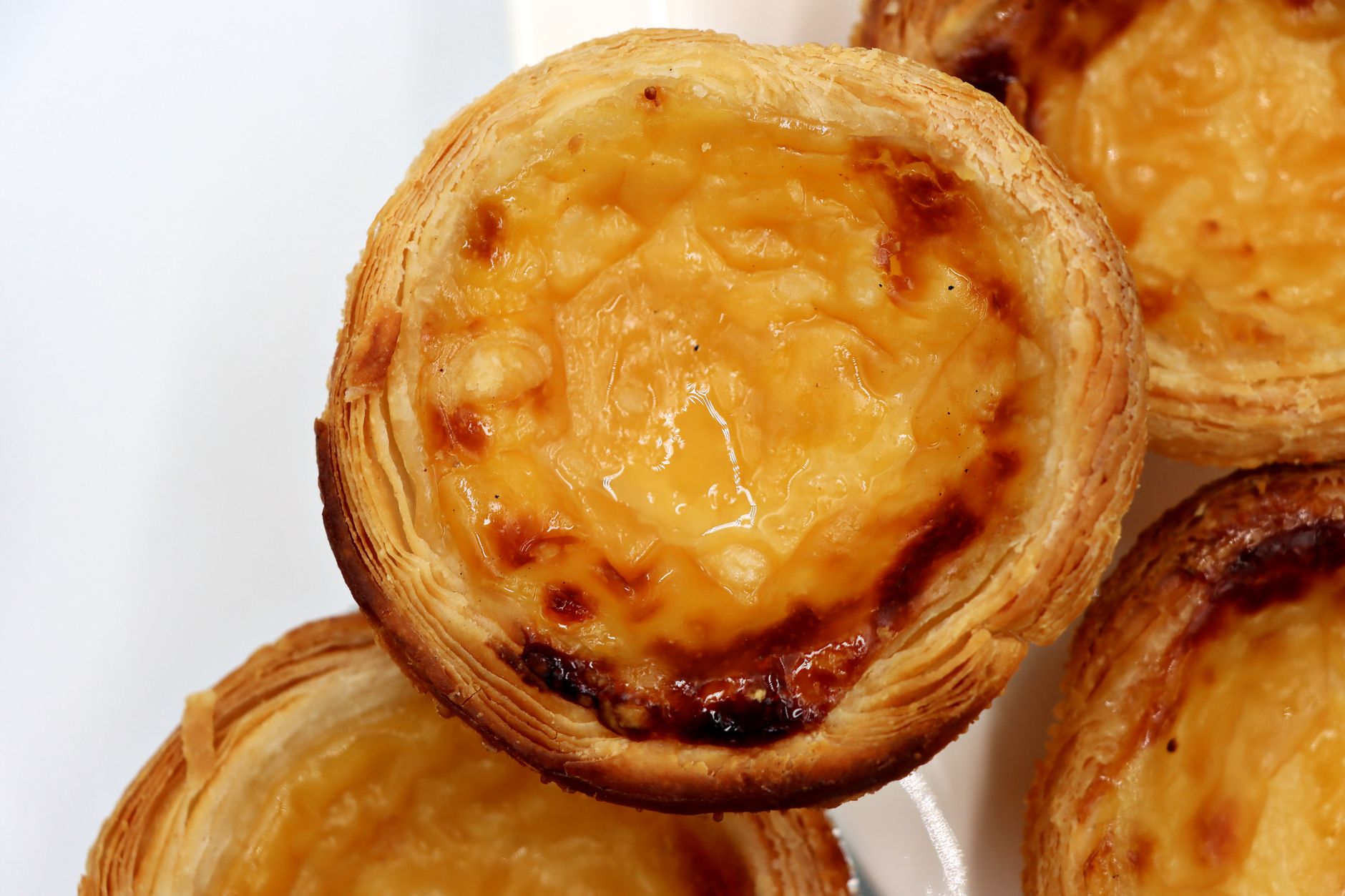
Pastel de Nata (Custard Tart)
The single most iconic food in Portugal. A pastel de nata is a small flaky pastry shell filled with a slightly caramelised egg custard — eaten warm, dusted with cinnamon and icing sugar, with a small espresso (bica) alongside. They cost around €1.50 each and they are one of the greatest things to eat in Europe.
Advertisement
Where to get the best pastel de nata:
- Pastéis de Belém, Lisbon — the original, using a recipe kept secret since 1837. The queue is always worth it. The custard here is uniquely wobbling and complex.
- Any good pastelaria in Lisbon — the standard is very high across the city
- Manteigaria in Chiado, Lisbon — excellent and open late
- Good pastelarias in Porto too, though this is a Lisbon speciality
Note: Only the tarts made at Pastéis de Belém are technically called "Pastéis de Belém." Everywhere else calls them "pastéis de nata." Same thing, essentially.
Grilled Sardines (Sardinhas Assadas)
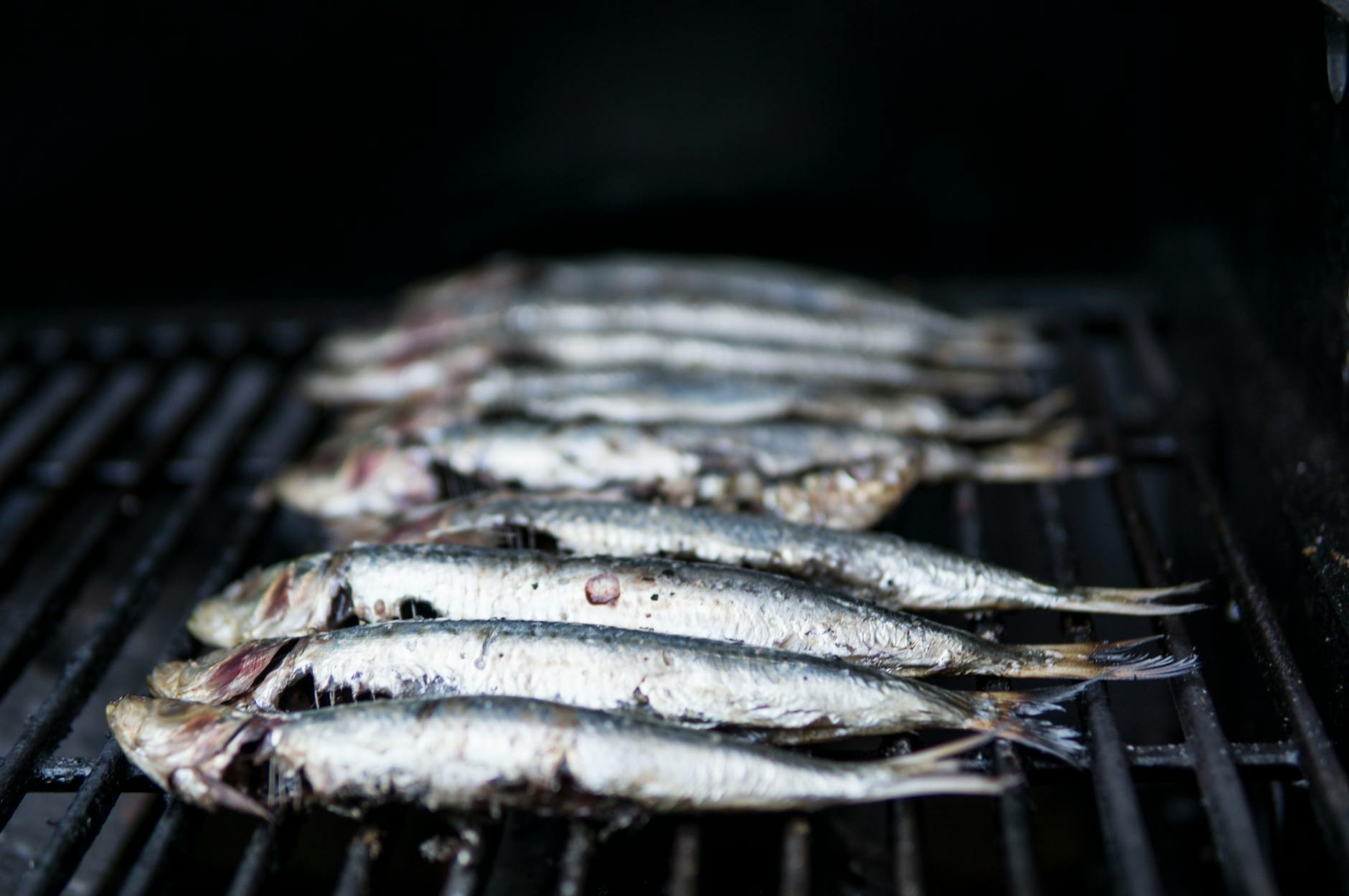
Portugal's great summer food. Whole sardines grilled over charcoal and served with bread, salad, and boiled potatoes. Simple, incredibly flavourful, cheap. The best sardines are found at seaside restaurants in the Algarve from June to September — sardine season.
In Lisbon, the Festas de Lisboa in June are marked by sardine grills on every street corner. Eating a whole sardine in the open air on a warm Lisbon evening is a defining Portugal experience.
Advertisement
In the Algarve: Almost every seafood restaurant grills sardines fresh. Ask what's on the grill that day — cataplana restaurants near Lagos and Albufeira do excellent versions.
Bacalhau (Salt Cod)
Portugal's most important dish — and its most misunderstood. Bacalhau is salt-preserved cod, dried and then reconstituted. The Portuguese claim there are 365 ways to prepare it, one for every day of the year. The actual count is higher.
Key bacalhau dishes:
- Bacalhau à Brás — shredded cod with eggs, onion, crispy potato sticks, and olives. One of Portugal's great comfort foods.
- Bacalhau com Natas — cod baked with cream and potato. Rich and deeply satisfying.
- Bacalhau à Gomes de Sá — Porto's version: cod with potato, onion, hard-boiled eggs, and olives. Named for a 19th-century Porto merchant.
- Bacalhau à Lagareiro — whole salted cod baked with generous olive oil. One of the best.
Bacalhau is available in virtually every traditional restaurant in Portugal. Ignore places that offer it as a novelty; find restaurants where it's a daily staple.
Francesinha (Porto)
Porto's great contribution to world sandwiches. The francesinha is a sandwich of cured meats and sausage, soaked in melted cheese, covered in a thick tomato-beer sauce, and usually served with fries. It is enormous, extremely filling, and unlike anything else.
Advertisement
It was invented in Porto in the 1950s (reportedly inspired by the French croque-monsieur, but unmistakably Portuguese). Every Porto restaurant has its own sauce recipe — the sauce is the thing.
Where to eat francesinha in Porto:
- Café Santiago — a Porto institution. One of the most famous versions.
- Bufete Fase — slightly less touristic, excellent sauce
- Lado B — popular with locals
A whole francesinha will defeat most appetites. Share one to start.

Caldo Verde (Green Soup)
Portugal's national soup. A deeply comforting broth of potato, olive oil, kale (couve galega, very finely shredded), and often a slice of chouriço. Served as a starter or a light meal. Every traditional restaurant in Portugal serves it. Costs around €3–€4.
Advertisement
Cataplana
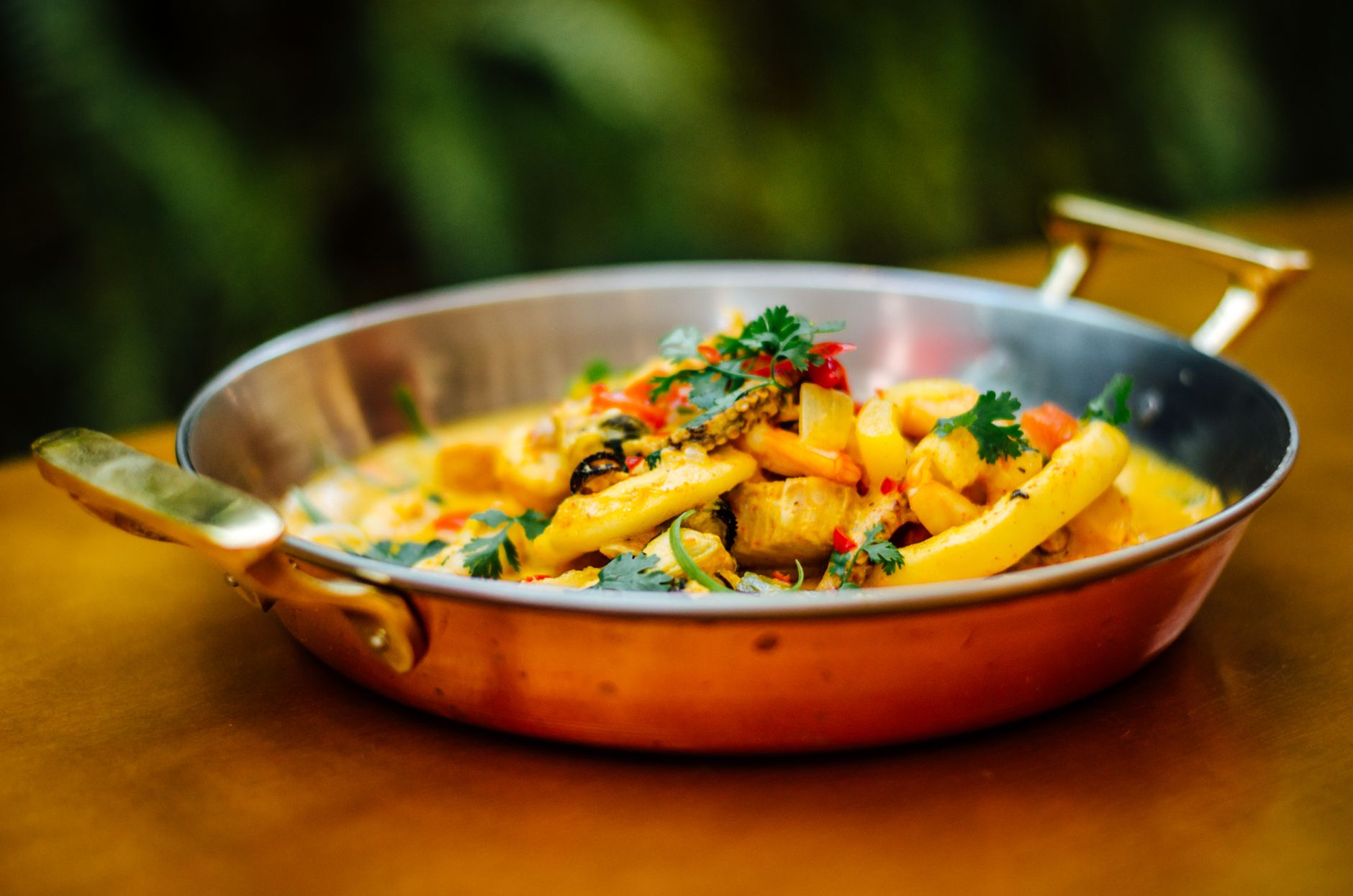
A dish from the Algarve — and the region's finest. A cataplana is a copper clam-shaped pan used to steam ingredients together: typically clams, pork, chorizo, onion, peppers, and tomato; or seafood combinations (monkfish, prawns, clams). The pan seals tightly and the result is an intensely flavoured stew unlike anything else.
Cataplana is the signature dish of the Algarve. It costs more (€20–€35 for two) but it's worth ordering at least once. We had excellent cataplana in Lagos — ask at your accommodation for a recommendation rather than picking a tourist-facing restaurant.
Porco Preto (Black Pork / Iberian Pork)
The Alentejo — Portugal's interior plain — raises Iberian black pigs on a diet of acorns. The resulting pork is extraordinary: marbled, nutty, incredibly tender. Porco preto (or porco alentejano) is available across Portugal but is most authentic in the Alentejo.
Carne de porco à alentejana — pork and clams with potatoes and coriander — is one of the great Portuguese dishes. The combination of pork and clams sounds unusual but is completely logical once you taste it.
Advertisement
Bifanas (Pork Sandwiches)
A humble but beloved Portuguese street food. Bifanas are thin pork cutlets marinated in garlic and white wine, served in a roll. Cheap (€2–€3), quick, and delicious. Found at tascas (small restaurants) and cafes throughout Portugal. A perfect breakfast or quick lunch.
Açorda
A bread-thickened soup with garlic, olive oil, coriander, and often egg and seafood. Sounds simple but can be extraordinary when made well. Açorda alentejana uses sheep's cheese and is particularly good. A cold-weather comfort food.
Pastel de Tentúgal and Regional Pastries
Every region of Portugal has its own pastry tradition:
- Travesseiros (Sintra) — flaky pastry with egg-and-almond cream
- Queijadas (Sintra) — small cheese and cinnamon tarts
- Pastel de Tentúgal (Coimbra) — extraordinarily thin pastry filled with egg cream
- Ovos Moles (Aveiro) — egg yolk sweets in wafer shells shaped like shells and fish
- Dom Rodrigos (Lagos, Algarve) — rich egg-and-almond sweets from the Algarve
Regional Food by Area
Lisbon
Heavy on bacalhau, great pastelarias everywhere, strong café culture. The Mercado da Ribeira (Time Out Market) is an excellent introduction to Portuguese food from multiple vendors in one place — though it's touristy. Better: wander Alfama for traditional tascas.
Don't miss: Pastel de nata at Pastéis de Belém, bacalhau à Brás, and a glass of ginjinha (sour cherry liqueur) in a hole-in-the-wall in Alfama.
Porto
Home of the francesinha and bacalhau à Gomes de Sá. Porto also has excellent tripas (tripe — the city is nicknamed the "city of tripe people") and outstanding seafood. The waterfront Ribeira district has restaurants ranging from excellent to very touristy — choose carefully.
Don't miss: Francesinha, bacalhau Gomes de Sá, bifanas, and a tasting flight at one of the port wine lodges in Vila Nova de Gaia.
Algarve
Seafood dominates. Grilled fish, cataplana, and the freshest shellfish in Portugal. Amêijoas (clams) are exceptional here — request them simply cooked with garlic and white wine (amêijoas à bulhão pato). Don't miss the Algarve's regional pastries — Dom Rodrigos and morgados (marzipan sweets).
In Lagos: Seafood restaurants around the waterfront are generally reliable. Ask locals for cataplana recommendations — the version with local pork and clams is extraordinary.
In Albufeira: Old Town has better restaurants than the strip. Look for restaurants with hand-written daily menus on chalkboards.
Alentejo
Portugal's interior and arguably its best food region. Cured meats (presunto), black pork, sheep's cheese (queijo de Évora), and slow-cooked stews. Everything here is cooked in olive oil and enriched with herbs. Migas (bread-based side dishes) are unique to the region.
Portuguese Drinks
Wine
Portugal produces exceptional wine largely unknown outside the country. Key regions:
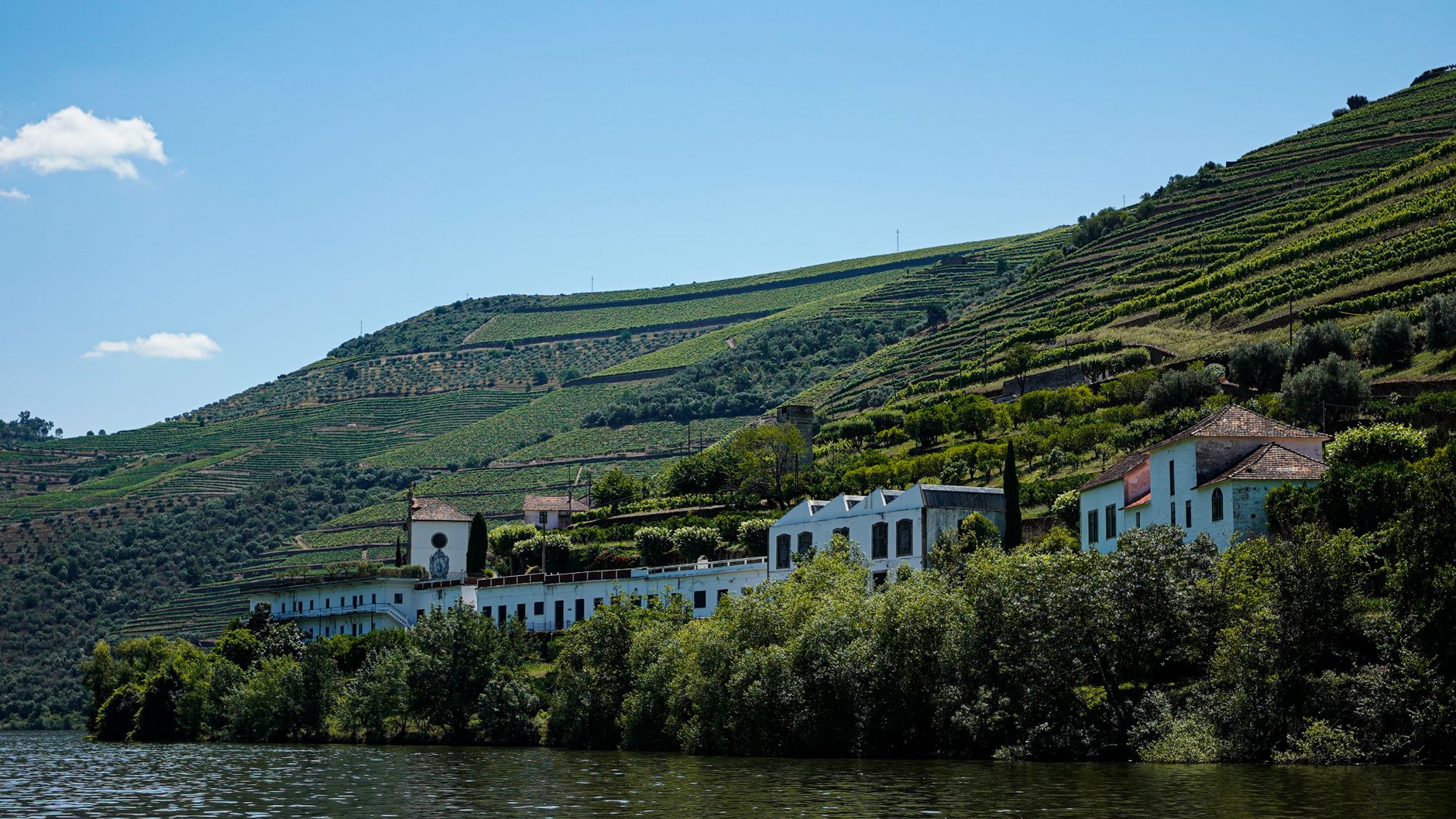
- Douro Valley: Home of port wine and outstanding Douro DOC table wines (Quinta do Crasto, Quinta da Croz)
- Vinho Verde: Northern Portugal's young, light, slightly sparkling white wine. Refreshing in summer.
- Alentejo: Full-bodied reds; increasingly respected internationally
- Dão and Bairrada: Elegant central Portugal reds
At restaurants, order the vinho da casa (house wine) — in Portugal it's almost always excellent and costs €4–€7 per bottle.
Port Wine
The Douro's fortified wine, aged in lodges in Vila Nova de Gaia across the river from Porto. There are styles for every taste: ruby (fresh, fruity), tawny (aged, nutty), LBV (Late Bottled Vintage), and vintage ports. Book a lodge tour and tasting in Gaia — see our Porto guide for recommendations.
Ginjinha (Ginja)
A sour cherry liqueur served in tiny glasses or in a small chocolate cup. €1.50 a shot. A Lisbon tradition — the tiny bars along Rua das Portas de Santo Antão in Lisbon serve nothing else. Also popular in Óbidos where it's served in an edible chocolate cup.
Sagres and Super Bock
Portugal's two ubiquitous lagers. Cheap, drinkable, served cold. Super Bock is the Porto brand; Sagres is Lisbon. Both are around €1.50–€2.50 at a local café.
Bica
The Portuguese espresso. Served in a small glass (the heat retention is better). Strong, not overly bitter. Order a bica simples (straight) or a meia de leite (half milk — like a latte). The café culture in Portugal is strong — even a roadside petrol station in the Alentejo will have a decent coffee machine.
Food Tips for Portugal
Eat the lunch special (prato do dia): Most traditional Portuguese restaurants offer a lunch menu — a main course, often with soup, bread, and a drink — for €8–€12. This is how locals eat. Excellent value.
Go where locals go: The tourist restaurants in Sintra, Alfama, and Albufeira Old Town are fine but not the best. If a restaurant has an A-board menu translated into five languages with photos, walk past it. Look for handwritten menus and lunch specials.
Markets: The covered markets (mercados) in every Portuguese town sell excellent regional produce — cheese, presunto, olives, fresh bread. Excellent for picnics.
Seafood freshness indicator: Look for the price listed per kg (sold by weight) — this usually signals a fish restaurant that buys from the boats daily.
Bread at the table: In many Portuguese restaurants, bread, olives, and small amuse-bouches arrive automatically. You will be charged for these unless you send them back. A common tourist surprise — the €2 couvert on the bill.
FAQ: Portuguese Food
What is the most famous food in Portugal? Pastel de nata (custard tart) is the most internationally known. But within Portugal, bacalhau (salt cod) is the national dish — there are hundreds of preparations.
Is Portuguese food spicy? Generally not spicy hot. Flavours come from garlic, olive oil, coriander, and slow cooking rather than chilli. Piri piri sauce (a chilli condiment) is available but not a staple of mainland cuisine.
What should I eat in the Algarve? Cataplana (clam and pork stew in a copper pan), grilled sardines in season, fresh clams with garlic and white wine (amêijoas à bulhão pato), and grilled fish. And Dom Rodrigos for dessert.
What should I eat in Porto? Francesinha first. Then bacalhau Gomes de Sá. And port wine — do a tasting in Vila Nova de Gaia.
Is Portugal good for vegetarians? It can be challenging. Portuguese cuisine is heavily meat and fish-based. Vegetarian options exist in cities (especially Lisbon which has a good vegetarian restaurant scene) but in rural areas and traditional tascas, the non-meat options are usually caldo verde, salad, and omelette.
Plan Your Portugal Trip
- 2 Weeks in Portugal Itinerary
- 3 Days in Lisbon Itinerary
- 3 Days in Porto Itinerary
- Things to Do in Lagos
- Things to Do in Albufeira
- Algarve Travel Guide
- Best Time to Visit Portugal
Where to Buy the Lisbon Pass
You can book the Lisbon city pass directly through Tiqets with instant confirmation:
- Book on Tiqets → — Best price, instant e-ticket
- Read my full Lisbon Pass review → — Is it worth it for your trip?
Where to Buy the Porto Pass
Book the Porto city pass through Tiqets — instant confirmation, skip the queues:
- Read my full Porto Pass review → — Is it worth it for your trip?
Save More
Save 5% on activities
Use code CHASINGWHEREABOUTS5 in the GetYourGuide app.
Book this exact experience in GetYourGuide appGet Travel Tips in Your Inbox
Join 5,000+ travelers. Get exclusive itineraries, honest reviews, and budget hacks once a week.
No spam. Only high-quality travel advice. Unsubscribe anytime.