Welcome, fellow wanderers, to "Chasing Whereabouts"! As your lead gear reviewer, we know that every journey is an investment – an investment in experiences, memories, and self-discovery. But the truth is, the right gear doesn't just support your adventure; it transforms it.
Imagine breezing through security with a perfectly organized carry-on, capturing breathtaking landscapes with crisp clarity, or navigating foreign streets with seamless connectivity. This isn't just a dream; it's the reality that smart gear choices unlock. Investing in the right travel essentials eliminates stress, enhances comfort, and opens up possibilities you never thought existed. From the backpack cradling your world to the tech capturing its essence, every piece plays a crucial role. So, let's dive into the ultimate guide to equipping yourself for unforgettable travels.
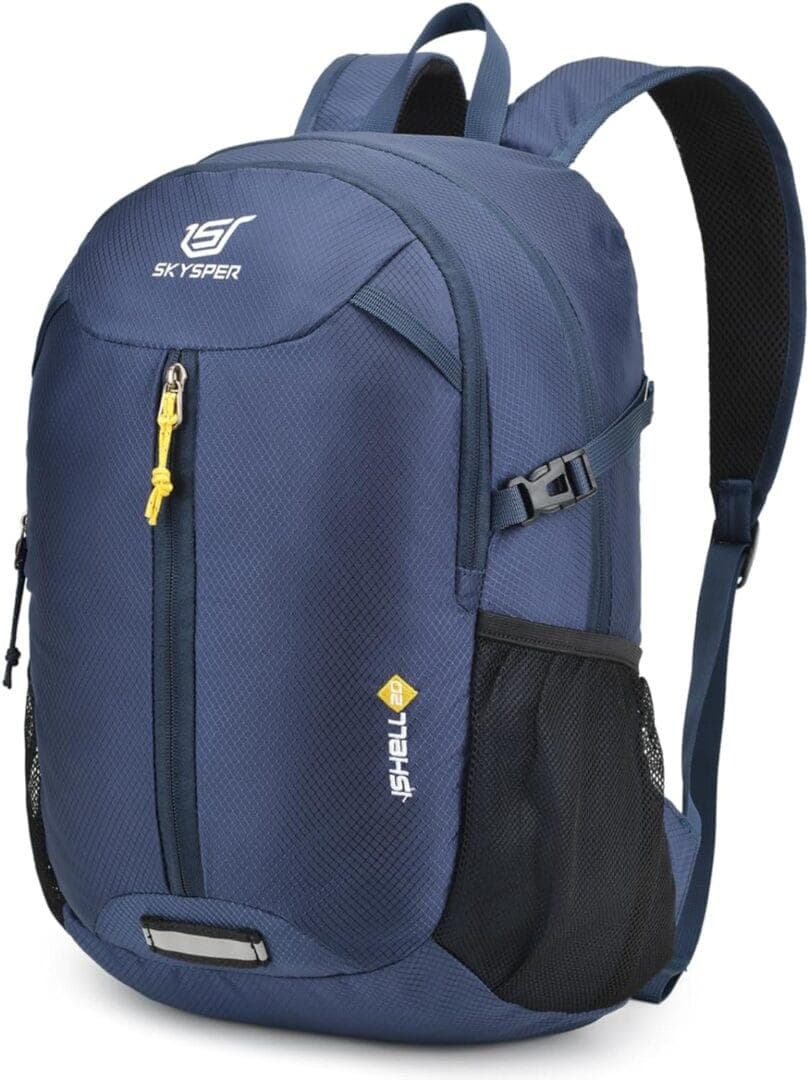
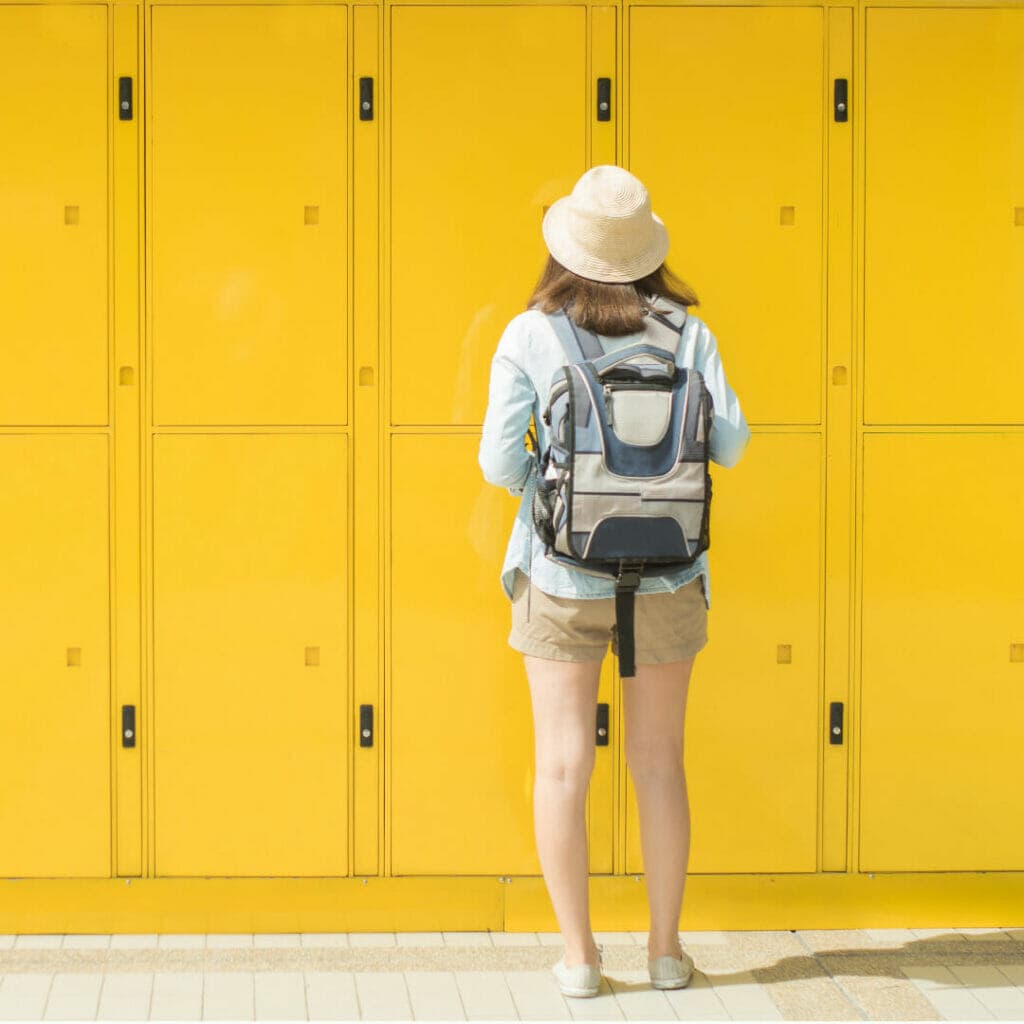
How to Choose the Perfect Travel Backpack
Your backpack isn't just a bag; it's your mobile home, your safety net, and your companion through thick and thin. Choosing the right one is paramount.
Navigating Airline Carry-on Limits
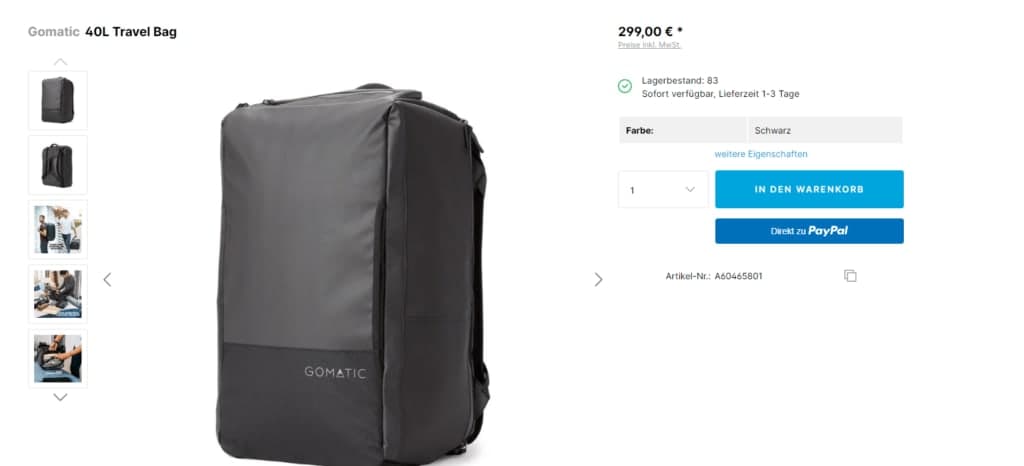
This is often the first hurdle. Most airlines, especially budget carriers, enforce strict dimensions and weight limits for carry-on luggage. While there's no universal standard, a good rule of thumb is to aim for a backpack that's around 40-50 litres. This capacity often strikes the sweet spot between holding enough for a multi-day trip and fitting into overhead bins. Always, always check your specific airline's requirements before you fly. Common dimensions are around 55 x 35 x 20 cm (22 x 14 x 9 inches). Remember, a backpack that looks slim when empty can bulge considerably when packed, so consider its packed dimensions.
Comfort: Your Body Will Thank You
Even the lightest pack feels like a tonne after a long day of exploring if it's not comfortable. Here's what to look for:
- Suspension System: Padded shoulder straps are non-negotiable. A robust, adjustable hip belt is crucial for distributing weight from your shoulders to your hips, making the pack feel significantly lighter.
- Back Panel: Look for a breathable back panel with good ventilation to prevent sweat build-up. Adjustable torso length is a game-changer, allowing you to fine-tune the fit to your body, regardless of your height.
- Load Lifter Straps: These small straps connect the top of the shoulder straps to the top of the pack, allowing you to pull the pack closer to your body and prevent it from pulling backward.
Essential Backpack Features
Beyond comfort and capacity, certain features make life on the road infinitely easier:
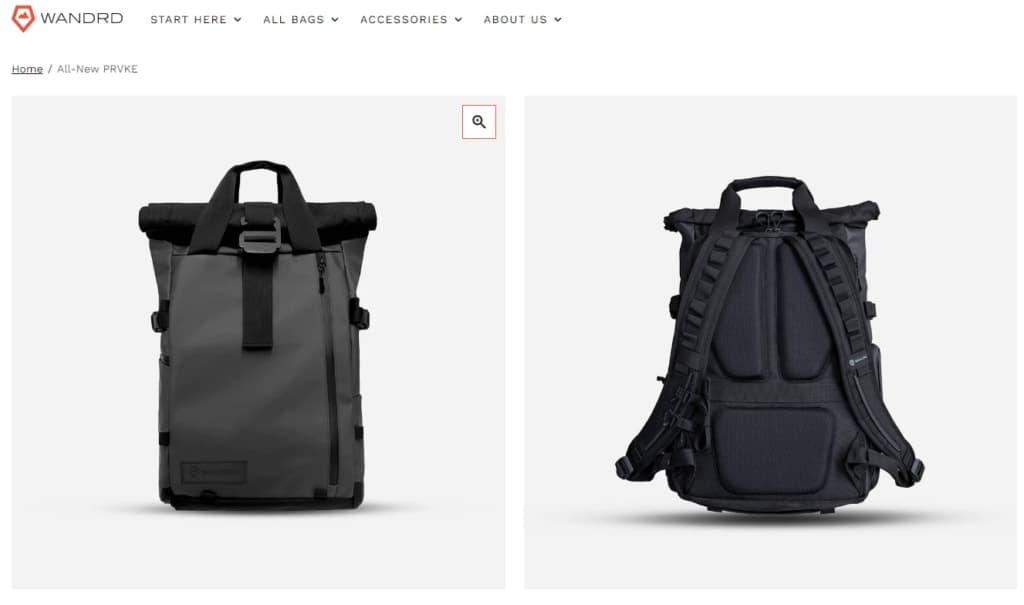
- Clamshell Opening: Unlike traditional top-loaders, a clamshell (or panel-loading) design unzips fully, like a suitcase. This allows easy access to all your belongings without rummaging and makes packing a breeze.
- Lockable Zippers: Essential for security. Ensure the zippers on the main compartments can be secured with a padlock.
- Water Resistance: Look for durable, water-resistant fabrics or an integrated rain cover to protect your valuables from unexpected downpours.
- Laptop Sleeve: A padded, easily accessible laptop compartment is a must for digital nomads or anyone traveling with a computer.
- Compression Straps: These external straps help cinch down your pack, keeping contents snug and potentially reducing its overall dimensions to comply with carry-on rules.
- External Pockets: Handy for water bottles, travel documents, or quick-grab items.
Prioritize comfort and airline compliance, and your backpack will be less of a burden and more of a trusty travel partner.
Travel Photography & Drones: Capturing the Moment
In an age where every moment is shareable, capturing stunning photos and videos of your travels is more accessible than ever. But what gear makes the cut?
Mirrorless Cameras vs. Phones
- Smartphones (e.g., iPhone, Google Pixel, Samsung Galaxy):
- Pros: Incredible convenience (always with you), advanced computational photography (AI processing), excellent for social media, increasingly good sensors.
- Cons: Limited optical zoom, smaller sensors struggle in low light, less manual control, fixed lenses. Great for quick snaps and sharing.
- Mirrorless Cameras (e.g., Sony Alpha, Fujifilm X-T, Canon EOS R):
- Pros: Superior image quality (larger sensors), interchangeable lenses for creative flexibility, excellent low-light performance, robust manual controls, better dynamic range.
- Cons: Bulkier, more expensive (camera and lenses), steeper learning curve. Ideal for photography enthusiasts serious about image quality.
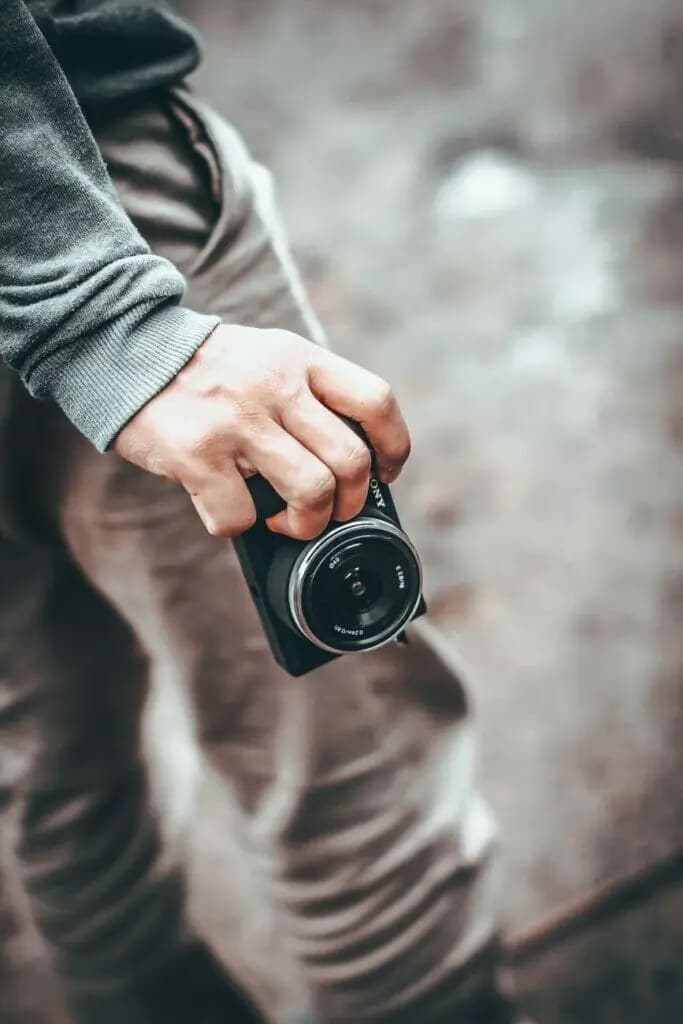
Our Recommendation: For most travelers, a hybrid approach works best. Your smartphone for everyday moments, quick shares, and video calls; a compact mirrorless camera with a versatile zoom lens (like a 24-70mm equivalent) for dedicated photo walks and capturing those truly breathtaking vistas.
Navigating European Drone Laws
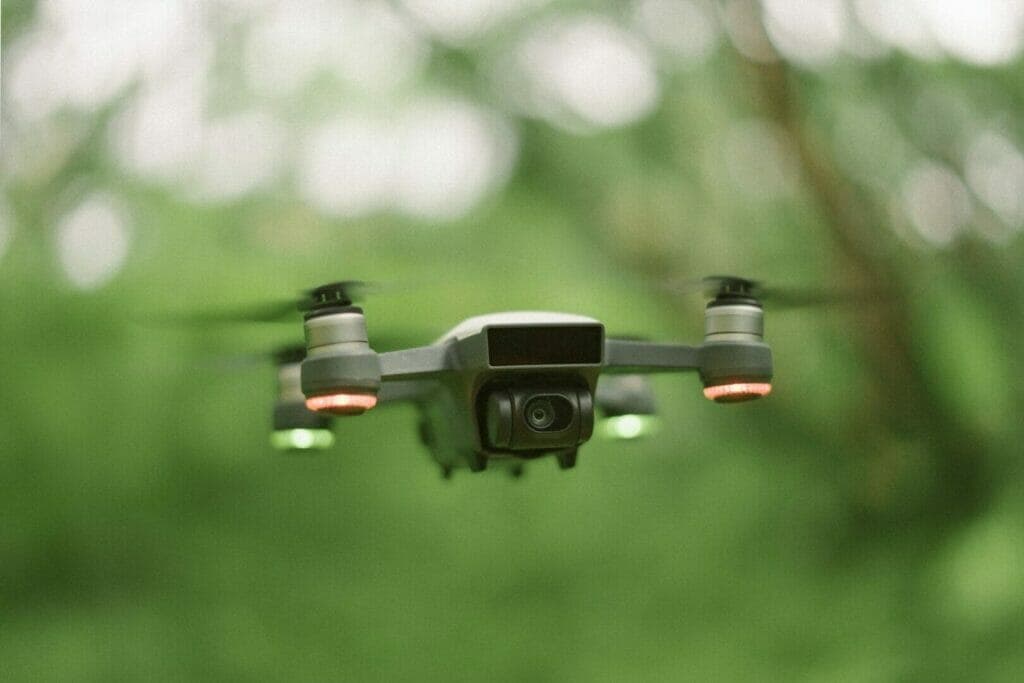
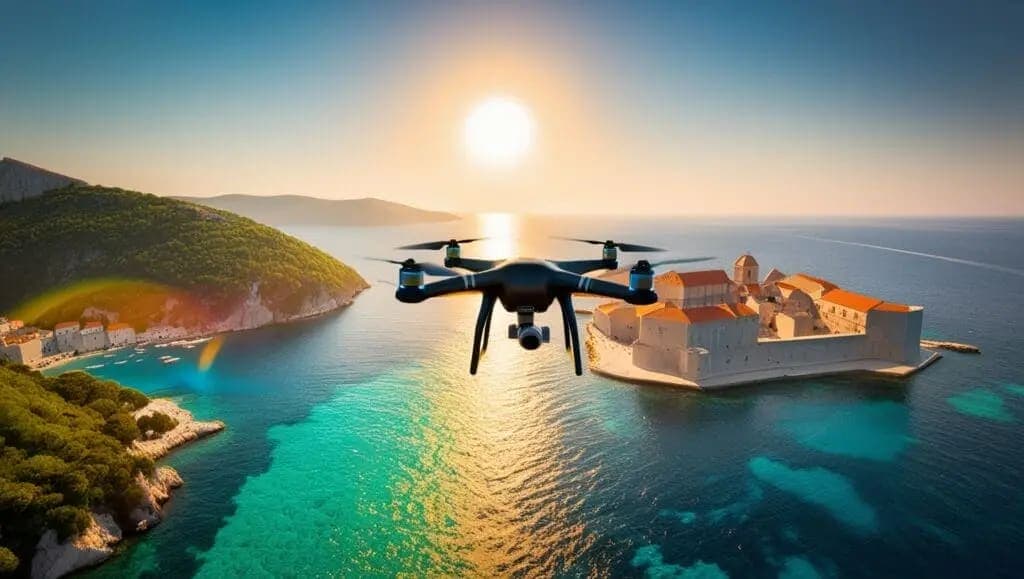
Drones offer unparalleled aerial perspectives, but operating them in Europe requires strict adherence to regulations. Since 2021, the European Union Aviation Safety Agency (EASA) has harmonized drone laws across its member states.
- Operator Registration: If your drone has a camera or weighs over 250g, you must register as a drone operator in your country of residence (if it's an EU/EASA member state) or the first EU country you operate in. Your operator ID must be displayed on the drone.
- Drone Categories: Most hobbyists fall into the 'Open' category, which has subcategories (A1, A2, A3) based on drone weight and proximity to people.
- A1: Fly over people (but not assemblies of people) with very light drones (<250g).
- A2: Fly close to people (but not over them) with slightly heavier drones (<4kg). Requires an additional theoretical exam.
- A3: Fly far from people and not over them, for drones up to 25kg.
- General Rules:
- Fly no higher than 120 meters (400 feet) above the ground.
- Maintain visual line of sight (VLOS) with your drone.
- Respect privacy. Do not photograph identifiable individuals without consent.
- Never fly near airports, military zones, or other restricted areas.
- Check for local restrictions within countries (e.g., national parks, specific cities, private property). Apps like "DroneAssist" or local aviation authority websites are invaluable resources.
For travel, compact drones like the DJI Mavic Mini or Air series are highly recommended due to their portability and compliance with lighter-weight categories. Always do your homework before you fly!
Essential Tech & Connectivity
In today's world, staying connected and powered up is non-negotiable. Smart tech choices can save you from digital detoxes you didn't sign up for.
eSIMs vs. Physical SIMs: Staying Connected
- eSIMs (Embedded SIMs):
- Pros: Instant activation, no physical card to swap or lose, multiple profiles (e.g., home plan + travel plan), widely supported by newer smartphones. Seamlessly switch between plans. Services like Airalo or Nomad offer global data packages.
- Cons: Not all phones support eSIM technology. Requires a compatible device.
- Physical SIMs:
- Pros: Universally compatible with all unlocked phones, often cheaper for local plans if you're staying in one country for an extended period.
- Cons: Fumbling with tiny cards, risk of losing your home SIM, can be inconvenient to purchase upon arrival.
Our Recommendation: For most modern travelers, eSIMs are the undisputed champion of convenience. For older phones or budget-conscious long-term stays, a local physical SIM can still be a good option.
Portable Chargers (Power Banks)
The modern traveler's best friend. Your phone, camera, and tablet will invariably run out of juice at the most inconvenient times.
- Capacity (mAh): 10,000 mAh is a good baseline, offering 2-3 full phone charges. For heavier users or multiple devices, a 20,000 mAh power bank provides ample power.
- Power Delivery (PD): Look for power banks with USB-C PD for rapid charging of modern smartphones, tablets, and even some laptops.
- Airline Limits: Most airlines restrict power banks to carry-on luggage and typically limit them to 100 Wh (watt-hours). Don't worry, most common power banks (even 20,000 mAh) are well within this limit.
Gimbals: Smooth Operator
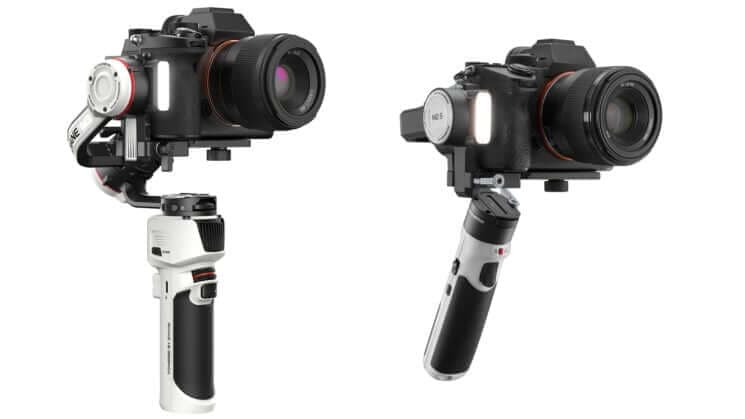
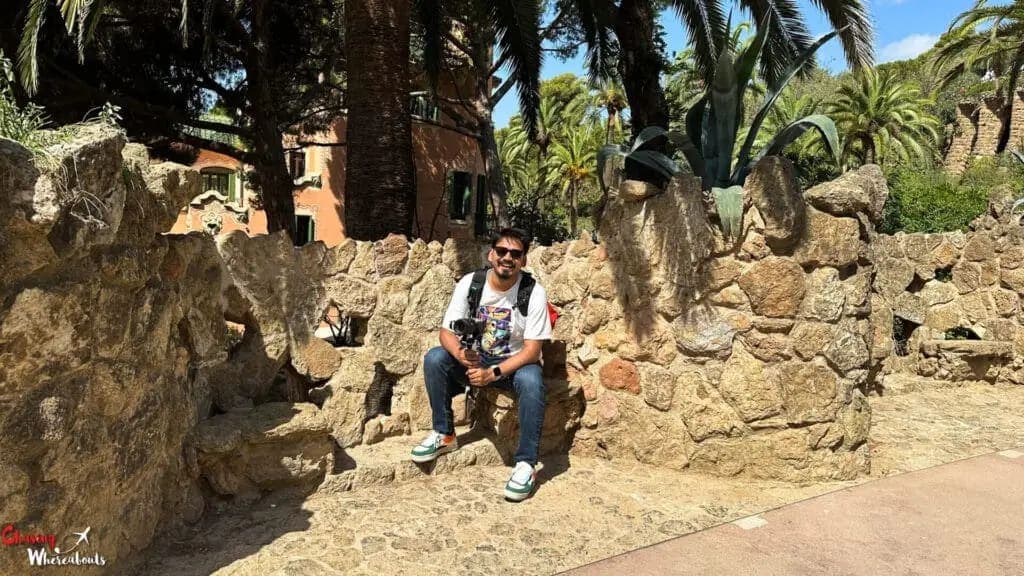
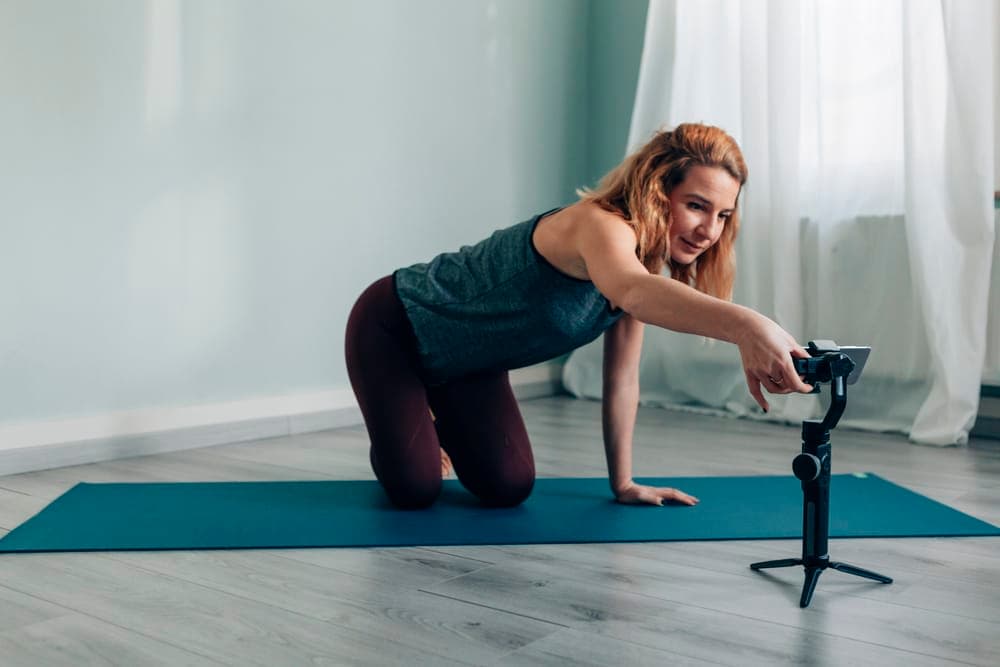
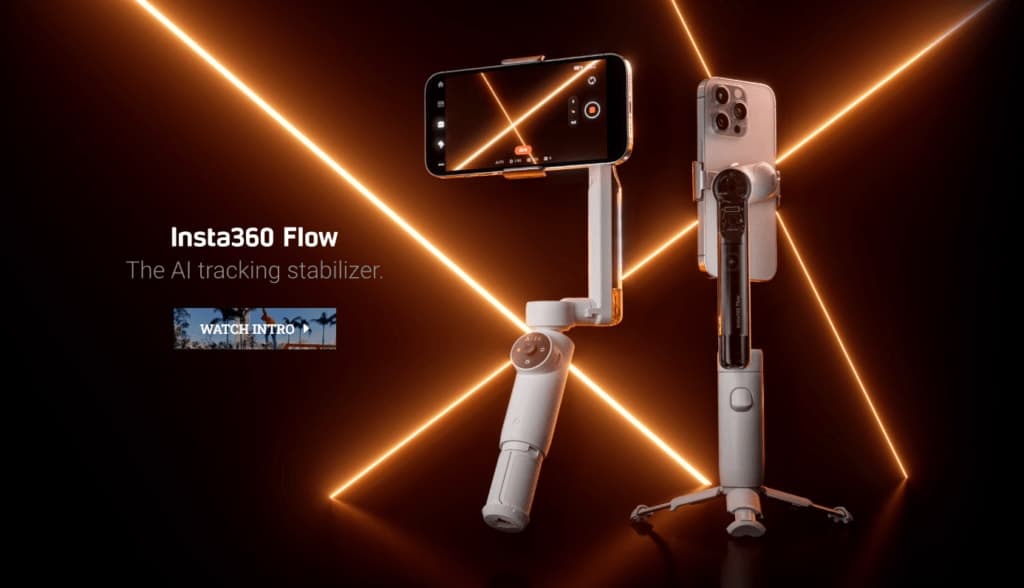
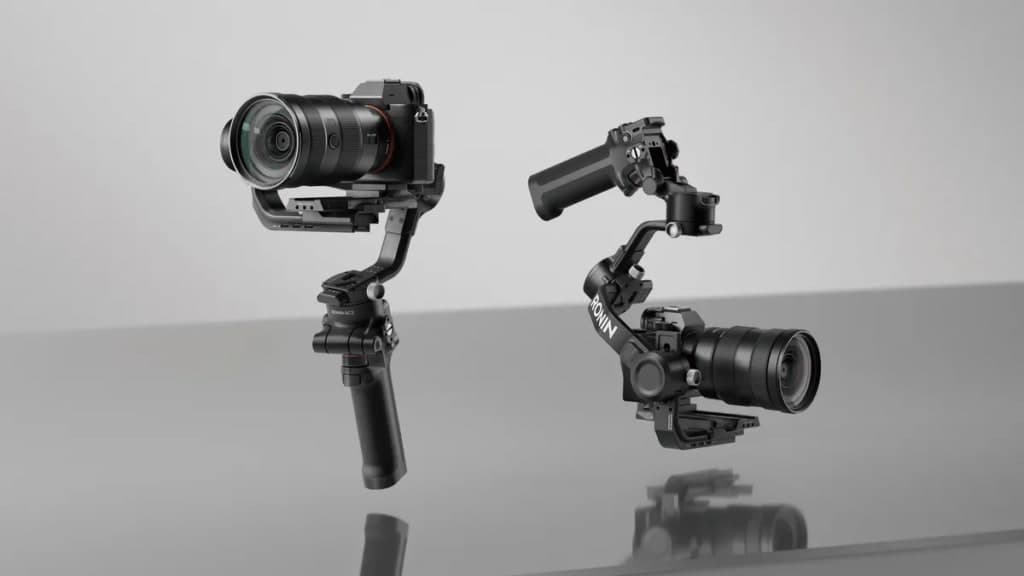
If you're serious about video, a gimbal is a game-changer. These motorized stabilizers eliminate shaky footage, making your smartphone or action camera videos look incredibly professional and cinematic. Perfect for capturing fluid walking shots or smooth pans of stunning landscapes.
Other Connectivity & Power Essentials:
- Universal Travel Adapter: A non-negotiable. Look for one with multiple USB ports (USB-A and USB-C) so you can charge several devices simultaneously without needing extra wall chargers.
- Noise-Cancelling Headphones: A true luxury that quickly becomes an essential. Block out airplane engine hum, train chatter, or noisy hostel dorms for moments of peace and quiet.
- Multi-Port USB Wall Charger: Instead of carrying multiple bulky wall plugs, a compact charger with 3-4 USB ports (ideally a mix of A and C) can charge all your devices from a single outlet.
Travel Gear & Tech FAQ
Q: What's the one piece of gear you can't travel without?
A: Without a doubt, a smart, well-chosen carry-on travel backpack. It dictates your packing efficiency, your comfort on the go, and your entire experience navigating airports and public transport. Everything else, while valuable, flows from having your core belongings easily accessible and comfortable to carry.
Q: Is travel insurance for gear necessary?
A: Absolutely, especially if you're traveling with expensive cameras, laptops, drones, or other high-value tech. Standard travel insurance often includes some coverage for lost or stolen items, but always check the policy's limits and deductibles specifically for electronics. You might need a specialized add-on to fully cover high-end gear. It’s better to be safe than sorry!
Q: How do I pack smart to maximize space and minimize wrinkles?
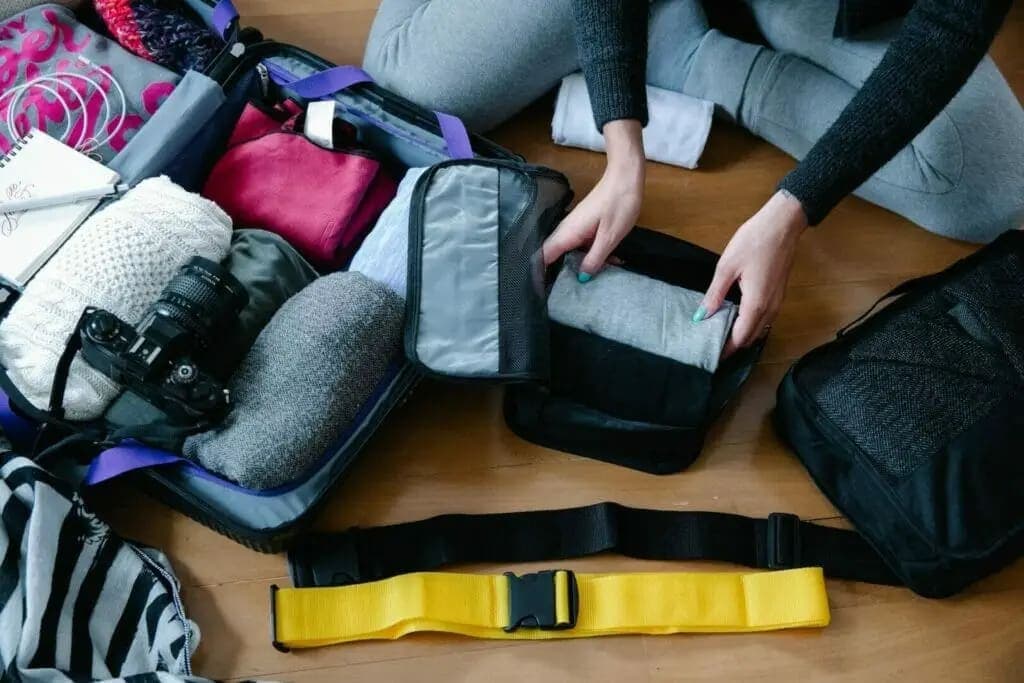
A: Packing cubes are your new best friend! They compartmentalize your clothes, compress air, and make finding items a breeze. Rolling clothes can also save space and reduce wrinkles. Always wear your bulkiest items (like hiking boots or a heavy jacket) on travel days. And remember, a well-curated packing list is key to avoiding overpacking.
Q: What about gear security while traveling?
A: Invest in a backpack with lockable zippers and consider a small TSA-approved padlock. Use an RFID-blocking wallet for your cards and passport. Avoid flashing expensive tech in crowded areas. When staying in hotels, utilize the safe for valuables. For day trips, consider an anti-theft daypack with slash-proof material and hidden zippers. Discretion is often the best defense.
Q: Should I bring a laptop or just a tablet/phone?
A: This depends entirely on your travel style and needs. If you work remotely, edit photos/videos extensively, or require a full keyboard, a lightweight laptop is essential. For casual browsing, emails, media consumption, and light journaling, a tablet (especially one with an attachable keyboard) or even just a smartphone might suffice, saving you weight and space.
Q: How do I keep all my gear charged when outlets are scarce or incompatible?
A: Your core charging arsenal should include a high-capacity power bank, a universal travel adapter (preferably with multiple USB ports), and a multi-port USB wall charger. This combination allows you to charge multiple devices simultaneously from a single outlet and keep your gadgets topped up on the go. Always carry a spare charging cable for crucial devices.






































![Best Gimbal for Sony ZV-E10 [2026 Tested & Reviewed]](/_next/image?url=https%3A%2F%2Fres.cloudinary.com%2Fdctadzzbl%2Fimage%2Fupload%2Ff_auto%2Cq_auto%2Cw_auto%2Cdpr_auto%2Cc_limit%2Cw_1200%2Fimage-23.png&w=3840&q=75)