The Ultimate Guide to Travel Planning & Logistics
Welcome, fellow adventurers, to Chasing Whereabouts! We believe that travel should be an exhilarating journey of discovery, not a stressful ordeal of unexpected costs and logistical nightmares. That's why we’re here to share our ultimate guide to travel planning and logistics. While spontaneous trips have their charm, we’ve learned firsthand that a well-planned trip doesn't just reduce stress – it can literally save you thousands of dollars, unlock unique experiences, and ensure you spend your precious time making memories, not fixing avoidable problems.
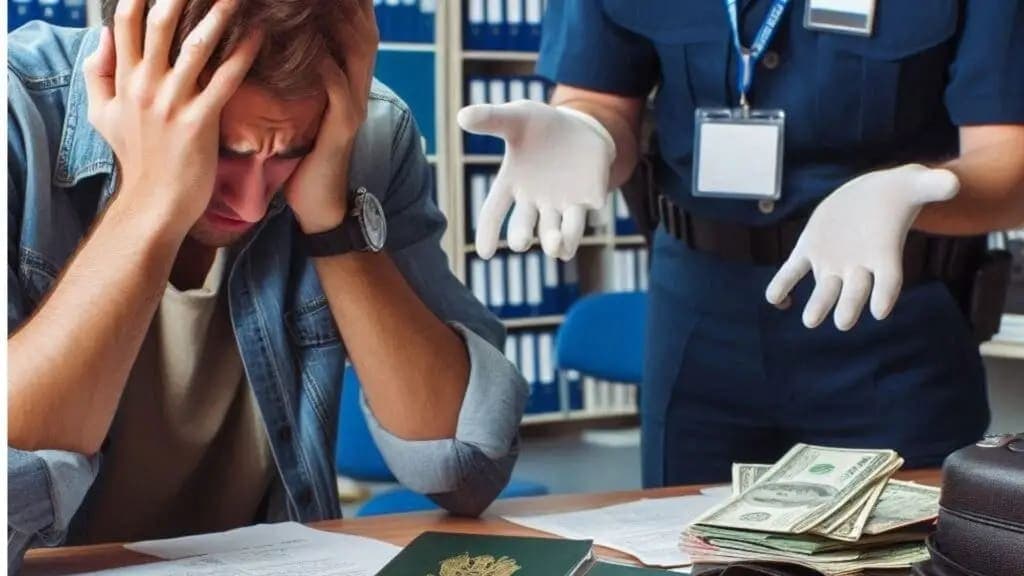
Think of it this way: spending a few extra hours on planning beforehand can prevent last-minute exorbitant flight prices, scam artists preying on unprepared tourists, or the headache of being denied entry due to an expired passport. It allows you to uncover hidden gems, stay within your budget, and truly immerse yourself in your destination. Planning is your superpower for maximizing every moment and every penny, transforming a good trip into an unforgettable one.
Budgeting & Saving Money: Your Financial Compass
Let's face it, one of the biggest deterrents to travel is the perceived cost. But with the right strategies, you can explore the world without breaking the bank.
Finding Those Elusive Cheap Flights
The biggest chunk of your travel budget often goes to flights, but there are countless ways to slash these costs:
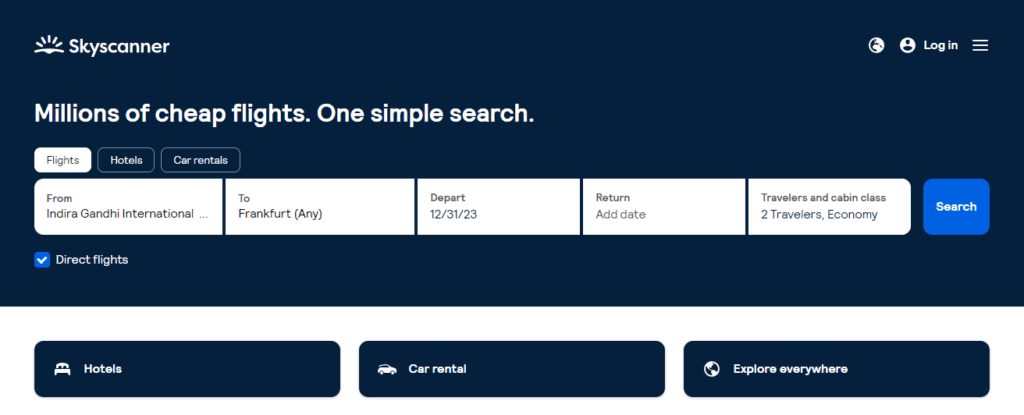
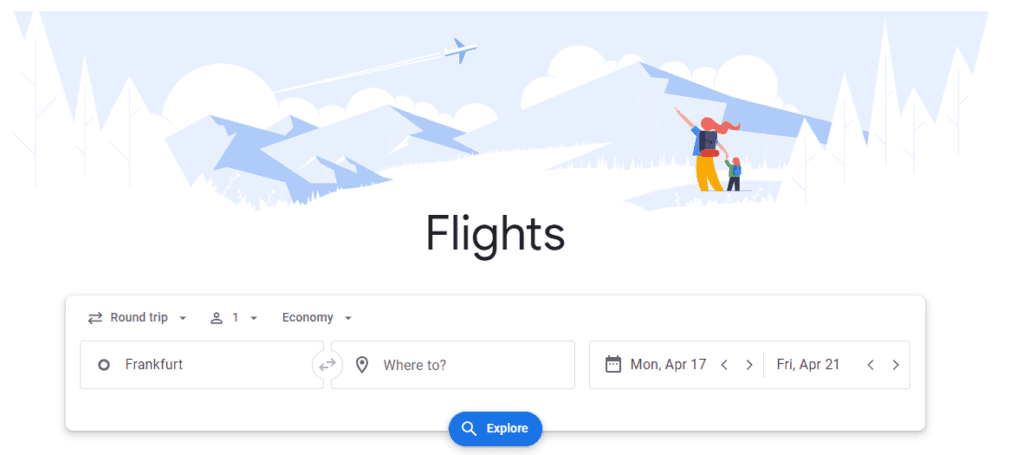
- Be Flexible: This is our golden rule. If your dates are flexible, you can often save hundreds. Use tools like Google Flights' "explore" map or Skyscanner's "cheapest month" feature to find the best deals. Flying on weekdays (Tuesdays-Thursdays) is usually cheaper.
- Fly Off-Season/Shoulder Season: Avoid peak tourist times. For many European destinations, traveling in late spring (April/May) or early fall (September/October) offers pleasant weather, fewer crowds, and lower prices than the summer. Winter can also be incredibly charming and budget-friendly, depending on your destination.
- Use Aggregators & Set Alerts: Start your search with powerful aggregators like Google Flights, Skyscanner, Kayak, and Momondo. These sites scan countless airlines and OTAs (Online Travel Agencies) to show you the best options. Always set up price alerts for your desired routes and dates – you’ll get notified when prices drop.
- Consider Nearby Airports: Don't just check your main airport. Sometimes flying out of a slightly further airport, or into a smaller, secondary airport at your destination, can offer significant savings, even factoring in ground transport.
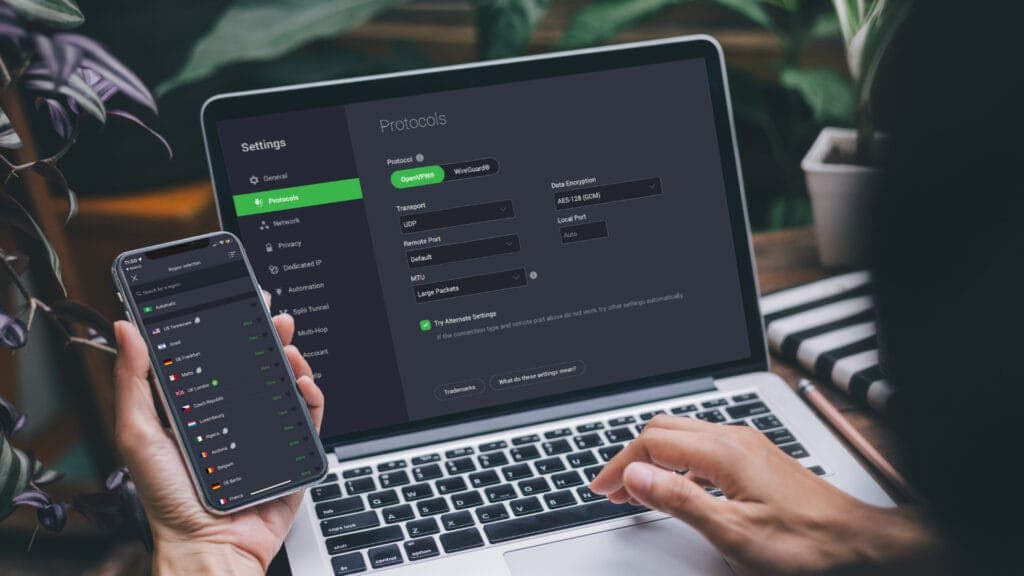
- Go Incognito: Some websites use cookies to track your searches and may increase prices if they see you repeatedly looking at the same flight. Clear your browser history or use incognito/private browsing mode.
Smart Accommodation Choices
Where you sleep significantly impacts your budget and experience:
- Beyond Hotels: Explore alternatives like hostels (many offer private rooms!), guesthouses, Airbnb (especially for longer stays), or even house-sitting (TrustedHousesitters is a great resource).
- Book in Advance (Usually): While last-minute deals exist, booking your accommodation several months ahead, particularly for popular destinations or peak season, generally secures better prices and more options.
- Location, Location, Location: Staying slightly outside the main tourist hub can be cheaper and offer a more authentic experience, provided you have good public transport links.
Savvy Spending on the Ground
Your daily spending can make or break your budget:
- Eat Smart: Dine where the locals eat! Avoid tourist-trap restaurants near major attractions. Explore local markets for fresh produce, grab street food, or pack picnics. Cooking a few meals if you have a kitchen can save a fortune.
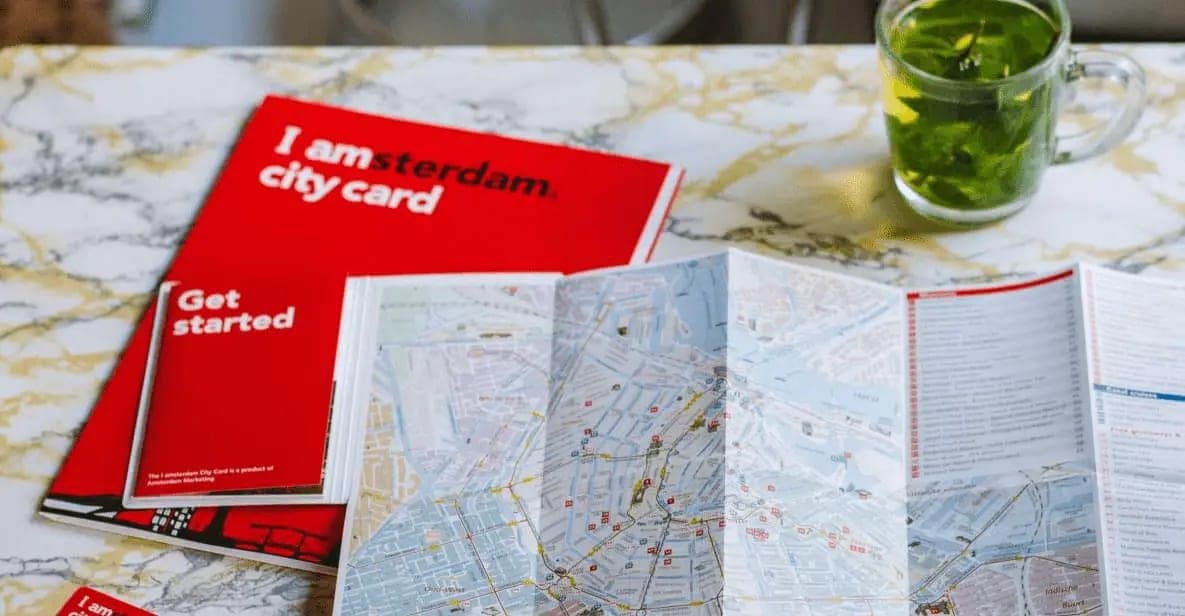
- Public Transport is Your Friend: Embrace buses, trains, and subways. They're often efficient, affordable, and give you a glimpse into local life. Research multi-day passes if you plan extensive travel within a city or region.
- Free Activities: Every destination has free attractions – parks, free walking tours, museums with free days/hours, scenic viewpoints, and simply wandering charming neighborhoods. Prioritize these!
Logistics: Visas & Passports – Your Gateway to the World
These might seem like dry details, but they are absolutely non-negotiable. Get these wrong, and your trip might end before it even begins.
Passport Power: Keep it Current and Safe
Your passport is your ultimate travel document. Treat it with reverence!
- The 6-Month Rule: Many countries require your passport to be valid for at least six months beyond your intended departure date. Don't get caught out – check the expiry date well in advance and renew if necessary.
- Copies, Copies, Copies: Before you leave, make physical and digital copies of your passport's main page. Email a copy to yourself, store it in cloud storage (like Google Drive or Dropbox), and keep a physical copy separate from your actual passport. This is invaluable if it gets lost or stolen.
- What to Do If You Lose Your Passport Abroad:
- Report it to Local Police: Get an official police report immediately. This is crucial for insurance claims and your embassy.
- Contact Your Embassy/Consulate: Find your country's nearest embassy or consulate. They are there to help their citizens in distress. They can issue an emergency travel document or a temporary passport.
- Gather Documents: You'll likely need your police report, proof of citizenship (your copies come in handy!), other ID, and passport-sized photos.
Visa Versatility: Do Your Research!
Visa requirements vary wildly by nationality and destination. Never assume!
- Research Early and Thoroughly: As soon as you decide on a destination, check the specific visa requirements for your nationality. Official government websites (your country's foreign affairs department, or the destination country's embassy website) are the most reliable sources.
- The Schengen Area (Europe): For many nationalities, the Schengen Agreement allows visa-free travel across 27 European countries for up to 90 days within any 180-day period. This means you can hop between France, Italy, Germany, etc., but the clock is ticking on your 90 days. Keep track of your entries and exits!
- ETIAS (European Travel Information and Authorisation System): Coming soon (currently slated for mid-2025), ETIAS will be a mandatory electronic travel authorization for visa-exempt non-EU citizens traveling to the Schengen Area. It's not a visa, but a pre-travel screening, similar to the US ESTA. We'll keep you updated on Chasing Whereabouts!
- Processing Times: Some visas can take weeks or even months to process. Factor this into your planning timeline. Don't leave it until the last minute.
- Specific Requirements: Be meticulous about application forms, invitation letters, proof of funds, onward tickets, and passport photo specifications. A single error can lead to delays or rejection.
Safety & Health: Prioritizing Your Well-being
Your physical and financial safety are paramount. A smart traveler is a safe traveler.
The Essential Shield: Travel Insurance
We cannot stress this enough: travel insurance is non-negotiable. If you can't afford travel insurance, you can't afford to travel.
- What it Covers: Comprehensive policies typically cover medical emergencies (hospitalization, emergency evacuation), trip cancellation/interruption (unexpected illness, natural disaster), lost or stolen luggage, and personal liability.
- Compare Policies: Don't just pick the cheapest. Read the fine print. Consider providers like World Nomads (popular with adventure travelers), SafetyWing (great for digital nomads), or local providers in your home country.
- Pre-Existing Conditions: Disclose any pre-existing medical conditions to ensure coverage.
- Activities: If you plan on adventurous activities (skiing, diving, bungee jumping), ensure your policy covers them.
Staying Healthy on the Road
Travel often means new environments and exposures. A little preparation goes a long way.
- Vaccinations: Consult your doctor or a travel clinic well before your trip (at least 6-8 weeks) to ensure you have all recommended vaccinations for your destinations.
- Basic First-Aid Kit: Pack essentials: pain relievers, band-aids, antiseptic wipes, allergy medication, any personal prescriptions (with copies of prescriptions), and stomach remedies.
- Hydration & Hygiene: Drink plenty of water, especially in hot climates or when flying. Carry hand sanitizer and use it frequently.
- Food & Water Safety: Be mindful of what you eat and drink. "Boil it, cook it, peel it, or forget it" is a good mantra for less developed regions.
Navigating Europe: How to Avoid Common Tourist Scams
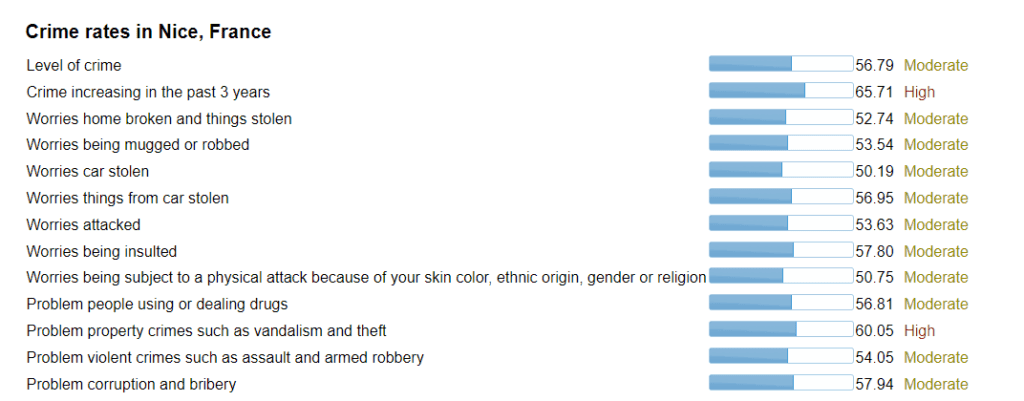
Europe is generally safe, but tourist scams are prevalent, especially in major cities. Awareness is your best defense:
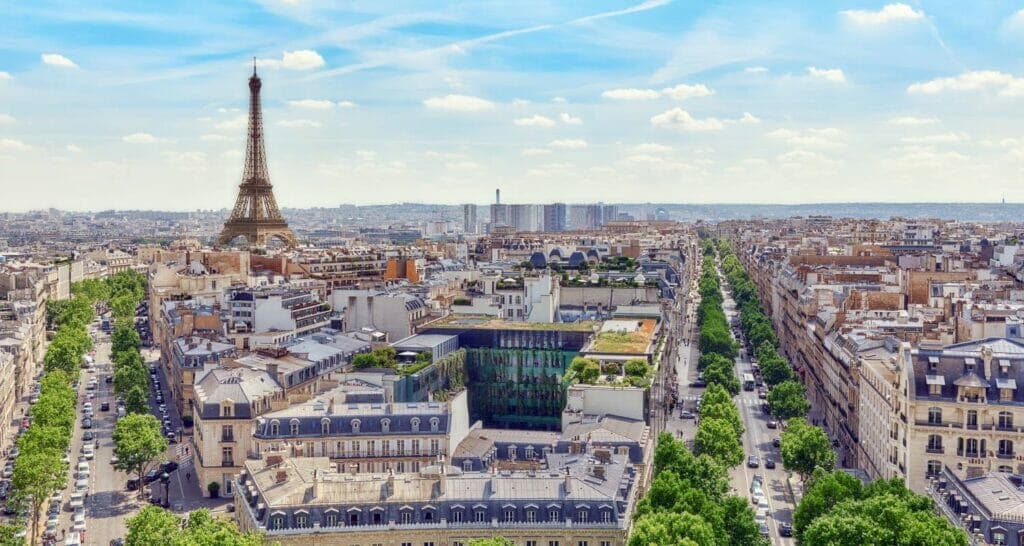
- Pickpockets: Common in crowded areas (train stations, busy markets, iconic landmarks like the Eiffel Tower or Trevi Fountain). Wear a crossbody bag, keep wallets in front pockets, and avoid putting phones in back pockets. Be wary of distractions – someone "accidentally" bumping into you, a sudden commotion, or someone asking for directions with a map spread wide.
- The Petition Scam: Someone approaches you with a clipboard asking you to sign a petition for a fake charity. While you're distracted, an accomplice picks your pocket or demands money for "signing." Just politely decline and keep walking.
- "Friendship" Bracelets/Rose Sellers: Someone tries to tie a "free" bracelet on your wrist or hand you a rose, then aggressively demands payment. Don't engage, pull your hand away, and walk quickly.
- ATM "Helpers": Someone offers to "help" you use an ATM, often with sleight of hand to steal your card or pin. Only use ATMs alone and shield your pin.
- Overpriced Taxis: Agree on a fare or ensure the meter is running correctly before getting in. Use reputable taxi stands or ride-sharing apps like Uber/Bolt where available.
- Be Aware: Always be mindful of your surroundings, especially in crowded tourist areas. Trust your gut feeling – if something feels off, it probably is.
FAQ Section: Your Quick Travel Planning Answers
Q: How far in advance should I book flights?
A: For international flights, we recommend 2-8 months out. Sweet spots often fall around 3-4 months. Domestic flights can often be booked 1-3 months in advance. However, this is not a hard rule; sometimes last-minute deals pop up, or very early bookings (9-12 months) are cheaper for peak seasons.
Q: What's the best way to carry money abroad?
A: A combination is ideal. Rely primarily on a credit card with no foreign transaction fees. Bring a debit card for ATM withdrawals (check your bank's international fees and inform them of your travel dates). Carry a small amount of local currency for small purchases or emergencies. Avoid carrying large sums of cash.
Q: Should I pack light or bring everything I might need?
A: ALWAYS pack light! Traveling with only a carry-on saves money (no checked bag fees), time (no waiting at baggage claim), and hassle. Master the art of the capsule wardrobe, use packing cubes, and remember that you can almost always buy necessities at your destination.
Q: How do I handle currency exchange?
A: The best exchange rates are usually found at ATMs. Avoid exchanging currency at airports or tourist kiosks, as their rates are notoriously poor. If you need cash upon arrival, withdraw a small amount from an airport ATM. Make sure your bank doesn't charge excessive international ATM fees.
Q: What about phone connectivity when I'm abroad?
A: You have a few options:
- Local SIM Card: Often the cheapest option. Buy one at the airport or a local phone store upon arrival.
- eSIM: Services like Airalo or Nomad allow you to purchase and install an electronic SIM card digitally, often before you even land. This is incredibly convenient.
- International Roaming Plan: Check with your home provider. While convenient, these can sometimes be more expensive than local options.


![Is Cannes Safe for Solo Female Travelers? [2026 Safety Guide]](/_next/image?url=https%3A%2F%2Fres.cloudinary.com%2Fdctadzzbl%2Fimage%2Fupload%2Ff_auto%2Cq_auto%2Cw_auto%2Cdpr_auto%2Cc_limit%2Cw_1200%2FCannes-France.jpg&w=3840&q=75)