
Disclosure: Chasing Whereabouts is reader-supported. This guide contains affiliate links to partners like Tiqets, GetYourGuide and Viator. If you make a purchase through these links, we may earn a small commission at no extra cost to you. This helps us continue providing free, first-hand travel guides. Thank you for your support!
🇪🇺 This guide is part of our comprehensive Europe Travel Guide.
Traveling to Europe is a dream come true for many, but it’s important to stay alert and avoid common tourist scams. Drawing from my personal experiences, especially during my travels across Germany and France, here are scams you should watch out for and how to handle them.
1. The Friendship Bracelet Ruse

While wandering through Paris, I once encountered a vendor who swiftly tied a bracelet on my wrist and demanded payment. Politely refuse anyone offering 'free' items or demonstrations. Scammers often use this tactic in tourist hotspots like Montmartre or the Spanish Steps in Rome.
Advertisement
2. The Currency Switch Trick (My Experience in Frankfurt)
During my first visit to Frankfurt Bahnhof, I handed a taxi driver a €50 note, only for him to claim I had given €10. Since then, I always announce the amount aloud and double-check my change.
3. The Faux Friend
Solo travelers should beware of overly friendly locals who strike up a conversation only to lead you into a costly trap.
These newfound ‘friends’ might invite you for drinks and then saddle you with an inflated bill. Suggest a different place you are familiar with or politely decline any unexpected social invitations to avoid travel scams.
4. The Train Seat Swindle
If you're navigating the railways or at a train station, watch out for fake attendants who rush over to help you find your seat or manage your luggage.
Their real intention might be to take your belongings or demand an outrageous tip for their unsolicited services. Always verify the authenticity of railway staff before accepting help.
Advertisement
5. The Hotel Room Inspector Scam
In some mid-range European hotels, individuals posing as “room inspectors” may attempt to access your room. While one distracts you with questions, another might quietly swipe your valuables. Always confirm any room inspections with the hotel’s front desk beforehand to prevent any tourist scams.
6. Petition Scams for Fake Causes
Watch out for individuals thrusting seemingly official petitions at you, often at outdoor cafes or busy streets; this is another form of travel scam.
These are usually fronts for a scam, where signing up leads to a demand for donations while your attention is diverted enough for their accomplices to steal your valuables. Stay vigilant and politely refuse.
In Barcelona, I encountered people waving petitions asking for signatures and donations. It’s a common distraction for pickpockets. Simply walk away.
7. Fake Police Officers
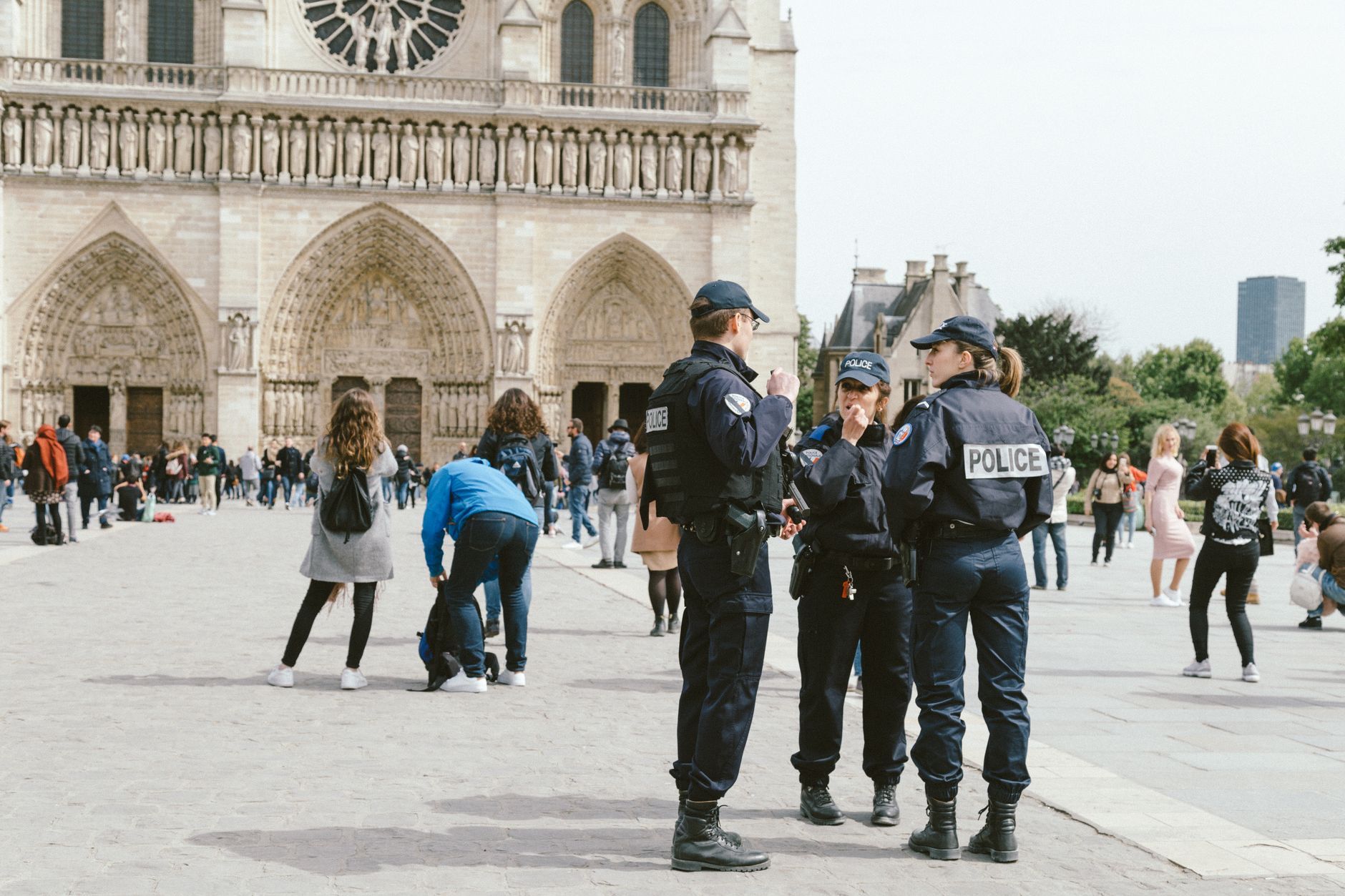
Be cautious of people claiming to be “Tourist Police” and asking to inspect your belongings for contraband. These impostors may use the distraction to steal from you. Always ask to see official identification, and never hand over your belongings without verifying authenticity.
Advertisement
A couple I met in Budapest encountered scammers posing as police. Always ask for official identification and avoid handing over your belongings.
8. The Broken Camera Con
Travelers are often requested to take a photo with someone else’s device, a trick sometimes used by pickpocketing thieves.
Beware of this setup, where the scammer drops the device intentionally and demands compensation for damages. Or worse, while you’re distracted, an accomplice might pickpocket you. It's safer to decline such requests from strangers.
9. The Slick Salesman Scam
Imagine a scenario where an eloquent salesman approaches you, flaunting luxurious items from a car trunk and offering you a seemingly valuable “gift.”
Soon after, they’ll claim to have forgotten their wallet and request cash. Remember, if something seems too good to be true, it probably is. Steer clear of these faux generous offers.
Advertisement
10. The Distraction Technique
The distraction scam is rampant in crowded places, making it a common tourist scam. You might encounter individuals creating a scene or asking for help as a cover for theft.
From staged arguments to sudden collapses, these distractions are designed to draw your attention away from your valuables. Keep your wits about you and secure your belongings in such situations to avoid pickpocketing.
11. The Ticket Scam at Transit Hubs
Be wary of ‘helpful’ locals who offer to help you purchase tickets near ticket kiosks at bus terminals and railway stations. These scammers might sell you invalid tickets or snatch your cash in the process. Always use official counters and kiosks to avoid scammers.
12. The Fake Charity Collector
In bustling tourist spots, you might be approached by people claiming to represent a charity and asking for donations, a common travel scam. They may show you fake credentials or even forged documents to appear legitimate. This scam preys on your goodwill and often leaves you poorer without any assurance that your money will reach those in need. Research and donate to verified charities through official channels rather than handing over money on the street.
Stay destination safety index with Chasing Whereabouts
Europe is a wonderful destination with much to offer, but being aware of these common scams can help ensure that your trip is enjoyable and trouble-free. For more safety tips, be sure to check out our Safety Tips section under Travel Tips on Chasing Whereabouts.
Advertisement
By staying informed and vigilant, you can focus on making unforgettable memories during your European adventure.
FAQ's: Tourist Scams in Europe
Q: What are some common tourist scams in Europe travelers should be aware of?
A: Travelers should be cautious of scams targeting tourists in Europe such as the friendship bracelet scam, fake petitions, pickpocketing, fake police officers, and taxi scams.
Q: How can I avoid falling victim to pickpockets in European cities?
A: To avoid being pickpocketed in European cities, consider using a money belt, keeping your passport and other valuables in a secure location, and staying vigilant in crowded tourist areas.
Q: Are ATM scams prevalent in European countries?
A: Yes, ATM scams can be common in Europe. Be cautious of skimming devices, always cover your PIN when entering it, and use ATMs in busy, well-lit areas.
Q: What should I do if I encounter a scam or theft while traveling in Europe?
A: If you fall victim to a scam or theft in Europe, report the incident to the local police station, contact your embassy for assistance, and be cautious of demands for payment from fake authorities.
Q: How can travelers avoid taxi scams in European cities?
A: To avoid falling for taxi scams in European cities, always use licensed taxis, agree on the fare before the journey starts, and be cautious of drivers who take long routes to inflate the fare.
Q: What are some essential travel tips for avoiding scams in Europe?
A: Some essential travel tips for avoiding scams in Europe include staying alert in busy tourist areas, not accepting items from strangers, never leaving your belongings unattended, and being cautious of anyone asking you to sign or pay for something unexpectedly.
Q: How can travelers prepare for their trip to Europe to minimize the risk of falling for scams?
A: Travelers can prepare for their trip by researching common scams targeting tourists in Europe, understanding how to use ticket machines, familiarizing themselves with local currency, and keeping a low profile to avoid becoming a target for thieves.
Where to Buy the Frankfurt Pass
Book the Frankfurt city pass through Tiqets — instant confirmation, skip the queues:
- Book on Tiqets → — Best price, instant e-ticket
- Read my full Frankfurt Pass review → — Is it worth it for your trip?
Save More
Save 5% on activities
Use code CHASINGWHEREABOUTS5 in the GetYourGuide app.
Book this exact experience in GetYourGuide appGet Travel Tips in Your Inbox
Join 5,000+ travelers. Get exclusive itineraries, honest reviews, and budget hacks once a week.
No spam. Only high-quality travel advice. Unsubscribe anytime.