

Disclosure: Chasing Whereabouts is reader-supported. This guide contains affiliate links to partners like Tiqets, GetYourGuide, Viator and Headout. If you make a purchase through these links, we may earn a small commission at no extra cost to you. This helps us continue providing free, first-hand travel guides. Thank you for your support!
🇪🇺 This guide is part of our comprehensive Europe Travel Guide.
Planning a trip to Paris in 2026? Timing is everything!
Whether you're seeking blooming gardens in the spring, bustling summer festivals, colorful fall foliage, or cozy winter strolls along the Seine, choosing the best time to visit Paris can elevate your entire experience.
In this comprehensive guide, we’ll explore the best time to visit Paris based on weather, events, prices, and personal travel style. If you're wondering about times of the year that offer fewer crowds, good weather, and great local charm, this is the guide you need—plus we’ve included a free sample itinerary to help you plan.
Advertisement
📅 Essential Information at a Glance
| Category | Details |
|---|---|
| Best Time to Visit | April–May (Spring) & September–October (Fall) |
| Cheapest Time to Visit | January–February (Low Season) |
| Peak Tourist Season | June–August (Summer, school holidays, long lines) |
| Major Events in 2026 | Bastille Day (July 14), Paris Fashion Week (Feb, Sept), Tour de France (July) |
| Weather Highlights | Spring/Fall: 60s°F (mild), Summer: 70s–80s°F (warm), Winter: 40s–50s°F (chilly) |
| Ideal Visit Length | 3–5 days for highlights, 7+ days for full experience |
| Top Areas to Stay | Le Marais, Saint-Germain, Latin Quarter, Eiffel Tower area |
| Recommended Itinerary | Free 3-day guide: Eiffel Tower, Louvre, Montmartre, Seine cruise & more |
Why Paris Is Always a Good Idea: What Makes It Special?
Paris, often called the (../../blog/paris-for-couples/), is not only a hub for art, fashion, and history but also a city that evolves with the seasons. From walks along the Seine to café-hopping in Montmartre, the experience of a trip to Paris is like no other. The top attractions—from the Eiffel Tower to the Louvre—become even more magical when complemented by the perfect weather and ambiance.
The charm of the Parisian lifestyle—leisurely lunches, riverside picnics, and timeless architecture—makes any time to visit worthwhile. Yet, some times of the year offer better experiences based on what you’re looking for: festivals, weather, fewer crowds, or shorter lines at attractions.
What’s the Best Time to Visit Paris Overall?
The best time to go depends on your goals. Want to visit Paris if you want the best blend of weather and fewer tourists? Opt for the shoulder season—April to June or September to early November.
-
Spring is Paris in bloom—literally and figuratively. Think gardens, street-side cafés, and romantic walks.
-
Fall and spring are the best times to visit Paris for good weather, manageable crowds, and lower hotel prices.
Advertisement
-
Summer, while vibrant, is also the peak tourist time—so expect crowds and high room rates.
So, for most travelers, one of the best times to visit Paris is spring or early fall.
Is Spring the Best Season in Paris for First-Time Visitors?
Spring in Paris—especially April in Paris—is the stuff of postcards. Trees bloom, the weather warms to the upper 60s, and locals emerge after winter, infusing life back into the streets.
You’ll enjoy:
-
Walks along the Seine with flowers in full bloom
Advertisement
-
Moderate crowds and shorter lines
-
Seasonal events like the Paris Marathon
March to May is a great time to visit Paris, especially if you’re looking for a balance of beautiful weather and accessibility to places to visit.
Should You Visit Paris in Summer (June to August)?
Summer (June to August) is a popular time to visit Paris, and for good reason:
Advertisement
-
Events like Bastille Day, Paris Jazz Festival, and Paris Plages
-
Long daylight hours to enjoy top attractions
-
Cruises and boat rides on the Seine
But it’s also the peak tourist season. You should be prepared for crowds and possibly higher room rates. The city heat can be intense, with occasional afternoon rain showers.
That said, if you don’t mind the buzz, summertime is thrilling. Just make sure to book early and stay hydrated!
Advertisement
Is Fall (September to October) the Ideal Time to Go to Paris?
If you’re after a quieter, more intimate (../../blog/paris-and-Switzerland-itinerary/), September to October is your golden window.
Why you should visit in the fall:
-
Weather cools to the lower 60s and low 50s
-
Fewer tourists, more locals—authentic Parisian vibe
-
The city turns golden with fall foliage—perfect for photos
-
Great events: Nuit Blanche, Montmartre Wine Harvest Festival
The last week of September is especially enchanting, making this your favorite time for a romantic escape or a cultural deep dive.
Why Winter Might Be a Hidden Gem for a Trip to Paris
Winter in Paris (November to February) is chilly, yes—but it's magical. If you're planning a festive trip, our Paris for Christmas guide rounds up the best of the season.
Expect:
-
Christmas markets, New Year’s Eve fireworks, and cozy cafés
-
Paris Fashion Week and other winter events
-
Discounts on hotel prices and shorter lines at attractions
Temperatures hover in the 50-degree days range, sometimes dropping to the low 50s or lower. Be ready for chilly weather, but also quieter museums, romantic cityscapes, and unbeatable holiday vibes.
What Are the Most Popular Times of the Year to Visit Paris?
While the best time to visit Paris varies per traveler, the most popular times are:
-
June to August: Families, students, and festival-goers flood the city.
-
April and May: Spring blossoms and art lovers arrive.
-
Christmas and New Year’s: Holiday lights and seasonal magic bring crowds.
If you're traveling during these periods, expect crowded time, high room rates, and limited availability at restaurants unless you book ahead.
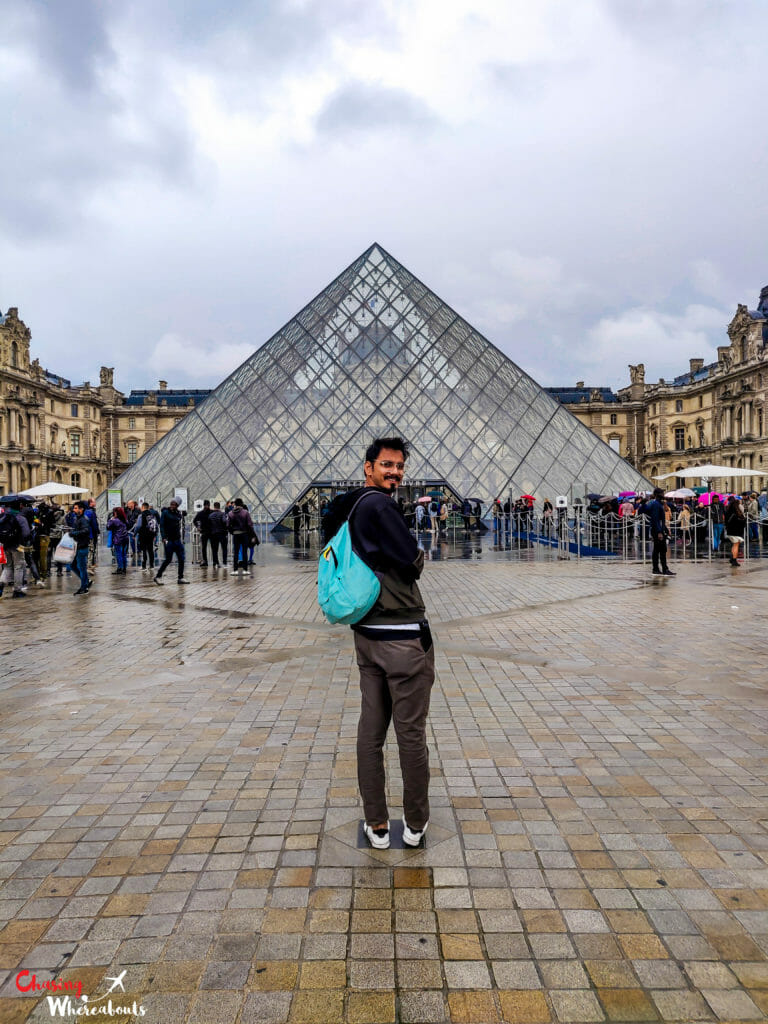
How Does Weather in Paris Affect Your Trip Experience?
The weather in Paris shapes your daily plans and wardrobe:
-
Spring: Mild (upper 50s to 60s), ideal for outdoor exploration
-
Summer: Warm (upper 70s), but with afternoon rain showers
-
Fall: Cool (low 60s to 50s), ideal for walking tours
-
Winter: Cold (mid-30s to mid-40s), best for museums and indoor attractions
The rainiest months are October and May, so pack accordingly. For a great time to visit Paris, aim for late April or early October—mild weather and fewer showers.
What Events and Festivals Should You Plan Around?
Here’s a month-by-month breakdown of events to consider:
-
April: Paris Marathon, French Open tennis in late May
-
July: Tour de France finale, Bastille Day
-
September: Paris Fashion Week, Montmartre Wine Festival
-
October: Nuit Blanche
-
December: New Year’s celebrations, Christmas markets
-
January/February: Winter Paris Fashion Week
Time your visit with these for a culturally rich experience—or avoid them for more peace and fewer crowds.
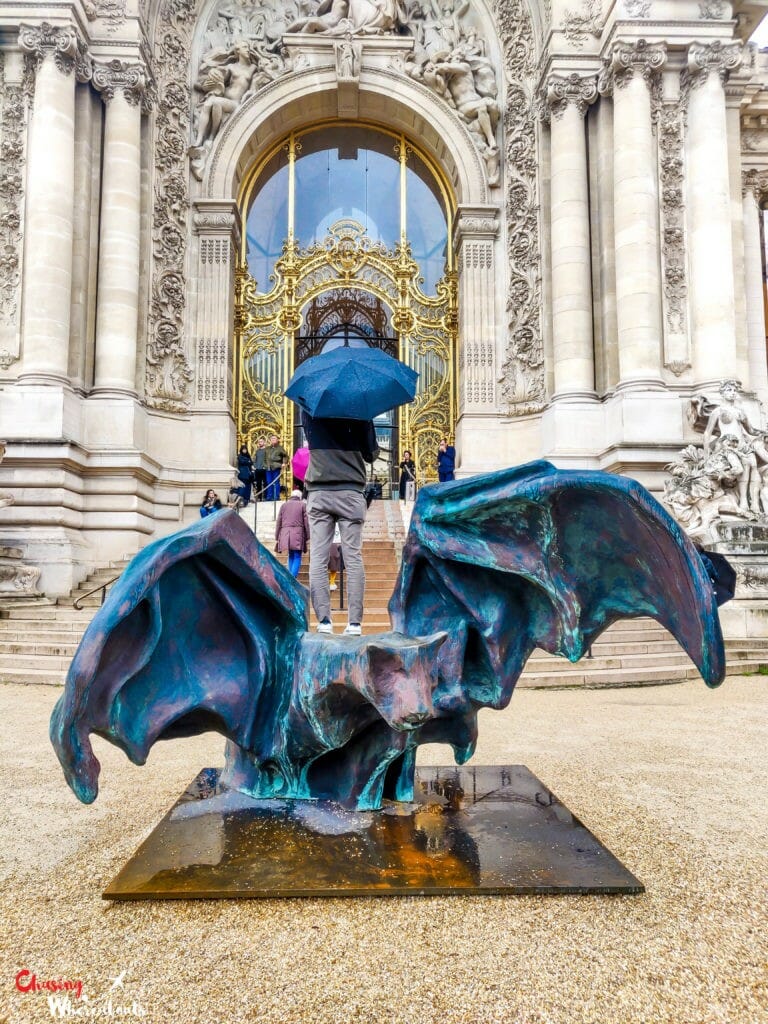
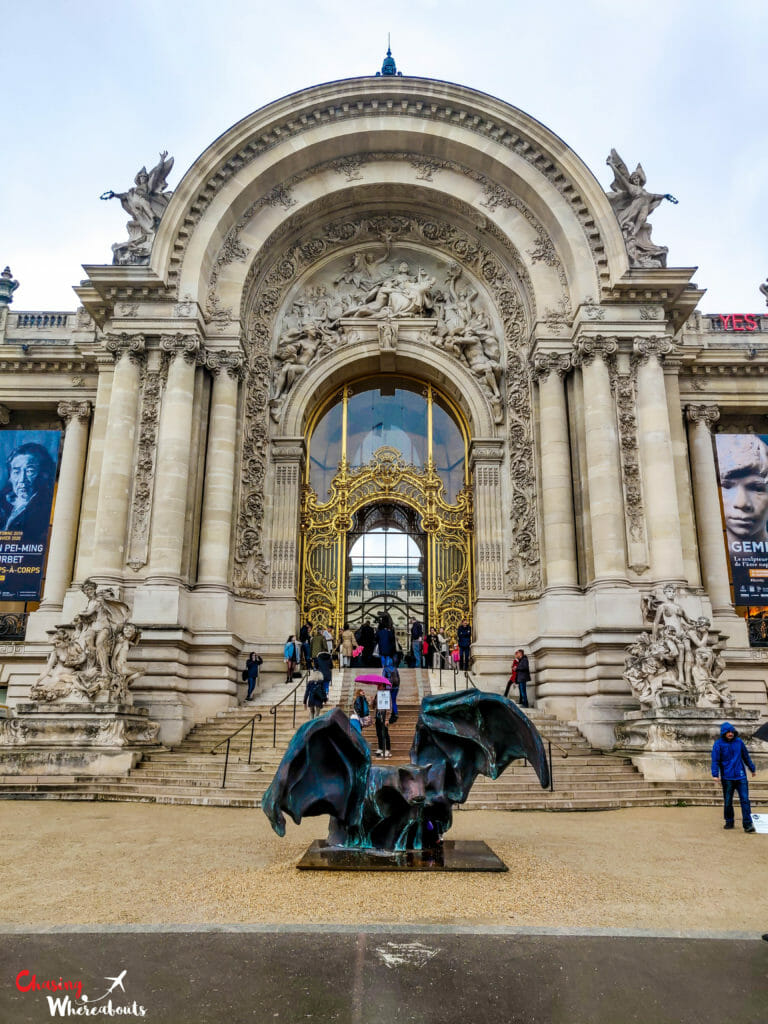
How to Avoid Crowds and Find Travel Deals in Paris
If you want to visit Paris with fewer people around and lower hotel prices, these tips will help:
-
Travel during shoulder season (March-April or September-October)
-
Book flights and accommodations well in advance
-
Look for a travel deal in January or November
-
Stay in less touristy districts like Canal Saint-Martin
-
Avoid school holiday periods and long weekends
-
You’ll not only enjoy shorter lines but also deeper connection with locals—the true Parisian way.
🗺️ Free Itinerary: Discover Paris in 3 Perfect Days
Planning your trip to Paris in 2026? With so many places to visit, it can be overwhelming to design the perfect schedule. That’s why we’ve created a free itinerary to help you make the most of your time in the City of Light—no stress, no fuss. Whether you're into museums, historic landmarks, scenic strolls along the Seine, or just want to find the best time to go for fewer crowds, this 3-day itinerary is your essential travel companion.
🧭 Day 1: Classic Paris & Iconic Attractions
Morning: Eiffel Tower & Seine River
Begin your Paris adventure with a sunrise visit to the (../../blog/famous-landmarks-in-france/). Arrive early to avoid long lines and shorter lines at attractions—especially in the shoulder season like April in Paris or September to October, which many consider one of the best times to visit Paris.
After taking in the views, stroll along the Seine toward Trocadéro and then head over to Champs de Mars for perfect photo ops.
Midday: Louvre Museum & Jardin des Tuileries
After lunch at a nearby café, explore the world-renowned Louvre. Try visiting midweek or in the low season (winter or early spring) for fewer crowds and discounts on hotel rates nearby.
Take a peaceful walk through the Jardin des Tuileries—especially beautiful when flowers are in bloom—and enjoy people-watching like a true Parisian.
Evening: Seine River Cruise & Notre-Dame
In the evening, hop on a Seine river cruise to see Paris illuminated under the night sky. It’s a great time to enjoy the city from a different perspective. End your day near Notre-Dame Cathedral (currently under restoration, but still a must-see).
🎨 Day 2: Bohemian Paris & Art
Morning: Montmartre & Sacré-Cœur
Start in Montmartre, Paris’s artsy district. Climb the steps to Sacré-Cœur Basilica for panoramic city views. The surrounding streets are filled with artists, hidden alleys, and classic Parisian charm.
Midday: Latin Quarter & Cafés
Head to the Latin Quarter for lunch in a cozy bistro. This lively student area is perfect for wandering, especially around Sorbonne University and the Cluny Museum. Spring or fall are the best times of the year to visit—comfortable weather in Paris and shorter lines.
Evening: Opéra Garnier or Paris Jazz Festival
Catch a ballet or opera performance at the historic Opéra Garnier. If you’re visiting in summer, opt for an outdoor concert at the Paris Jazz Festival instead—especially popular from June to August.
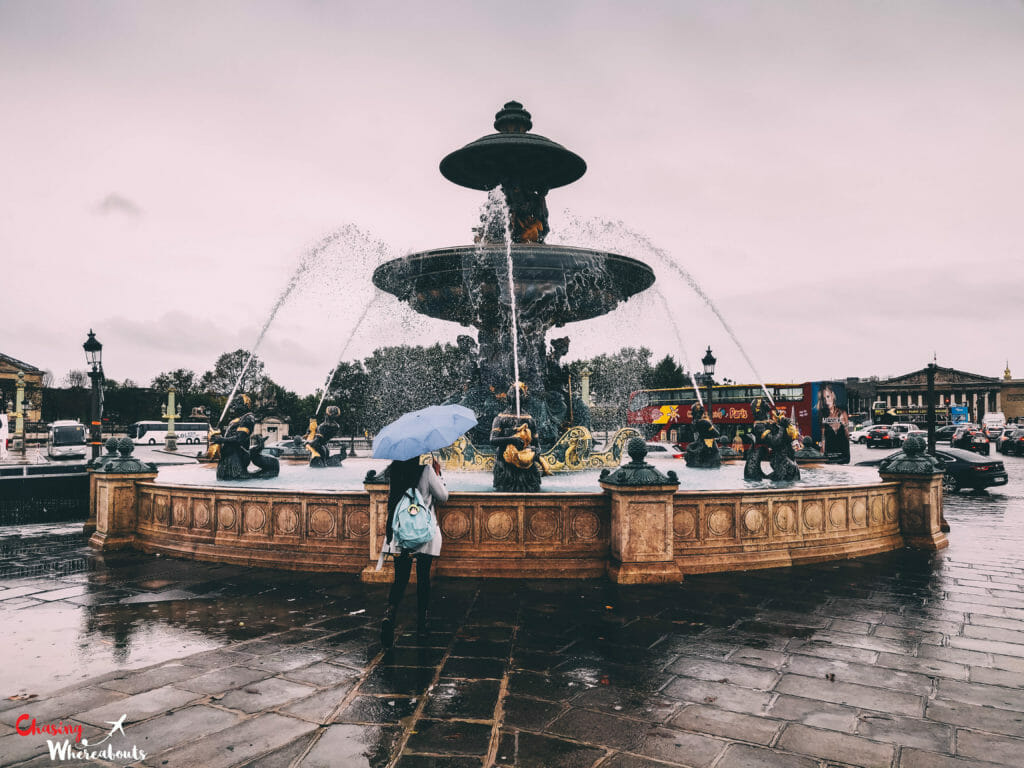
🛍️ Day 3: Culture, Gardens & Shopping
Morning: Luxembourg Gardens & Musée Rodin
Start your day at the serene Jardin du Luxembourg—ideal in spring in Paris or the fall and spring shoulder seasons. Then, visit the Musée Rodin to admire famous sculptures like The Thinker and enjoy its lovely sculpture garden.
Midday: Le Marais & Fashion
Spend your afternoon shopping and museum-hopping in Le Marais. From vintage boutiques to contemporary art galleries, this area blends history with trend. Visit during Paris Fashion Week (January, February, or September) for fashion events and people-watching at its finest.
Evening: Arc de Triomphe & Champs-Élysées
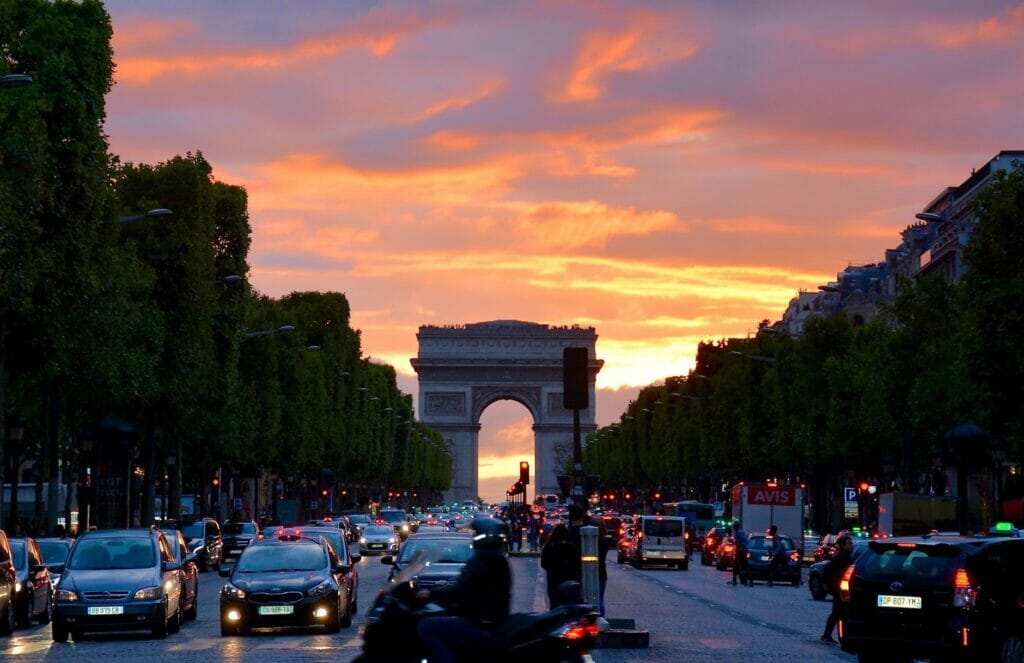
Wrap up your trip with a visit to the Arc de Triomphe and a sunset walk down Champs-Élysées. Grab a final dinner at a rooftop restaurant and enjoy stunning views of Paris lit up at night.
✨ Optional Add-Ons by Season
Depending on the season in Paris and the month of the year, consider adding:
-
Spring: Cherry blossoms at Parc de Sceaux, April in Paris photo walks
-
Summer: Bastille Day fireworks, boat rides on the Seine, Paris Plages urban beach experience
-
Fall: Montmartre Wine Harvest Festival, visit in the fall for crisp walks and vibrant foliage
-
Winter: Christmas markets, cozy cafés, New Year’s Eve along the Seine, or watching Paris Fashion Week
Top Attractions to Visit in Paris
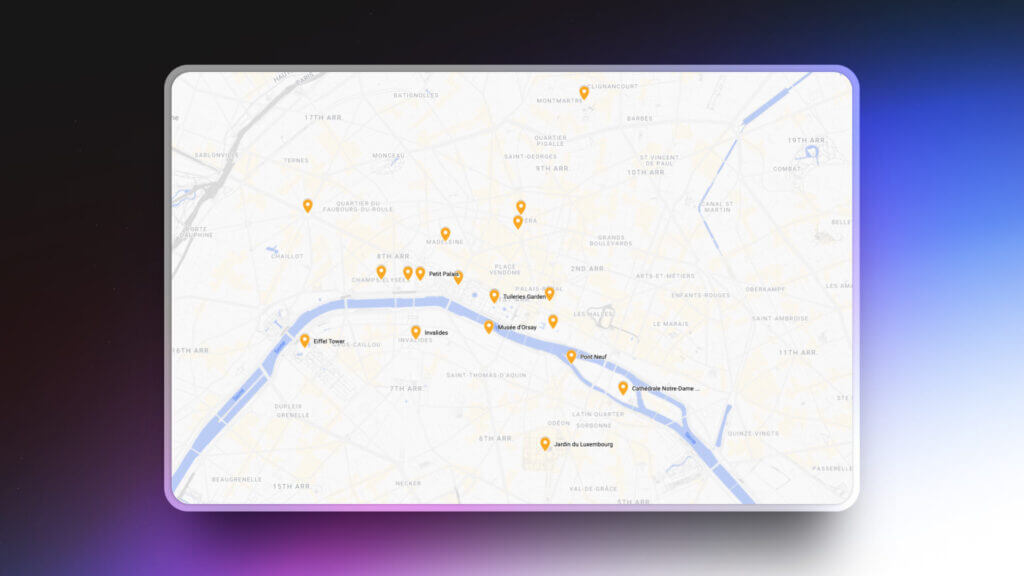
Paris is home to numerous attractions that cater to a wide range of interests. Here are some of the top sights to include in your itinerary:
Eiffel Tower:
No visit to Paris is complete without seeing the Eiffel Tower. This iconic structure offers breathtaking views from its observation decks. Whether you visit during the day or at night, the experience is unforgettable. Consider booking tickets in advance to skip the long queues.
Louvre Museum:
The Louvre is the world's largest art museum and a historic monument in Paris. It houses thousands of works of art, including the Mona Lisa and Venus de Milo. Plan to spend several hours exploring its vast galleries and marveling at the masterpieces.
Notre-Dame Cathedral:
Despite the fire in 2019, Notre-Dame remains a symbol of Parisian heritage. The exterior and surrounding area are still open to visitors, offering a glimpse into its architectural magnificence. The nearby Île de la Cité also provides charming spots to explore.
Musée d'Orsay:
Housed in a former railway station, the Musée d'Orsay is renowned for its extensive collection of Impressionist and Post-Impressionist art. Works by artists such as Monet, Van Gogh, and Degas are displayed in a stunning setting that blends history and art.
Sacré-Cœur Basilica:
Located in Montmartre, the Sacré-Cœur offers panoramic views of Paris from its dome. The basilica's architecture and the surrounding bohemian neighborhood make it a must-visit. Explore the nearby streets to discover local artists and quaint cafés.
Centre Pompidou:
This modern art museum is known for its unique architecture and contemporary art exhibits. The Centre Pompidou's exterior escalators provide fantastic views of Paris, while the interior showcases innovative and thought-provoking works.
Arc de Triomphe:
Situated at the top of the Champs-Élysées, the Arc de Triomphe is a monumental symbol of French history. Visitors can climb to the top for stunning views of the avenue and the city's layout. The surrounding area is also ideal for shopping and dining.
Jardin du Luxembourg:
This beautiful garden is perfect for a leisurely stroll or a relaxing break. The fountains, statues, and meticulously maintained lawns create a serene atmosphere. It's a great spot to unwind and enjoy the natural beauty of Paris.
Musée Rodin:
Dedicated to the works of Auguste Rodin, this museum features sculptures such as The Thinker and The Kiss. The museum's garden is a tranquil oasis, offering a peaceful setting to admire the art and reflect.
Opéra Garnier:
A masterpiece of architectural design, the Opéra Garnier hosts performances ranging from ballet to opera. The opulent interiors and grand staircase make it worth a visit, even if you're not attending a show.
These attractions provide a comprehensive overview of Paris's rich history, art, and culture, ensuring a diverse and enriching experience.
Boat tour along the Seine River:
Paris is one of the best city to take the boat tour because I absolutely love the view of Eiffel Tower from the boat and it is fun to spend 1 hour exploring all the major attraction from the Seine river.
Budgeting for Your Paris Trip: Costs and Savings
Budgeting for a trip to Paris involves considering various costs, including accommodation, dining, transportation, and attractions. While Paris can be an expensive city, there are ways to manage expenses and make the most of your travel budget calculator.
Accommodation:
Prices for hotels in Paris vary widely based on location and amenities. Luxury hotels in central areas can be quite costly, but there are budget-friendly options such as hostels and vacation rentals. Booking well in advance and considering neighborhoods slightly outside the city center can yield better rates.
Dining:
Paris offers a range of dining options, from high-end restaurants to affordable bistros and street food. To save on food costs, explore local markets for fresh produce and ready-to-eat meals. Opting for prix fixe menus in restaurants can also provide a full dining experience at a reasonable price.
Transportation:
Public transportation is an economical way to get around Paris. The Paris Visite pass offers unlimited travel on the metro, buses, and trams for a set number of days, making it a cost-effective option. Walking and cycling are also great ways to explore the city while saving on transport costs.
Attractions:
Entry fees to major attractions like the Eiffel Tower and Louvre Museum can add up. Consider purchasing a Paris Museum Pass, which provides access to multiple museums and monuments at a discounted rate. Additionally, many attractions offer free admission on the first Sunday of the month.
Shopping:
While Paris is known for its luxury boutiques, there are also plenty of opportunities for budget shopping. Explore flea markets like Marché aux Puces de Saint-Ouen for unique finds and bargains. Sales periods in January and July offer discounts on fashion and accessories.
Miscellaneous:
Other expenses such as souvenirs, entertainment, and tips should be factored into your budget. Setting aside a contingency fund for unexpected costs is always a good idea. Utilizing travel apps and guides can help find deals and discounts on various services.
By planning ahead and making smart choices, travelers can experience the best of Paris without breaking the bank. Balancing splurges on key experiences with savings on everyday expenses ensures a memorable and budget-friendly trip.
📌 Key Takeaways: Best Times to go to Paris
-
🌸 Spring (March–May): Best for gardens, festivals, and fewer tourists.
-
☀️ Summer (June–August): Lively, event-packed, but crowded and warm.
-
🍂 Fall (September–October): Ideal balance of beauty, weather, and lower costs.
-
❄️ Winter (November–February): Magical holidays, fewer tourists, indoor charm.
-
📆 Popular times include June to August and December—book ahead!
-
💡 Visit during shoulder season for shorter lines at attractions and discounts on hotel stays.
-
🧳 Plan your trip to Paris around your interests—whether that’s art, fashion, history, or cuisine.
Whether you’re watching the sunset from the banks of the Seine, sipping coffee in a Montmartre café, or taking in the grandeur of the Eiffel Tower, knowing the best time to go makes all the difference.
Where to Buy the Paris Pass
You can book the Paris city pass directly through Tiqets with instant confirmation:
- Book on Tiqets → — Best price, instant e-ticket
- Read my full Paris Pass review → — Is it worth it for your trip?
Best Tours & Experiences
For guided tours and experiences, I recommend checking Viator — they have a huge selection with free cancellation on most bookings.
Save More
Save 5% on activities
Use code CHASINGWHEREABOUTS5 in the GetYourGuide app.
Book this exact experience in GetYourGuide appGet Travel Tips in Your Inbox
Join 5,000+ travelers. Get exclusive itineraries, honest reviews, and budget hacks once a week.
No spam. Only high-quality travel advice. Unsubscribe anytime.