
Disclosure: Chasing Whereabouts is reader-supported. This guide contains affiliate links to partners like Tiqets, GetYourGuide and Viator. If you make a purchase through these links, we may earn a small commission at no extra cost to you. This helps us continue providing free, first-hand travel guides. Thank you for your support!
Hey everyone, Sankalp here from chasingwhereabouts.com, fresh off another Nordic adventure! This time, my compass pointed north to Oslo, Norway – a city that consistently ranks high on those "most expensive cities" lists. Knowing this, I went in with a mission: to see if I could outsmart the Norwegian Krone and still experience the best of what Oslo has to offer without emptying my wallet entirely. My secret weapon (or so I hoped) was the Oslo Pass: Entry to Museums + Public Transport. (Updated March 2026)
You know me, I'm all about honest, practical advice, so I put this pass through its paces. Was it the money-saving marvel it claims to be, or just another tourist trap? Let's dive into the nitty-gritty of my experience, the numbers, and whether it's truly worth your hard-earned cash. Check out our complete Norway travel guide for more destination inspiration.
My Personal Verdict: Recommended
"The Oslo Pass: Entry to Museums + Public Transport is worth buying if you plan to visit 3+ paid attractions in Oslo."
Insider Tip:Book online in advance to avoid queues at major sights.
🎟️ Ready to book? → Get the Oslo Pass: Entry to Museums + Public Transport (check latest price & availability)
What Is the Oslo Pass: Entry to Museums + Public Transport?
First things first, let's clarify what we're talking about. The Oslo Pass isn't just a fancy ticket; it's essentially an all-in-one city card designed to make your exploration of Oslo smoother and, potentially, more affordable. Think of it as your golden ticket to unlocking Oslo's cultural treasures and navigating its efficient public transport system without constantly fumbling for change or worrying about individual ticket prices.

Advertisement
It's available for different durations – typically 24, 48, or 72 hours – and once activated, it grants you free entry to a substantial list of museums and attractions, unlimited rides on public transport across a wide range of zones, and a host of other discounts. The idea is simple: pay once, and then enjoy the freedom to hop on and off buses, trams, metros, and even ferries, all while ticking off your must-see list of sights. For a city like Oslo, where individual attraction entries and transport can add up quickly, this pass promises a stress-free way to explore. It’s designed for the active traveler, the one who wants to pack in as much as possible, rather than just leisurely strolling through a couple of spots.
What's Included with the Oslo Pass: Entry to Museums + Public Transport?
This is where the rubber meets the road. A pass is only as good as what it offers, right? And the Oslo Pass packs a pretty decent punch in terms of inclusions. Let's break down everything you get, based on my experience and the official details:

-
Voucher Redemption at the Oslo Visitor Centre: This is your first stop. You purchase your pass online (I'll share the link later!), and then you'll need to exchange your voucher for the physical Oslo Pass at the Oslo Visitor Centre, conveniently located at Jernbanetorget 1, right by the Central Station. It's a straightforward process, but remember to factor in a few minutes for this when you first arrive. The staff there are super helpful, by the way, and can give you maps and answer any initial questions.
-
Entrance to a wide range of museums and attractions: This is the main draw. We're talking about free entry to over 30 museums and attractions. This includes heavy hitters like the Fram Museum, the Kon-Tiki Museum, the Munch Museum, the National Museum, the Nobel Peace Center, and Akershus Fortress. This alone can save you a significant amount, especially if you're a museum buff like me. I love diving deep into a city's history and culture, and this pass certainly facilitates that.
Advertisement
-
Free public transport (Zone 1, 2, 3, 4N and 4V): This is, without a doubt, one of the biggest benefits. Oslo's public transport system (Ruter) is excellent – efficient, clean, and comprehensive. With the Oslo Pass, you get unlimited travel on buses, trams, metros, local trains, and even the ferry to Bygdøy, covering an incredibly wide area (Zones 1, 2, 3, 4N, and 4V). This means you can easily get from the city center to the Bygdøy peninsula for the maritime museums, or even further afield if you wish, without worrying about buying individual tickets. Trust me, the convenience of just flashing your pass and hopping on is invaluable, especially when you're tired after a long day of sightseeing.
-
Walking tour: A guided walking tour is a fantastic way to get acquainted with the city's history and landmarks. While I didn't personally take advantage of this on my most recent trip (I prefer to wander at my own pace sometimes), it's a great inclusion for first-time visitors who want an expert's insights into Oslo's past and present.
-
Discounts on sightseeing: Beyond the free entries, the pass also offers discounts on various other sightseeing tours, like fjord cruises or bus tours. If you're looking to explore beyond the immediate city center or see Oslo from a different perspective, these discounts can come in handy.
-
Discounts on ski rental and climbing: This inclusion really highlights Oslo's active, outdoorsy side. If you're visiting in winter and fancy hitting the slopes or trying some indoor climbing, these discounts could be a nice bonus. It's not something every traveler will use, but it's a thoughtful addition for those who do.
-
Special offers in restaurants, shops, entertainment and leisure venues: Who doesn't love a good deal? The pass often includes discounts at selected restaurants, cafes, shops, and other entertainment venues. While these might not be massive savings, they can add up, especially if you're planning to dine out or pick up some souvenirs. Always check the official Oslo Pass app or brochure for the most up-to-date list of participating venues.
Advertisement
-
Ferry to Bygdøy: This deserves its own mention because it's so practical. The Bygdøy peninsula is home to some of Oslo's most famous museums (Fram, Kon-Tiki). The ferry ride itself is a lovely, scenic journey, and having it included saves you the separate ticket cost and makes getting to these popular attractions a breeze.
In essence, the Oslo Pass positions itself as a comprehensive solution for exploring Oslo. It's not just about saving money, but also about the sheer convenience of not having to constantly reach for your wallet or navigate different ticketing systems.
Is the Oslo Pass: Entry to Museums + Public Transport Worth It?
Ah, the million-dollar (or rather, EUR 53.24) question! This is where we get down to brass tacks and crunch some numbers. My honest answer? It can be absolutely worth it, but it heavily depends on your travel style and how much you plan to see and do. This pass is definitely geared towards the "heavy visitor" – someone who plans to hit multiple attractions each day and will make extensive use of public transport. If you're more of a slow traveler, content with one museum a day and lots of walking, it might not be your best bet.
Let's do a quick calculation using the current from-price of EUR 53.24. Confirm the selected duration at checkout because the API evidence does not identify which duration produces that minimum price.
For this illustration, use EUR 53.24 as the minimum checkout price, not a verified duration-specific price.
Advertisement
Here's a rough breakdown of typical costs without the pass:
- Public Transport: A 24-hour public transport ticket for Zone 1 (which covers most central attractions) costs around NOK 121 (approx. EUR 10.40). The Oslo Pass covers all zones, which is a huge advantage if you venture further out, but let's use the Zone 1 price as a baseline for minimum transport savings.
- Average Museum Entry: Most major museums in Oslo charge between NOK 120-180 (approx. EUR 10-15) per adult. Let's use an average of EUR 13 per museum for our calculation.
- Ferry to Bygdøy: A single trip costs around NOK 40-60 (approx. EUR 3.50-5). Let's factor in EUR 4 for a return trip.
Break-Even Calculation:
- Cost of Pass: EUR 53.24
- Guaranteed Transport Savings: Let's say you'd at least buy a 24-hour public transport ticket: EUR 10.40
- Remaining Cost to Recoup from Attractions/Ferry: EUR 53.24 - EUR 10.40 = EUR 42.84
Now, how many attractions do you need to visit to cover that remaining EUR 42.84?
- If you visit 3 museums (3 x EUR 13 = EUR 39)
- AND take the Ferry to Bygdøy (EUR 4)
- Total Savings from Attractions + Ferry: EUR 39 + EUR 4 = EUR 43
So, in this scenario, visiting 3 museums plus taking the ferry to Bygdøy, on top of using public transport for the day, would bring your individual ticket costs to roughly EUR 10.40 (transport) + EUR 43 (attractions/ferry) = EUR 53.40. This means you've effectively broken even and even saved a little bit with the Oslo Pass.
My Takeaway: At the verified €53.24 minimum price, you need roughly 3-4 major attractions plus meaningful public-transport use to break even. Confirm the duration and price selected at checkout before applying this example to your trip.
Advertisement
The "worth it" factor also includes the intangible benefits:
- Convenience: No fumbling for tickets, no queues at ticket counters (though you might still queue for entry to popular spots). Just scan and go. This is a huge stress-reducer in a new city.
- Flexibility: The unlimited transport encourages you to explore areas you might not otherwise, without worrying about extra costs.
- Encourages Exploration: Knowing you have free entry might push you to visit an extra museum or two that you might have skipped due to cost.
So, if your itinerary is packed with museums and you plan on moving around a lot, then yes, the Oslo Pass is a solid investment. If you're only planning one or two attractions and prefer walking, you might be better off buying individual tickets.
Oslo Pass: Entry to Museums + Public Transport vs. Buying Attraction Tickets Separately
| Attraction | Individual Price | Book Separately |
|---|---|---|
| Munch Museum | €18 | Book tickets |
| Fram Museum | €16 | Book tickets |
| Kon-Tiki Museum | €14 | Book tickets |
| Norwegian Museum of Cultural History | €18 | Book tickets |
| Holmenkollen Ski Museum & Tower | €18 | Book tickets |
| Included-museum total | €84 | vs Oslo Pass at €53.24 |
Based on the comparison above, the Oslo Pass can save money for travelers planning a packed museum itinerary and extensive public-transport use. Fjord cruises are discounted rather than included, so calculate any cruise saving separately. In my experience, the convenience of not having to buy individual tickets for each attraction or transport leg also added considerable value to the overall experience.
My analysis showed that the break-even point at the verified minimum price was around 3-4 major paid attractions plus transport use. Duration-specific prices must be confirmed at checkout. Ultimately, the Oslo Pass suits active sightseers looking to maximize their time and budget in Oslo.
Top Attractions to Visit with Your Oslo Pass
With over 30 attractions included, it can be a bit overwhelming to decide where to start. Based on popularity, my personal favorites, and strategic location for maximizing your pass, here are some top picks:
- The Fram Museum (Bygdøy): This was a highlight for me. Step aboard the actual Fram, the strongest wooden ship ever built, used by Norwegian explorers Nansen, Sverdrup, Wisting, and Amundsen on their polar expeditions. It's incredibly immersive and fascinating.
- The Kon-Tiki Museum (Bygdøy): Right next door to Fram, this museum houses Thor Heyerdahl's original Kon-Tiki raft and the papyrus boat Ra II, showcasing his incredible expeditions across the Pacific and Atlantic. Another must-see for adventure lovers.
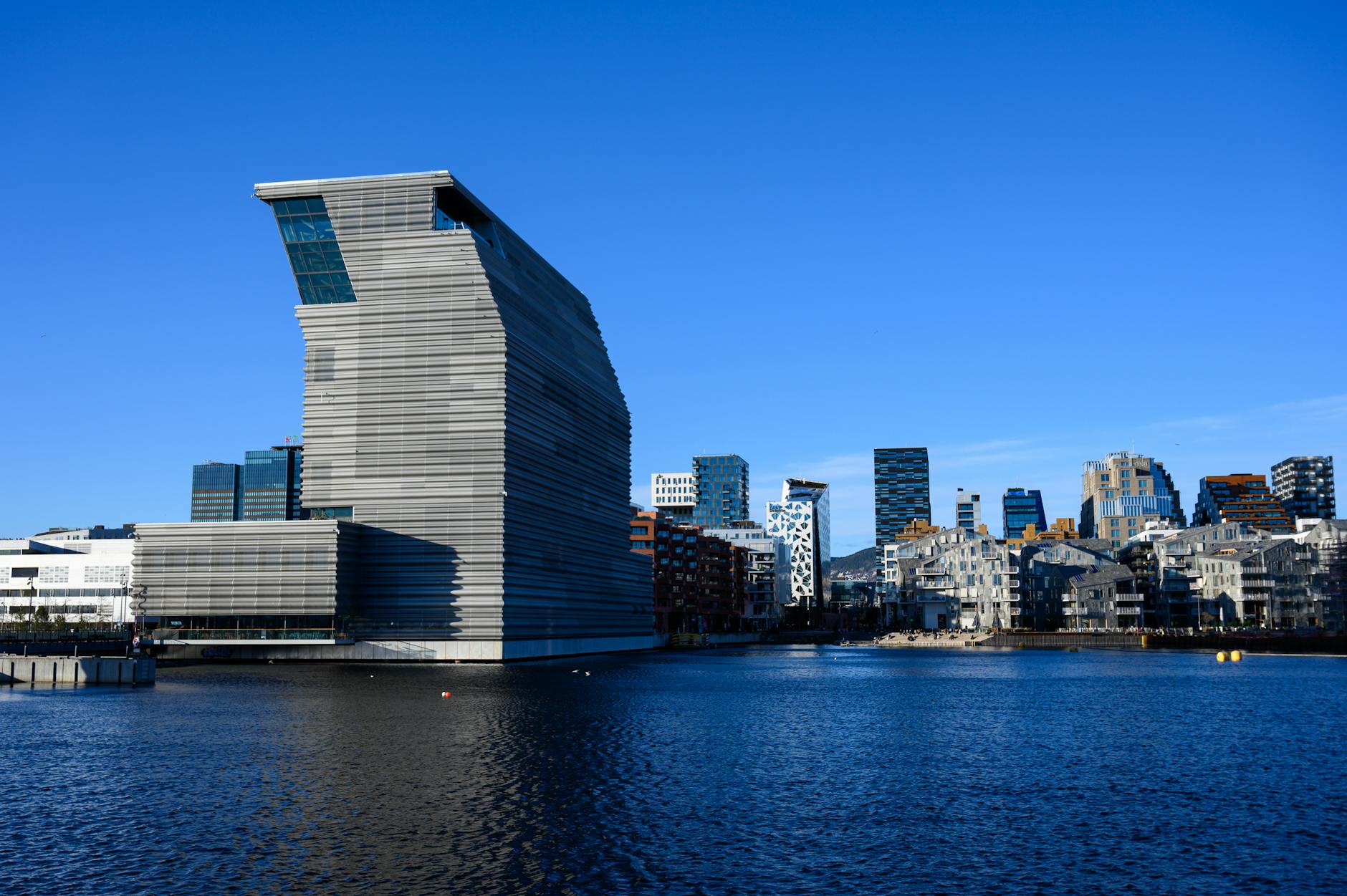
- The Munch Museum: Home to the world's largest collection of works by Edvard Munch, including several versions of "The Scream." The new building is a striking architectural marvel, and the exhibitions are thoughtfully curated. A true cultural institution.
- The National Museum: This is Norway's largest museum, bringing together the collections of the former National Gallery, Museum of Contemporary Art, and the Museum of Decorative Arts and Design. It's a vast and impressive space, covering art, architecture, and design from antiquity to the present day. You could easily spend half a day here.
- Akershus Fortress: A medieval castle and royal residence that has defended Oslo since the late 13th century. While much of the grounds are free to explore, the Oslo Pass grants you access to the castle itself and the Norwegian Resistance Museum within its walls, offering a deep dive into Norway's history.
- Nobel Peace Center: Located in a beautiful old railway station building, this museum presents the Nobel Peace Prize laureates and their work, as well as stories about peace, war, and conflict resolution. It's an inspiring and thought-provoking experience.
- Viking Planet: While not a traditional museum, this digital experience offers a high-tech, immersive journey into the Viking Age. It's a modern take on history and a fun addition to your itinerary, especially if you're interested in Norse culture.
- Holmenkollen Ski Jump & Museum: If you have time and want to venture a bit outside the city center, the iconic Holmenkollen Ski Jump offers incredible views of Oslo and the surrounding fjords. The museum tells the 4,000-year history of skiing. Your public transport coverage with the pass makes getting here easy.
Pro Tip: Group your attractions geographically! The Bygdøy peninsula is perfect for a full day of museum hopping (Fram, Kon-Tiki, Norwegian Folk Museum, Maritime Museum). The city center has the National Museum, Nobel Peace Center, and Akershus Fortress within easy walking distance or a short tram ride.
How to Save the Most with the Oslo Pass: Entry to Museums + Public Transport
Getting the pass is one thing; maximizing its value is another. Here's how I squeezed every last drop of value out of my Oslo Pass:
- Plan Your Itinerary Strategically: This is key. Before you even activate your pass, map out which attractions you want to see and their opening hours. Group geographically close attractions together to minimize travel time. For example, dedicate a full day to Bygdøy, another to the city center, and so on.
- Start Early, Finish Late: The clock starts ticking the moment you activate your pass. Make the most of each day by starting your sightseeing early in the morning and continuing until attractions close. The longer the duration of your pass, the less pressure you'll feel, but efficiency still helps.
- Utilize Public Transport Extensively: Don't walk if you can ride! Even for short distances, hopping on a tram or bus saves time and energy, and it's already paid for. Use the Ruter app (Oslo's public transport app) to navigate routes and schedules effortlessly. Remember, the pass covers a vast network, so don't be afraid to use it.
- Take Advantage of the Ferry to Bygdøy: This isn't just transport; it's a mini-sightseeing cruise! It's faster and more scenic than taking a bus to Bygdøy, and it's included.
- Don't Forget the Discounts: While the free entries are the main draw, those smaller discounts on food, shopping, and other activities can add up. Check the official Oslo Pass brochure or app for the latest offers and see if any align with your plans. A 10-15% discount on a meal can be a welcome relief in expensive Oslo.
- Consider the Walking Tour: If your itinerary allows, the included walking tour is a great way to get an overview of the city and learn some local insights without an extra cost.
- Choose the Right Duration: If you're staying for 3 days, a 72-hour pass will almost always offer better value than buying three 24-hour passes. Assess your trip length and sightseeing ambitions before purchasing.
By being a bit strategic, you can turn the Oslo Pass into a true money-saver and an incredible convenience tool for your Oslo adventure.
Practical Tips for Using the Oslo Pass
Even with the best intentions, travel can throw curveballs. Here are some practical tips to ensure your Oslo Pass experience is smooth sailing:
- Redeem Your Voucher Promptly: As mentioned, you need to exchange your online voucher for the physical pass at the Oslo Visitor Centre. Do this as soon as you arrive in Oslo, preferably when you're not in a rush to start sightseeing.
- Activate Wisely: The pass activates on its first use – whether that's scanning it at a museum or tapping it on a public transport reader. Plan your first day so you activate it when you're ready to start your main sightseeing activities, not just for a quick bus ride to your hotel if you're not planning to visit attractions immediately.
- Keep it Safe: Treat your Oslo Pass like cash or your passport. It's a physical card, and losing it means losing your benefits.
- Check Opening Hours and Days: Always double-check the opening hours and days of the attractions you plan to visit. Some museums are closed on Mondays, for example, or have seasonal hours. Nothing worse than arriving at a museum only to find it closed!
- Download the Ruter App: Oslo's public transport app (RuterReise) is incredibly useful for planning routes, checking schedules, and seeing real-time departures. Even though your transport is covered, the app helps you navigate like a local.
- Book Timed Entry if Required: For very popular attractions, even with the Oslo Pass, you might need to book a timed entry slot online in advance. Always check the individual attraction's website to avoid disappointment, especially during peak season.
- Carry a Small Backpack: For your water bottle, snacks, and any small souvenirs. You'll be doing a lot of walking and exploring!
- Consider Your Budget: While the pass covers many costs, Oslo is still expensive. Use our travel budget calculator for Oslo to plan for food, accommodation, and other expenses not covered by the pass.
- Pack Smart: Oslo's weather can be unpredictable. Make sure you have the right gear. You can generate a custom packing list for Oslo on our site to ensure you don't forget anything essential — use our packing list for Oslo.
By following these tips, you'll be well-prepared to make the most of your Oslo adventure with the pass.
For more travel inspiration and planning resources, check out our European city pass comparison guide.
My Verdict on the Oslo Pass: Entry to Museums + Public Transport
After putting the Oslo Pass through its paces, I can confidently say that it's a fantastic tool for the right kind of traveler. For me, as someone who loves to immerse myself in a city's culture and history, and who appreciates the convenience of seamless public transport, it was a definite win.
The sheer ease of hopping on any tram or bus without a second thought, combined with the freedom to explore multiple world-class museums without constantly pulling out my wallet, made my Oslo experience incredibly smooth and enjoyable. I felt encouraged to visit more places and explore different neighborhoods, knowing my transport was covered.
However, I'll reiterate: it's not for everyone. If you're planning a very relaxed trip with only one or two attractions, or if you prefer to explore exclusively on foot, the financial savings might not materialize. But if you're an ambitious sightseer, keen to pack in Oslo's best museums and attractions, and you're comfortable with a busy itinerary, then the Oslo Pass is an excellent investment. It simplifies your trip, saves you money, and allows you to focus on the beauty and culture of Oslo rather than logistics.
I definitely recommend it for those who want to maximize their sightseeing and minimize hassle in this incredible, albeit pricey, Nordic capital.
Ready to make Oslo your playground? Get the Oslo Pass: Entry to Museums + Public Transport and enjoy your trip!
FAQs About the Oslo Pass: Entry to Museums + Public Transport
Q: How do I activate the Oslo Pass? A: The pass activates automatically on its first use, whether that's scanning it at a museum entrance or tapping it on a public transport reader.
Q: Where do I pick up the physical Oslo Pass? A: You redeem your online voucher for the physical pass at the Oslo Visitor Centre, located at Jernbanetorget 1, right next to Oslo Central Station.
Q: What durations is the Oslo Pass available for? A: The Oslo Pass is typically available for 24, 48, or 72 hours. Choose the duration that best fits your itinerary.
Q: Can I skip lines with the Oslo Pass? A: While the pass grants you free entry, it doesn't always allow you to skip security lines or pre-booked timed entry slots (which you might still need to reserve online for popular attractions). It does, however, allow you to bypass the ticket purchase line.
Q: Does the Oslo Pass cover airport transport? A: No, the Oslo Pass does not cover transport to and from Oslo Airport Gardermoen (OSL). You'll need to purchase separate tickets for the Airport Express Train (Flytoget) or local trains/buses to the airport.
Q: What public transport zones are included? A: The pass covers a wide range of zones: 1, 2, 3, 4N, and 4V, which includes almost all areas relevant to tourists, including the ferry to Bygdøy and transport to Holmenkollen.
Q: Is there an Oslo Pass app? A: Yes, there is an official Oslo Pass app available for download that provides information on included attractions, discounts, and a map. It's very handy to have on your phone!
Q: Can I get a refund if I don't use it? A: Generally, once purchased and especially once activated, the Oslo Pass is non-refundable. Always check the specific terms and conditions at the time of purchase.
===VERDICT=== RECOMMENDATION: Recommended VERDICT: The Oslo Pass is worth it for active sightseers who plan to visit multiple attractions and use public transport extensively. TIP: Plan your itinerary to
Save More
Save 5% on activities
Use code CHASINGWHEREABOUTS5 in the GetYourGuide app.
Book this exact experience in GetYourGuide appGet Travel Tips in Your Inbox
Join 5,000+ travelers. Get exclusive itineraries, honest reviews, and budget hacks once a week.
No spam. Only high-quality travel advice. Unsubscribe anytime.