

Disclosure: Chasing Whereabouts is reader-supported. This guide contains affiliate links to partners like Tiqets, GetYourGuide and Viator. If you make a purchase through these links, we may earn a small commission at no extra cost to you. This helps us continue providing free, first-hand travel guides. Thank you for your support!
🇪🇺 This guide is part of our comprehensive Europe Travel Guide.
I've lived in Frankfurt for years. A one-bedroom apartment there runs €1,200–1,600/month before you've eaten a single meal. Whenever I travel east — Sofia, Tirana, Belgrade — the same money gets you a nicer apartment, cheaper food, and often faster internet. The cost of living gap between Western Europe and the Balkans is real and significant in 2026.
This isn't a theoretical comparison. These are the countries — and the specific cities within them — I'd look at seriously if I were moving for work flexibility, retirement, or just to stretch a budget without sacrificing functioning city life and modern amenities. The guide covers both the cheapest countries as a whole and the cheapest cities specifically, since the spread within a country (Bucharest vs. Cluj-Napoca, Sofia vs. Plovdiv, Belgrade vs. Novi Sad) matters as much as the country choice itself. Whether you're looking for cheap places to live in Europe with good infrastructure or the absolute lowest cost of living possible, the full ranked tables below have you covered.
Who This Guide Is For
Three profiles search this: expats relocating for work or lifestyle, digital nomads optimising cost vs. infrastructure, and retirees wanting sun, safety, and manageable monthly spend. The answer differs slightly per profile — I'll call that out per country.
Advertisement
If you're EU, none of this involves visa complexity — free movement applies everywhere in the EU. If you're non-EU, the digital nomad section matters.
Cost of Living Index: What "Cheap" Actually Means

The cost of living index (Numbeo baseline) puts Romania, Albania, and North Macedonia at 35–45% of the Western European average. Bulgaria sits around 38–42%. For comparison, Germany is at 100% (we break down what that actually costs in our is Germany cheap to live in guide), Portugal at 65–70%.
What drives the gap: housing is the biggest variable — a one-bedroom apartment in a Balkan capital costs €300–600 vs. €1,200–2,000 in a Western EU city. Food and eating out follow the same ratio. Internet is often cheaper and faster in Eastern Europe (Romania consistently ranks top 10 globally for broadband speed).
What doesn't gap as much: flights, streaming subscriptions, international SIM cards, branded electronics — these are similar regardless of where you live.
Advertisement
Living costs also vary significantly within each country. A one-bedroom apartment in a city centre always costs more than an equivalent flat in an outer neighbourhood or secondary city. The ranges below reflect both.
Cheapest Cities in Europe to Live: 2026 Ranked Table
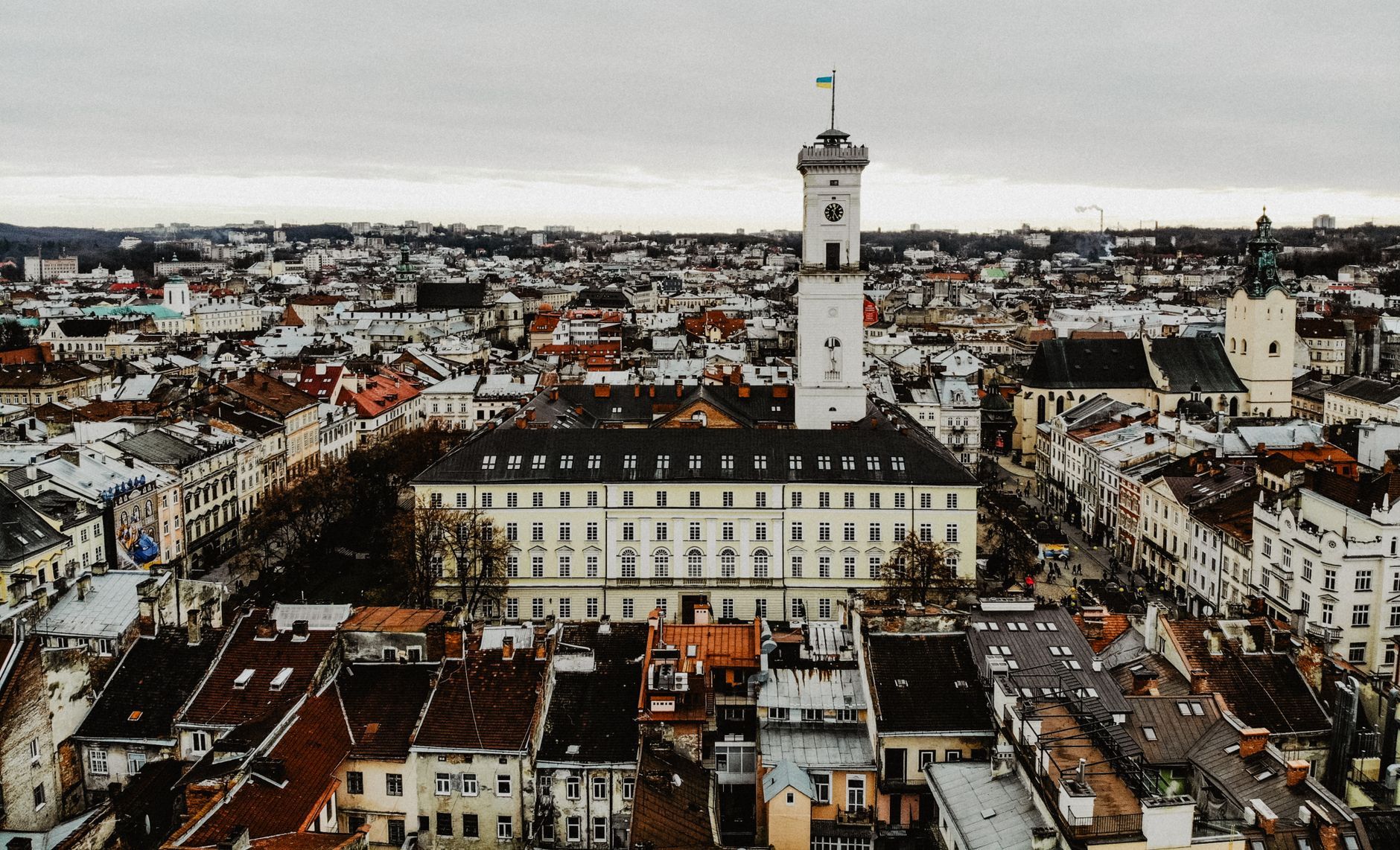
If you're searching for the cheapest cities in europe to live rather than countries, here's the city-level breakdown. Budget figures are total monthly spend (rent + food + utilities + transport) for a comfortable solo setup:
| Rank | City | Country | Monthly Budget | 1BR Rent | Notes |
|---|---|---|---|---|---|
| 1 | Skopje | North Macedonia | €600–900 | €300–450 | Cheapest capital in Europe |
| 2 | Pristina | Kosovo | €600–900 | €300–450 | Euro-based, no conversion hassle |
| 3 | Plovdiv | Bulgaria | €700–950 | €350–500 | EU, cheaper than Sofia |
| 4 | Tirana | Albania | €700–1,000 | €350–500 | Fastest-improving Balkan capital |
| 5 | Sarajevo | Bosnia | €700–1,000 | €350–500 | Strong cultural scene, very cheap |
| 6 | Sofia | Bulgaria | €800–1,100 | €450–650 | Cheapest EU capital |
| 7 | Novi Sad | Serbia | €800–1,200 | €400–600 | More relaxed than Belgrade |
| 8 | Cluj-Napoca | Romania | €850–1,200 | €450–650 | Tech hub, excellent internet |
| 9 | Bucharest | Romania | €900–1,400 | €500–750 | Best internet in Europe |
| 10 | Belgrade | Serbia | €900–1,400 | €450–700 | Best city life per euro |
| 11 | Debrecen | Hungary | €900–1,300 | €400–600 | EU, lower than Budapest |
| 12 | Budapest | Hungary | €1,000–1,600 | €500–800 | EU capital, large expat community |
| 13 | Athens | Greece | €1,100–1,700 | €600–900 | EU, Mediterranean climate |
| 14 | Kraków | Poland | €1,100–1,700 | €600–900 | EU, most liveable Polish city |
| 15 | Porto | Portugal | €1,400–2,000 | €750–1,200 | Best value Western EU city |
Verdict on least expensive cities in Europe: Skopje and Pristina are the absolute floor. For EU membership + low cost, Plovdiv edges out Sofia by €100–150/month with arguably a better quality of life. For digital nomads who need fast internet, Cluj-Napoca and Bucharest are the best city options.
Cheapest Countries in Europe: 2026 Master Table
| Country | Monthly Budget (Solo) | 1BR City Centre | Meal Out | Internet Quality | EU Member? |
|---|---|---|---|---|---|
| North Macedonia | €600–1,000 | €300–450 | €3–6 | ~50 Mbps | No |
| Kosovo | €600–1,000 | €300–450 | €3–6 | ~30 Mbps | No |
| Albania | €700–1,200 | €350–500 | €4–8 | ~30–60 Mbps | No |
| Bosnia & Herzegovina | €700–1,100 | €350–500 | €3–7 | ~30 Mbps | No |
| Bulgaria | €800–1,100 | €450–650 | €4–8 | ~80 Mbps | Yes |
| Montenegro | €850–1,300 | €400–650 | €5–10 | ~40 Mbps | No |
| Serbia | €900–1,400 | €450–700 | €5–10 | ~80 Mbps | No |
| Romania | €900–1,400 | €500–750 | €5–10 | ~200+ Mbps | Yes |
| Hungary | €1,000–1,600 | €500–800 | €6–12 | ~100 Mbps | Yes |
| Greece | €1,100–1,700 | €600–900 | €8–15 | ~50 Mbps | Yes |
| Poland | €1,100–1,700 | €600–950 | €6–12 | ~100 Mbps | Yes |
| Portugal (Porto) | €1,400–2,000 | €750–1,200 | €9–16 | ~100 Mbps | Yes |
| Portugal (Lisbon) | €1,700–2,500 | €1,200–1,800 | €10–18 | ~100 Mbps | Yes |
Cheapest Countries to Live in Europe: Detailed Breakdown
1. North Macedonia — The Hidden Gem No One Talks About
Skopje is genuinely one of the cheapest places to live in Europe in 2026. A one-bedroom apartment in the city centre runs €300–450, a sit-down meal is €3–6, and the country has a surprisingly relaxed pace. Ohrid, on the lake, is arguably one of the most beautiful small cities in the Balkans with rich cultural heritage stretching back to Byzantine times.
Advertisement
Monthly cost breakdown:
- Rent (1BR city centre): €300–450
- Groceries: €150–200
- Eating out (10 meals/month): €40–80
- Utilities (electricity, water, internet): €80–120
- Local transport (bus pass): €20–30
- Total: €600–1,000
Best for: Tight budget, slow travel, anyone priced out of the rest of the Balkans
Visa reality: 90 days visa-free for most Western passports; no digital nomad visa yet
Watch-outs: Limited expat life infrastructure, small English-speaking professional community, not EU so no EHIC healthcare
Retiree note: Good if you want extreme affordability and a quiet lifestyle; less ideal if you need modern medical facilities quickly
2. Kosovo — Europe's Most Overlooked Low-Cost Option
Kosovo rarely appears on expat radars but offers some of the lowest living costs in Europe. Pristina, the capital, has a young, English-speaking population (many studied abroad) and a surprisingly lively cafe scene. The country uses the Euro despite not being in the EU — making budgeting straightforward.
Monthly cost breakdown:
- Rent (1BR city centre): €300–450
- Groceries: €150–180
- Eating out (10 meals/month): €35–70
- Utilities: €70–110
- Transport: €20–30
- Total: €600–1,000
Best for: Extreme budget travel, curious expats, those wanting affordable living off the beaten path
Visa reality: 90 days visa-free for most EU/US/UK passports
Watch-outs: Very limited expat infrastructure; private health insurance essential; not EU, not Schengen
Retiree note: Affordable but healthcare infrastructure still developing
Advertisement
3. Albania — Fastest-Improving, Still Cheapest EU Neighbor
Tirana has transformed. Five years ago it was rough around the edges; now it has a functioning cafe scene, modern coworking spaces, and a growing expat community. A one-bedroom apartment in central Tirana costs €350–500/month. Coastal towns like Sarandë and Vlorë are popular with remote workers in summer, though prices spike in July–August.
The affordable living standards here are genuinely competitive with anywhere in the Balkans, and the Albanian Riviera is one of Europe's most underrated coastlines.
Monthly cost breakdown:
- Rent (1BR city centre): €350–500
- Groceries: €160–220
- Eating out (10 meals/month): €50–100
- Utilities: €80–130
- Transport: €25–40
- Total: €700–1,200
Best for: Digital nomads who want affordability + energy, coastal living enthusiasts
Visa reality: 90 days visa-free; some passport holders can extend; no formal digital nomad visa
Watch-outs: Infrastructure still developing outside Tirana; internet reliability in rural areas patchy; private health insurance needed (~€50–80/month)
Retiree note: Healthcare is improving but still limited for complex needs; best if you're healthy and active
4. Bosnia and Herzegovina — Sarajevo's Underrated Affordable Living
Sarajevo is an overlooked affordable living option with rich cultural heritage, good food, and very low rent. A central one-bedroom apartment costs €350–500. The city has a distinct Ottoman–Austro-Hungarian character — you don't just live cheaply here, you live somewhere genuinely interesting.
Advertisement
For expat life, Sarajevo has a small but tight-knit international community, decent coworking options, and a food scene that punches well above its cost bracket.
Monthly cost breakdown:
- Rent (1BR city centre): €350–500
- Groceries: €150–200
- Eating out (10 meals/month): €40–80
- Utilities: €80–120
- Transport: €25–35
- Total: €700–1,100
Best for: Long-term slow travel, writers, anyone wanting lower cost without the tourist-trap feel
Visa reality: 90 days visa-free for most; complex administrative structure across entities
Watch-outs: Administrative complexity (two entities, different rules), limited job market for local employment, no EU membership = no reciprocal healthcare
Retiree note: Affordable but health infrastructure less developed; private insurance essential
5. Bulgaria — Cheapest EU Country to Live In
Bulgaria is the cheapest EU country to live in and that distinction matters: EU membership means no visa complications for EU citizens and EHIC healthcare. Sofia is the main hub (1BR €450–650), but Plovdiv runs €350–500 and has a better quality-of-life reputation among expats. Varna on the Black Sea has a summer-heavy expat scene with good beach access.
Bulgaria adopted the euro on 1 January 2026, replacing the lev at a fixed rate of 1.95583 lev per euro. Prices were shown in both currencies through the transition, and euro cash is now the sole legal tender.
Monthly cost breakdown:
- Rent (1BR city centre, Sofia): €450–650
- Groceries: €180–250
- Eating out (10 meals/month): €50–100
- Utilities: €90–140
- Transport: €30–40
- Total: €800–1,100
Best for: EU citizens wanting the lowest cost base while keeping EU benefits and modern amenities
Visa reality: Free for EU citizens; non-EU need to research residency routes; no digital nomad visa
Watch-outs: Bureaucracy can be slow; some rental contracts require Bulgarian-language support
Retiree note: Strong value; EU healthcare rights for EU citizens; winters can be harsh in Sofia
6. Montenegro — Adriatic Coast on a Budget
Montenegro often surprises people — it has an Adriatic coastline that rivals Croatia or Italy, but at substantially lower costs. Podgorica, the capital, is cheap but limited; coastal towns like Kotor, Budva, and Bar are more appealing for expat life even if slightly pricier. Bar and Ulcinj are year-round affordable options.
Monthly cost breakdown:
- Rent (1BR city centre, Podgorica): €400–600
- Groceries: €170–230
- Eating out (10 meals/month): €60–110
- Utilities: €80–130
- Transport: €30–45
- Total: €850–1,300
Best for: Coast lovers, retirees who want affordable Mediterranean living standards
Visa reality: 90 days visa-free for many Western passports; EU candidate country
Watch-outs: Coastal areas get expensive in peak season; internet can be patchy outside main cities
Retiree note: Increasingly popular with Western European retirees; healthcare system improving
7. Serbia — Belgrade's Affordable Cost of Living With Urban Energy
Belgrade is one of the most dynamic affordable cities in Europe right now. It's not EU — which actually simplifies things for non-EU expats as there's no Schengen complications. Rent for a 1BR in the centre: €450–700. The nightlife is world-class and dirt cheap. Novi Sad is slightly more relaxed and runs €100–150 less per month.
Expat life in Belgrade has grown significantly — there are multiple coworking spaces, a strong English-speaking professional community, and Belgrade is increasingly popular with remote workers from Western Europe who want lower cost of living without giving up modern city infrastructure.
Monthly cost breakdown:
- Rent (1BR city centre): €450–700
- Groceries: €200–270
- Eating out (10 meals/month): €60–120
- Utilities: €90–150
- Transport: €30–45
- Total: €900–1,400
Best for: Young professionals, digital nomads, anyone who wants actual city life at affordable cost
Visa reality: Many passport holders get 90 days; Serbia has been developing a digital nomad framework; non-EU = no Schengen clock running
Watch-outs: Residency processes vary significantly by passport; private health insurance needed
Retiree note: Good urban quality of life; private healthcare available and relatively affordable
8. Romania — Best Lower Cost of Living + Modern Infrastructure Balance
Romania is the strongest argument for "cheap + modern" in Europe. Bucharest has genuinely world-class internet (200+ Mbps is standard), a strong tech/startup scene, EU membership, and living costs that are 40–50% lower than Western Europe.
Cluj-Napoca is increasingly popular with remote workers — slightly cheaper than Bucharest, similar infrastructure, better work-life balance reputation. For central Europe, Romania delivers the best combination of affordable living and modern amenities.
Monthly cost breakdown (Bucharest):
- Rent (1BR city centre): €500–750
- Groceries: €200–280
- Eating out (10 meals/month): €60–120
- Utilities: €90–150
- Transport: €30–40
- Total: €900–1,400
Best for: Tech workers, remote professionals, anyone who needs fast internet and modern amenities
Visa reality: EU = free for EU citizens; digital nomad visa available for non-EU nationals (~€3,300/month income requirement)
Watch-outs: Winter heating costs spike significantly; Bucharest can feel overwhelming to some
Retiree note: EU healthcare, decent private options, growing English-speaking medical community
9. Hungary — Central Europe's Most Affordable EU Capital
Budapest is central Europe's most accessible affordable city for expats — it's EU, it has a huge English-speaking expat community, rich cultural heritage, and the thermal bath culture makes day-to-day living genuinely pleasant. However, it's getting more expensive: central Budapest 1BR is now €500–800. Outer districts and secondary cities (Debrecen, Szeged) drop to €350–550.
Monthly cost breakdown:
- Rent (1BR city centre): €500–800
- Groceries: €220–300
- Eating out (10 meals/month): €70–140
- Utilities: €100–160
- Transport: €40–55
- Total: €1,000–1,600
Best for: Expats wanting EU base with cultural depth; retirees wanting good healthcare and comfort
Visa reality: EU = free for EU citizens; Hungary has a digital nomad visa (Guest Worker permit, ~€2,000/month income)
Watch-outs: Central Budapest rent inflation; political climate is a consideration for some expats
Retiree note: Strong EU healthcare; large retiree expat community; good transport links
10. Poland — High Quality of Life, Reasonably Priced
Warsaw and Kraków are modern, well-connected EU capitals where you can live comfortably for €1,100–1,700/month. Poland's living standards have risen significantly — this is no longer "cheap Eastern Europe" in the traditional sense, but it's still substantially lower than Western Europe with better infrastructure than most Balkan options.
Kraków in particular has become a favourite among digital nomads and expat retirees who want a walkable city with rich cultural heritage, excellent restaurants, and EU membership at a reasonable cost.
Monthly cost breakdown (Kraków):
- Rent (1BR city centre): €600–900
- Groceries: €220–300
- Eating out (10 meals/month): €70–130
- Utilities: €100–160
- Transport: €40–55
- Total: €1,100–1,700
Best for: Professionals who need strong infrastructure, EU base, good transport links
Visa reality: EU = free; no specific digital nomad visa but general residence routes available
Watch-outs: Prime districts are no longer budget-friendly; winters are harsh
Retiree note: Strong EU healthcare; Kraków in particular has a growing retiree expat community
11. Portugal — The Affordable Countries in Western Europe
Portugal is the most affordable Western EU country to live in, but that bar has risen considerably. Lisbon is now genuinely expensive (1BR €1,200–1,800 in centre). Porto is better value (€750–1,200). Braga and Coimbra are the real affordable options for those wanting Western European living standards at a lower cost.
The D8 digital nomad visa and the NHR tax framework (now modified) remain draws. English speakers find Portugal the easiest country in the Iberian peninsula for day-to-day expat life.
Monthly cost breakdown (Porto):
- Rent (1BR city centre): €750–1,200
- Groceries: €280–360
- Eating out (10 meals/month): €100–180
- Utilities: €100–160
- Transport: €45–60
- Total: €1,400–2,000
Best for: Retirees wanting Western Europe lifestyle; English speakers; digital nomads with higher income
Visa reality: EU = free; digital nomad visa available (€3,480/month income proof required)
Watch-outs: Lisbon and Algarve are no longer low-cost; rental market is highly competitive
Retiree note: Most popular Western European retirement destination; excellent quality of life and healthcare system
Can You Live on €1,000/Month in Europe?
Yes — in North Macedonia, Kosovo, Albania, Bosnia, or Bulgaria. €1,000/month gets you a furnished one-bedroom apartment, three meals a day (some eating out), utilities, local transport, and a SIM with data. It's tight in Bulgaria and Albania, genuinely comfortable in North Macedonia and Bosnia.
In Serbia or Romania you're comfortable at €1,000 if you're in a smaller city. In Budapest, Athens, or Poland €1,000 means shared housing or a suburb.
In Western Europe (Portugal, Spain, France, Germany) — no. €1,500 is a bare minimum in the affordable cities; €2,000+ is realistic for solo comfortable living.
Digital Nomad Visa: Live in Europe Long-Term
| Country | Digital Nomad Visa | Min Income Requirement |
|---|---|---|
| Portugal | Yes (D8 visa) | ~€3,480/month |
| Greece | Yes | ~€3,500/month |
| Romania | Yes | ~€3,300/month |
| Hungary | Yes (Guest Worker) | ~€2,000/month |
| Croatia | Yes | ~€2,540/month |
| Serbia | In progress | TBC |
| Albania | No formal visa | 90-day stay |
| Bulgaria | No formal visa | Residence permit options |
| North Macedonia | No | 90-day stay |
| Bosnia | No | 90-day stay |
If you're EU, you don't need any of these — you can live anywhere in the EU indefinitely. Non-EU nationals with lower incomes should look at Albania, Serbia, or Bosnia for long stays where the 90-day rule is easier to manage.
Healthcare System: What You Actually Need to Know
EU membership matters significantly for healthcare. EU countries (Bulgaria, Romania, Hungary, Poland, Greece, Portugal) have reciprocal healthcare via EHIC for EU citizens — that means public healthcare access. The quality varies: Poland and Portugal have solid public systems; Bulgaria and Romania are functional but can be slow.
Non-EU countries (Albania, Serbia, North Macedonia, Bosnia, Kosovo) = you need private health insurance. Budget €50–100/month for decent expat coverage. SafetyWing or similar international plans work well here.
Even in EU countries, many expats use private insurance (~€80–150/month) to access English-speaking doctors and avoid public system queues.
English Speakers: Where Communication Is Easy
Communication is a real practical concern for expat life and daily living standards. Here's a realistic breakdown:
Widely spoken: Romania, Poland, Hungary, Bulgaria (in cities), Serbia (Belgrade), Portugal, Greece (cities and tourist areas)
Moderate: Albania (Tirana yes, rural no), North Macedonia (Skopje yes, elsewhere limited)
More limited: Bosnia outside tourist areas, rural Bulgaria, rural Romania, Kosovo outside Pristina
High Quality of Life at Lower Cost: How to Choose
Tightest budget: North Macedonia → Kosovo → Bosnia → Albania → Bulgaria
Best for retirees: Portugal (lifestyle + healthcare system), Bulgaria (EU + cheap), Greece (sun + EU healthcare)
Best for digital nomads: Romania (internet + digital nomad visa), Serbia (energy + no Schengen clock), Hungary (EU + Guest Worker visa)
Best EU option on a budget: Bulgaria or Romania
Best non-EU option: Albania or Serbia
Best city life under €1,200: Belgrade or Sofia
Best for English speakers: Romania or Portugal
Places to Retire in Europe on a Budget
Retirement planning in Europe has different priorities than digital nomad life. Three countries stand out:
Bulgaria (Sofia or Plovdiv): The cheapest EU option for retirees who are EU citizens. EHIC healthcare applies, cost of living index is the lowest in the EU, and both Sofia and Plovdiv have growing expat retiree communities.
Portugal (Porto or Braga): The premium retirement destination — English widely spoken, Atlantic climate, excellent healthcare system, and despite Lisbon inflation, Porto and Braga remain manageable at €1,400–2,000/month.
Greece (Thessaloniki or Peloponnese): Mediterranean living standards, EU healthcare, and genuinely affordable outside of Athens centre and the premium islands. Thessaloniki runs €1,100–1,600/month and has a cosmopolitan character that Athens prices often don't.
Common Mistakes When Moving to a Cheap European Country
- Using only city-centre listing prices — outside the centre cuts rent 20–40%
- Ignoring tax residency triggers — 183 days in most countries = tax resident
- Assuming Schengen rules apply everywhere — Serbia and Albania are outside Schengen entirely
- Forgetting winter heating costs — add €80–200/month in continental European winters
- No health insurance for non-EU countries — costs €50–100/month but essential
- Underestimating setup costs — deposits, furniture, SIM, travel for viewings = €1,000–2,500 before you're settled
FAQ
Where is the cheapest place to live in Europe?
North Macedonia is the cheapest country to live in Europe in 2026: a comfortable solo budget runs €600–1,000/month (rent, food, utilities, transport), and Skopje is the cheapest capital on the continent at €300–450 for a one-bedroom. If you want the cheapest EU country — with free movement and EHIC healthcare — that's Bulgaria, at €800–1,100/month. The full ranked table above breaks down every option by real monthly costs.
Which EU countries have the lowest cost of living?
Among EU members, Bulgaria has the lowest overall cost of living, followed by Romania and Hungary. Bulgaria and Romania are roughly 35–42% of the Western European average on the standard cost of living index. Both offer EU membership benefits — EHIC healthcare and free movement — at the lowest cost within the bloc.
What is the cheapest and safest country to live in Europe?
Bulgaria and Portugal rank well on both counts. Bulgaria is cheaper; Portugal is pricier but scores higher on safety indices and English-speaker friendliness. For Balkan options outside the EU, Serbia (particularly Belgrade) and Montenegro are consistently rated among the safest. North Macedonia and Albania have improved significantly in safety ratings over the past decade.
What countries can you live off of $1,500 a month in Europe?
Comfortably on $1,500/month (≈€1,380): Albania, North Macedonia, Bosnia and Herzegovina, Bulgaria, Serbia, and Romania (outside premium districts). You can also manage in Hungary, Greece, and Poland in secondary cities outside the centre. Portugal's Lisbon, Western Europe generally — not realistic at $1,500.
What is the easiest country to immigrate to in Europe?
For EU citizens: any EU country — free movement applies automatically. For non-EU nationals: Portugal has the most established digital nomad visa and golden visa infrastructure, plus English is widely spoken making expat life straightforward. Romania and Hungary also have accessible digital nomad visa programs with lower income thresholds. Albania and Serbia offer straightforward 90-day stays without visa applications — viable for long-term slow travel.
Planning your budget? Compare with our Cheapest Country in Europe to Retire deep-dive and our Budget Travel in Europe guide. If you're considering Hungary specifically, our Budapest Cost of Travel breakdown has real 2026 numbers.
City Passes — Where to Book
Save on attraction entry with official city passes, booked through Tiqets (instant e-ticket):
- Lisbon: Book on Tiqets → · Full review →
- Athens: Book on Tiqets → · Full review →
Save More
Save 5% on activities
Use code CHASINGWHEREABOUTS5 in the GetYourGuide app.
Book this exact experience in GetYourGuide appGet Travel Tips in Your Inbox
Join 5,000+ travelers. Get exclusive itineraries, honest reviews, and budget hacks once a week.
No spam. Only high-quality travel advice. Unsubscribe anytime.